
LimeWire Reimagined: The Evolution of a Digital Icon into a Generative AI and NFT Powerhouse

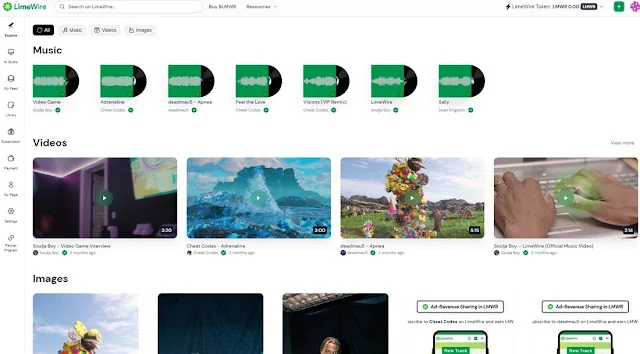
The landscape of digital content distribution has undergone a seismic shift, with LimeWire—a brand historically synonymous with the peer-to-peer file-sharing era of the early 2000s—re-emerging as a sophisticated hub for generative artificial intelligence and Web3 monetization. Unlike its predecessor, which faced significant legal hurdles that led to its eventual shuttering in 2010, the modern LimeWire operates as a legitimate, creator-focused studio designed to bridge the gap between high-end AI generation and blockchain-based ownership. This strategic pivot reflects a broader industry trend where legacy technology brands are leveraging decentralized finance (DeFi) and machine learning to remain relevant in an increasingly automated creative economy.
A Chronology of Transformation: From P2P to AI Studio
The history of LimeWire is a case study in digital adaptation. Founded in 2000, the original LimeWire software became the primary gateway for millions of users to exchange music files, eventually succumbing to massive copyright litigation that resulted in a permanent injunction in 2010. After over a decade of dormancy, the brand was acquired by brothers Paul and Julian Zehetmayr. In 2022, they relaunched LimeWire as a digital collectibles marketplace, specifically targeting the music industry.
By 2023 and 2024, the platform further evolved, transitioning from a static NFT marketplace into a comprehensive "AI Studio." This latest iteration focuses on empowering users to generate, publish, and monetize AI-assisted imagery, with a roadmap that includes future support for AI-generated music and video. The platform now utilizes advanced machine learning models to provide a low-barrier, high-utility environment for digital artists.
The Mechanics of the LimeWire AI Studio
At the heart of the platform’s current offering is the AI Image Generation tool, which integrates industry-standard models including Stable Diffusion 2.1, Stable Diffusion XL, and DALL-E 2. By offering a unified interface for these disparate models, LimeWire simplifies the technical overhead typically associated with generative art.
Users interact with the platform through text-to-image prompts. The interface is designed for scalability: casual users can input simple descriptions to generate immediate visual results, while power users can utilize advanced parameters, including negative prompts, sampler adjustments, and seed control, to refine their output. This tiered approach to complexity allows the platform to serve both amateur enthusiasts and professional digital designers.
Furthermore, the integration of distinct "design styles"—such as cinematic, pixel art, anime, and analog film—enables creators to apply specific aesthetic filters to their prompts. This functionality is supported by the platform’s commitment to developing a proprietary AI model, which aims to differentiate LimeWire’s output from the standard results produced by open-source alternatives.
Blockchain Integration and the Creator Economy
A defining feature of the new LimeWire is its automatic minting process. Once a user generates an image, they have the option to publish it directly to the LimeWire Studio. Upon publication, the platform automatically mints the creation as a Non-Fungible Token (NFT) on either the Polygon or Algorand blockchains. This process provides a cryptographically verifiable record of ownership, which is essential for the burgeoning digital secondary market.
This feature is particularly significant for the creator economy, as it creates a direct revenue stream for artists. Every time an NFT is traded on the secondary market, the original creator is entitled to a 2.5% royalty fee, programmed directly into the smart contract. This provides long-term incentive for artists to build high-quality portfolios that attract collectors.
Monetization Models: The LMWR Token
LimeWire has successfully integrated a native cryptocurrency, the LMWR token, to facilitate its financial ecosystem. This token is central to the platform’s revenue-sharing model. According to company disclosures, creators who publish content on the platform are eligible for a share of ad revenue generated by their work. This share ranges from 50% to 70%, depending on the user’s subscription tier.
The platform employs a tiered subscription structure:
- Free Tier: Users receive 10 credits daily, enabling up to 20 image generations, with a 50% ad revenue share.
- Premium Tiers: Ranging from $9.99 to $99 per month, these tiers provide increased credit allowances (up to 11,250 credits), access to advanced AI models, faster generation speeds, and higher ad revenue percentages.
Earnings are distributed in LMWR tokens, which are liquid assets tradeable on major exchanges such as Kraken, ByBit, and Uniswap. This circular economy—where users can spend tokens to generate content and earn tokens through engagement—is a hallmark of the platform’s attempt to foster a self-sustaining creator community.
Industry Implications and Market Analysis
The move by LimeWire to combine generative AI with blockchain-based royalties addresses one of the most pressing criticisms of AI art: the lack of remuneration for the human creators who contribute to the digital ecosystem. By allowing creators to "own" their AI-generated assets as NFTs, LimeWire provides a level of provenance that traditional AI platforms currently lack.
However, the platform faces significant competition. Companies like Midjourney, Adobe (via Firefly), and OpenAI are aggressively expanding their own ecosystems. LimeWire’s competitive advantage lies in its "all-in-one" approach, where the creation, hosting, and monetization happen in a single, frictionless environment. The platform has already attracted high-profile figures from the music and entertainment industry, including Deadmau5, Soulja Boy, and Sean Kingston, who have utilized the site to drop exclusive digital content. This celebrity endorsement is a strategic maneuver to build platform credibility and attract a fan-based user base.
Ethical and Technical Considerations
While the platform offers a streamlined experience, it operates within the broader context of the ongoing debate regarding AI copyright and ethical data scraping. LimeWire’s reliance on established models like Stable Diffusion means it is subject to the same legal and ethical scrutiny currently facing the wider AI industry. As regulators in the United States and the European Union continue to deliberate on the legal status of AI-generated content, LimeWire’s reliance on blockchain for "proof of creation" could prove to be a defensive asset, though it does not fully immunize the platform from potential copyright litigation.
From a technical standpoint, the platform’s commitment to expanding into AI-generated music and video is ambitious. Audio-generative AI is notoriously complex compared to static imagery, requiring significant computational power and latency management. If LimeWire successfully integrates these features, it would position itself as a pioneer in the "Generative Media" space, moving beyond simple static assets into complex, multi-modal content creation.
Conclusion and Future Outlook
The transformation of LimeWire from a legal pariah of the P2P era into a legitimate innovator in the generative AI space is a testament to the agility of the digital market. By lowering the barrier to entry for AI art while providing tangible financial incentives through blockchain technology, the platform is attempting to democratize digital creativity.
As the company moves toward the integration of AI-driven music and video production, the success of the platform will likely hinge on its ability to maintain a high standard of output quality and ensure that its LMWR token maintains its utility and value for creators. For the end user, LimeWire offers a glimpse into a future where the creation and distribution of media are inextricably linked to the underlying data and decentralized ownership. Whether it can maintain its momentum against larger, more established tech incumbents remains to be seen, but its current trajectory suggests that the "new" LimeWire is firmly focused on the future of the creator economy.