The rapid evolution of artificial intelligence in software development has transformed how engineers interact with cloud infrastructure, shifting the paradigm from manual command-line execution to autonomous and semi-autonomous AI coding agents. However, as developers increasingly rely on these intelligent assistants, a persistent operational friction has emerged: managing fragmented toolsets, context windows, and isolated capabilities. To address these inefficiencies, Google Cloud has officially announced a new suite of installable agent plugins designed to equip AI coding assistants with comprehensive, bundled skills and tools specifically tailored for Google Cloud environments.
This major release aims to resolve the longstanding challenge of tool coupling in AI workflows. By packaging related capabilities into cohesive, installable bundles, the new plugins allow AI agents to seamlessly access domain knowledge, workflow recommendations, and live environment interactions without requiring developers to manage complex, piecemeal dependencies. Built entirely on an open standard, this launch marks a significant step toward vendor-neutral interoperability in the rapidly expanding ecosystem of AI-assisted software engineering.
The Tool Coupling Challenge in AI-Assisted Development
As coding agents become more sophisticated, developers frequently utilize them for intricate, multi-step operations such as infrastructure analysis, automated debugging, and continuous integration pipeline management. Historically, providing an AI agent with the necessary context required configuring individual agent skills, documentation references, and remote Model Context Protocol (MCP) servers separately.
This decentralized approach often introduces operational overhead. Managing individual skills can become unwieldy, and many specialized capabilities yield optimal results only when acting in concert with complementary tooling toward a shared objective. For instance, an AI agent tasked with provisioning and analyzing cloud infrastructure requires simultaneous access to platform-specific domain knowledge, official API documentation, workflow governance rules, and programmatic execution environments. When these elements are managed in isolation, context window limitations and fragmented instruction sets frequently degrade the agent’s overall efficacy and reliability.
Google Cloud’s new plugin architecture directly targets this fragmentation. By bundling essential capabilities into a single, cohesive unit, the framework ensures that AI agents can leverage both broad foundational competencies and deep, product-specific tools simultaneously. This integration minimizes context window consumption while maximizing the precision of the agent’s output.
The Flagship google-cloud-developer Plugin
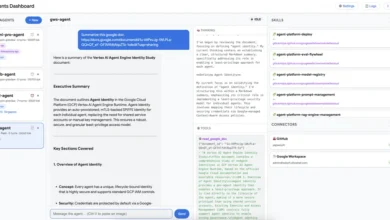
At the center of this initial release is a foundational offering published within the open Google Agent Skills repository: the google-cloud-developer plugin. Designed to serve as the baseline for all Google Cloud users engaging with AI assistants, this flagship plugin establishes core competencies for navigating the platform’s ecosystem.
The plugin provides structural support for critical developer workflows, including identity authentication, authorization management, project bootstrapping, and enforced guardrails for gcloud Command Line Interface (CLI) operations. Furthermore, it bundles configuration parameters for the Developer Knowledge MCP server. This integration equips AI agents with real-time, up-to-date grounding in official Google developer documentation, ensuring that code suggestions and architectural patterns align with current best practices rather than outdated training data.
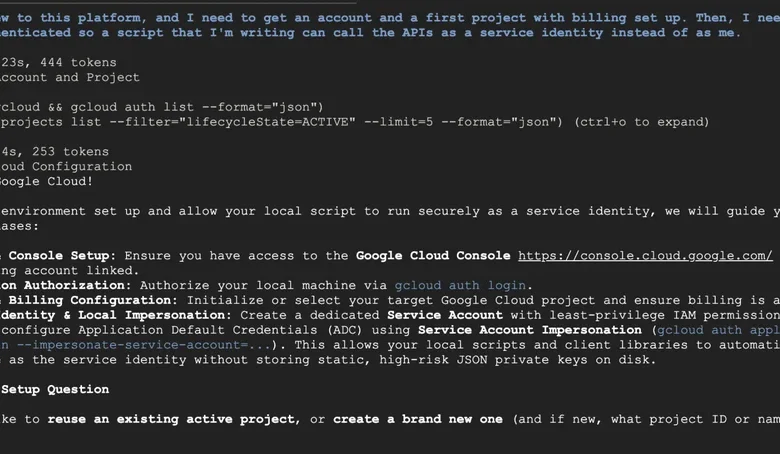
To illustrate the practical utility of this framework, consider a common developer onboarding scenario: initializing a greenfield project, establishing billing parameters, and configuring local machine authentication so that an automated script can interact with cloud APIs using a secure service identity rather than user credentials. Historically, achieving this via an AI assistant required tedious, multi-prompt guidance, with the user manually supplying documentation snippets and command outputs.
With the google-cloud-developer plugin installed, a developer can issue a single, comprehensive prompt detailing the entire objective. The agent, already equipped with the requisite authentication protocols, project management tooling, and API references, can autonomously orchestrate the setup sequence while adhering to institutional security guardrails.
Built on an Open Standard for Maximum Interoperability
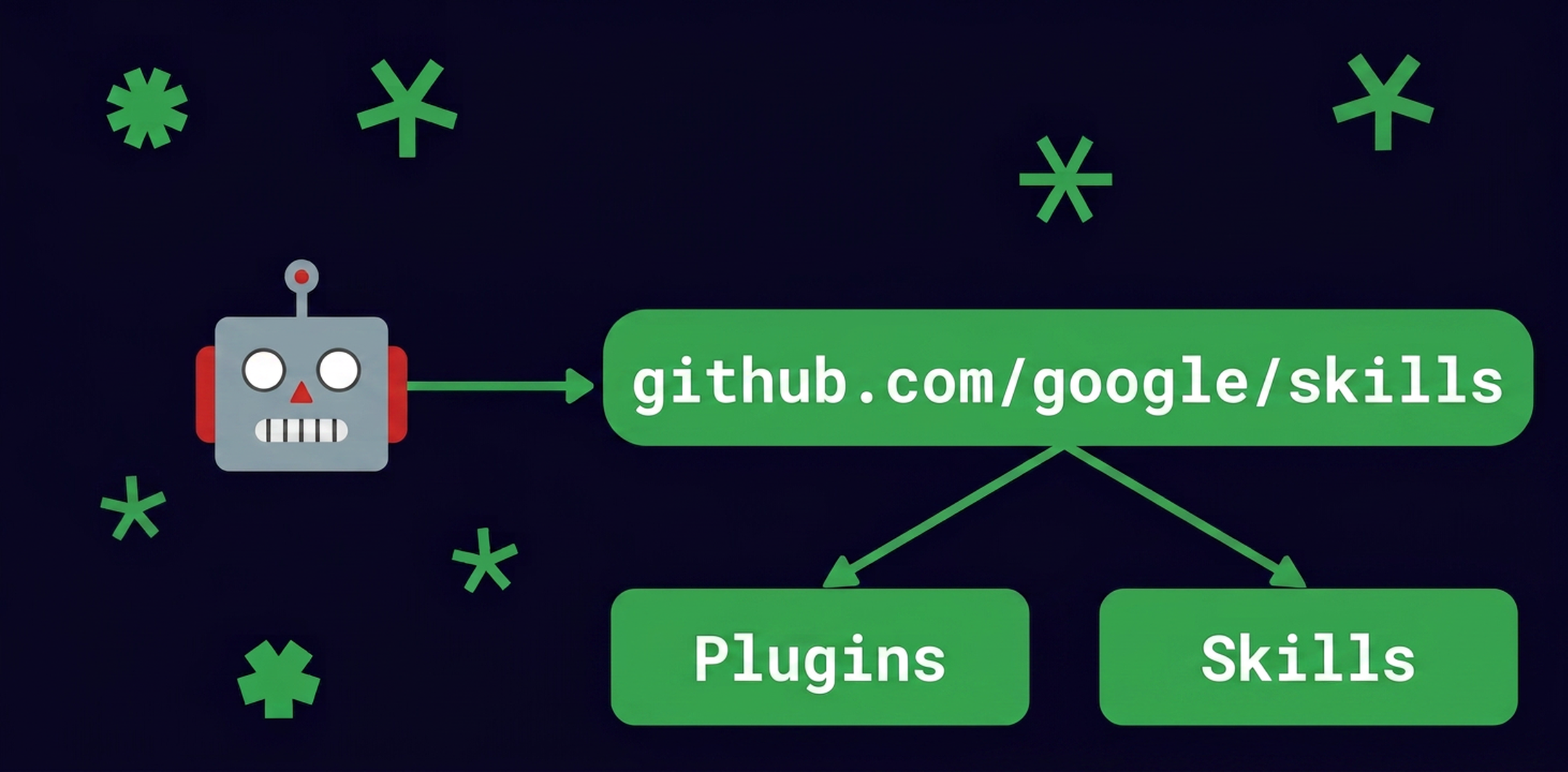
A notable aspect of Google Cloud’s new release is its strict adherence to open standards. Rather than developing a proprietary extension model that locks users into a single AI assistant ecosystem, Google has built the plugin architecture in compliance with the Agent Plugins specification.
This open, vendor-neutral standard governs the packaging of Agent Skills and Model Context Protocol servers into portable, interoperable units. By utilizing a unified manifest and directory structure, the specification eliminates the need for developers to maintain disparate configurations, wrappers, and integration layers for different AI assistants.
Consequently, the new Google Cloud plugins are engineered to function consistently across a wide variety of AI coding environments. Whether a developer utilizes Antigravity CLI, Claude Code, Codex CLI, or other compatible developer tooling, the plugin architecture ensures uniform access to high-quality Google Cloud integration tools. This interoperability extends to all plugins hosted within the broader Google Agent Skills repository, fostering a collaborative ecosystem where community contributions and official releases share a common foundation.
Installation and Integration Across Development Environments
Integrating Google Cloud plugins into existing local development workflows has been designed to be straightforward, leveraging standard package management patterns familiar to modern software engineers. Because the plugins originate from the open Google Agent Skills repository and follow a standardized layout, installation varies only slightly depending on the chosen AI coding environment.
For developers utilizing the Antigravity CLI, the plugin can be installed directly via the command line using its explicit repository path. For environments such as Claude Code and Codex CLI, the workflow involves first registering the Google plugins marketplace within the local assistant configuration before executing the installation command for the specific plugin bundle.
To lower the barrier to entry, Google Cloud has simultaneously released a comprehensive interactive codelab. This guided tutorial walks developers through the step-by-step installation process and initial exploration of the plugin functionality within the Antigravity environment. For engineers entirely new to Google Cloud, supporting documentation outlines the foundational steps required to prepare a local machine for cloud-native development prior to deploying AI agent extensions.
Broader Industry Implications and Future Outlook
The introduction of standardized agent plugins by a major cloud provider signals a maturation phase in the deployment of generative AI tools for software engineering. As enterprises scale their adoption of AI coding assistants, the focus has shifted rapidly from experimental productivity gains to robust, secure, and governable integration with enterprise infrastructure.
By codifying best practices for authentication, project management, and documentation retrieval into open-standard plugins, Google Cloud is establishing a template for how cloud platforms can safely expose their ecosystems to autonomous agents. Enforcing security guardrails—such as programmatic limits on CLI operations and secure service identity handling—addresses critical enterprise concerns regarding shadow IT, accidental infrastructure modification, and credential exposure.
Furthermore, the emphasis on Model Context Protocol (MCP) servers highlights a broader industry movement toward standardized context provisioning. As AI agents evolve from reactive code-completion engines into proactive workflow orchestrators, the ability to dynamically query live documentation and cloud environments through standardized interfaces will become a baseline requirement for enterprise development teams.
Industry analysts note that vendor-neutral standards like the Agent Plugins specification are crucial for preventing ecosystem fragmentation. By enabling developers to use their preferred AI assistants while maintaining seamless access to specialized cloud tools, Google’s initiative promotes healthy competition and flexibility in the AI tooling market.
As the Google Agent Skills repository continues to expand, future iterations are expected to introduce domain-specific plugins targeting advanced use cases such as Kubernetes orchestration, serverless application deployment, database migration, and automated security auditing. For software engineering teams seeking to optimize their AI workflows, adopting these standardized plugins represents a significant opportunity to reduce cognitive load, minimize configuration errors, and accelerate the secure delivery of cloud-native applications.
Related posts: