The political landscape of the United States shifted noticeably following the November 3, 2026, midterm elections, sparking an unexpected cultural phenomenon across social media platforms. As unexpected Democratic victories rippled through historically conservative strongholds such as Texas and Kansas, securing a shift in legislative control, millions of internet users did not just analyze exit polls—they collectively resurrected the aesthetic, soundscapes, and emotional cadence of the late Obama era.
Within hours of the election results, digital platforms became flooded with references to 2010s pop culture. Users shared clips from the Broadway musical Hamilton, blasted anthems like fun.’s “We Are Young,” and traded memes centered around the concept of a "blue tsunami." This sudden wave of cultural nostalgia has driven Google search queries for the phrase "millennial optimism" up by an astonishing 5,000 percent, transforming a niche TikTok trend into a broader conversation about political hope, generational memory, and the psychological need for collective relief.
Tracing the Roots of a Digital Aesthetic
Long before ballots were cast in the 2026 midterms, the internet had already been quietly obsessed with the cultural artifacts of the late 2000s and early 2010s. On TikTok and X (formerly Twitter), a distinct genre of short-form video content had been circulating for months, usually set to indie tracks like Middle East’s 2009 song "Blood."
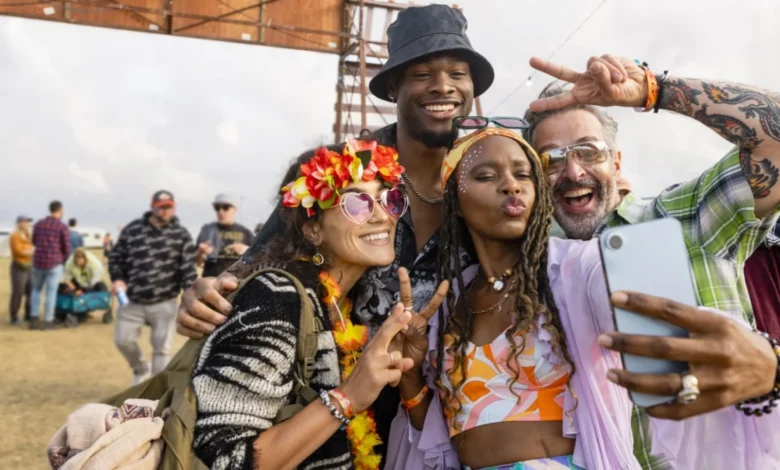
These videos rely on heavy doses of Y2K-adjacent nostalgia: Apple Photo Booth selfies featuring digitally rendered mustache accessories, statement necklaces, flower crowns, denim vests, and the distinct visual aesthetic of wired Apple earbuds. For millennials, these images evoke memories of their late teens and early twenties. However, cultural analysts note that the trend’s most enthusiastic participants are often older Generation Z users who were children during that era.
For these younger digital natives, the early 2010s represent an imagined epoch of earnest hope. It was a time shaped by the sweeping political rhetoric of the Obama administration and an internet culture that felt considerably more personal, less hyper-commercialized, and virtually untouched by modern algorithmic saturation.

"I think millennial optimism invokes a particularly upsetting empty sense of loss in older Gen Zs because it was so aspirational to us," one X user reflected in the lead-up to the midterms. "We saw it in real time but weren’t quite old enough to be there, but it felt like a promised future that never came."
This sense of a "promised future" became a recurring theme. The content associated with millennial optimism captures an era’s collective expectation that positive breakthroughs were just around the corner and that society possessed the tools to achieve them collectively.
Election Night and the Revival of 2010s Culture
The political reality of November 3, 2026, gave this nostalgic daydreaming immediate fuel. When early election returns began indicating major Democratic gains—particularly the unexpected capture of congressional seats in traditional Republican territory—the ironic detachment that typically dominates modern internet culture was briefly swept aside by unbridled sincerity.
Users rushed to resurrect digital traditions from fifteen years prior. Among the most prominent symbols of the resurgence was the Hamilton soundtrack, which originally opened on Broadway during Barack Obama’s second term. Jokes about Lin-Manuel Miranda penning a "new national anthem" to celebrate the midterm outcomes quickly went viral.
Simultaneously, legacy internet brands leaned into the moment. Corporate accounts joined the fray, with BuzzFeed participating in a viral exchange about shifting its branding color scheme to blue, prompting users to declare that the exact architecture of the early internet was making a comeback. In Austin, Texas, videos of post-election club celebrations soundtracked by indie-pop hits from 2012 racked up millions of views, accompanied by captions proclaiming that "millennial optimism is up 10,000,000%."
For voters who had spent years grappling with political fatigue, economic anxiety, and social polarization, the midterm results offered a tangible catalyst. The optimism they had previously viewed through an ironic or melancholic lens suddenly felt accessible once again.

Fact-Checking the Nostalgia: Economic Realities vs. Cultural Memory
While the internet’s rose-tinted glasses have painted the 2008–2014 era as a golden age of hope and progress, historians and sociologists point out that the period was far from idyllic. Millennials coming of age during those years faced immense structural challenges, most notably the devastating aftermath of the 2008 global financial crisis, skyrocketing student loan debt, and a severely depressed entry-level job market.
The juxtaposition between the actual hardships of the Great Recession and the bright, upbeat indie-pop soundtrack of the era highlights a unique coping mechanism. The music, fashion, and political rhetoric of the time functioned not as an accurate reflection of economic stability, but as a psychological antidote to it. The current revival serves a similar purpose: as younger generations face modern housing crises, inflation, and geopolitical instability, channeling the earnestness of the Obama era provides a temporary emotional sanctuary.
Broader Implications and Future Outlook
The sudden surge in millennial optimism following the 2026 midterms raises questions about the intersection of digital culture and political participation. Historically, internet trends are fleeting, driven by algorithms that prioritize rapid virality over sustained engagement. However, the blending of political victory celebrations with deep-seated generational markers suggests that the appetite for earnest, forward-looking political hope is very real.
Whether this cultural enthusiasm will translate into long-term political engagement remains to be seen. The initial wave of viral posts, meme revivals, and indie-rock playlists demonstrates a profound public desire for a return to optimism. Yet, the durability of this movement will ultimately depend on how political actors utilize this renewed energy once the digital confetti settles and the legislative work of the new congressional majority begins. For now, the internet is more than happy to turn up the volume on the past while watching what happens next.