M5 MacBook Pro versus Microsoft Surface Laptop Ultra: A Comprehensive Performance and Hardware Comparison

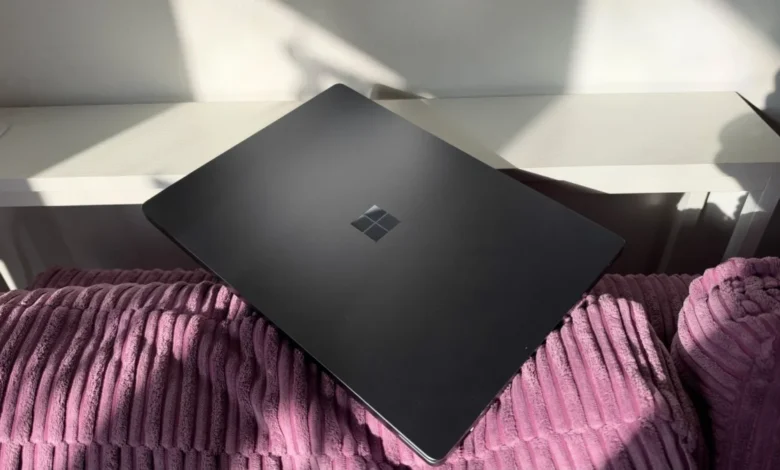
Choosing between the M5 MacBook Pro and the Microsoft Surface Laptop Ultra represents a fundamental decision point for enterprise-grade users, developers, and creative professionals. This choice is no longer merely about selecting between macOS and Windows; it is a choice between two distinct architectural philosophies: Apple’s tightly integrated, power-efficient custom silicon and Microsoft’s embrace of high-performance, AI-optimized hardware powered by Nvidia’s latest architecture. As both companies continue to refine their flagship mobile computing offerings, the competition between the M5-powered MacBook Pro and the RTX Spark-equipped Surface Laptop Ultra highlights the divergent priorities of the two tech giants.
The Evolution of Mobile Computing: A Brief Chronology
The trajectory of these two devices reflects a broader industry trend toward on-device artificial intelligence and specialized silicon. Apple’s transition to its own M-series silicon began in late 2020, fundamentally changing the performance-per-watt landscape for laptops. Since then, Apple has focused on iterative, high-efficiency gains, culminating in the M5 series, which prioritizes thermal management and battery longevity.
Conversely, the Microsoft Surface line has undergone a more turbulent evolution. After years of relying on standard x86 processors, the introduction of the Surface Laptop Ultra marks a significant pivot toward dedicated AI hardware. By integrating Nvidia’s RTX Spark chipset, Microsoft is targeting a demographic that demands high-end GPU performance—specifically for machine learning, local large language model (LLM) execution, and complex 3D rendering. This strategic move by Microsoft serves as a direct challenge to Apple’s dominance in the professional workstation market, aiming to lure developers who require the flexibility of Windows with the raw compute power previously reserved for desktop rigs.
Design and Physical Ergonomics
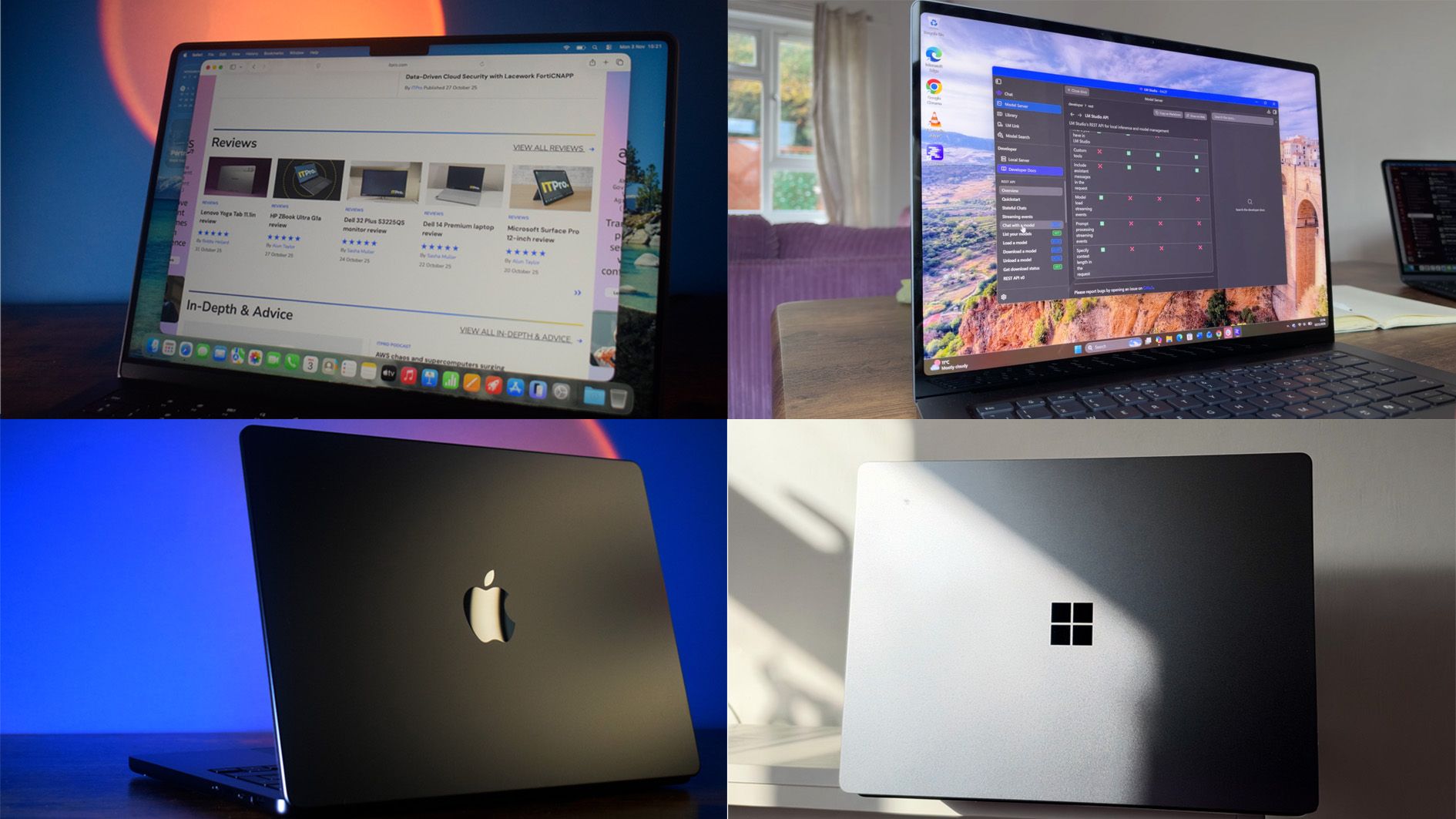
Physical design remains a primary differentiator. The Apple M5 MacBook Pro continues to embody the company’s "thin and light" ethos, measuring just 15.5mm in thickness and weighing 1.55kg. This design choice is engineered for the nomadic professional—consultants, journalists, and remote workers who prioritize portability above all else.
The Surface Laptop Ultra, by comparison, adopts a more utilitarian approach. At 19.16mm thick and weighing 2kg, it is a substantially heavier piece of equipment. While the additional 450g may seem negligible in a vacuum, daily commuters will notice the difference during extended travel. However, the trade-off for this added bulk is connectivity. The Surface Laptop Ultra features a robust array of ports, including a dedicated USB-A 3.1 slot—a rarity in modern premium laptops—alongside an HDMI 2.1b port, a full-sized SD card reader, and three USB-C ports. The MacBook Pro, while relying heavily on its three Thunderbolt 4 ports and MagSafe 3 charging system, lacks the legacy USB-A support that many enterprise environments still rely upon.
Performance Benchmarks and Technical Specifications
When evaluating processing power, the two machines present a study in contrast. In Geekbench 6 testing, the M5 MacBook Pro demonstrates the superior efficiency of Apple’s architecture, particularly in single-core performance, where it achieves a score of 4,248 compared to the Surface Laptop Ultra’s 1,859. This disparity suggests that the MacBook Pro is significantly more responsive for daily tasks such as web browsing, document creation, and application launching.
However, the narrative shifts when examining multi-threaded performance and AI-driven tasks. The Surface Laptop Ultra’s 20-core Nvidia RTX Spark processor yields a multi-core score of 18,771, slightly outpacing the M5’s 17,600. This indicates that for heavy rendering, long-form code compilation, and parallelized data processing, the Surface Laptop Ultra provides a measurable performance advantage. Furthermore, the inclusion of the Nvidia Blackwell RTX GPU provides the Ultra with a specialized edge in local AI workloads, allowing users to run complex LLMs on-device without relying on cloud-based API calls—a critical feature for developers working with sensitive data.
Display Fidelity and Color Accuracy
For creative professionals, the display remains the most vital interface. The MacBook Pro features the Liquid Retina XDR display, which continues to set the industry standard for color accuracy. Laboratory tests confirm that the MacBook Pro offers 99.7% coverage of the sRGB color gamut and an impressive 85.8% coverage of the Adobe RGB space. This makes it an ideal tool for print-grade color work and professional photo editing.
The Surface Laptop Ultra’s 15-inch PixelSense touchscreen is no slouch, offering a sharp 3270 x 2180 resolution and a 120Hz refresh rate. While it performs admirably with 94.7% sRGB coverage, its 65.6% Adobe RGB score places it behind the MacBook Pro for specialized design tasks. However, the Surface does offer the benefit of touch-screen interactivity, which remains a polarizing but useful feature for certain digital artists and project managers who prefer a tactile workflow.
The Battery Life Paradigm
The most glaring discrepancy between the two devices is battery longevity. In standardized testing—involving a looped 1080p video playback at 170cd/m2 brightness in airplane mode—the M5 MacBook Pro delivered a staggering 20 hours and 32 minutes of continuous operation. This level of endurance effectively allows a user to complete a full workday and a long-haul flight without ever reaching for a power adapter.
The Surface Laptop Ultra, while impressive by Windows standards, managed only 12 hours and 41 minutes. When utilizing the screen’s full HDR capabilities, this figure dropped below the 10-hour mark. This reinforces the long-standing divide between Apple’s proprietary silicon, which is optimized for power efficiency, and the more power-hungry x86/Nvidia configurations utilized in the Microsoft ecosystem.

Broader Implications for the Enterprise
The competition between these two devices signals a broader shift in corporate IT procurement. For organizations where employees are highly mobile and rely on cloud-based applications, the M5 MacBook Pro offers a compelling "set it and forget it" experience, characterized by best-in-class battery life and a premium display.
Conversely, the Microsoft Surface Laptop Ultra is clearly positioned for the "power user" segment of the enterprise. By providing a platform that excels in multi-threaded workflows and offers native support for advanced GPU-accelerated AI tasks, Microsoft is catering to the evolving needs of data scientists, machine learning engineers, and software architects. The inclusion of Windows 11 Pro further secures its place in traditional corporate environments that require deep integration with Active Directory, specialized legacy software, and granular security management tools.
Conclusion: The Strategic Choice
Ultimately, the choice between these two machines depends on the specific requirements of the user’s professional role. If the priority is mobility, long-lasting battery performance, and high-fidelity display work, the M5 MacBook Pro remains the definitive market leader. Its refined architecture and seamless macOS integration make it an ideal choice for the vast majority of mobile professionals.
However, for those whose workflows are defined by intense computational demands, such as local AI training, heavy data compilation, or complex 3D modeling, the Microsoft Surface Laptop Ultra provides the necessary overhead that the MacBook Pro cannot match. The physical trade-offs—increased weight and shorter battery life—are the costs of entry for the raw, specialized power of the RTX Spark platform. As both companies continue to iterate, the gap in performance will likely narrow, but for now, the choice remains clear: the MacBook Pro is the pinnacle of efficient mobile computing, while the Surface Laptop Ultra stands as a high-performance workstation for the AI-first era.