Creative XF1 Desktop Stereo Speaker System Review: High-Resolution Audio Meets Compact Desktop Engineering

The desktop audio landscape has long forced
consumers into a frustrating compromise: either settle for tinny, integrated monitor speakers that rob music of its depth, or invest in bulky, expensive bookshelf monitors that swallow up precious desk space and require external amplification amplifiers. Enter the Creative XF1, a bi-amped desktop stereo speaker system retailing for $179 (£139 / AU$339). Designed to bridge the gap between affordability, space-saving engineering, and genuine hi-res audio capability, the XF1 attempts to rewrite the rules of what personal workspace audio can achieve.
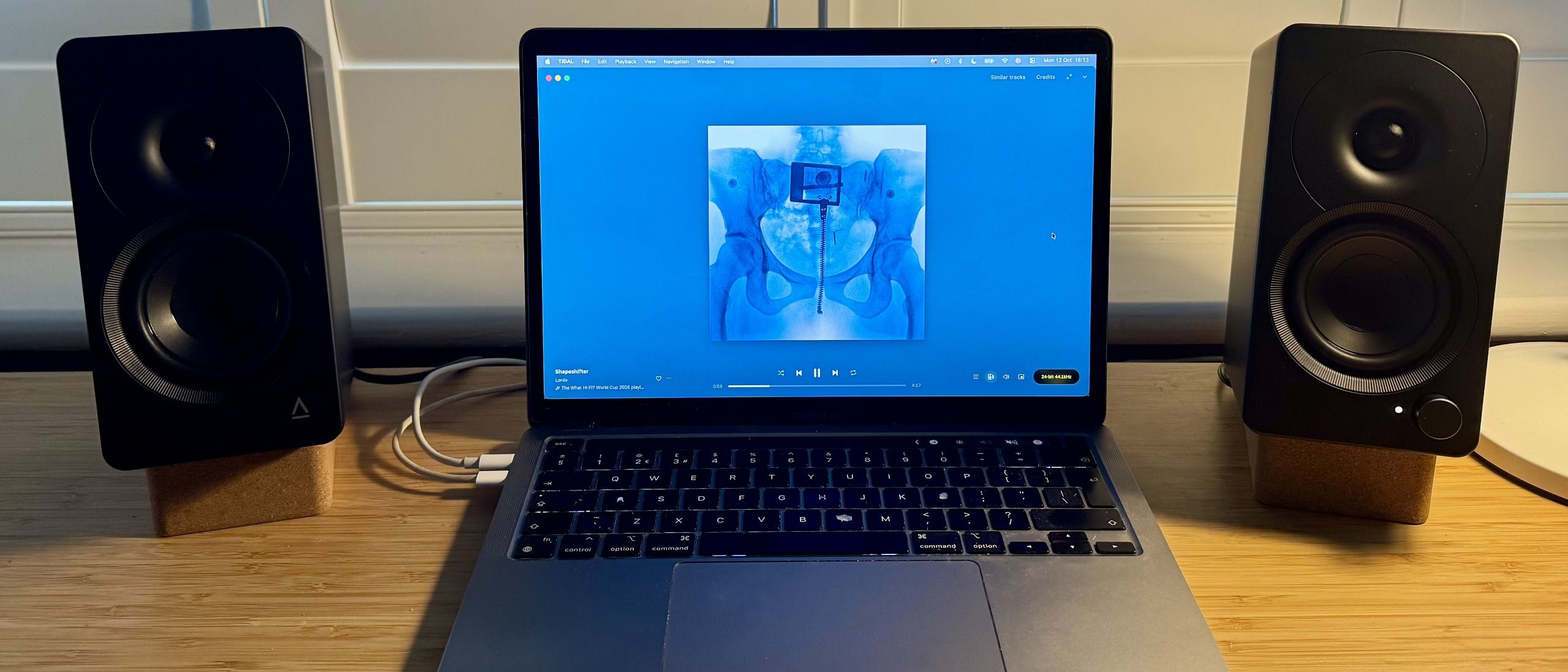
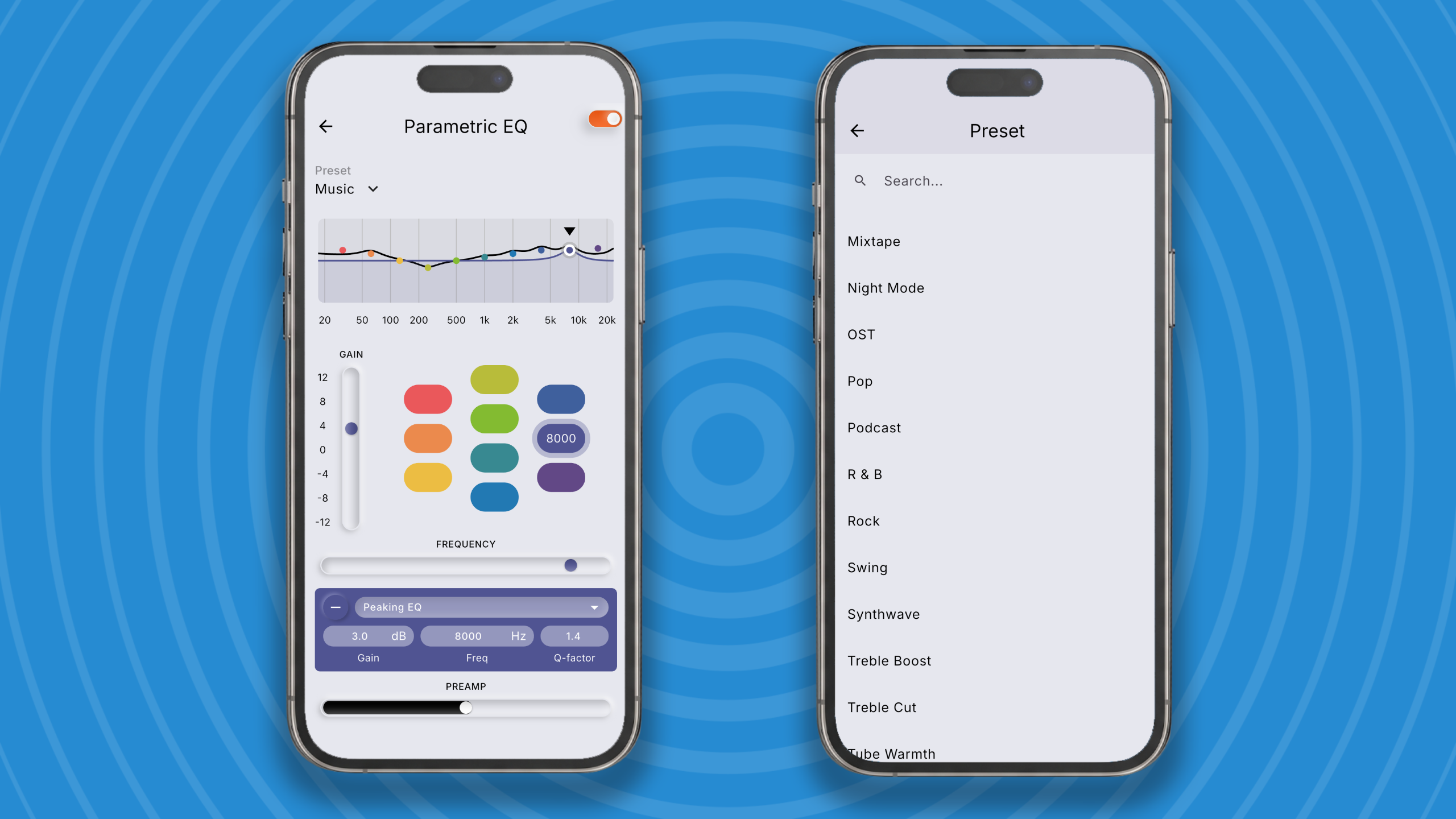
At first glance, the system might appear deceptively casual, particularly when paired with its included 15-degree cork isolation wedges. Yet, beneath its matte black or white molded medium-density fiberboard (MDF) chassis lies a surprisingly robust hardware configuration. Delivering a total of 72 watts of power across a bi-amped arrangement, the XF1 integrates modern digital-to-analogue conversion (DAC) capabilities, high-end Bluetooth codec support, and extensive parametric equalization (PEQ) controls via a companion mobile application.
Pricing, Global Availability, and Market Positioning
Released to global markets as a direct solution for audiophiles, remote workers, and gamers working with limited surface areas, the Creative XF1 commands a competitive price point. In the United States, the system is priced at $179, while UK consumers can purchase it for £139, and Australian buyers will find it listed at AU$339.
In the current consumer electronics ecosystem, finding a dedicated, active stereo speaker system with built-in high-resolution USB-C decoding at this price point is exceedingly rare. Traditional British hi-fi alternatives, such as the renowned Ruark MR1 series, command prices that are more than double the XF1’s asking price. While mass-market competitors like the Logitech Z407 offer subwoofers and lower price tags, they frequently sacrifice the acoustic poise, midrange articulation, and precise driver integration that specialized audio manufacturers like Creative strive to deliver.
Comprehensive Hardware Specifications and Physical Design
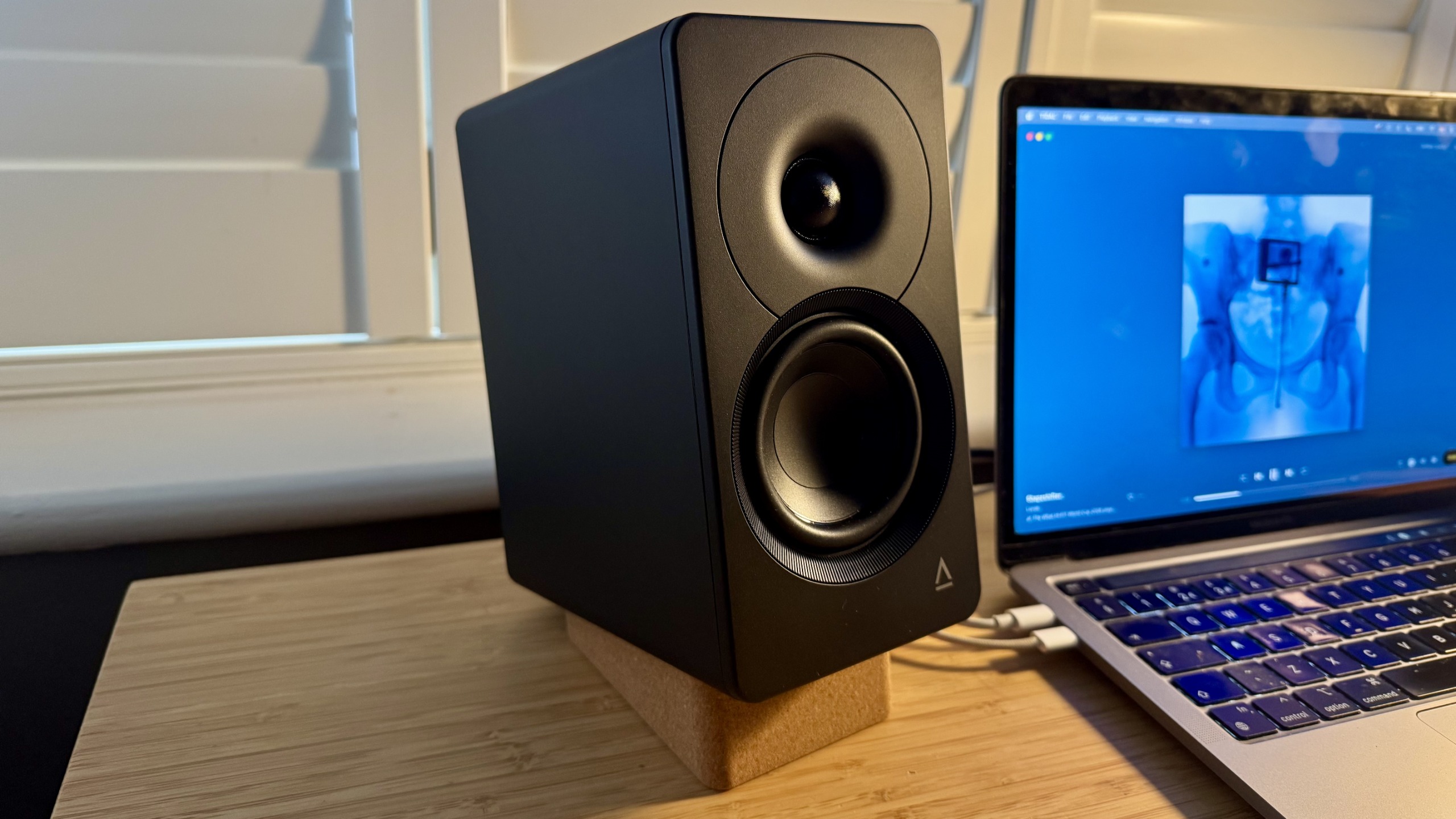
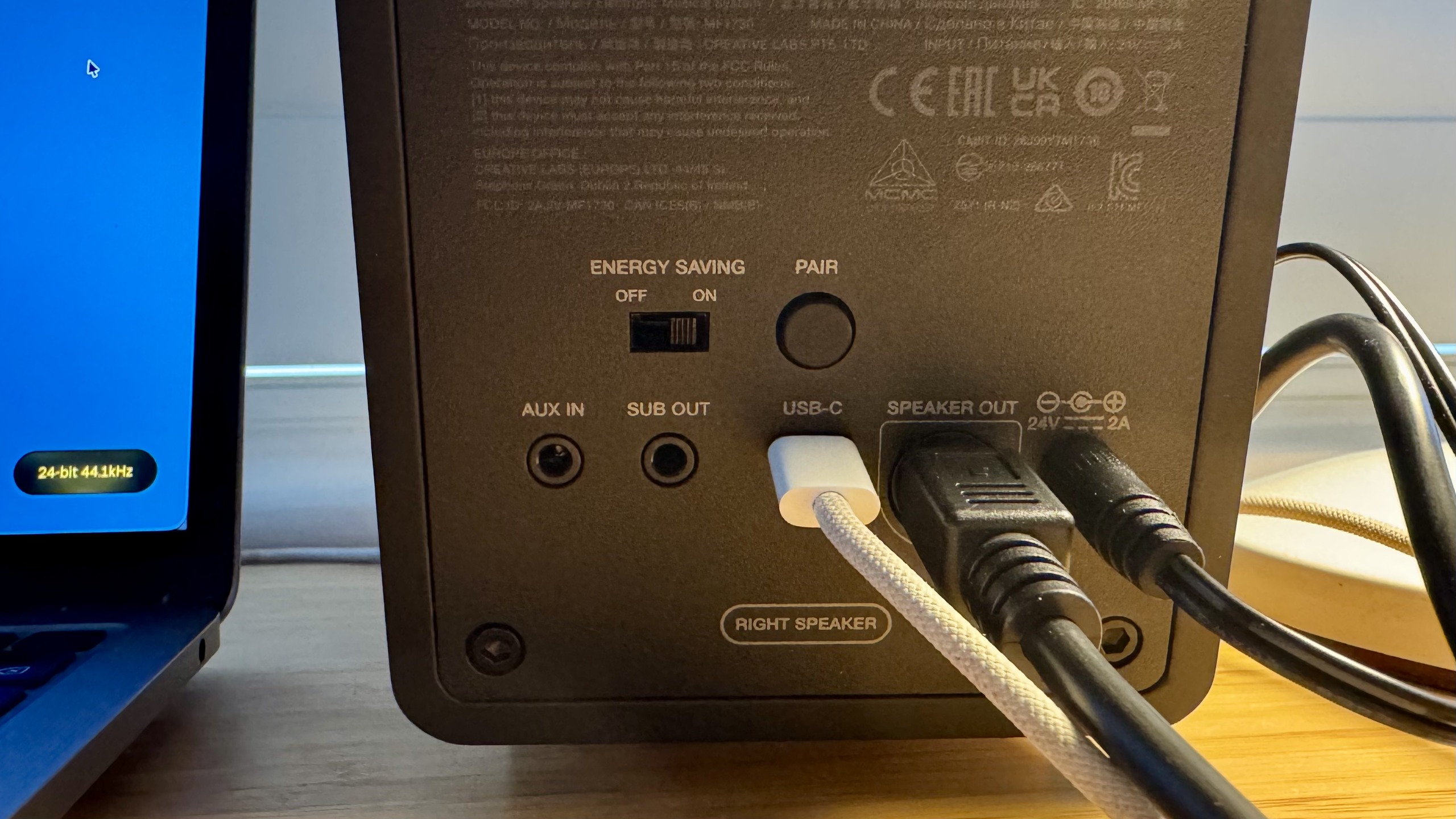
Measuring a compact 191 x 100 x 155mm (HxWxD), the XF1 is engineered specifically to maximize acoustic output while minimizing its physical footprint. The right speaker acts as the master hub, housing the primary control circuitry, power supply connections, and all physical inputs. Audio data and power are transmitted to the passive left channel via a proprietary four-pin umbilical cable, ensuring a clean aesthetic layout across the desktop.
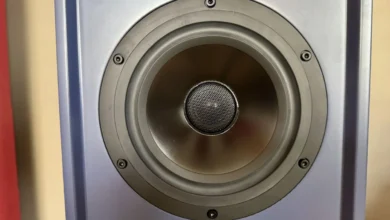
The acoustic architecture utilizes a bi-amped Class D amplification block. Each 19mm soft-dome tweeter is driven by 10 watts of dedicated power, while each 76mm mid/bass driver—optimized using finite element analysis (FEA) to minimize distortion—receives 26 watts. A rear-facing, upper-cabinet bass reflex port assists the drivers in achieving a stated frequency response ranging from 55Hz to 40kHz.
Connectivity options are surprisingly versatile for a system of this size. The rear panel features a USB-C port capable of natively decoding digital audio files up to 24-bit/96kHz resolution, alongside a standard 3.5mm analog line-level auxiliary input. Wireless streaming is handled via Bluetooth 6.0, complete with support for high-end codecs including LDAC, alongside the standard SBC and AAC formats. Additionally, Creative has included a dedicated subwoofer pre-out for users wishing to augment the low-frequency output, an energy-saving auto-standby toggle switch, and a physical pairing button.
Acoustic Performance and Real-World Listening Evaluation
Assessing the audio reproduction of the Creative XF1 reveals a performance profile characterized by impressive midrange clarity, expansive soundstage generation, and dynamic composure, tempered by minor limitations at the frequency extremes.
When evaluated using high-resolution digital files—such as a 24-bit/44.1kHz FLAC recording of Lorde’s Shapeshifter via the USB-C connection—the speakers punch well above their weight class. The physical scale of the sound generated by these compact cabinets is startling, creating a believable, three-dimensional soundstage even when the listener is seated mere inches away. Midrange communication is a distinct strength; vocals are rendered with individualistic character, capturing subtle variations in tone, timbre, and texture without sounding congested.
Dynamic headroom is another pleasant surprise. Complex musical passages, movie sound design, and gaming audio shifts are handled with steady composure. The tonal balance remains stable during sudden volume transitions, maintaining clear separation between quiet and intense sonic elements.
However, the system is not without sonic compromises. At the lower end of the frequency spectrum, the XF1 delivers admirable physical weight but lacks ultimate control. Bass notes can occasionally sound slightly lumpy or one-note, lacking the intricate texture and rhythmic momentum found in the midrange. Furthermore, the treble response from the soft-dome tweeters can occasionally lean toward over-enthusiasm on harsh recordings, though this can be mitigated using the system’s software adjustments.
Switching to wireless Bluetooth streaming introduces a minor, expected reduction in fine detail retrieval and stereo focus, yet the connection remains robust and entirely suitable for casual daily listening.
Software Integration and Customization via Creative Nexus
Usability is streamlined through a combination of physical hardware controls and software applications. The front baffle of the master right speaker features a single push-turn control dial coupled with an LED indicator, managing power states, volume levels, and input source switching.
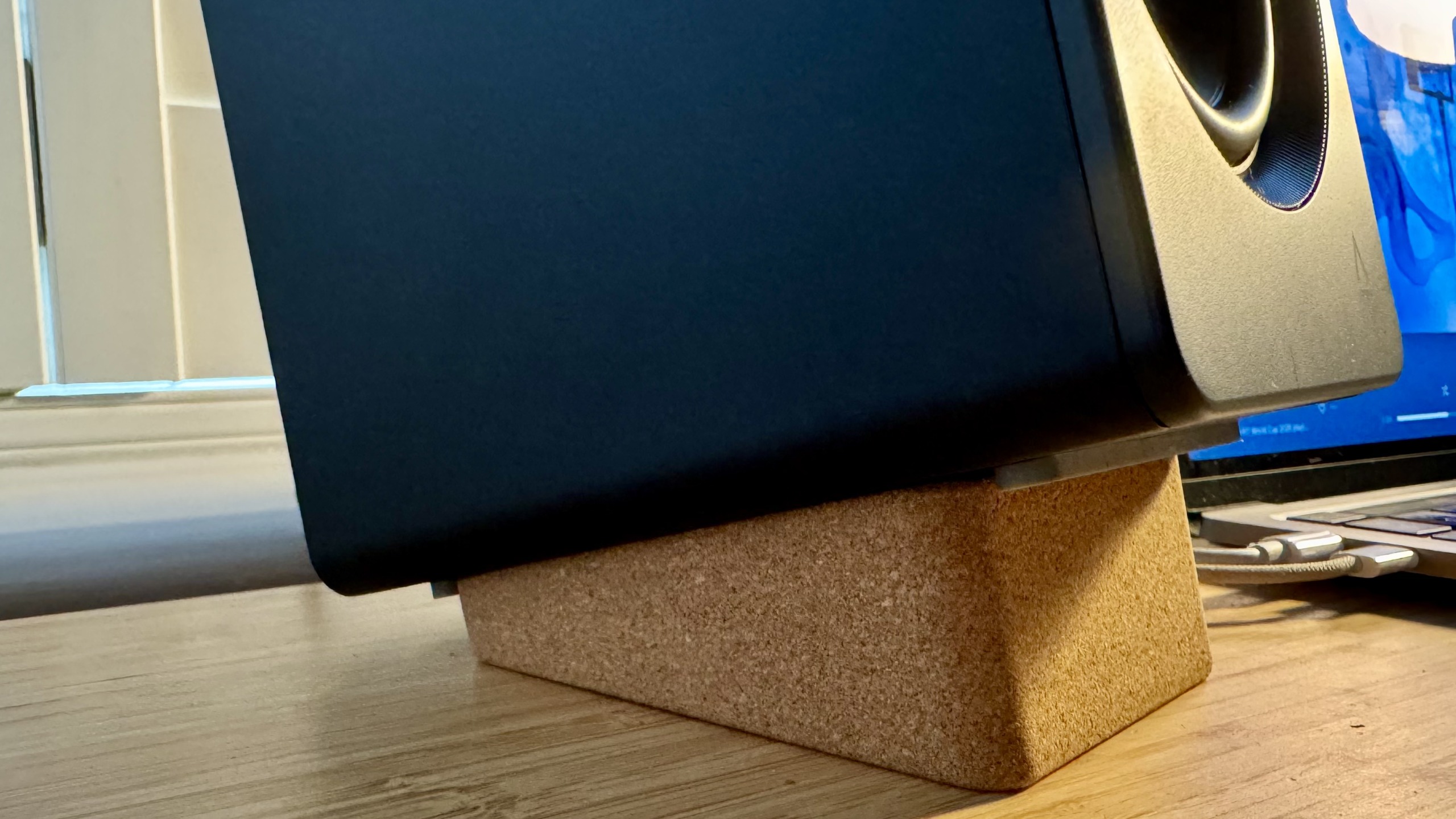
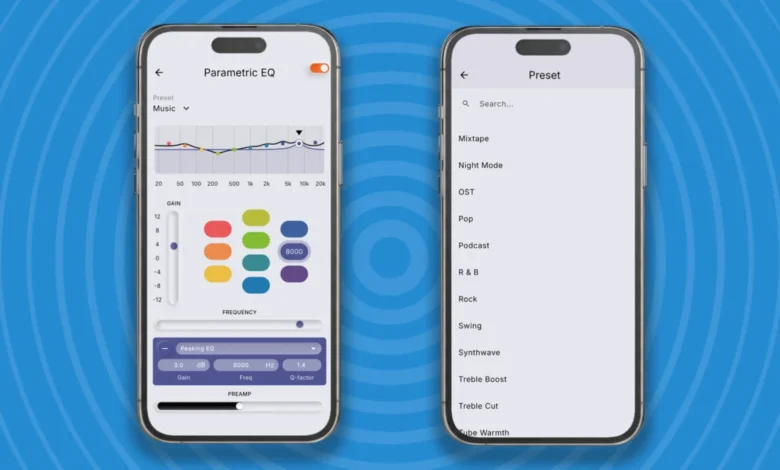
For deeper audio customization, users can download the Creative Nexus companion application. While the app lacks direct media playback controls, it provides access to essential firmware updates, desktop placement optimization toggles, and a powerful 10-band parametric equalizer (PEQ). This PEQ grants users granular control over the sound signature, offering both custom user-generated profiles and a vast library of manufacturer- and community-designed presets to tailor the audio output to individual preferences.
Industry Implications and Verdict
The introduction of the Creative XF1 highlights an ongoing shift in the consumer electronics market toward high-resolution desktop audio solutions that do not require complex, multi-component hi-fi stacks. By packing bi-amped Class D power, 24-bit/96kHz USB-C decoding, and advanced wireless codecs into a sub-$200 enclosure, Creative has delivered a product that caters effectively to modern remote professionals, content creators, and multimedia enthusiasts.
While purists seeking absolute low-frequency neutrality or thunderous sub-bass extension may need to look toward larger floor-standing monitors or add an external subwoofer using the dedicated pre-out, the XF1 excels where it matters most for desktop users. Its combination of smart physical engineering, thoughtful acoustic accessories like the cork isolation wedges, and extensive software EQ tuning makes it an exceptionally strong contender in the modern personal audio market.