Wharfedale Denton 1S Review: A Modern-Retro Triumph in Passive Loudspeaker Design

The audiophile market has long wrestled with a paradox: how to reconcile the romantic, vintage aesthetic of mid-century high-fidelity audio equipment with the demanding acoustic performance expectations of the twenty-first century. While numerous legacy speaker manufacturers have attempted to bridge this generational divide by reissuing iconic designs from their archives, many of these efforts have leaned too heavily into pure nostalgia, sacrificing modern engineering rigor for historical novelty. Wharfedale, a titan in British loudspeaker manufacturing with a history spanning over nine decades, has navigated this tightrope walk more successfully than most through its acclaimed "Heritage" series. However, the introduction of the Wharfedale Denton 1S represents a distinct departure from previous nostalgic revivals, offering a sophisticated, forward-thinking reinterpretation of a 1974 classic that prioritizes contemporary performance without abandoning its historical lineage.
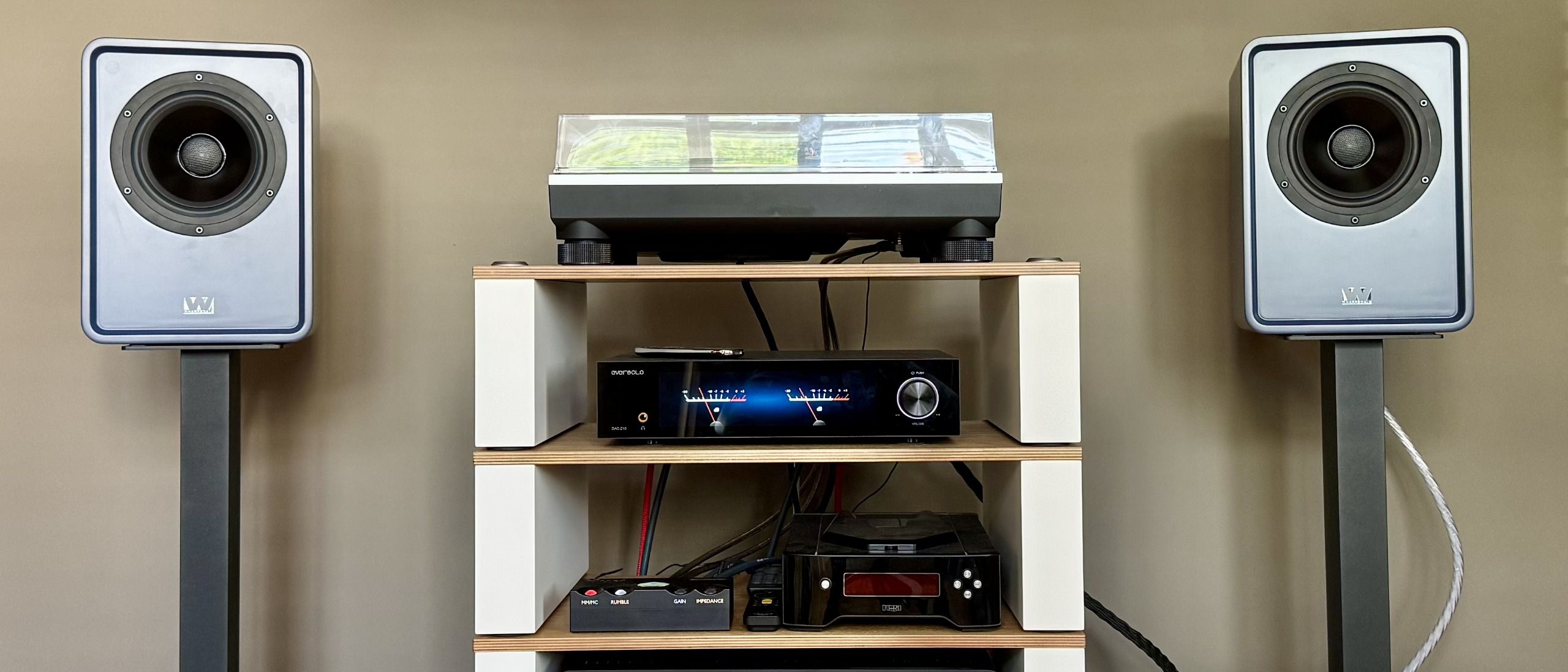
Priced at $999 in the United States, £649 in the United Kingdom, and approximately AU$1,699 in Australia, the Denton 1S enters a fiercely competitive tier of the passive standmount loudspeaker market. At this price point, consumers are presented with a wealth of alternatives, including the DALI Sonik 1 and Cambridge Audio’s acclaimed active L/R S systems. Yet, through a combination of meticulous acoustic engineering, premium materials, and a striking "modern-retro" visual identity, the Denton 1S establishes itself not merely as a tribute to its predecessor, but as a formidable, highly competitive stereo speaker in its own right.
Evolution of a Classic: The Heritage and the Engineering
To understand the significance of the Denton 1S, one must examine the lineage of the original Denton line introduced in the 1970s. The 1974 Denton 1 was conceived during an era when consumer electronics designers were actively experimenting with futuristic materials and forward-thinking industrial layouts. However, the original model relied heavily on moulded polyurethane for its cabinet construction—a material that, while visually striking for the period, introduced distinct acoustic limitations that compromised sonic purity.
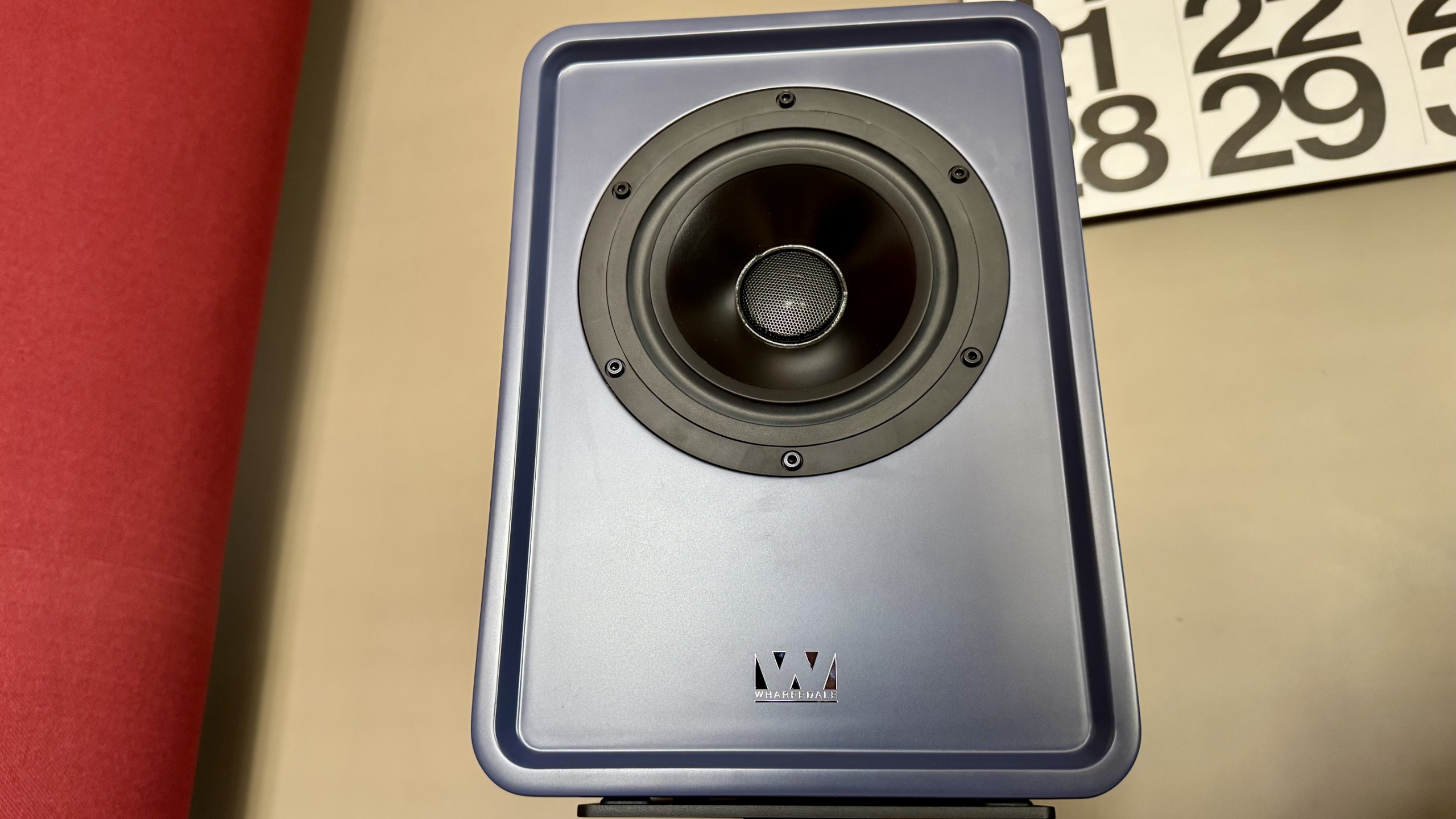
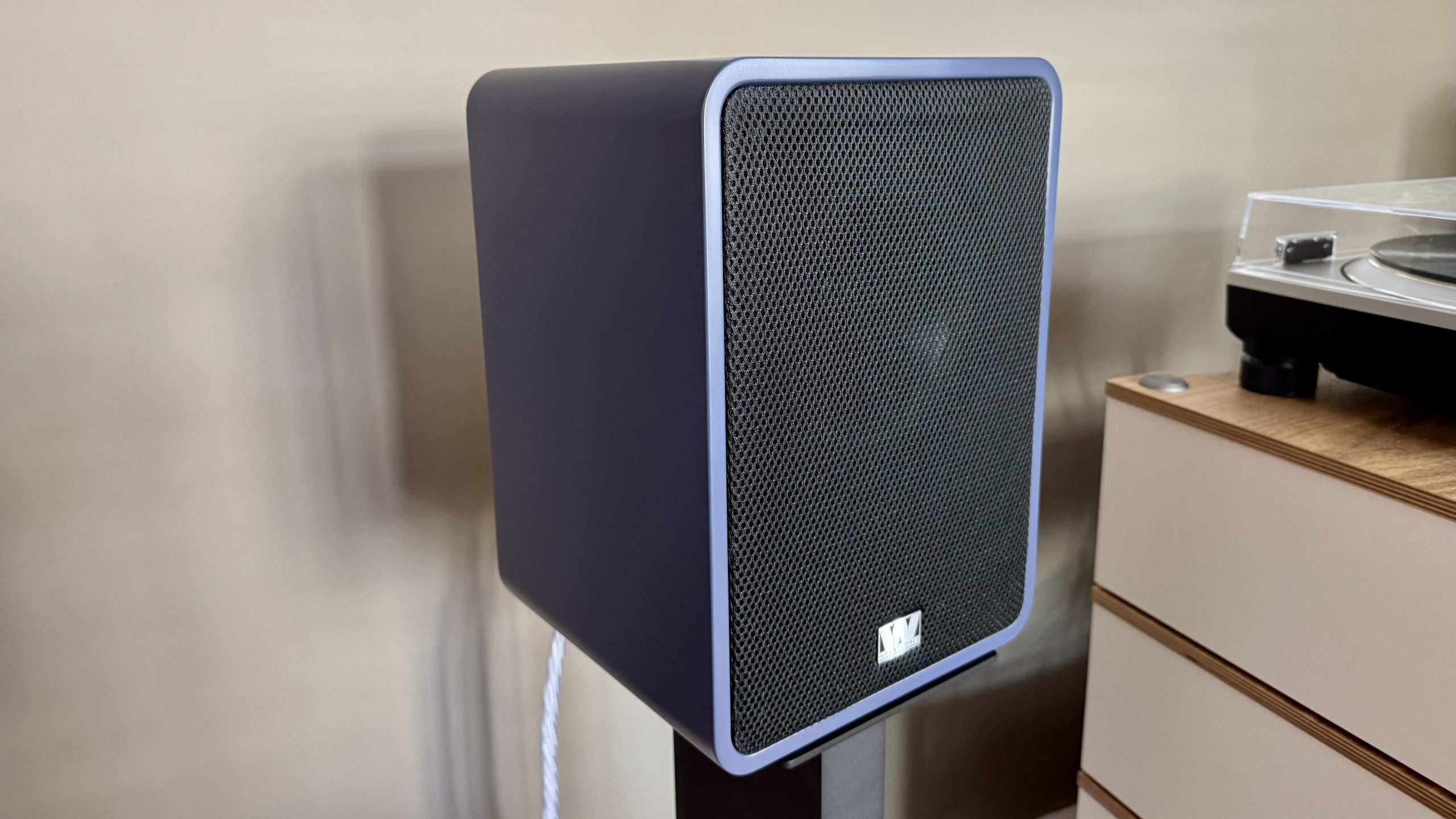
Wharfedale’s contemporary engineering team approached the Denton 1S with a mandate to capture the spatial and visual philosophy of the 1974 design while rectifying its material shortcomings. The result is a cabinet constructed from densely bonded and internally braced fibreboard, a material chosen for its superior resonance-damping properties. This rigid enclosure is paired with the same iconic curved contours and recessed front baffle that defined the original aesthetic, particularly shining in the stark white finish which evokes the late-1960s and early-1970s industrial futurism championed by designers like Dieter Rams. Alongside standard black and white, the speaker is also offered in a deep, sophisticated blue finish that enhances its visual presence in modern listening spaces.
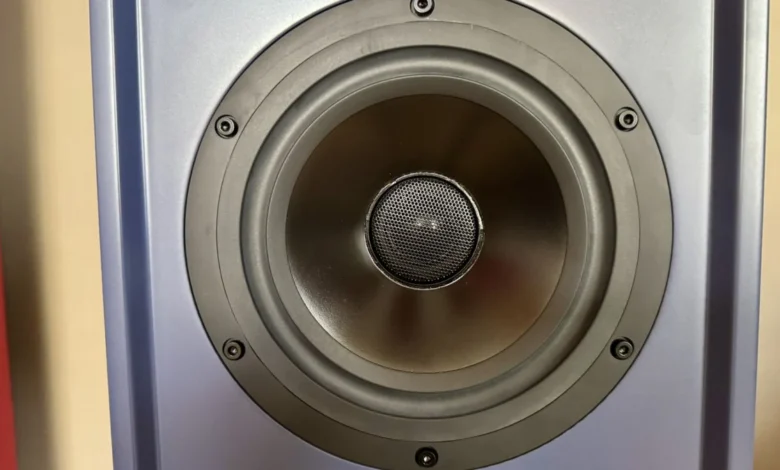
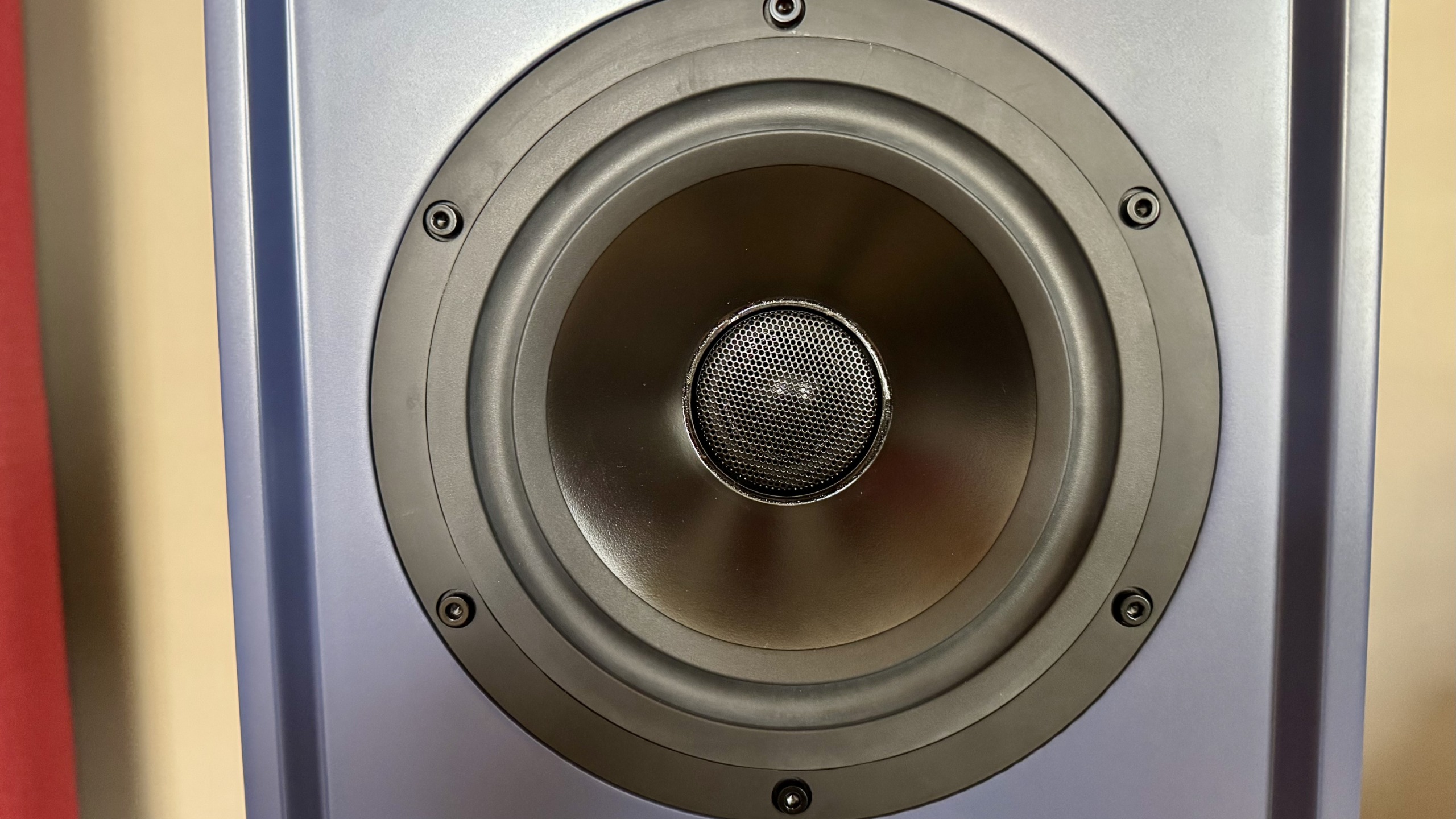
The most profound technological advancement in the Denton 1S, however, lies in its acoustic architecture. Unlike its predecessor, the Denton 1S features a true coaxial driver arrangement. A 25mm soft-dome tweeter is positioned precisely at the acoustic center of a 165mm polypropylene mid/bass driver. This coaxial configuration is designed to achieve superior time-alignment and seamless driver integration, ensuring that high and low frequencies arrive at the listener’s ear simultaneously. The front-firing drivers are further supported by a rear-facing bass reflex port, enabling the speaker to deliver a quoted frequency response of 50Hz to 20kHz alongside an encouraging sensitivity rating of 88dB, making the speakers remarkably forgiving and easy to drive for modest amplification systems.
Acoustic Performance and Sonic Character
In practical listening evaluations, the Wharfedale Denton 1S quickly dispels any notion that it is a superficial pastiche. Testing across a diverse array of source material—ranging from minimalist electronic soundscapes like Kiasmos’s Looped to complex, multi-layered art-rock compositions such as Roxy Music’s Re-make/Re-model—reveals a presentation characterized by organization, confidence, and abundant detail.
The coaxial driver layout delivers immediate dividends in stereo imaging and focus. Recordings are projected with a tangible sense of unity and togetherness, creating a convincing illusion of a live performance even with studio-mastered tracks. The soundstage, while deliberately intimate rather than cavernous, is meticulously defined and rigorously structured. Listeners seeking to fill aircraft hangars or sprawling loft apartments with sound may find the outright scale somewhat modest relative to the cabinet size, but for standard residential listening spaces, the scale is more than adequate.
The tonal balance leans fractionally toward the warmer side of neutral, supported by a minor emphasis on the lowest frequencies. While this warm bias means the speakers pair best with amplifiers that are not overly bottom-heavy, the low-end control remains impressively taut, allowing complex rhythms to be expressed with high fidelity and coherence. Midrange resolution is another standout strength; human voices are rendered with exceptional clarity, capturing the subtle emotional nuances, timbre, and technical execution of vocalists. At the upper frequencies, the soft-dome tweeter attacks with determination while avoiding any trace of harshness, edginess, or listening fatigue.
Usability, Customization, and Flexibility
Wharfedale has incorporated practical adaptability into the Denton 1S to accommodate diverse domestic environments. Thanks to the coaxial driver design and integrated fittings for wall brackets, the speakers are structurally optimized not only for traditional vertical placement on dedicated stands, but also for horizontal orientation or wall-mounting.
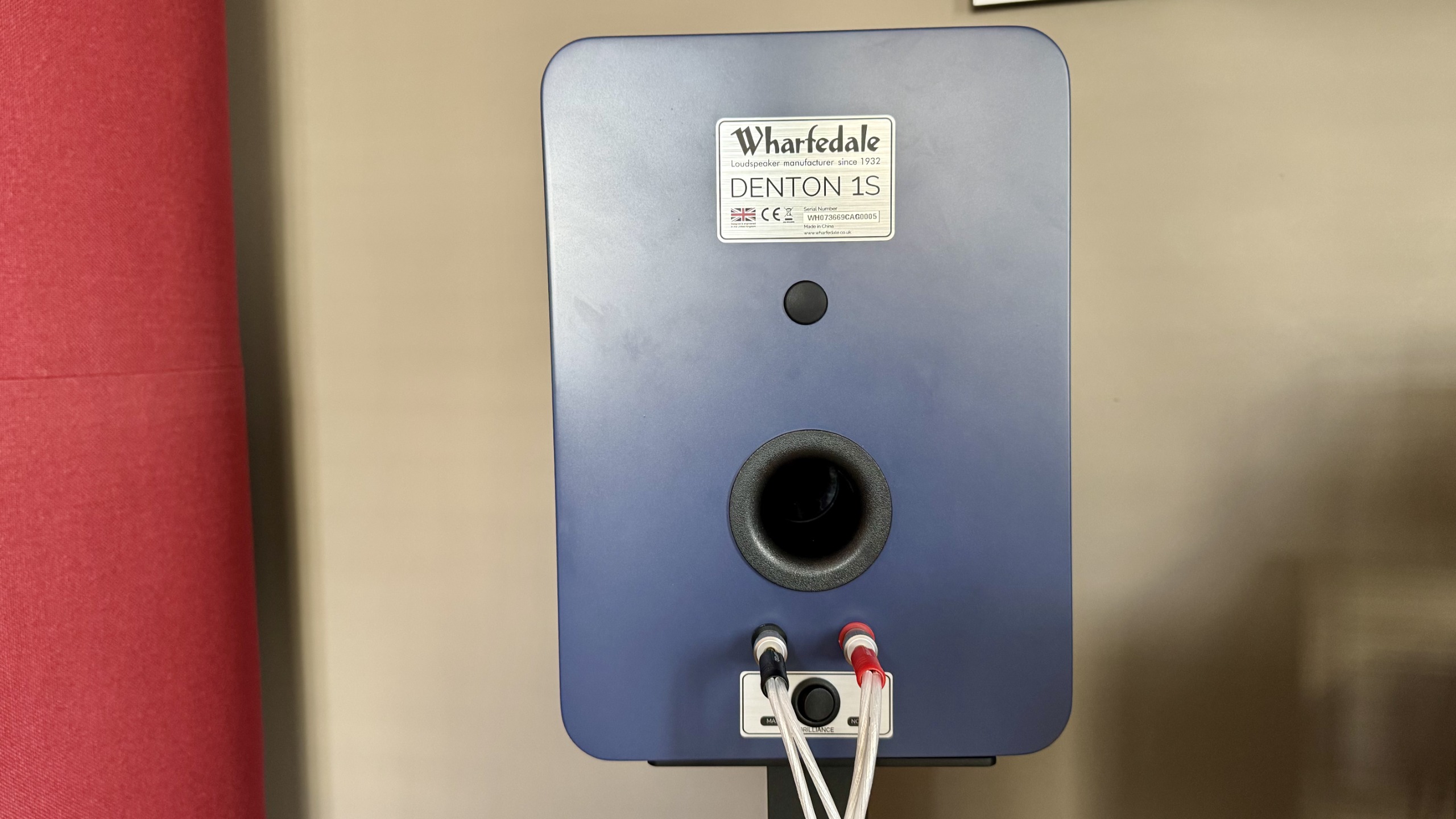
A notable hardware inclusion is a small "brilliance" control switch located on the rear panel of each cabinet. Labeled between "norm" and "max," this switch addresses the acoustic challenges of rear-firing bass ports. Placing a speaker close to a boundary wall naturally boosts low-frequency presence, which can sometimes overwhelm the mix. Flipping the switch to the "max" setting applies a 1.5dB boost to the 2kHz to 4kHz region, allowing upper frequencies to maintain balance and clarity against an emboldened low end. Furthermore, magnetically attached grilles sit flush within the recessed front baffle, offering a seamless visual transition with minimal impact on overall sound dispersion.
Market Implications and Competitive Landscape
The release of the Wharfedale Denton 1S highlights a broader industry trend where traditional audio manufacturers leverage their heritage to capture younger demographics interested in physical media and retro-modern interior aesthetics. At $999 / £649 / AU$1,699, the Denton 1S occupies a sweet spot in the market, undercutting high-end audiophile exotica while offering a level of physical craftsmanship and acoustic refinement that surpasses budget alternatives.

While competitors such as the DALI Sonik 1 offer smaller footprints and lower price tags, and the Bowers & Wilkins 606 S3 provide alternative perspectives on refinement and punch, the Denton 1S carves out a distinct niche. It combines the tactile warmth of a bygone era with modern engineering precision, offering a compelling proposition for enthusiasts who demand high fidelity without compromising on style or spatial economy. As consumer demand for authentic, beautifully crafted analog and passive audio gear continues to surge, the Wharfedale Denton 1S sets a high benchmark for what modern-retro loudspeaker design can achieve.