LG UltraGear Evo 39GX950B-B Review: A Monumental Leap in 5K2K OLED Gaming Displays

The consumer electronics and high-performance PC hardware market has long anticipated a display that seamlessly bridges the gap between cinematic ultrawide immersion and uncompromising pixel density. LG Electronics has stepped forward to answer that demand with the official release of the LG UltraGear Evo 39GX950B-B. Positioned at the absolute bleeding edge of monitor technology, this 39-inch powerhouse combines a staggering 5K2K resolution with cutting-edge panel architecture. However, its arrival also highlights the escalating costs and hardware demands facing modern desktop enthusiasts.
Evolution of the Panel: 4th-Gen Tandem OLED Technology
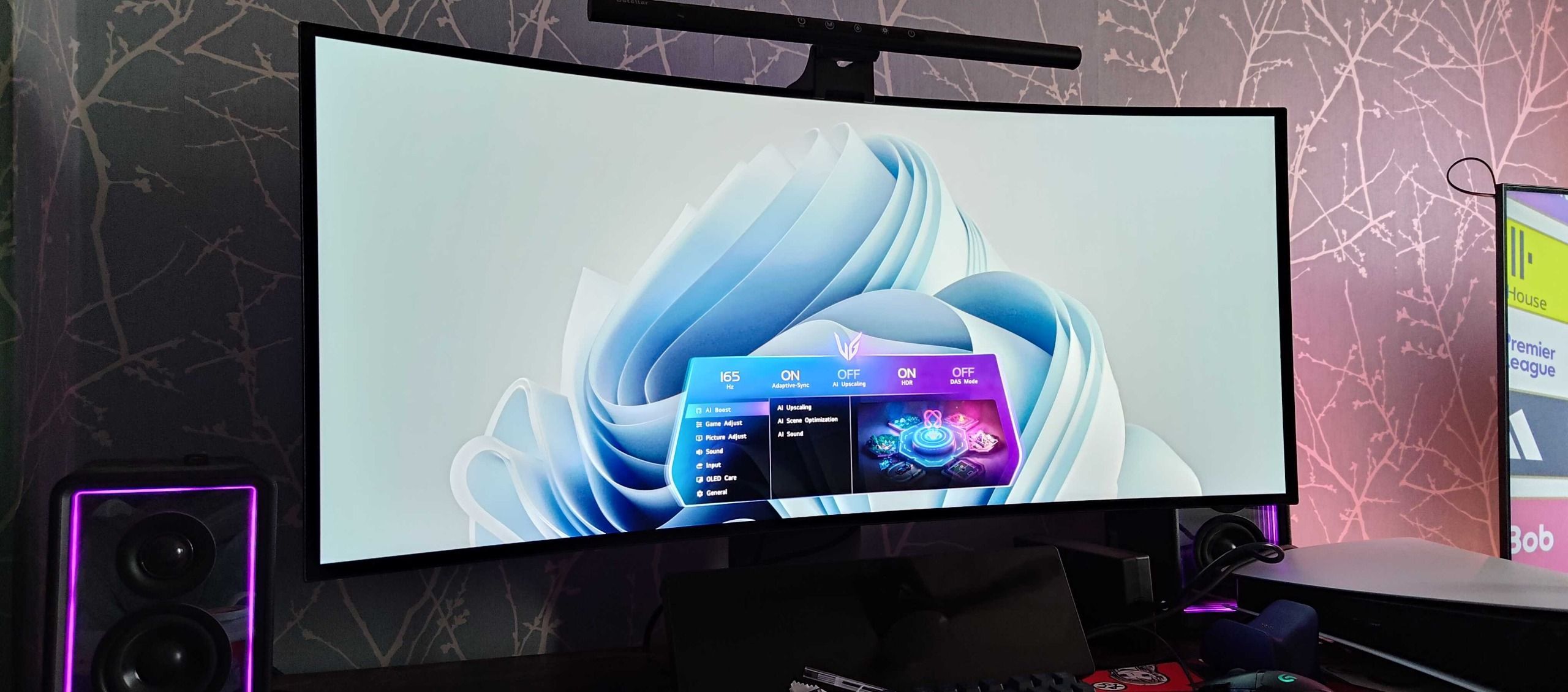
At the heart of the LG UltraGear Evo 39GX950B-B lies a state-of-the-art 4th-generation tandem OLED panel. Historically, Organic Light-Emitting Diode displays have faced persistent engineering hurdles, most notably lower sustained brightness levels compared to traditional LCDs and a susceptibility to burn-in during static UI workloads. The introduction of tandem OLED architecture—which stacks multiple emitting layers together—fundamentally addresses these limitations.
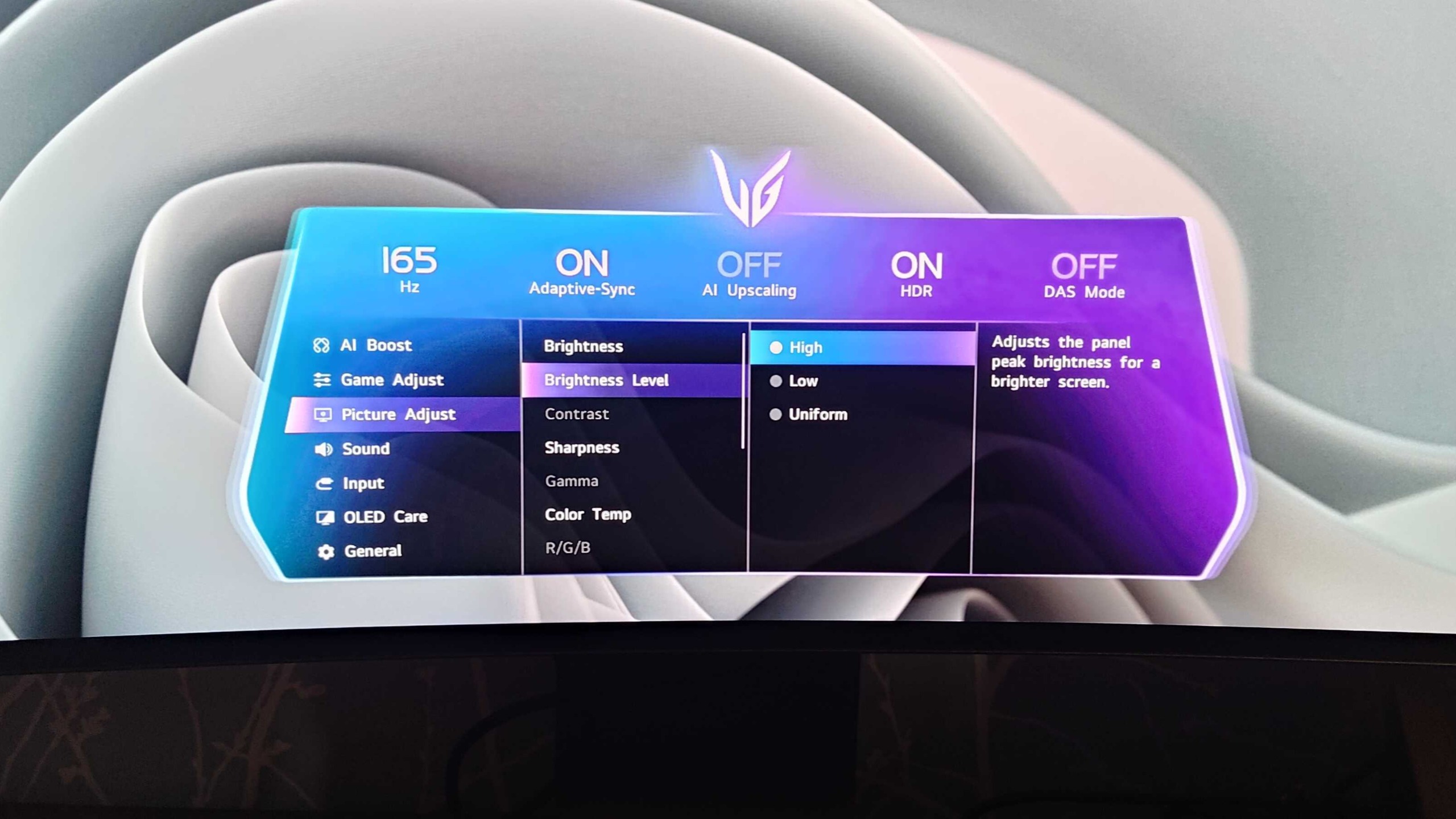
This technological leap allows the 39GX950B-B to achieve peak HDR brightness levels reaching up to 1,500 nits in small highlights, outperforming many predecessor models while maintaining superior energy efficiency. Furthermore, the panel boasts an astonishing contrast ratio of 1,850,000:1, delivering absolute blacks that elevate visual fidelity across richly detailed games and cinematic media.
Unlike its larger 45-inch counterpart, the 39-inch form factor of this monitor yields a significantly higher pixel density of 143 Pixels Per Inch (PPI), up from the 83 PPI found on older 45-inch ultrawide iterations. This sharp increase in pixel density ensures that text clarity, intricate foliage, and complex character models are rendered with pristine crispness, neutralizing traditional concerns regarding subpixel layouts on wide-format displays.
Resolution and Hardware Implications: The 5K2K Burden
The 39GX950B-B utilizes a 5K2K resolution of 5120×2160, maintaining a cinematic 21:9 aspect ratio. While this configuration provides an expansive field of view that drastically increases immersion, it places a massive computational burden on the host computer. Operating at 5K2K means pushing roughly 33% more pixels than a standard 4K display.
Consequently, industry analysts and hardware reviewers emphasize that unlocking the monitor’s full potential requires top-tier graphics processing power. Running native resolutions with maximum settings and advanced rendering techniques like path tracing demands high-end GPUs—such as an Nvidia GeForce RTX 4080 Super, RTX 5070 Ti, or superior hardware. For gamers utilizing mid-range systems, maintaining high frame rates at native resolution becomes heavily reliant on upscaling technologies like Nvidia DLSS or AMD FSR.
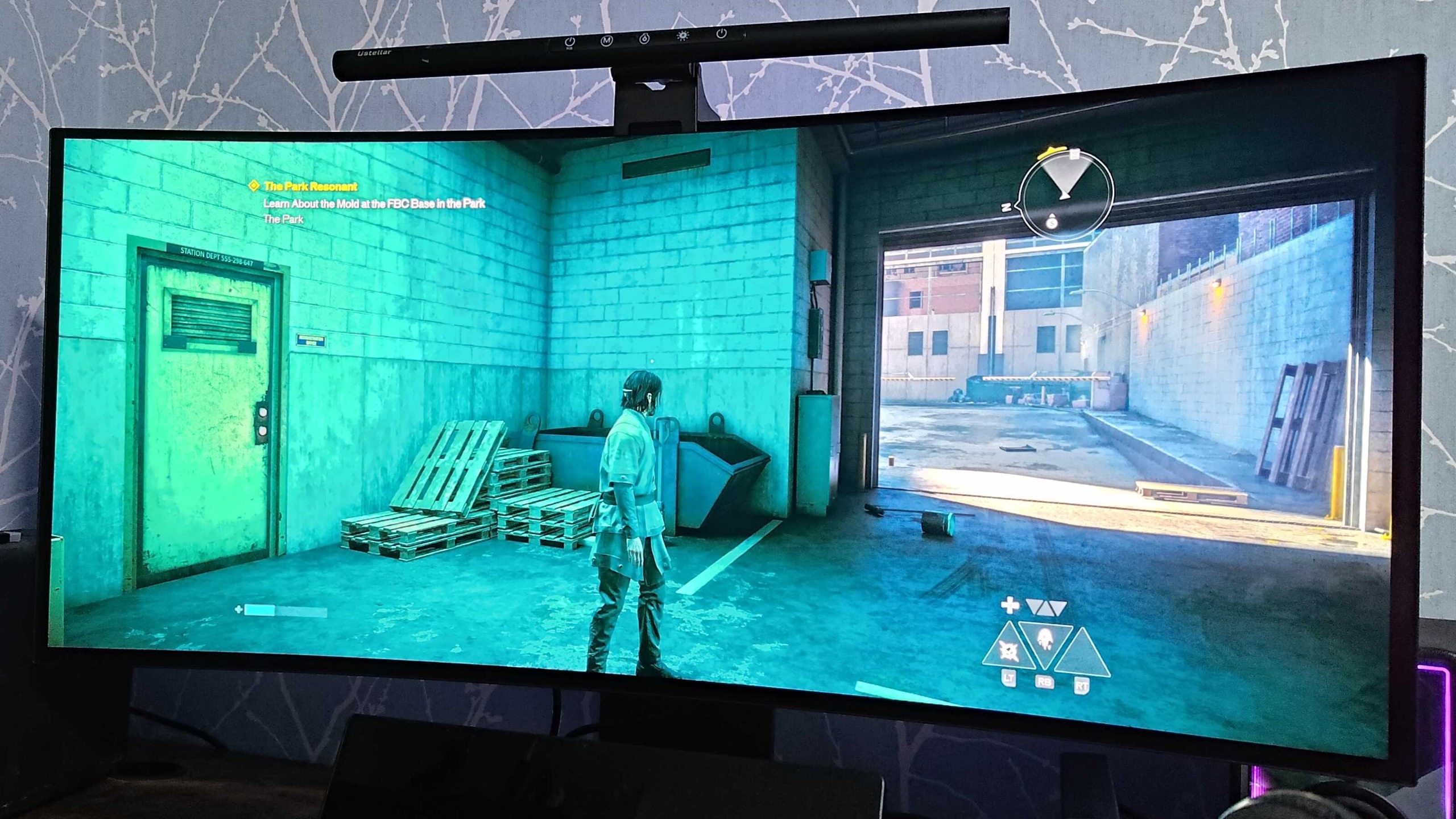
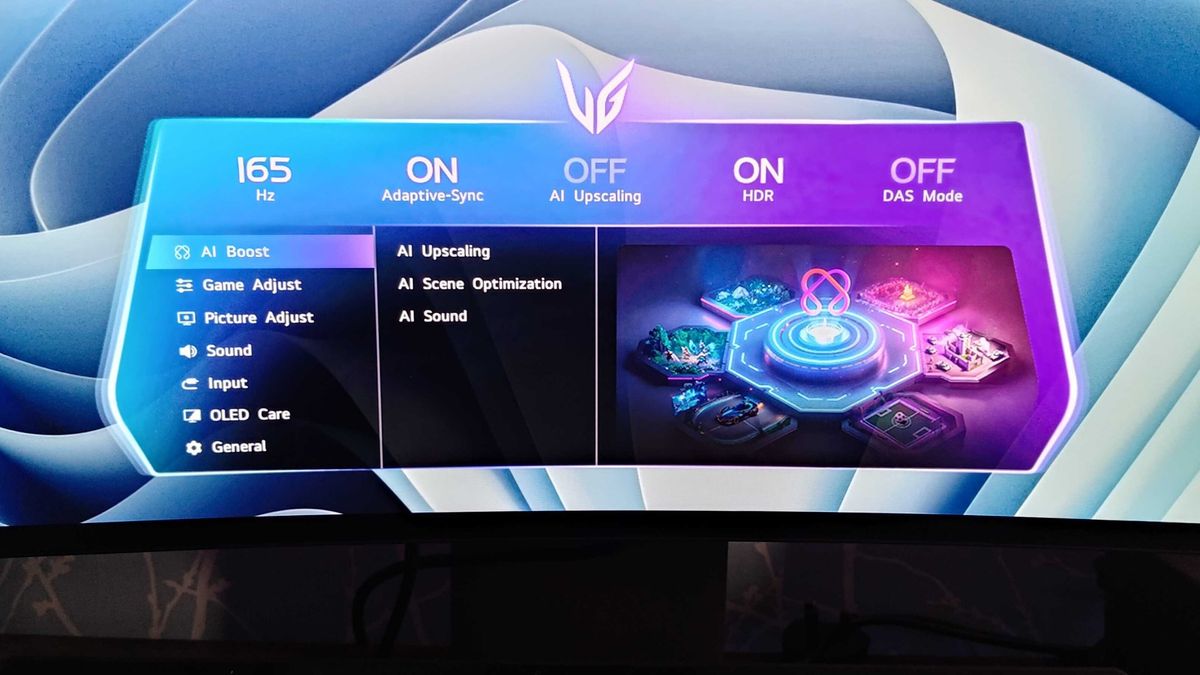
To mitigate this hardware bottleneck, LG has integrated innovative onboard features, including a Dual Mode functionality and native AI upscaling. The Dual Mode allows users to drop the resolution down to 1080p (2560×1080) while simultaneously boosting the refresh rate to an ultra-smooth 330Hz. This mode caters directly to competitive esports and multiplayer enthusiasts who prioritize high frame rates and minimal input latency over maximum graphical fidelity. Additionally, the display’s internal AI upscaling engine automatically processes non-native input signals—such as feeds from current-generation home consoles—and scales them up to match the monitor’s native 5K2K canvas.
Design, Ergonomics, and Thermal Management
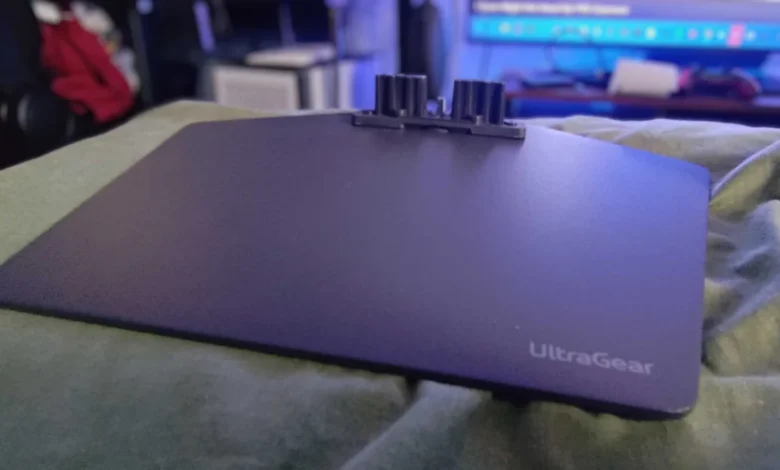
In terms of physical design, the UltraGear Evo series continues to refine the aesthetic and ergonomic standards expected of high-end gaming hardware. The monitor ships with a robust, heavy-duty stand that offers comprehensive adjustability, featuring smooth height, tilt, and swivel modifications. For users looking to reclaim desk space, the unit remains fully compatible with standard VESA mounting arms.
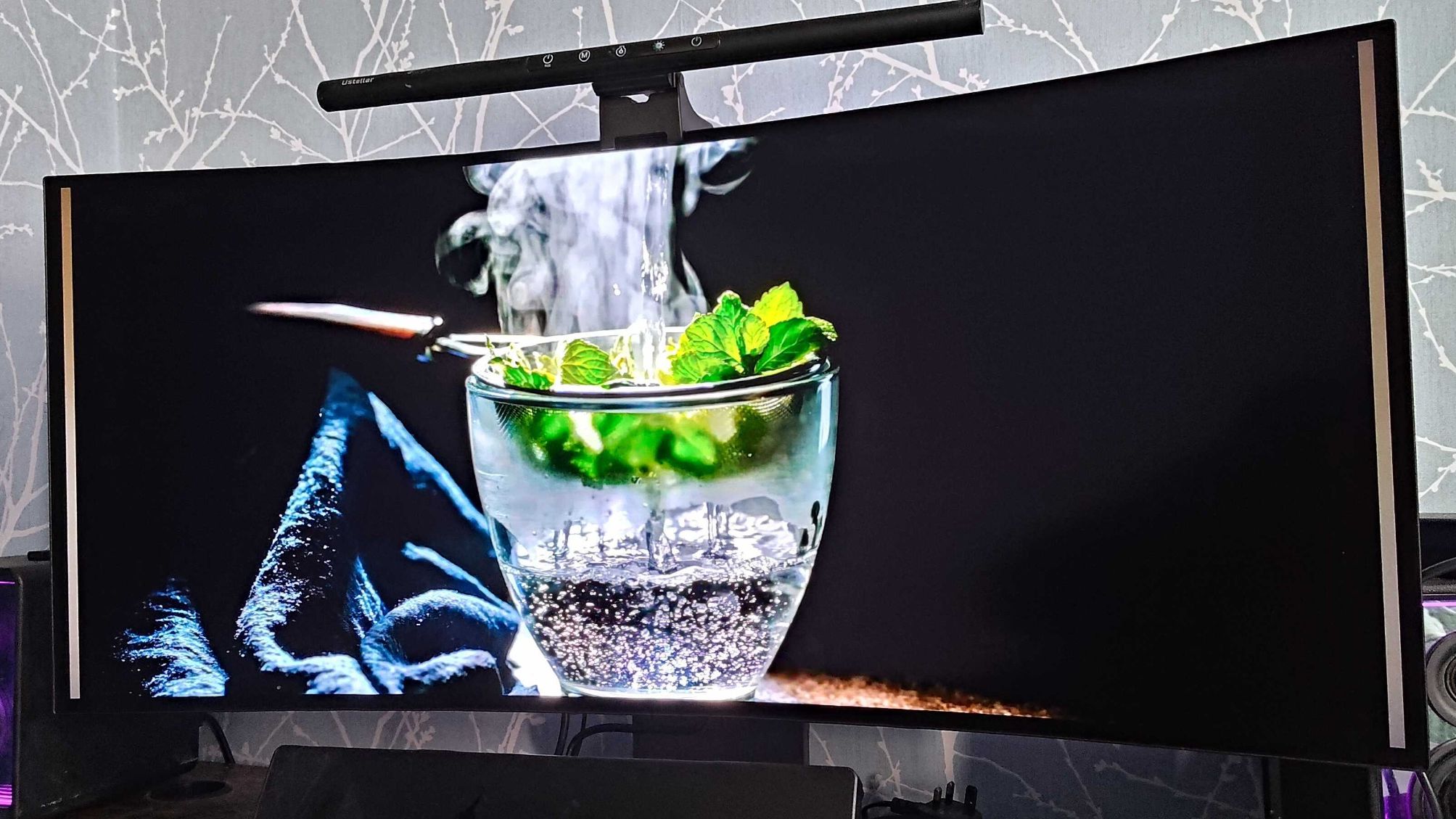
A notable design choice by LG is the implementation of a matte, anti-glare screen coating rather than a glossy finish. While glossy panels often provide a perceived boost in color vibrancy and perceived contrast, they can be highly prone to disruptive reflections in sunlit office spaces or brightly lit rooms. LG’s anti-glare solution successfully diffuses ambient light without significantly compromising the inherent depth of the OLED panel.
Connectivity options are comprehensive, highlighted by a DisplayPort 2.1 port, two HDMI 2.1 ports, multiple USB-A downstream ports, and a versatile USB-C port supporting DisplayPort Alternate Mode and 90W Power Delivery. The inclusion of 90W power delivery makes the monitor an effective docking station for modern laptops and productivity devices. Furthermore, built-in 7W stereo speakers offer practical audio utility, particularly for console gamers utilizing hardware lacking standard Bluetooth audio integration.
However, the immense density of 11 million pixels combined with high peak brightness output results in notable thermal dissipation. Prolonged multi-hour gaming and productivity sessions generate noticeable heat across the chassis, a physical trade-off for running high-luminance, high-resolution organic display technology.
Pricing Pressures and Competitive Landscape
Despite its technical brilliance, the primary hurdle facing the LG UltraGear Evo 39GX950B-B is its market positioning and retail pricing. Launching with a recommended retail price of $1,799.99 / £1,599.99 (approximately AU$2,799), the monitor occupies an exclusive luxury tier.
This high cost of entry is further complicated by direct market competition. Alternative offerings, such as the Alienware AW3926QW, provide comparable 5K2K specifications and similar core advantages at a more aggressive price point starting around $1,099 / £999 / AU$1,999. In a broader PC hardware climate already feeling the economic pressures of component pricing fluctuations and memory supply constraints, asking consumers to invest nearly $1,800 on a monitor alone—before accounting for the mandatory GPU upgrade required to drive it—creates a significant financial barrier.
Industry Implications and Verdict
The release of the LG UltraGear Evo 39GX950B-B marks a definitive milestone in PC display engineering. By successfully scaling 5K2K resolution down to a manageable 39-inch footprint while implementing 4th-generation tandem OLED panels, LG has set a new benchmark for visual immersion, contrast, and HDR performance.
For uncompromising enthusiasts with the financial means to support its heavy computational requirements, the 39GX950B-B stands as one of the finest gaming and entertainment displays ever engineered. Yet, its elevated price tag and the stiff competition from more affordable alternatives mean that mass-market adoption will likely hinge on future pricing adjustments and the broader generational democratization of high-end graphics hardware.