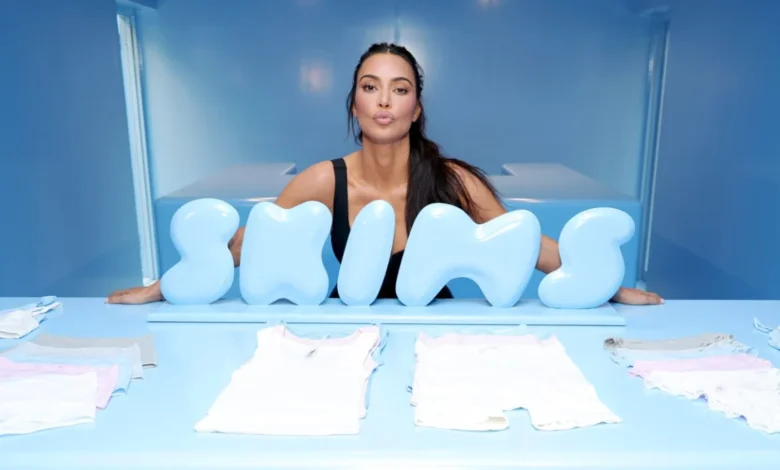
The intersection of luxury marketing, influencer culture, and consumer expectations collided violently in late 2026 when Kim Kardashian’s shapewear and apparel giant, Skims, faced an unprecedented wave of digital backlash over its holiday merchandise. What was intended to be a festive, exclusive offering for the brand’s dedicated consumer base quickly transformed into a public relations crisis, culminating in viral TikTok condemnation, mockery across multiple social media platforms, and a swift corporate retreat that included widespread refund offers.
The controversy highlights the modern peril of experiential commerce in the age of short-form video. When physical products designed for niche fandoms are thrust into the hyper-scrutinized ecosystem of social media unboxings, the disconnect between brand perception and actual value becomes glaringly apparent. For Skims, a company valued in the billions and widely praised for its savvy digital marketing, the advent calendar fiasco serves as a cautionary tale about transparency, consumer psychology, and the unforgiving nature of viral internet culture.
The Genesis of a Holiday Miscalculation
The timeline of the controversy began on October 29, 2026, when Skims officially launched its seasonal Holiday Shop. Among the heavily promoted items was a $148 advent calendar, positioned as a premier luxury gift for the holiday season. Given Skims’ reputation for sleek loungewear, comfortable undergarments, and high-demand collaborative drops, buyers anticipated a curation of miniature apparel items, signature fabrics, or high-end beauty products synonymous with the brand’s identity.
However, a careful examination of the product’s fine print—specifically tucked away under the "Fit & Fabric" dropdown on the product page—revealed a radically different reality. The 12-day calendar did not contain clothing or high-value loungewear. Instead, the contents were entirely restricted to accessories and novelty items. Out of the 12 days, seven were dedicated to hair accessories: two packs of satin scrunchies, two packs of bobby pins, and a pair of headbands constructed from bra elastic. Four doors contained keychains—including one featuring a comb and another holding a fuzzy compact mirror—while the final compartment housed a branded foam squishy toy.

While the product descriptions technically disclosed these items prior to purchase, the $148 price tag set an expectation of luxury and utility that many consumers felt the contents failed to meet. For a brand operating at the premium end of the direct-to-consumer market, paying nearly $150 for items frequently distributed as promotional giveaways or budget-store novelties laid the groundwork for severe consumer dissatisfaction.
The TikTok Catalyst and the Viral Backlash
The friction between corporate presentation and consumer reality reached a boiling point in early November, driven entirely by TikTok creators documenting their daily unboxings.
On November 6, 2026, TikTok creator @wetsloppyswollen published a video documenting the opening of the eighth day of the Skims calendar. Having already unwrapped a teddy bear keychain, hair ties, satin scrunchies, and the foam logo toy, the creator revealed a pack of bobby pins—an identical category to an item opened just four days prior. The video struck a nerve within the digital community, rapidly accumulating 65 million views within a mere 72 hours.
The viral momentum opened the floodgates for dozens of other shoppers and beauty influencers to share their own unboxing experiences. Creator Kayla Ryan, speaking to an audience of 1.6 million followers, openly panned the calendar as "terrible." Users quickly began cross-referencing the Skims product with advent calendars offered by budget-friendly retailers and alternative beauty brands like P. Louise and H&M, drawing unflattering comparisons. Commenters on TikTok and X (formerly Twitter) flooded the comment sections with mockery, dubbing the product a "box of pranks" and colloquially rebranding the company from "Skims" to "Skams." Comparisons to items found underneath couch cushions or at the bottom of a car floor mat became a running internet meme.
Despite the mounting digital outrage, a faction of consumers and high-profile creators attempted to defend the brand. Beauty creator Glamzilla argued that the calendar was designed specifically for die-hard "Skims superfans" who derived joy purely from collecting branded memorabilia, regardless of its utility. Other defenders pointed out that the product was explicitly categorized as an accessories calendar, absolving the company of any deceptive marketing claims. Nevertheless, the nuance of superfan loyalty was largely drowned out by the sheer volume of negative consensus generated by users who felt shortchanged by the steep price point.

Corporate Retraction and Refund Offers
By November 8, just two days after the initial viral video ignited widespread public criticism, Skims executives recognized the severity of the reputational damage and initiated a damage control strategy.
On November 9, a representative for Skims issued an official statement to entertainment and media outlets, acknowledging the shortfall in consumer satisfaction. "We understand that the calendar didn’t meet expectations," the representative stated. Furthermore, the company confirmed that it had proactively reached out to every customer who had purchased the $148 advent calendar, offering them a choice: return the product for a full, unconditional refund, or retain the item while receiving equivalent store credit.
From a logistics standpoint, the offer represented an aggressive attempt to mitigate churn and preserve long-term brand equity. Remarkably, despite the torrential social media backlash, secondary metrics indicated that demand for the product had been exceptionally strong, with the calendar officially selling out prior to the public relations fallout. This paradox underscores the enduring pull of Kim Kardashian’s celebrity branding, which consistently drives high-volume initial sales even when specific product offerings miss the mark.
Broader Implications for Direct-to-Consumer Brands
The Skims advent calendar controversy serves as a valuable case study in modern retail dynamics, offering several clear takeaways for direct-to-consumer (DTC) brands navigating the digital landscape.
First, it demonstrates the absolute transparency required in the social media era. Even when a brand technically discloses product contents via fine print on a website, the modern consumer relies heavily on perceived value and emotional resonance. When a physical product fails to align with the psychological expectations set by a luxury price point, digital communities will quickly coalesce to challenge the brand’s pricing integrity.

Second, the incident emphasizes the speed at which reputation can be impacted by user-generated content. In the span of a single weekend, a localized product grievance scaled into an international news story, forcing a multi-million-dollar enterprise to alter its return policy and issue public apologies. Traditional marketing channels can no longer buffer a brand against the unfiltered critiques of everyday shoppers equipped with smartphones.
Finally, the rapid resolution implemented by Skims—offering full refunds and store credit—illustrates the modern necessity of prioritizing customer lifetime value over short-term revenue protection. By absorbing the financial hit of the returns, the brand sought to neutralize lingering resentment ahead of the crucial holiday shopping window.
As creators and consumers continue to demand authenticity, utility, and tangible value from luxury and celebrity-backed brands, the Skims advent calendar will likely be remembered as a pivotal moment where the realities of influencer-driven commerce clashed directly with consumer wallet power. Moving forward, brands operating within this space must carefully weigh whether novelty items packaged as premium holiday gifts are truly robust enough to withstand the unforgiving spotlight of the digital age.