Fitbit Sense & Versa losing 3rd-party watch faces this month, existing downloads remain

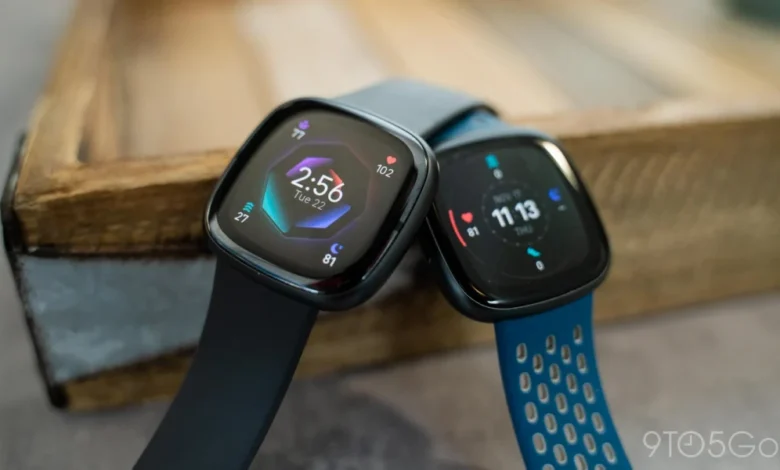
According to an official announcement published by Google via the Google Health support community, owners of legacy and modern Fitbit devices alike will soon lose the functionality required to install or update third-party applications and custom watch faces. The sweeping policy shift directly impacts six major device lines: the original Fitbit Versa, Versa 2, Versa 3, Versa 4, Sense, and Sense 2.
The impending restriction goes into full effect on November 28. Beginning on that date, the Fitbit App Gallery will undergo a radical curation overhaul, shifting away from an open ecosystem to a closed model that will exclusively feature applications and clock faces created directly by Fitbit and Google. While previously downloaded third-party apps and watch faces currently residing on user devices will not be automatically deleted, the ability to manage them moving forward will be severely constrained.
Under the new guidelines, if a user decides to delete a third-party application or watch face, or if they are forced to perform a factory reset on their smartwatch, they will permanently lose the ability to reinstall that content. Furthermore, the November 28 deadline serves as a hard cutoff for third-party developers, who will simultaneously lose the technical infrastructure required to upload new software or push critical updates to existing offerings on the platform.
A Chronology of the Fitbit and Google Integration
To understand the weight of this ecosystem contraction, it is necessary to examine the timeline of Fitbit following its acquisition by Google. The $2.1 billion acquisition deal, first announced in November 2019, faced intense regulatory scrutiny across global markets due to antitrust concerns regarding user health data. Following exhaustive reviews by regulators in the European Union, the United States, and elsewhere, the acquisition was officially finalized in January 2021.

Even before the deal closed, industry analysts widely anticipated that Google would eventually pivot Fitbit’s proprietary operating system, often referred to as Fitbit OS, in favor of Wear OS—the smartwatch platform Google developed in partnership with Samsung. The first major milestone in this hardware strategy arrived in October 2022 with the launch of the Google Pixel Watch, which ran exclusively on Wear OS and integrated deep Fitbit health-tracking capabilities.
Despite releasing the Fitbit Sense 2 and the Fitbit Versa 4 in late 2022, Google opted not to transition these new fitness-focused devices to Wear OS. Instead, the company kept them on the legacy Fitbit OS platform while slowly stripping away advanced smartwatch features. Over the subsequent years, features such as direct third-party music storage, specialized navigation apps, and developer support saw incremental reductions. The November 28 policy change effectively represents the final operational phase-out of the independent Fitbit OS application marketplace.
Supporting Data and Ecosystem Implications
The decision to limit the Fitbit App Gallery to first-party software has profound implications for millions of active users worldwide. Fitbit has historically maintained a massive global footprint in the wearable technology market. According to historical industry tracking data from firms like IDC and Canalys, Fitbit consistently held a top-three position in global wearable shipments for the better part of a decade, trailing only Apple and Xiaomi during peak years.
While millions of units of the Versa and Sense series remain actively worn on wrists globally, the lack of third-party software updates threatens to accelerate device obsolescence. Developers who previously built productivity tools, minor utility games, and customized health dashboards for Fitbit devices must now officially cease maintenance and shift their focus toward Wear OS, watchOS, or other open platforms.
Tech analysts note that while the Sense 2 and Versa 4 continue to be sold through various retail channels, the ongoing reduction of software support raises questions about their long-term viability as modern smartwatches. Critics argue that continuing to market and sell devices running an operating system that is actively being stripped of its core customization features could confuse consumers who expect traditional smartwatch capabilities alongside advanced health metrics.

Official Stance and Developer Reactions
Google has framed the transition as a necessary measure to streamline its health and fitness offerings, focusing its engineering resources on delivering a cohesive, high-performance experience centered around Google services. By restricting the App Gallery to first-party creations, the company aims to optimize battery life, enhance device security, and ensure strict compliance with modern privacy standards—particularly concerning sensitive health and biometric data collected by Sense and Versa hardware.
However, the developer community has expressed widespread frustration regarding the lack of a migration path. Independent developers who invested time and resources into coding for Fitbit OS have voiced disappointment over the abrupt termination of update capabilities. Unlike platforms that provide transition tools or migration bridges to new ecosystems, Google’s policy simply cuts off the existing developer pipeline, rendering years of community-driven software development inaccessible to future device users.
Broader Market Impact and the Future of Wear OS
The winding down of Fitbit OS underscores Google’s aggressive centralization of its hardware strategy. By consolidating its wearable portfolio under the Wear OS banner—anchored by the Pixel Watch series and partnered with brands like Samsung—Google is attempting to mount a more formidable challenge to Apple’s dominance in the smartwatch market.
For consumers, the message is increasingly clear: the era of the dedicated, standalone Fitbit smartwatch ecosystem is coming to a close. Future wearable innovations from the company are expected to bear the Google badge and rely on the robust, app-rich environment of Wear OS. Meanwhile, legacy owners of the Sense and Versa lineups face a static future, where their hardware will function strictly as a fitness tracker and health monitor, devoid of the evolving third-party application ecosystem that once defined the modern smartwatch experience.