Honor 700 Series Set to Debut with Innovative Rear-Display Health Monitoring Capabilities

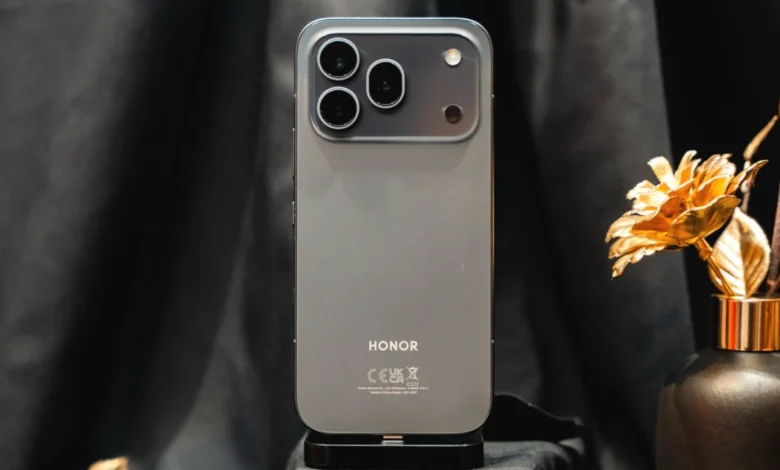
Honor has officially confirmed that it will host a major product launch event on November 13 in China, where it is expected to unveil the much-anticipated Honor 700 series. The upcoming smartphone lineup is generating significant industry interest not only for its updated internal hardware but for a specialized implementation of secondary display technology. While rear-facing screens have appeared on various flagship devices over the past few years, Honor appears to be pivoting toward practical utility rather than aesthetic flair, integrating advanced health-monitoring sensors into a secondary panel located on the device’s rear housing.
The Chinese smartphone manufacturer has been rapidly accelerating its release cycles to maintain competitiveness in a saturated mid-range market. Following the release of the Honor 600 series in April, the swift introduction of the 700 series underscores the company’s intent to maintain a dominant footprint in the mid-to-high-tier smartphone segment. Industry analysts suggest that this strategy is aimed at capturing market share from competitors like Xiaomi and Vivo, both of which have experimented with secondary display configurations in their own premium lineups.
Technical Specifications and Design Philosophy
Leaked information corroborated by industry tipsters such as Digital Chat Station suggests that the Honor 700 series will feature a 6.5-inch primary display characterized by extremely narrow bezels, adhering to the industry’s shift toward bezel-less, immersive viewing experiences. However, the most distinctive hardware element remains the integrated rear display.
Unlike the larger, secondary touch-sensitive panels found on devices like the Xiaomi 17 Pro or 18 Pro, Honor’s implementation appears to be more compact. Preliminary teasers indicate that the display is designed to serve as a notification hub, a portal for mini-games, and—most significantly—a diagnostic tool. The inclusion of an "industry-exclusive" feature, as hinted at in recent marketing materials, has been widely interpreted as the capability to monitor biometric data.
Reports from sources close to the development process suggest that the rear screen can display real-time heart rate (BPM) and blood oxygen levels. The technical consensus is that Honor has likely utilized an in-display sensor embedded beneath the rear screen, similar to the optical sensors found in modern smartwatches and fitness trackers. By placing a finger over this specific area on the back of the phone, users can obtain quick vitals without needing a wearable device.
Chronology of Development
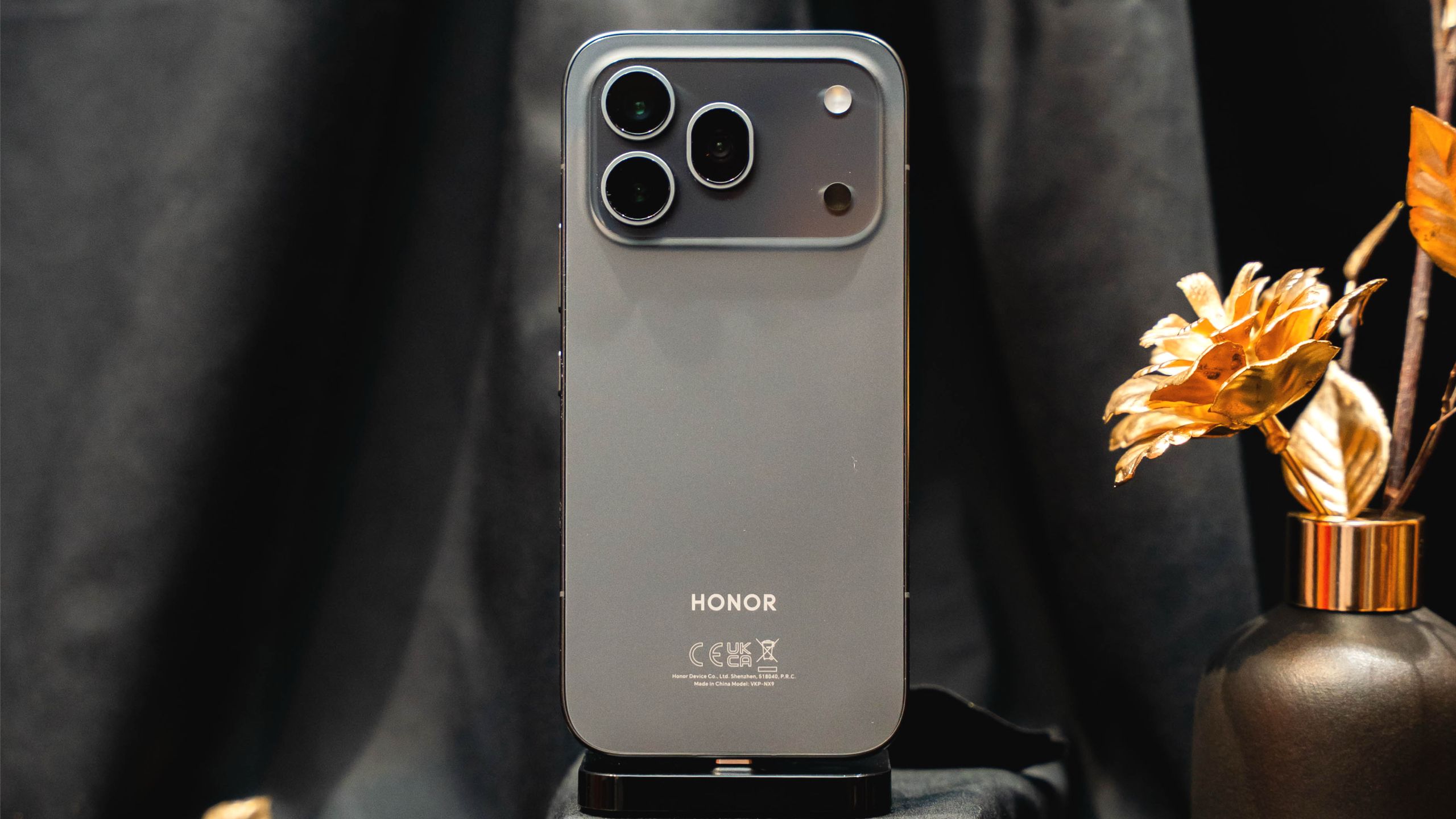
The transition from the Honor 600 series to the 700 series has been remarkably fast, occurring over a span of less than seven months. The 600 series, which debuted in the spring, was positioned as a mid-range contender that relied heavily on a 200MP primary sensor and a 12MP ultrawide lens, with the Pro model adding a 50MP telephoto lens.
While the 600 Pro was equipped with the high-performance Qualcomm Snapdragon 8 Elite SoC, the base 600 model utilized the Snapdragon 7 Gen 4. This split strategy—differentiating performance tiers within a single numerical series—is expected to continue with the 700, 700 Pro, and the newly rumored 700S. The rapid release cycle reflects the broader "sprint" mentality of the Chinese mobile sector, where manufacturers must constantly iterate to avoid being eclipsed by rival offerings in the premium mid-range category.
The Role of Health Tech in Smartphone Design
The integration of health sensors into the chassis of a smartphone represents a shift in how manufacturers view the utility of mobile hardware. Traditionally, smartphones have relied on software-based algorithms or the camera-flash-and-sensor method to estimate pulse. By dedicating hardware to this task on the rear of the device, Honor is attempting to bridge the gap between dedicated health wearables and traditional communication tools.
If the implementation is successful, it could provide a significant marketing advantage. Consumers are increasingly prioritizing personal health tracking, and the convenience of a "one-touch" check-up on a phone could appeal to a demographic that finds smartwatches either too expensive or cumbersome. However, this raises questions regarding data privacy and the accuracy of such sensors when compared to medical-grade hardware. Honor has yet to release a detailed technical white paper on the precision of these sensors, leaving the industry to speculate on whether this feature will be marketed as a wellness tool or a clinical diagnostic instrument.
Market Context and Economic Implications
The mobile landscape in late 2024 is currently defined by supply chain constraints and fluctuating costs for high-end components, including RAM and NAND flash memory. For Honor, the challenge lies in balancing the integration of advanced features—like a dual-display configuration and high-resolution camera arrays—with the pricing expectations of the mid-range consumer.
If the Honor 700 series is priced too aggressively, it risks alienating the core user base that previously favored the 600 series for its value proposition. Conversely, failing to innovate sufficiently could result in the 700 series being viewed as a marginal upgrade. Market observers note that the inclusion of the 200MP camera is now becoming a standard expectation for the brand, meaning the rear display and health features are the primary differentiators that will determine the product’s market success.
Official Stance and Expectations
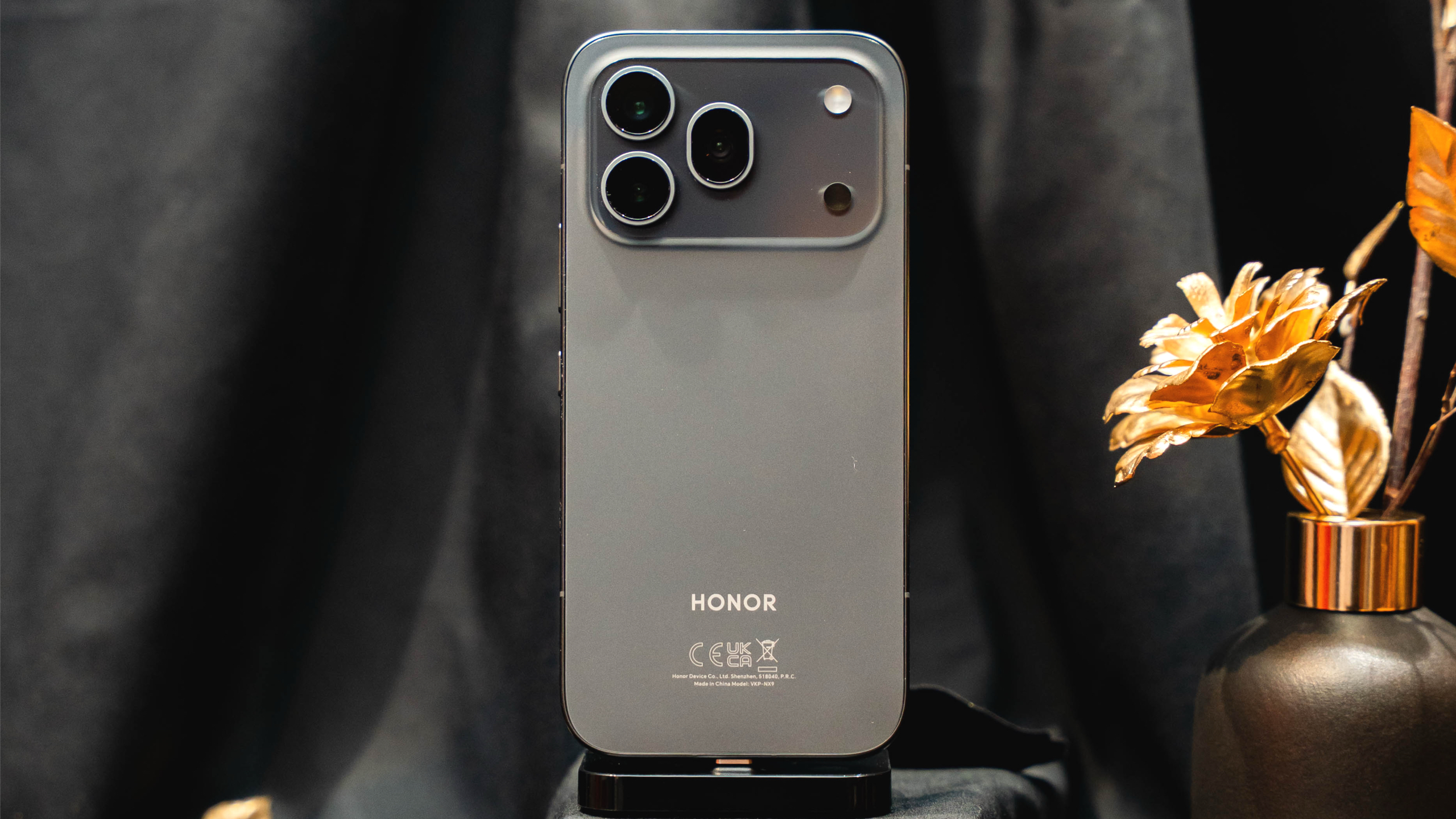
Honor has maintained a relatively tight lid on specific hardware configurations, preferring to let social media teasers generate momentum. The company has confirmed the existence of the three models—700, 700 Pro, and 700S—but has remained silent on regional availability outside of China.
The upcoming November 13 event will likely clarify several key unknowns, including:
- The Sensor Mechanism: Confirmation of how the rear sensor interfaces with the skin to measure oxygen saturation.
- Software Ecosystem: How the "dynamic notifications" will interact with third-party applications.
- Regional Strategy: Whether these health-focused features will be limited to the Chinese market or rolled out globally in future iterations.
Broader Industry Impact
The move toward secondary displays is a polarizing trend in mobile design. While companies like Samsung and Apple have largely avoided rear-facing screens to maintain minimalist design languages, Honor’s commitment to the feature suggests a belief that user interface evolution is moving beyond the front-facing screen.
If the Honor 700 series performs well, it may signal a trend where "lifestyle integration" becomes a primary focus for smartphone manufacturers. As the hardware market hits a point of diminishing returns regarding raw processing power, the differentiation will likely move toward lifestyle utilities, such as health tracking, environmental monitoring, or specialized input methods.
Ultimately, the Honor 700 series is an experiment in hardware-based utility. While the 600 series was characterized as a reliable, if iterative, performer, the 700 series is attempting to redefine the utility of the smartphone chassis. The success of this endeavor will hinge not just on the technical execution of the rear screen, but on whether consumers find a genuine, recurring use for health monitoring on a device that is already tethered to their wrist-bound wearables.
As the industry looks toward the November 13 announcement, the focus remains on whether Honor can deliver a polished, high-performance experience that justifies the rapid turnaround from its previous model. With the integration of high-resolution optics and advanced biometric monitoring, the Honor 700 series stands as a testament to the brand’s aggressive approach to hardware innovation in a highly competitive global market.