Apple’s Upcoming OLED MacBook Pro Models Poised for Late 2026 Release Alongside macOS 27.1

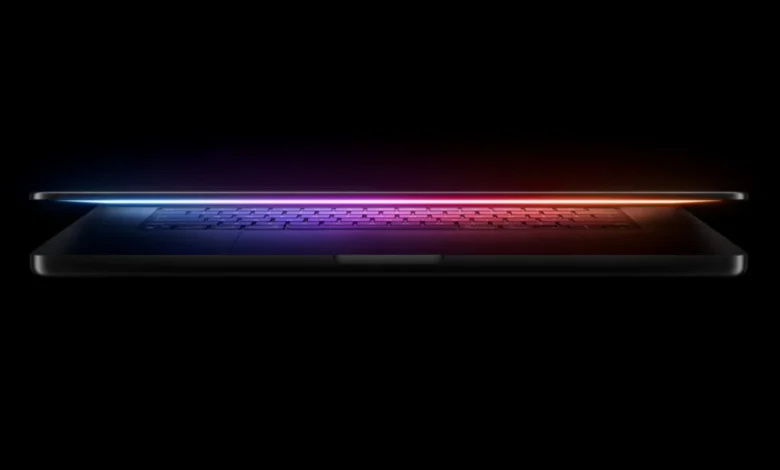
The landscape of professional computing is set for a significant transformation as Apple accelerates the development of its next-generation MacBook Pro lineup. According to the latest intelligence shared by industry analyst Mark Gurman, Apple is currently in the advanced testing phases for 14-inch and 16-inch MacBook Pro models equipped with touch-enabled OLED display technology. These high-end machines are reportedly being stress-tested against the upcoming macOS 27.1 software environment, which is currently slated for a public release in late October 2026. This development signals a shift in Apple’s hardware roadmap, moving from previous projections of a 2027 launch to a firm "later this year" timeline.
The integration of OLED technology into the MacBook Pro line represents a departure from the Liquid Retina XDR displays that have defined the current generation. By transitioning to Organic Light-Emitting Diode panels, Apple intends to offer deeper blacks, superior contrast ratios, and improved power efficiency. This transition is not merely cosmetic; it is a fundamental shift in how Apple positions its professional-grade laptops against an increasingly competitive market of Windows-based workstations that have utilized touch and OLED interfaces for several years.
The Technological Evolution: M5 Series and Structural Overhauls
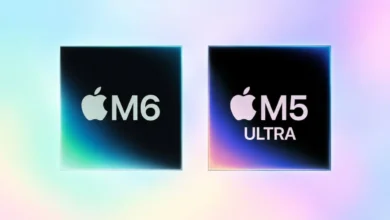
Beyond the display, the upcoming MacBook Pro models are expected to be powered by the M5 Pro and M5 Max silicon. This internal architecture is designed to handle the increased graphical overhead associated with high-resolution, touch-interactive OLED displays. Industry observers note that the M5 series will likely prioritize neural engine performance and unified memory bandwidth to support the increasingly sophisticated AI-driven workflows embedded within macOS 27.1.
One of the most anticipated design changes is the rumored adoption of a "Dynamic Island" configuration, replacing the traditional display notch that has housed the webcam and sensor arrays since the 2021 redesign. Integrating the Dynamic Island into the macOS desktop environment could revolutionize how users interact with background tasks, notifications, and media controls, mirroring the functional success seen in the iPhone and iPad ecosystem. Furthermore, structural reports suggest a thinner chassis design, made possible by the efficiency of the M5 chips and the thinner physical profile of OLED panels compared to the current mini-LED arrays.
Chronology of Development and Strategic Shifts
The journey toward an OLED-equipped MacBook Pro has been marked by a series of pivots and strategic re-evaluations. Early rumors in early 2026 suggested a more conservative timeline, with some analysts predicting a release as late as mid-2027. However, the internal testing of macOS 27.1 suggests that Apple has successfully streamlined the integration of the hardware and software stack.
The following timeline illustrates the evolution of these expectations:
- April 2026: Initial reports emerge regarding the development of next-generation MacBook Pro hardware, with industry analysts debating whether the release would occur in late 2026 or early 2027.
- June 2026: Confirmation of the M5-series chipset trajectory, confirming that Apple would continue to iterate on its proprietary silicon rather than outsourcing to third-party providers for these high-end units.
- August 2026: Market speculation increases as supply chain leaks indicate that Apple is consolidating its manufacturing efforts for the high-end OLED displays.
- September 2026: Definitive reports from major industry observers link the hardware testing to macOS 27.1, narrowing the release window to the final quarter of the year.
This compressed timeline reflects Apple’s need to maintain momentum in the professional laptop sector. While the company has seen consistent success with the M4-powered machines, the stagnation of display technology in the PC market has provided Apple with an opening to reclaim the "premium" narrative through the combination of tactile display interaction and high-performance silicon.
Market Positioning and Product Segmentation
One of the most critical aspects of this upcoming launch is the branding and tiering of the new hardware. Recent industry reports have debated whether these devices will fall under the "Ultra" moniker. While earlier speculation suggested the name "MacBook Ultra" would be utilized to differentiate these models from the standard 14-inch and 16-inch variants, the company has historically been cautious with such branding.
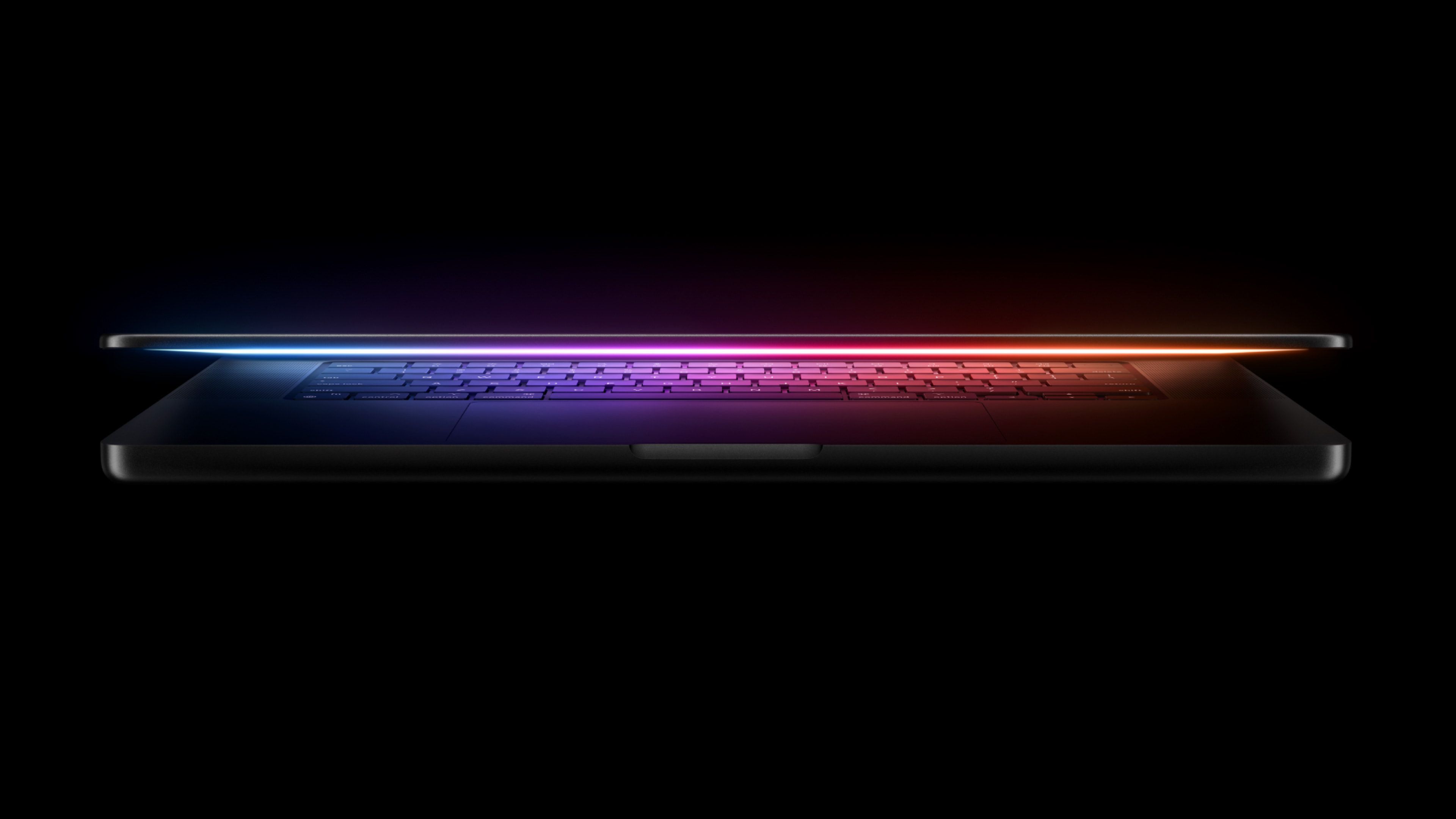
Current analysis indicates that these OLED models will be positioned as a distinct, higher-priced tier. This strategy allows Apple to keep the current M4-based 14-inch and 16-inch models in the market as the "standard" professional offering, while the OLED variants serve as the flagship "halo" products. This is further corroborated by industry reports suggesting that the standard MacBook Pro line is already being prepped for a transition to M7-series chips in 2027, effectively skipping a mid-cycle refresh for the lower-tier models to allow the OLED versions to shine as the flagship hardware for the next 18 months.
Broader Implications and Industry Reaction
The introduction of touch-enabled OLED screens on a MacBook Pro is not without its detractors. For years, Apple executives have publicly maintained that macOS is designed for precision input, such as trackpads and mice, rather than touch interaction, which is the domain of the iPad. By introducing a touch-enabled OLED display, Apple is effectively acknowledging that user habits and the requirements of creative professionals are changing.
Analysts suggest this move could be a reaction to the convergence of mobile and desktop operating systems. With macOS 27.1, Apple is expected to introduce "touch-optimized" UI elements that do not sacrifice the precision required by developers and video editors. The implications for the broader laptop market are significant: should Apple succeed in creating a compelling touch experience on a desktop-class operating system, it may force competitors to rethink the "clamshell" form factor, which has seen little innovation in terms of human-computer interface design over the past decade.
Challenges in the Supply Chain
While the release appears imminent, the technical hurdles associated with mass-producing OLED displays for 14-inch and 16-inch laptops are significant. OLED panels, particularly those capable of the high brightness and color accuracy required for professional color grading, are notoriously expensive and difficult to manufacture at scale.
Reports from research firms like Omdia suggest that while Apple has optimized its yield rates, the production capacity remains constrained. This could lead to limited availability during the initial launch phase in late October. Furthermore, the cancellation of other high-end experimental projects—such as the previously rumored 18-inch foldable MacBook—indicates that Apple is focusing its R&D budget on the most viable high-margin products that can be brought to market immediately.
Looking Toward the End of 2026
As of mid-September 2026, the tech industry remains in a state of high anticipation. The release of the first developer beta for macOS 27.1 is expected in the coming days, which will likely provide further granular details about the UI adjustments made for the touch-capable hardware.
Apple’s strategy appears to be a multi-pronged approach: maintain the dominance of the existing MacBook Pro line with reliable M4/M7 performance, while simultaneously disrupting the high-end creative market with a new, tactile, OLED-driven experience. For professionals who rely on the Apple ecosystem, the final quarter of 2026 will be a pivotal moment. The company is not merely updating internal specifications; it is potentially redefining the form factor of the portable workstation for the remainder of the decade.
Whether these devices will truly be branded as "Ultra" or remain under the broader MacBook Pro umbrella, their impact on the industry is inevitable. By combining the power of the M5 Pro and Max silicon with a refined, touch-interactive OLED interface, Apple is signaling that it remains committed to pushing the boundaries of what a mobile computer can achieve. As the launch date approaches, the focus for investors and consumers alike will be on whether the hardware can meet the lofty expectations set by the rumor mill and whether the software integration can finally bridge the gap between traditional desktop computing and the modern touch-enabled paradigm.