9to5Mac Top Stories iOS 26.4.1 Release iOS 27 Leaks and the Future of Apple Glasses

The Apple ecosystem underwent a significant series of shifts this week as the company balanced immediate software maintenance with long-term hardware ambitions. At the forefront of this week’s developments is the public release of iOS 26.4.1, a point update that addresses critical security vulnerabilities while refining the "Liquid Glass" interface aesthetics introduced earlier in the version cycle. Simultaneously, a surge of leaks regarding iOS 27 has begun to paint a picture of an operating system deeply integrated with third-party generative artificial intelligence, signaling a departure from Apple’s historically insular approach to software services.
The Evolution of iOS: From 26.4.1 to the iOS 27 Horizon
The release of iOS 26.4.1 marks a pivotal moment for the current software generation. While ostensibly a minor update, internal documentation suggests that this version provides the necessary framework for the next phase of Apple’s "Ambient Intelligence" rollout. The update includes a new music widget that utilizes the Liquid Glass design language, offering a more translucent, depth-oriented UI that reacts to system-wide lighting conditions.

Security remains a paramount concern for the Cupertino-based tech giant. iOS 26.4.1 includes patches for several "zero-day" vulnerabilities that were reportedly being exploited in the wild to target high-profile users in over 100 countries. These spyware threats, often linked to state-sponsored actors, have forced Apple to accelerate its security response cadence. The new update reinforces the Lockdown Mode and introduces enhanced encryption protocols for iCloud backups, further insulating user data from sophisticated remote attacks.
Looking forward, the tech community has been abuzz with early leaks concerning iOS 27. Sources familiar with the matter indicate that iOS 27 will be the first version of the iPhone operating system to offer native, system-level integration with multiple large language models (LLMs). While Siri remains the primary interface, users may soon have the option to toggle between Apple’s on-device processing and cloud-based solutions from partners such as OpenAI, Google, and Perplexity. This hybrid approach aims to provide the privacy of local execution with the expansive knowledge base of global AI networks.
Hardware Innovations: iPhone 18 Pro and the Variable Aperture Lens
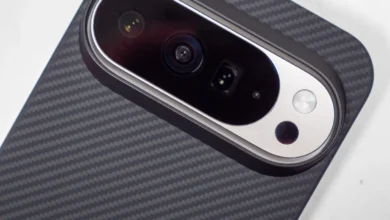
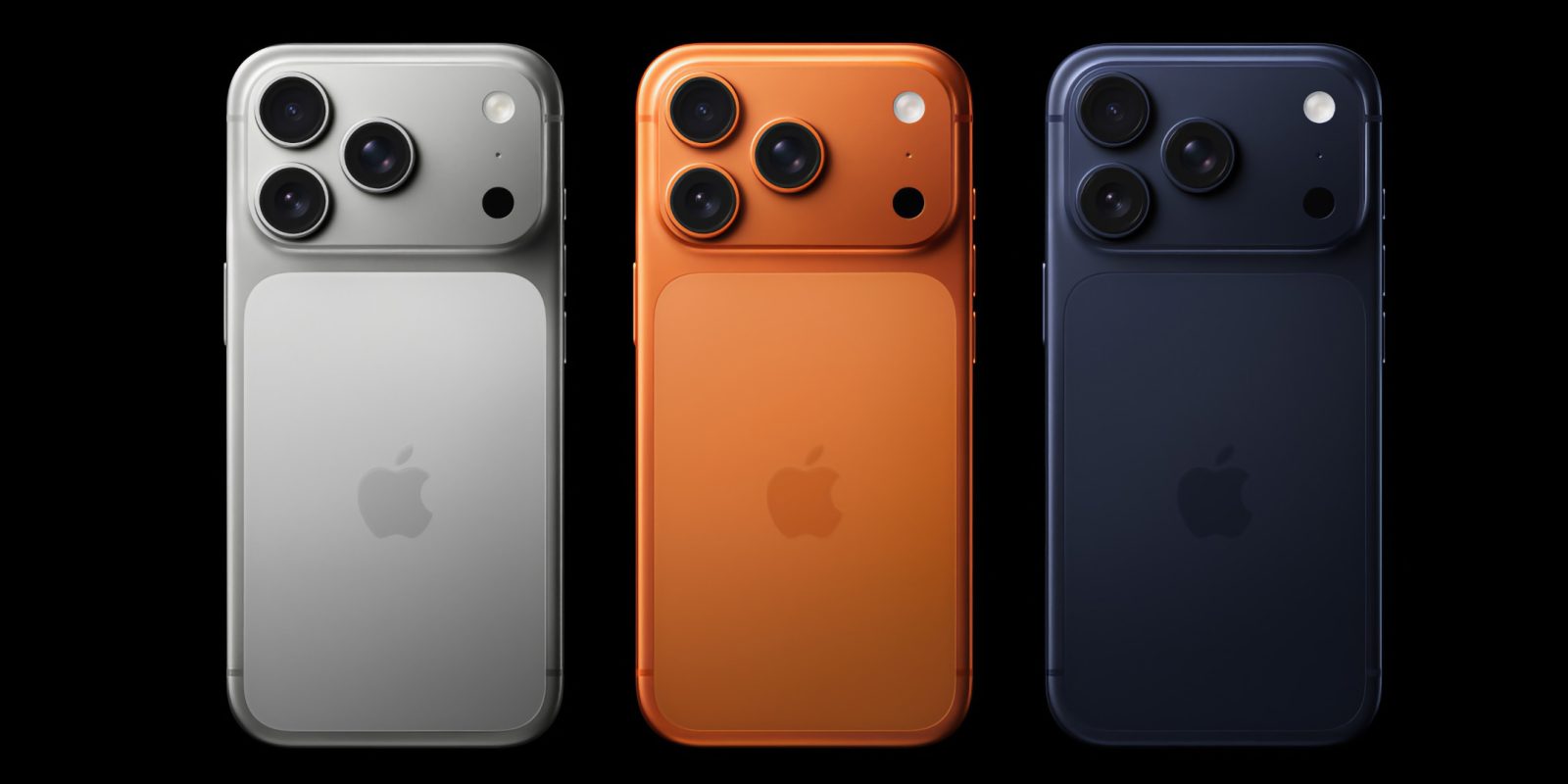
While the iPhone 17 lineup is currently in the hands of consumers, the gaze of the supply chain has already shifted to the iPhone 18 series. Reports emerging this week suggest that Apple has finalized the manufacturing process for a revolutionary variable aperture lens system intended for the iPhone 18 Pro and Pro Max.

This hardware advancement would allow the iPhone camera to physically adjust its aperture, mimicking the behavior of professional DSLR cameras. In low-light environments, the lens could open to a wider setting to capture more light, while in bright conditions or for landscape photography, it could narrow to increase the depth of field and sharpness. This move is seen as a direct response to high-end Android competitors who have experimented with similar technologies, though Apple’s implementation is expected to focus on seamless software-hardware synchronization and durability.
Furthermore, rumors regarding the "iPhone Ultra Fold" have regained momentum. Mockups circulating within the design community suggest a device that utilizes a "liquid metal" hinge and a crease-free display technology that Apple has been patenting over the last three years. If these reports hold true, the foldable iPhone could debut as a premium tier above the Pro Max, targeting the enterprise and power-user markets.

The Mac Transition: M5 Chips and the MacBook Neo
The Mac lineup is also preparing for a significant transition. Supply chain data from Samsung and other display partners indicates that while OLED MacBook Pro models are on track for their scheduled releases, the MacBook Air may face slight delays as Apple prioritizes the launch of a new category: the MacBook Neo.

The MacBook Neo is rumored to be an ultra-thin, fanless laptop positioned between the current iPad Pro and MacBook Air. It is expected to be the debut vehicle for the M5 chip, which focuses heavily on Neural Engine performance to handle the increasing demands of AI-driven creative suites. The M5 architecture reportedly utilizes a 2-nanometer process, allowing for unprecedented power efficiency and thermal management in a chassis that is expected to be less than 10 millimeters thick.
Integrated AI tools such as Claude, Gemini, and OpenAI’s Codex are also being optimized for macOS 26.5, which entered public beta this week. The goal is to provide developers with a "copilot" experience that is baked directly into Xcode and the broader macOS environment, streamlining the coding and content creation process.
Wearables and Spatial Computing: The Shift to Apple Glasses
Apple’s venture into spatial computing continues to evolve following the launch of the Vision Pro. However, the narrative is shifting from bulky headsets to the more socially acceptable form factor of "Apple Glasses." Internal leaks suggest that Apple has made a breakthrough in micro-LED transparency, allowing for augmented reality (AR) overlays on what appear to be standard optical lenses.

The Apple Glasses project, internally codenamed "Project Iris," is designed to act as a tethered accessory to the iPhone, offloading the bulk of the processing power to the phone to keep the glasses lightweight. This strategy mirrors the original Apple Watch rollout. While the Vision Pro remains the flagship for immersive "Pro" experiences—such as the newly announced NBA immersive broadcasting partnership—the Apple Glasses are intended for everyday "heads-up" notifications, walking directions, and real-time translation.

Corporate Strategy and Economic Impact
On the corporate front, Apple’s relationship with the U.S. government remains a focal point of its operational strategy. Recent statements indicate that Apple is prepared to invest an additional $100 billion in U.S.-based production facilities over the next five years. This investment is viewed as a strategic hedge against geopolitical instability in the Pacific and a response to domestic policy incentives aimed at "resharing" critical technology manufacturing.

However, this expansion is not without its challenges. The smartphone market is currently experiencing a downturn, with IDC reporting a general decline in global shipments. Despite this, Apple’s "premiumization" tactic—pushing consumers toward higher-margin Pro and Ultra models—has allowed the company to maintain record-breaking services and hardware revenue.
The legal landscape also remains fraught. The ongoing battle with Epic Games and other developers over App Store commissions continues to move through the appellate courts. Apple has recently made concessions regarding NFC payment access in Europe, allowing third-party wallets to compete with Apple Pay. Analysts suggest that these regulatory pressures in the EU may eventually force similar changes in the North American market, potentially impacting Apple’s high-margin Services division.
Services and Entertainment: Apple TV+ and Content Strategy
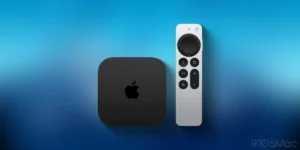
Apple TV+ continues to be a loss-leader that provides immense brand value. This week, the service announced a new slate of programming, including the return of fan-favorite series and new high-budget dramas like "Dope Thief" and "Your Friends and Neighbors." To combat the rising cost of content acquisition, Apple is reportedly exploring new bundle options, including a potential partnership with Peacock to offer a combined streaming package at a discounted rate.
The integration of sports remains a key pillar of the Apple TV app. Following the success of MLS Season Pass, Apple is rumored to be in talks for broader international soccer rights and a more integrated Formula 1 experience. These moves are designed to increase the "stickiness" of the Apple ecosystem, ensuring that users remain within the company’s walled garden for both their productivity and entertainment needs.

Chronology of the Week’s Major Events
- Monday: Apple releases iOS 26.4.1 to the public, featuring critical security patches and UI refinements.
- Tuesday: Leaked schematics for the iPhone 18 Pro’s variable aperture lens surface via supply chain sources in Taiwan.
- Wednesday: Tim Cook meets with federal officials to discuss the $100 billion U.S. investment plan for domestic chip packaging.
- Thursday: macOS 26.5 enters its second public beta, introducing deeper AI integration for creative professionals.
- Friday: Apple TV+ announces a strategic partnership for a new content bundle, signaling a shift in the streaming wars.
- Saturday: Market analysts report that Apple has successfully maintained its market share despite a 5% overall contraction in the global smartphone market.
Broader Impact and Industry Implications
The convergence of AI, advanced hardware, and domestic manufacturing highlights Apple’s multifaceted strategy for the latter half of the decade. By leaning into "Ambient Intelligence," Apple is not just updating an OS; it is redefining the relationship between the user and the device. The move toward variable aperture lenses and foldable displays suggests that Apple is no longer content with incremental updates and is instead looking to reclaim the title of hardware innovator.
Furthermore, the massive investment in U.S. production signals a long-term shift in the global supply chain. As Apple de-risks its manufacturing base, other tech giants are likely to follow, potentially leading to a new era of American industrialism centered on high-tech silicon and advanced optics. For the consumer, this week’s news suggests that while the devices in their pockets are becoming more secure and refined, the most significant changes—in the form of AR glasses and AI-first software—are just over the horizon.
Related posts: