Apple expands watchOS 27.0.1 availability to all supported devices following initial rollout for newer models.

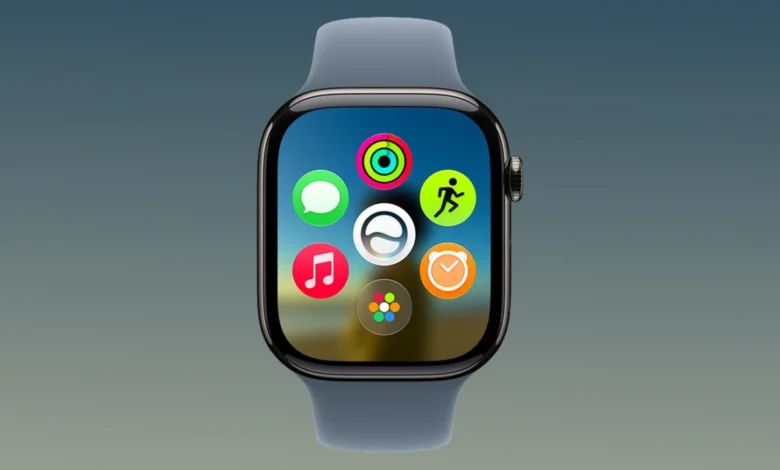
Apple has officially broadened the distribution of the watchOS 27.0.1 software update, extending its reach from the initial release focused on the Apple Watch Series 12 and Apple Watch Ultra 4 to encompass all eligible devices, including the Apple Watch Series 9 and later iterations. This expansion comes exactly one week after the company identified and addressed a critical stability issue that was causing sporadic, unexpected device restarts among its flagship hardware users.
While the primary objective of this patch is to stabilize the operating system across the broader hardware ecosystem, Apple’s official documentation remains characteristically sparse. The release notes provided by the company indicate that the update "provides bug fixes for your Apple Watch," yet they omit specific details regarding the nature of these fixes or the inclusion of any security-related patches. For the average user, this leaves the exact technical scope of the update open to interpretation, though the widespread nature of the deployment suggests a systemic resolution to the stability problems encountered since the launch of watchOS 27 earlier this month.
The Chronology of watchOS 27 Deployment
The journey of watchOS 27 has been marked by a rapid succession of releases and remedial updates, highlighting the complexities inherent in maintaining a unified software experience across multiple hardware generations. The cycle began on September 14, 2026, when Apple officially released watchOS 27 to the public. This major version update introduced a suite of advanced features, most notably the integration of "Siri AI" capabilities, a revamped watch face architecture, and significant refinements to the "Smart Stack" interface.
However, shortly after the broad release, users of the latest hardware—the Apple Watch Series 12 and Apple Watch Ultra 4—began reporting intermittent system crashes and unexpected reboots. In response to these reports, Apple expedited the development of watchOS 27.0.1. On September 23, 2026, this patch was pushed exclusively to the newest models, serving as a rapid containment measure for the stability issues. Today’s announcement signifies the conclusion of that testing phase, as the fix is now deemed ready for the wider user base, including owners of the Series 9, Series 10, Series 11, and the Apple Watch SE 3.
Technical Context and Stability Concerns
In the ecosystem of wearable technology, stability is paramount. The Apple Watch relies on a complex interplay between its proprietary S-series silicon and the watchOS kernel. When an operating system update introduces instability, the impact is magnified because the device is intended to function as an "always-on" companion. Unexpected restarts not only interrupt the user experience but can also compromise critical health-tracking data, such as heart rate variability, sleep cycle monitoring, and blood oxygen saturation logging.
For users who have been waiting for this update, the arrival of 27.0.1 is a necessary step toward returning to expected levels of reliability. Historically, Apple has utilized point-zero-one updates as a "clean-up" mechanism to address edge-case bugs that were not caught during the intensive beta testing phase. While the lack of detailed release notes may frustrate power users who seek transparency, it is a standard practice for the company to reserve detailed security disclosures for distinct, documented security patches, thereby avoiding the disclosure of vulnerability vectors until the majority of the user base has successfully updated their devices.
Broader Implications of the watchOS 27 Feature Set
The release of watchOS 27 represents a pivotal shift in the Apple Watch’s value proposition, moving toward a more autonomous, AI-driven assistant model. However, the transition has not been without controversy. The introduction of the "Audio Intelligence" feature set, which includes advanced transcription capabilities, has highlighted a growing disparity between the features available on the latest flagship devices and those available on legacy hardware.
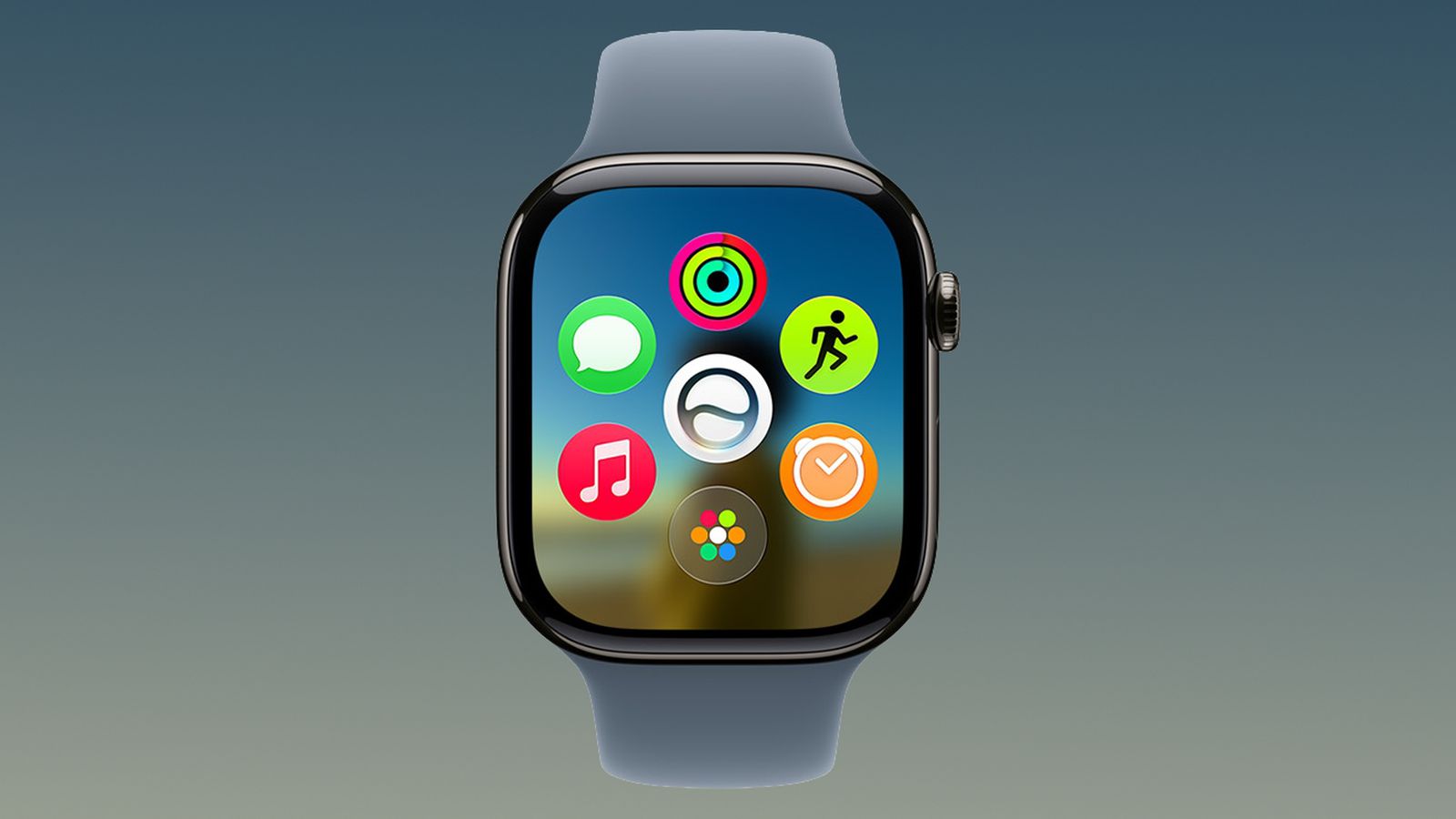
Furthermore, the rollout of watchOS 27 has reignited discussions regarding feature depreciation. As noted in recent reports, the transition to the new OS has resulted in the removal of certain legacy features that long-time users relied upon. This trend—whereby new software updates prioritize the computational demands of the latest hardware while simultaneously pruning older, less-frequently-used functionalities—is a hallmark of Apple’s current product lifecycle strategy. By focusing resources on features like "Live Rewind" for the Series 12 and Ultra 4, Apple is clearly signaling a strategic pivot toward AI-assisted processing, which necessitates more robust onboard neural processing units found only in their most recent watch silicon.
Regulatory Challenges and Feature Availability
Beyond the immediate concerns of software stability, users are navigating a landscape of shifting feature availability. A notable example is the status of hypertension notifications. In early September, Apple confirmed that users upgrading to the Apple Watch Series 12 or the Ultra 4 might face a temporary loss of hypertension alert capabilities. This is not a software bug, but rather a regulatory hurdle; the feature requires specific clearances in various jurisdictions before it can be fully enabled on new hardware.
This situation underscores the growing complexity of the modern wearable. As the Apple Watch evolves into a more sophisticated medical-grade device, its functionality is increasingly subject to regional health authority approvals. This creates a fragmented experience where the "latest" device does not necessarily offer all the features of its predecessor immediately upon purchase. For consumers, this necessitates a higher level of awareness regarding product specifications and regulatory status before choosing to upgrade.
Analysis of the Update Strategy
From an operational standpoint, the rollout of watchOS 27.0.1 serves as a case study in Apple’s modern release management. By isolating the fix to the Series 12 and Ultra 4 initially, the company was able to verify the efficacy of the patch without risking the stability of the entire installed base. Once verified, the broad release ensures that the entire fleet of compatible watches is brought up to the same security and stability baseline.
This tiered approach minimizes the risk of a "bad update" impacting millions of devices simultaneously. However, it also emphasizes the sheer scale of the Apple Watch ecosystem. With support extending back to the Series 9, the OS must be flexible enough to run efficiently on chips of varying ages and capabilities. Maintaining this level of backwards compatibility while pushing the boundaries of AI integration is a significant engineering challenge, one that likely contributed to the initial stability issues observed in this current cycle.
Recommendations for Users
For those who have not yet updated, the process remains straightforward. Users can initiate the installation by navigating to the "Watch" app on their paired iPhone, selecting "General," and tapping on "Software Update." It is recommended that users ensure their Apple Watch is charged to at least 50% and is placed on its charger during the update process to avoid any potential power-related interruptions, which could lead to further system issues.
As the industry looks toward the next phase of watchOS development, the lessons learned from the watchOS 27 rollout—both in terms of feature reception and system stability—will likely influence Apple’s future release strategies. The company remains committed to a rapid iteration cycle, yet the recent instability serves as a reminder that even the most rigorous quality assurance processes can face challenges when deploying software to a diverse and expansive global user base.
In conclusion, while the specific technical contents of watchOS 27.0.1 are obscured by the company’s internal documentation policies, its release is a vital corrective measure. By ensuring that the Series 9 and later devices are operating on the most stable version of the firmware, Apple is securing the performance of its wearable lineup. As the platform continues to integrate more advanced artificial intelligence and health-monitoring tools, the focus on foundational stability will remain the most critical factor in maintaining user trust and satisfaction in the long term.