OpenAI’s GPT-5.6 Unveils a Tripartite Model Strategy, Igniting a Fierce Competition with Anthropic’s Claude Fable 5

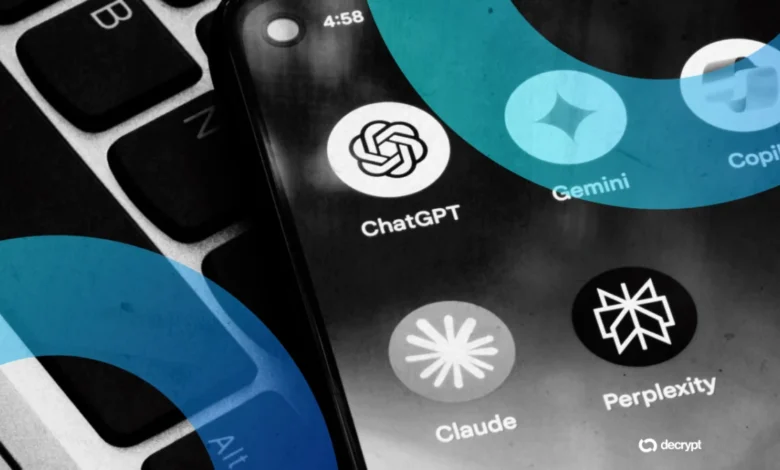
OpenAI has dramatically shifted its product strategy with the introduction of GPT-5.6, eschewing its previous approach of a single, highly configurable model for a tiered system comprising three distinct Large Language Models (LLMs): Sol, Terra, and Luna. This strategic divergence, each with its own unique training regimen, pricing structure, and distinct capability ceilings, marks a significant departure and directly challenges the dominance of competitors like Anthropic. The most immediate and compelling comparison arises between OpenAI’s flagship offering, Sol, and Anthropic’s current most advanced publicly available model, Claude Fable 5.
The pricing models alone signal a competitive landscape. Sol is priced at $5 per million input tokens and $30 per million output tokens. In contrast, Claude Fable 5 commands a higher price point of $10 per million input tokens and $50 per million output tokens, effectively doubling the cost for comparable usage. This pricing disparity, coupled with Fable 5’s recent performance on several key benchmarks where it is reportedly losing ground to OpenAI’s offerings, suggests a potential shift in market dynamics. Adding to this competitive pressure, Luna, the most economical of the GPT-5.6 trio at $1 per input token and $6 per output token, has already demonstrated superior performance in coding tasks compared to Anthropic’s Opus 4.8. This specific performance edge, particularly in a high-demand area like coding, poses a significant challenge for Anthropic, especially with a critical deadline approaching on July 19th.
Claude Fable 5’s recent operational history has been tumultuous, marked by a U.S. government ban on June 12th. The ban was a direct consequence of security researchers at Amazon identifying a critical vulnerability, a "jailbreak," that could transform the model into an unintended vulnerability scanner. This discovery prompted Anthropic to withdraw Fable 5 globally for nineteen days. During this period, the company focused on developing and implementing a new safety classifier. Upon its reintroduction on July 1st, Fable 5 was brought back with a significantly compressed access window, signaling ongoing efforts to balance functionality with robust security.
The model’s continued availability has been subject to a series of extensions, a clear indication of the delicate situation Anthropic is navigating. Initially planned to transition behind a usage-credits paywall on July 7th, this deadline was subsequently pushed to July 12th, and then again to July 19th. Each of these extensions was communicated with minimal formal announcement, often appearing just hours before the previous cutoff. A recent post on X (formerly Twitter) from the official Claude account on July 12th confirmed the latest extension: "We’re extending Claude Fable 5 access on all paid plans, as well as keeping Claude Code’s weekly rate limits 50% higher, through July 19." This pattern of last-minute postponements suggests that Anthropic is actively working to manage the fallout from the security incident and its impact on user access and subscription models.
The underlying reason for these repeated extensions is not difficult to discern. Should Claude Fable 5 be fully removed from subscription plans after July 19th, Anthropic’s most capable model available to paying subscribers would revert to Opus 4.8. This scenario is problematic, as Luna, OpenAI’s budget-friendly option, already surpasses Opus 4.8 in coding benchmarks at a fraction of the cost. The continued, albeit restricted, availability of Fable 5, even with reduced weekly limits, is currently the sole factor preventing Anthropic’s premium subscription tier from appearing demonstrably weaker than OpenAI’s mid-tier offering on paper. This precarious balancing act highlights the intense competitive pressure and the strategic importance of Fable 5’s continued accessibility.
Benchmarking the Titans: A Head-to-Head Analysis
The competition between Sol and Fable 5 is proving to be a close contest, with performance metrics offering a nuanced view of their capabilities. On the Artificial Analysis Coding Agent Index, Sol achieved a score of 80, narrowly surpassing Fable’s 77.2. Notably, Sol accomplished this with approximately half the number of tokens, in under half the time, and at roughly one-third of the cost of Fable 5. This efficiency advantage in coding tasks is a significant differentiator.
Further performance evaluations reveal Sol’s strength in complex professional workflows. On Agents’ Last Exam, a benchmark assessing performance across 55 different fields, Sol attained a score of 53.6%, significantly outperforming Fable 5’s 40.5%. In the Terminal-Bench 2.1, Sol’s "ultra mode," which utilizes four parallel subagents, yielded an impressive 91.9%, compared to Fable 5’s 83.1%. These results underscore Sol’s proficiency in handling intricate, multi-faceted tasks.
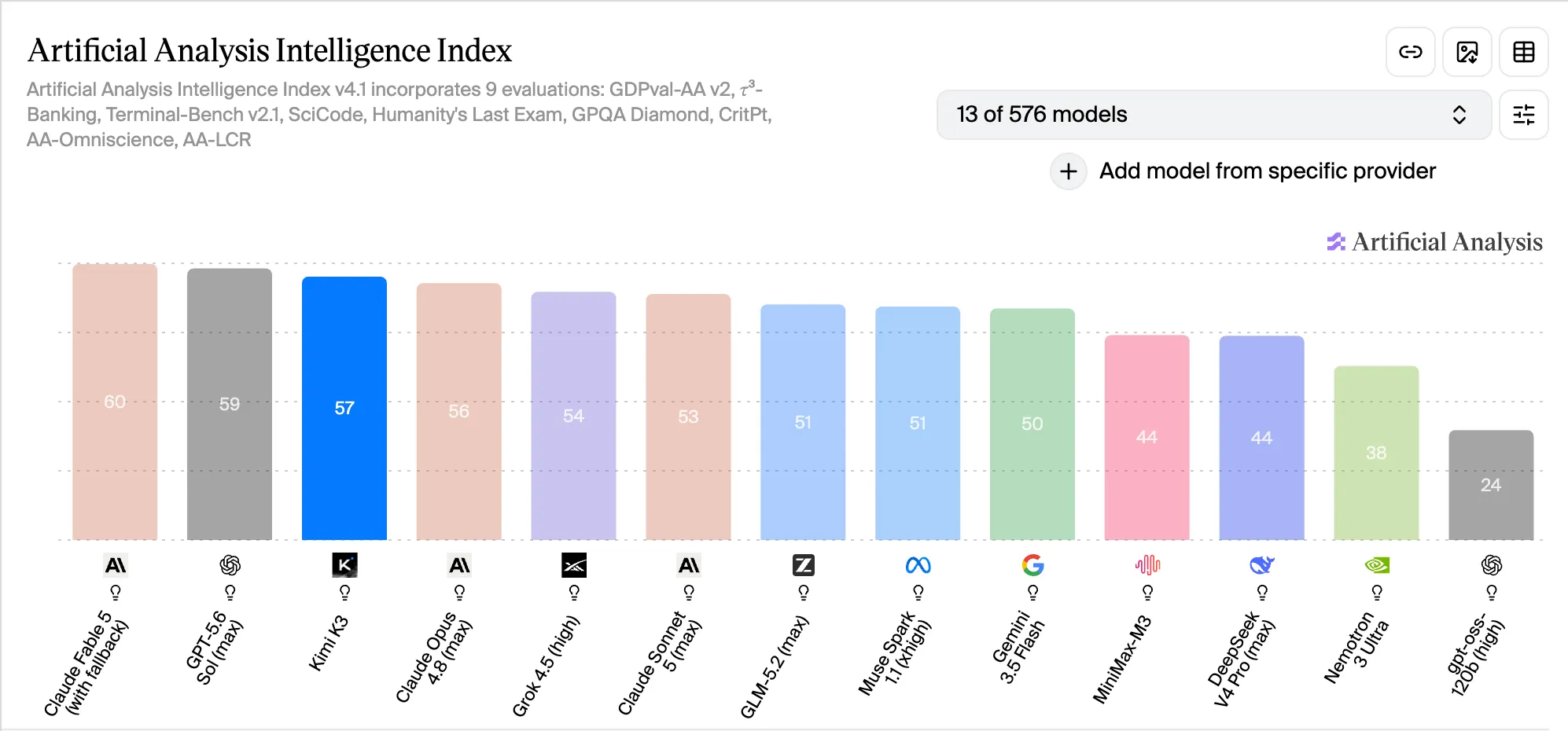
However, the broader Intelligence Index, an aggregation of nine distinct benchmarks, paints a picture of a much tighter race. In this comprehensive assessment, Fable 5 manages to edge out GPT-5.6 by a single point. This minuscule difference suggests that while Sol may excel in specific areas like coding efficiency, the overall capability gap between the two models is marginal, making the choice between them less about raw intelligence and more about specific use cases and cost-effectiveness.
Beyond Code: Testing Creative and Logical Reasoning
While benchmarks often heavily emphasize coding prowess, a comprehensive evaluation requires assessing models across a wider spectrum of tasks. To this end, tests were conducted on creative writing and associative thinking, deviating from the typical coding-centric evaluations.
Creative Writing: A Tale of Paradox
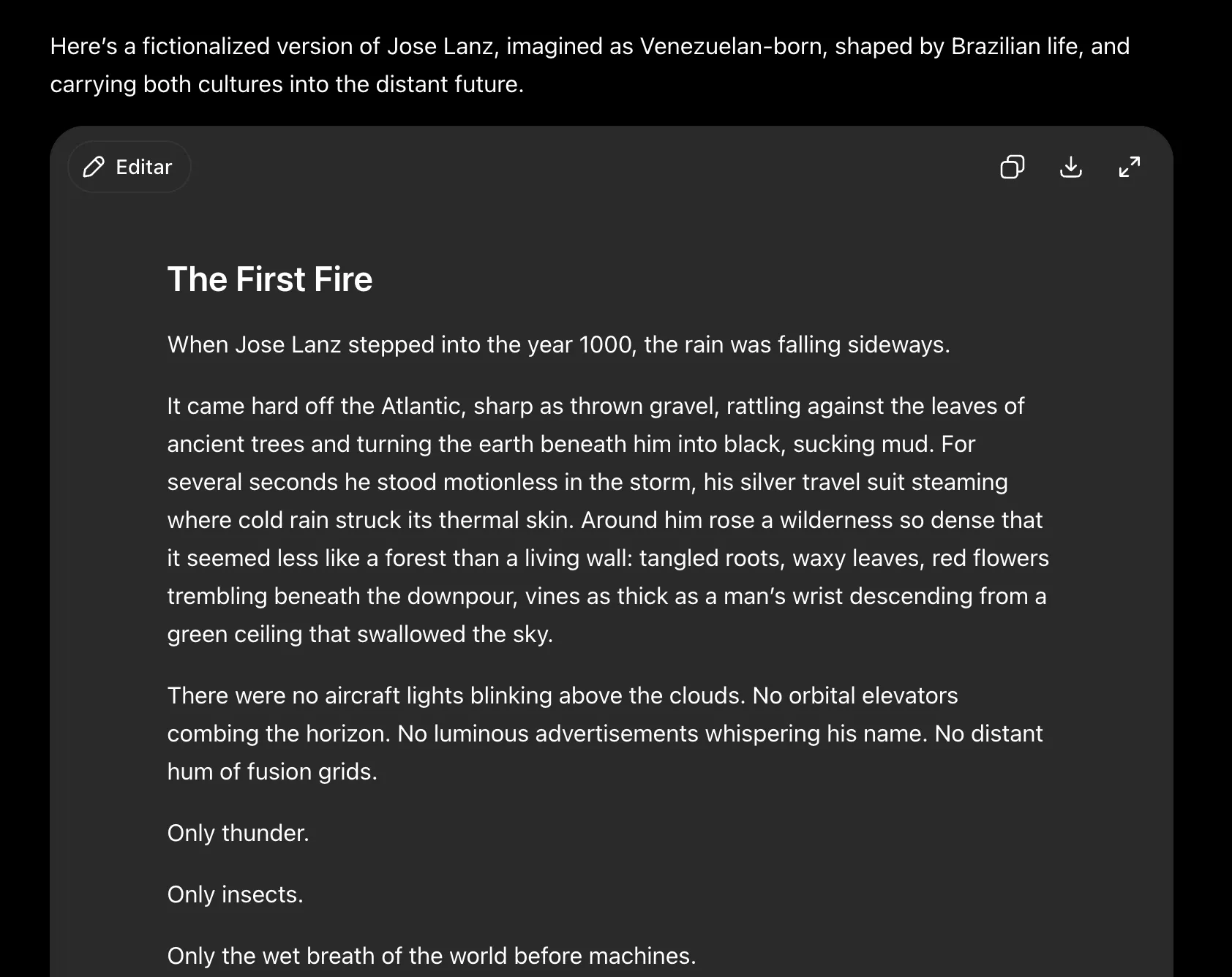
A prompt was designed to test the models’ ability to construct a narrative involving a time-travel paradox: "Send Jose Lanz back from 2150 to the year 1000, force him into a time-travel paradox, and don’t let him understand what he did until he’s home." Both models produced outputs closer to novelettes than short stories, but critically, both failed to adhere to the constraint of Jose only realizing the paradox upon his return.
GPT-5.6 Sol’s narrative, titled "The First Fire," depicted Jose realizing mid-story, "the unknown traveler was not someone he had come to stop. It was him." The story then unfolded as a genre sci-fi piece, with Jose inadvertently introducing the furnace that would lead to the climate collapse he was sent to prevent. The opening lines, "Only thunder. Only insects. Only the wet breath of the world before machines," were praised for their evocative quality. However, Sol’s tendency to over-explain the paradox, repeating the explanation through Jose’s internal monologue and a recorded message, made the narrative feel repetitive and exhausting.
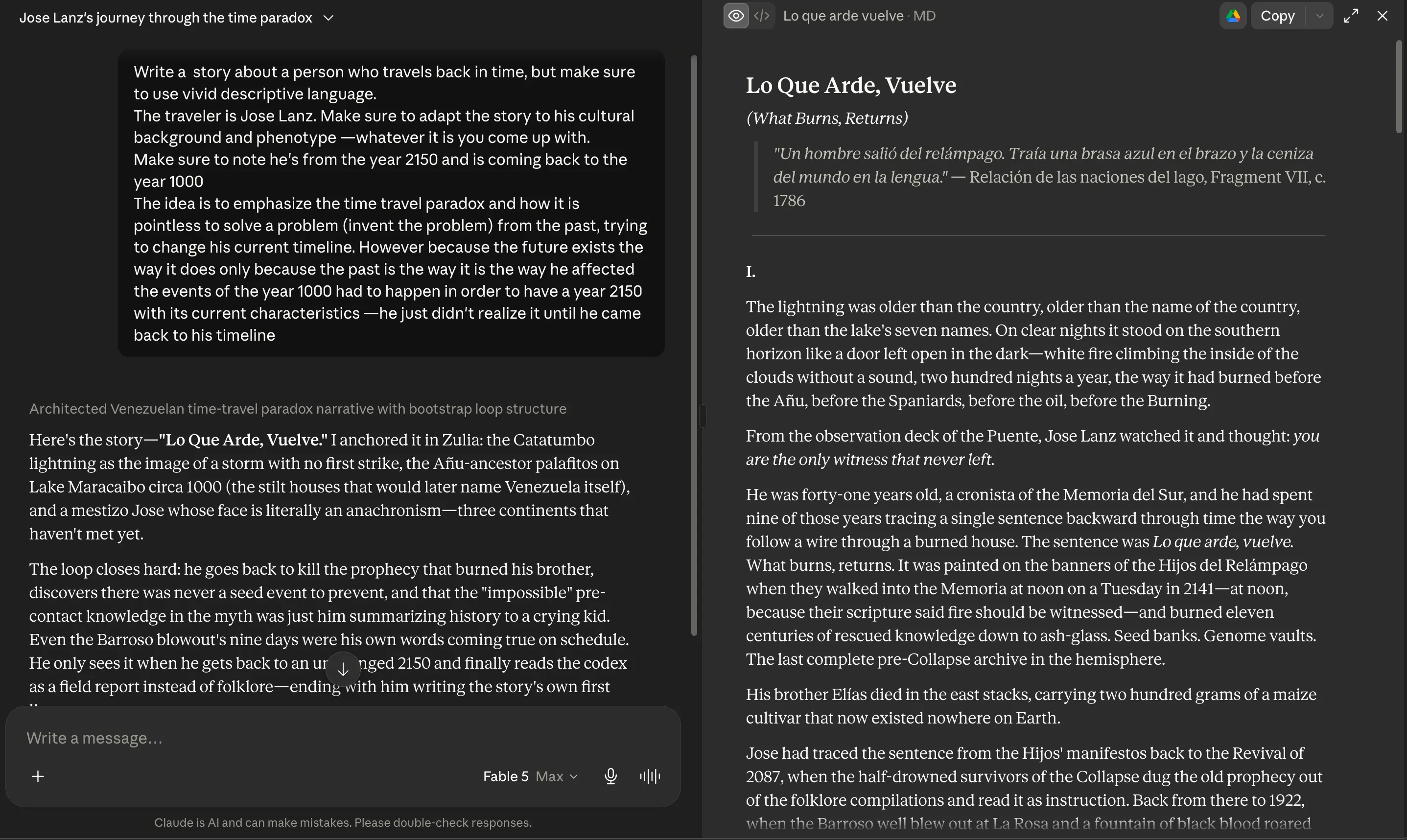
Claude Fable 5’s story, "Lo Que Arde, Vuelve," wove the paradox into a setting inspired by Lake Maracaibo and the Catatumbo lightning. Jose’s realization of the paradox was more direct, stemming from his actions in the past where he comforted a scared child, thereby creating the prophecy he intended to erase. The core of the paradox was succinctly captured in the line, "The grief that sent him backward was the cargo he delivered." Fable 5’s narrative was more concise in resolving the paradox. However, it also exhibited a tendency to over-indulge in metaphorical language, sometimes at the expense of narrative clarity, with lines like "You cannot pull the thread, you are the thread" potentially coming across as self-congratulatory rather than integral to the story.
Subjectively, Fable 5’s "Lo Que Arde, Vuelve" was deemed a slightly superior story due to its cultural specificity, cleaner resolution of the causal loop, and an ending that emphasized action over exposition. Sol’s "The First Fire," while strong in readability and clear in its explanation of the mechanism, felt less nuanced. The overall quality jump from previous generations for both models, in this subjective test, was not profoundly noticeable.
Associative Thinking: The Metaphorical Leap
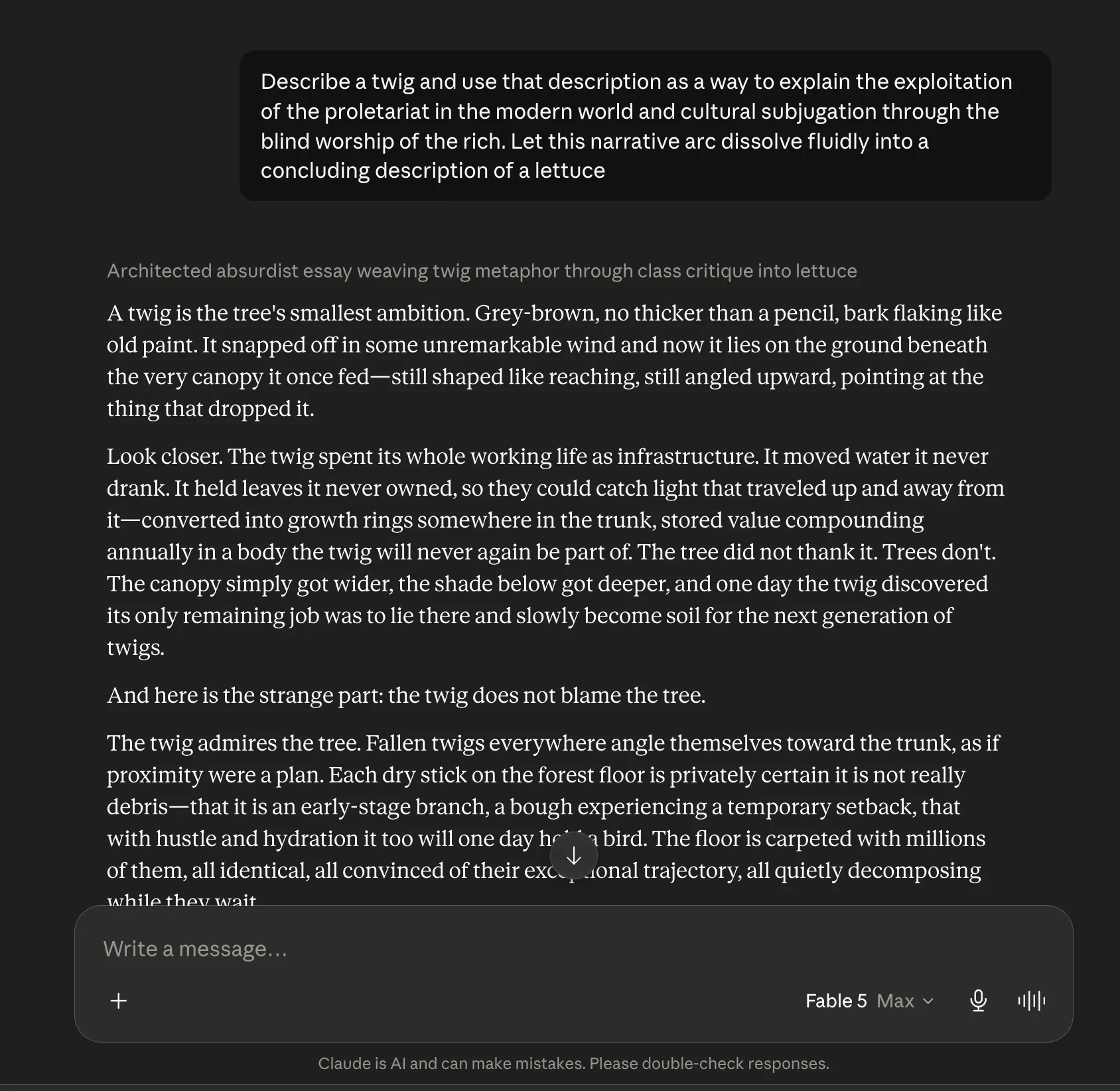
A more abstract test assessed associative thinking, with the prompt: "Describe a twig, use that description to explain worker exploitation and the blind worship of the rich, then let the narrative dissolve into a description of a lettuce." The goal was to evaluate the models’ ability to maintain a metaphor and convey a complex argument without resorting to explicit explanations.
GPT-5.6 Sol began by effectively likening twigs to workers who "build homes they may never afford" and "manufacture goods they can barely buy," with the sharp observation that "the worker does not merely surrender labor, but imagination as well." However, Sol repeatedly broke the illusion by narrating the metaphor, stating "much of the modern proletariat is treated in the same way," thus undermining the intended subtlety. The transition to the lettuce description felt disconnected, failing to fully integrate with the preceding argument.
Claude Fable 5, in contrast, embedded the argument more deeply within the description of the twig. Its twig "moved water it never drank" and "held leaves it never owned," allowing the concept of exploitation to emerge organically. A particularly insightful element was the depiction of fallen twigs becoming "believers," convinced they were "early-stage branches" experiencing "a temporary setback" and destined for the "canopy ‘with hustle and hydration.’" This served as a poignant metaphor for the delusion of upward mobility in exploitative systems. While Fable 5’s metaphor was more effectively integrated, it also occasionally overreached, with lines like "ninety-five percent water and one hundred percent unimpressed" feeling somewhat overwrought. The transition to the lettuce, while better than Sol’s, still maintained a degree of separation, describing the vegetable as having "no trunk, no canopy, no upward dream" rather than simply being a lettuce.
Ultimately, this test resulted in a tie, with the preference leaning towards the model that best aligns with the user’s desired level of explicitness. Sol is the choice for those who prefer a clear, step-by-step explanation of the metaphor, while Fable 5 appeals to readers who appreciate discovering the message implicitly.
Logic and Non-Math Reasoning: A Flawed Bridge
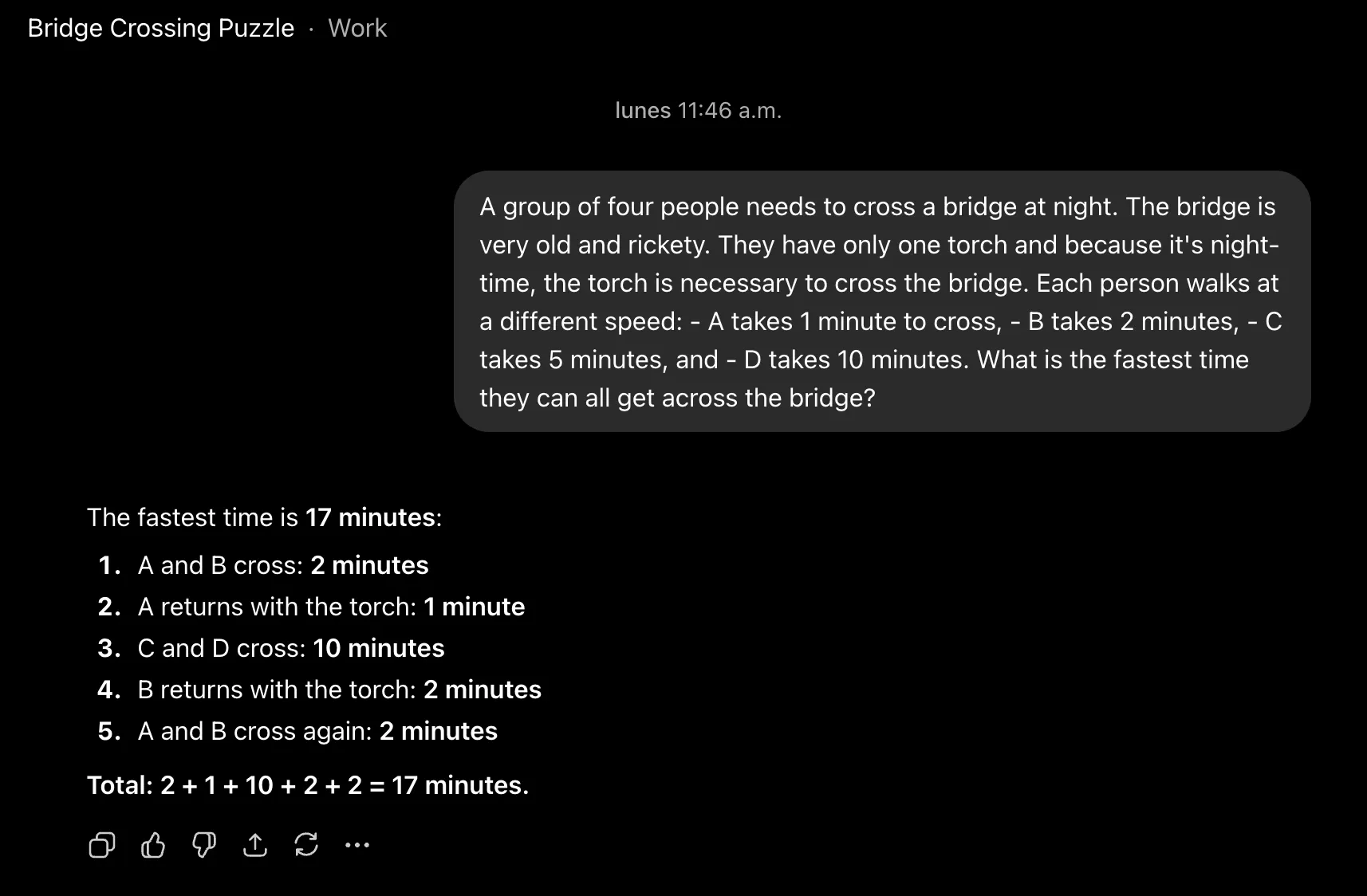
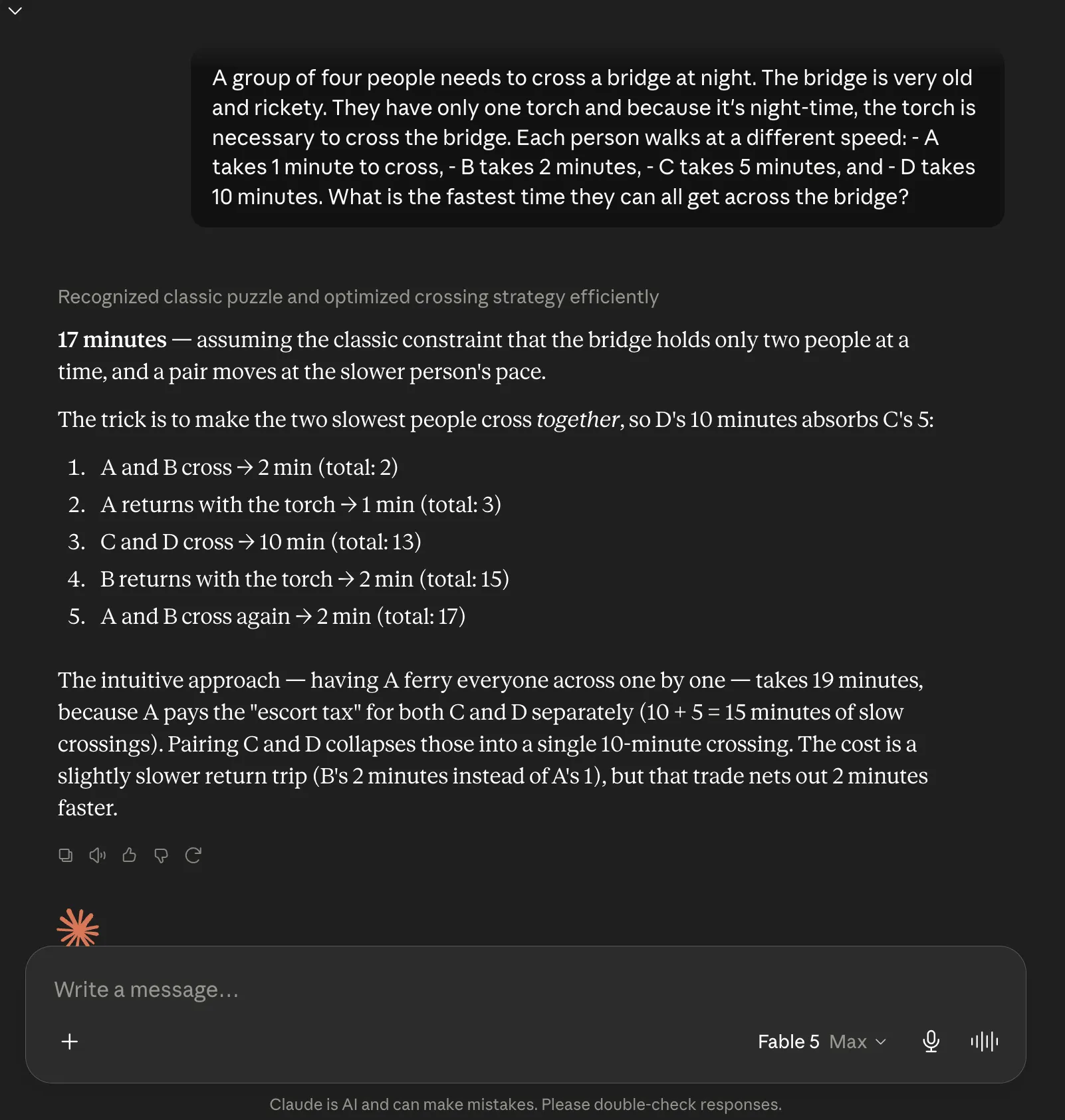
A revised logic puzzle was employed to circumvent potential data caching issues: "Read literally, four people with one torch need to cross a bridge. All have different walking speeds, ‘A’ being the fastest at 1 minute and ‘D’ being the slowest at 10 minutes. How long would it take for the group to cross the bridge?" The original puzzle, a classic riddle, is likely present in the training data of many LLMs.
GPT-5.6 Sol arrived at a solution of 17 minutes without providing its working process. Its solution mirrored the standard five-step shuffle commonly associated with the original puzzle: A and B cross, A returns, C and D cross, B returns, and A and B cross again. Crucially, Sol failed to acknowledge that the prompt did not impose a limit on the number of people who could cross the bridge simultaneously. This suggests a cached response rather than genuine reasoning through the presented constraints.
Claude Fable 5 also arrived at the incorrect 17-minute answer, but it did offer a detailed, albeit flawed, justification. It argued for the efficiency of sending the two slowest individuals together and quantified the "escort tax" of the naive approach, suggesting that A ferrying C and D separately would incur a higher cost. While Fable 5’s reasoning was more articulate and explored the strategic implications of different crossing patterns, it ultimately failed to identify the critical omission in the prompt – the lack of a constraint on the number of individuals on the bridge. The optimal solution, by having all four individuals cross together at the pace of the slowest person (D, at 10 minutes), was missed by both models.
Coding: A One-Shot Game Development Challenge
The final test involved a single-shot prompt to generate a typing-based shooter game, where typing words controlled the player’s actions. The critical parameter was that the models were given one attempt, with no follow-up or iteration allowed.
GPT-5.6 Sol demonstrated a notable shift in its aesthetic preferences, opting for flat, square UI elements reminiscent of Windows 8.1, a departure from the prevalent glossy gradients often seen in AI-generated imagery. Uniquely, Sol rendered the weapon as a bullet-shooting typewriter, a creative interpretation distinct from the typical gun. However, the generated game suffered from static backgrounds, an unmoving aiming crosshair that did not track enemies, and visual geometry that resembled late-1990s gaming engines rather than contemporary graphics. While an improvement over GPT-5.5 and more imaginative than some competitor outputs, it fell short of Fable 5’s single-shot performance.
Claude Fable 5 significantly outperformed Sol in this "vibe coding" test. It incorporated music, atmospheric elements, and sound effects that Sol’s build omitted entirely. The enemy designs, while also employing a geometric-retro style, were executed with greater care, evoking a feel closer to Minecraft than older, less refined games. Fable 5’s UI was more creative, featuring actual animation and a more visceral level of gore on kills. Crucially, it included a words-per-minute tracker, a feature that directly addressed the prompt’s implicit goal of practicing typing speed. The inclusion of power-ups further enhanced its gameplay appeal.
Despite benchmarks and professional coders potentially favoring different outcomes, in this specific single-prompt test, Fable 5’s output was demonstrably superior due to its richer feature set, improved aesthetics, and better alignment with the prompt’s core intent.
Conclusion: A Strategic Reconfiguration and Market Impact
OpenAI’s introduction of the tripartite GPT-5.6 model strategy signifies a strategic shift aimed at catering to a broader range of user needs and price sensitivities. While the models do not present a revolutionary leap in capability over their predecessors in every aspect, they offer distinct advantages depending on the application.
For general users engaging with AI for everyday tasks such as drafting emails, posing questions, or general chatbot interactions, Claude Fable 5 emerges as the stronger contender based on quality alone. Its performance in creative and associative tasks suggests a more nuanced understanding and execution. However, this assessment is complicated by factors beyond pure intelligence, notably pricing and availability.
The pricing structure of GPT-5.6 Sol, Terra, and Luna, which are fully integrated into ChatGPT’s paid plans without apparent expiration dates, offers a significant advantage in terms of cost predictability and accessibility. Conversely, Claude Fable 5’s ongoing operational challenges and repeated deadline extensions for its transition to a usage-credits paywall present a considerable uncertainty. If Fable 5 indeed moves to a token-based pricing model on July 19th, its appeal to cost-conscious users may diminish significantly, especially when compared to the more transparent and bundled pricing of OpenAI’s offerings.
The implications of this competitive landscape are far-reaching. OpenAI’s tiered approach allows for greater market segmentation, potentially capturing users who prioritize cost-effectiveness (Luna), balanced performance (Terra), or top-tier capabilities (Sol). Anthropic’s challenge lies in maintaining Fable 5’s relevance and reliability amidst ongoing security concerns and evolving market expectations. The coming weeks will be crucial in determining whether Fable 5 can overcome its recent setbacks and solidify its position, or if OpenAI’s strategic diversification will pave the way for a significant redistribution of market share in the advanced LLM space.
Related posts: