The XRP Ledger Approaches Crucial Validator Vote on Protocol Amendments, Signaling a Key Governance Milestone


The XRP Ledger (XRPL) is poised at a significant juncture as it enters a critical validator voting window for several proposed protocol amendments. This period intensifies focus on the XRPL’s established governance mechanism, detailing how evolutionary code changes transition from development into live, network-wide functionalities. The process underscores a deliberate approach to network upgrades, prioritizing stability and broad consensus over rapid implementation.
At the heart of this upgrade pathway lies the rippled release process and its integrated validator voting system. Unlike many blockchain protocols where consensus might be driven by token holders or a more decentralized, automated mechanism, XRPL’s evolution is directly influenced by its network of validators. These entities, responsible for validating transactions and maintaining the ledger’s integrity, hold the ultimate power to approve or reject protocol-level changes. The established protocol mandates an 80% consensus threshold, which must be sustained over a defined period, before any proposed amendment can be activated and integrated into the live network. This requirement acts as a critical safeguard, ensuring that significant shifts in the ledger’s architecture are not driven by narrow interests or rushed decisions.
This governance-centric narrative distinguishes the current developments from typical market-driven news. While price fluctuations and asset listings often dominate cryptocurrency headlines, the XRPL’s upgrade process highlights a more fundamental aspect of blockchain infrastructure: its capacity for measured, consensus-driven evolution. The fact that code releases do not automatically translate into network features is a testament to the XRPL’s design philosophy. Developers can propose and implement changes within the rippled software, but the ultimate activation rests with the validators. This distributed decision-making process provides participants with ample time to scrutinize new features, assess their potential impact, and ensure readiness before they become integral to the network.
For XRP holders, the outcomes of these validator votes carry significant weight. Protocol amendments can profoundly influence the future utility of XRP and the broader XRP Ledger ecosystem. Potential enhancements could span critical areas such as payment processing efficiency, the issuance and management of digital assets, and the sophistication of decentralized exchange (DEX) functionalities. Therefore, understanding the mechanics and implications of validator voting is paramount for comprehending the long-term trajectory of the XRP Ledger.
The Intricate Process of XRPL Amendments
The XRP Ledger employs a robust amendment process designed to facilitate controlled and secure protocol upgrades. When new features are developed and integrated into the rippled software, they are not instantly deployed across the network. Instead, these proposed changes are subject to a rigorous voting procedure by the ledger’s validators. This distributed consensus mechanism ensures that any significant alteration to the ledger’s core functionality requires widespread endorsement.
The journey of an amendment typically begins with its inclusion in a rippled release. Developers, often working under the purview of Ripple or contributing through open-source efforts, can propose new features or improvements. Once implemented in a release, these changes are presented to the validator network for consideration. Validators then engage in a voting process, signaling their approval or rejection of the proposed amendment.
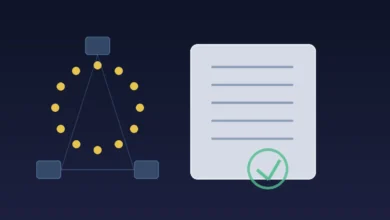
For an amendment to be activated, it must achieve and maintain a consensus of at least 80% of the validator network’s agreement. This threshold is not a one-time hurdle; it must be sustained over a specific duration. This prolonged period of consensus is crucial for several reasons. It allows ample time for all network participants, including developers, exchanges, wallet providers, and end-users, to understand the proposed changes, test their compatibility, and prepare for their integration. This measured approach is particularly vital for a ledger designed with a strong emphasis on payments and financial settlement, where stability and predictability are paramount.
This system offers a deliberate upgrade path, balancing the agility of software development with the stability required for a critical financial infrastructure. It empowers developers to innovate and deliver new code, while simultaneously granting validators a decisive role in determining the network’s readiness to adopt these advancements. If an amendment fails to garner sufficient validator support, it does not proceed to activation, preventing potentially disruptive or ill-conceived changes from being imposed on the network. The 80% consensus requirement effectively compels broad agreement, mitigating the risk of controversial or poorly understood modifications being rushed through.
The Pivotal Role of Validator Voting in XRPL Governance
Validators occupy a central position within the XRPL’s governance framework. Their collective decisions directly influence the evolution of the protocol, shaping the landscape of features and capabilities available to developers, exchanges, wallets, and end-users. The significance of validator voting often extends beyond the immediate market perception, which tends to gravitate towards more visible events like token listings, ETF speculation, or dramatic price surges. However, the subtle, yet impactful, decisions made during these voting windows are often more critical for the long-term health and development of the network.
Protocol upgrades facilitated by validator approval can have far-reaching consequences. They can enhance smart contract capabilities, introduce new functionalities for digital asset issuance and management, refine transaction types, improve the efficiency and security of decentralized exchanges, and bolster overall operational reliability. Successful amendments can unlock new avenues for development on the XRPL, fostering innovation and expanding its use cases. Conversely, stalled amendments can lead to delays in the ecosystem’s adoption of crucial capabilities, potentially impacting its competitive standing and growth potential.

Therefore, the current voting window, and indeed all such periods, warrants close observation by market participants and ecosystem stakeholders alike. They represent not just a technical checkpoint, but a fundamental expression of the network’s direction and its collective vision for the future.
Activation is Not an Inevitable Outcome: Understanding the Caveats
A crucial caveat that cannot be overstated is that the presence of proposed amendments within a rippled release does not guarantee their activation. Even when a feature has been technically developed and included in a software update, its integration into the live XRPL network is contingent upon securing and sustaining the requisite validator support. The 80% consensus threshold is a dynamic requirement, demanding consistent agreement rather than a fleeting endorsement. This means that activation can be postponed or even fail entirely if validators are not sufficiently convinced of the amendment’s merits or readiness.
This nuance is particularly important for market participants to grasp. A perceived "voting deadline" or the inclusion of an amendment in a release does not automatically signal an impending network upgrade. Instead, it signifies that the ecosystem is approaching a decision point. Validators retain the agency to support the proposed changes, withhold their support pending further review, or even express reservations that lead to delays. This flexibility is a cornerstone of the XRPL’s robust governance model, ensuring that network upgrades are approached with due diligence and technical confidence.
The XRPL’s upgrade process is deliberately designed to eschew the characteristics of marketing events. Rather than relying on hype or promotional campaigns, the activation of protocol changes depends on tangible factors: demonstrated technical merit, proven infrastructure readiness, and widespread community awareness and acceptance. This methodical approach ensures that the XRPL’s evolution is driven by sound technological principles and broad consensus, rather than by speculative momentum.
The Interplay Between XRP Utility and Network Progress
For XRP, the native digital asset of the XRP Ledger, its long-term value proposition is intrinsically linked to the ongoing progress and expanding utility of the ledger itself. The XRPL has consistently been positioned as a high-efficiency, low-cost solution for payments, settlement, asset tokenization, and rapid transaction processing. New amendments that successfully integrate and enhance these capabilities can significantly strengthen this narrative, attracting developers and fostering greater adoption.
However, it is essential to recognize the potential disconnect between market anticipation and actual adoption. The true impact of a protocol change is not measured solely by its approval by validators. It is ultimately determined by whether the amendment leads to increased network usage, the development of superior tools and applications, or a demonstrable surge in demand for the services it enables. Validator approval is a critical first step, but it is followed by the equally important stages of developer adoption and, ultimately, user demand.
This perspective underscores why discussions surrounding XRPL amendments should be framed around infrastructure progress and technological advancement, rather than speculative price predictions. While XRP traders may monitor amendment votes for indicators of ecosystem momentum, the practical, real-world impact hinges on what these amendments ultimately enable and whether the broader developer community chooses to leverage these new capabilities.
Currently, the XRP Ledger is navigating another significant governance checkpoint. The upcoming validator votes will provide valuable insights into whether the network’s validators are prepared to advance the next set of protocol changes closer to activation. This process, while perhaps less immediately visible than market price action, is fundamental to the XRPL’s sustained development and its ability to fulfill its ambitious vision in the global financial landscape.
This article draws its foundational information from the XRP Ledger’s rippled release materials, providing a factual account of its governance and upgrade mechanisms. The reporting and editorial oversight for this piece were conducted by the News Desk, with final review and editing by Samuel Rae, ensuring adherence to the publication’s standards for accuracy and objectivity.
Editorial Process and Content Integrity
The editorial process at bitcoinist is meticulously designed to ensure the delivery of content that is not only accurate and well-researched but also remains impartial and free from bias. We adhere to stringent sourcing protocols, rigorously verifying information from reliable origins. Each piece of content undergoes a thorough review by our team of leading technology experts and seasoned editors. This multi-layered approach guarantees that our content maintains its integrity, relevance, and value for our readership, providing them with dependable insights into the dynamic world of cryptocurrency and blockchain technology.
Related posts: