Apple Intelligence and iOS 27 Expected to Drive Record iPhone Upgrades Through Advanced AI Features and Hardware Exclusivity

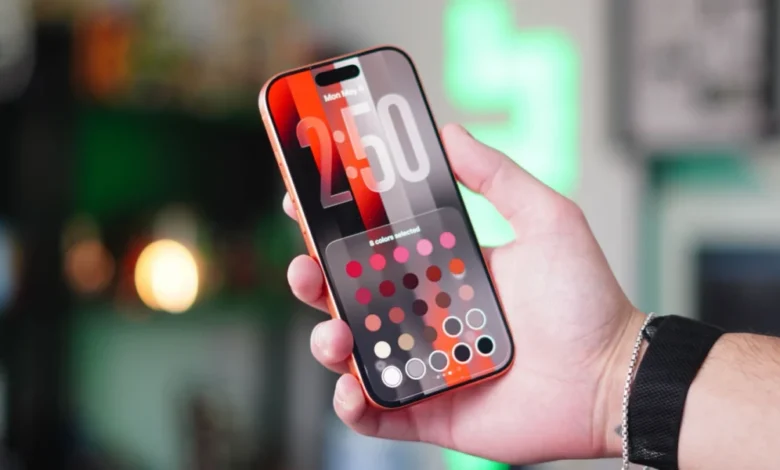
The upcoming unveiling of iOS 27 at the Worldwide Developers Conference (WWDC) 2026 marks a pivotal moment in Apple’s software trajectory, as early reports and supply chain rumors suggest a significant shift in the company’s upgrade philosophy. For over a decade, Apple has prided itself on the longevity of its devices, often providing the latest software updates to handsets released six or seven years prior. However, the anticipated debut of iOS 27 signals a departure from this trend, not necessarily through the wholesale abandonment of older hardware, but through a stark bifurcation of features. While the base operating system will remain compatible with several legacy models, the most transformative elements—collectively powered by the next generation of Apple Intelligence—will remain locked behind specific hardware requirements, potentially triggering one of the largest consumer upgrade cycles in the company’s history.
The Hardware Threshold and the End of Universal Feature Parity
Historically, an iPhone user running a three-year-old device could expect to enjoy nearly 90% of the features introduced in a new iOS version. With the advent of on-device Large Language Models (LLMs) and generative AI, that gap is widening into a chasm. iOS 27 is rumored to maintain compatibility with the iPhone 12 and newer models, yet this compatibility list does not tell the full story. The technical requirements for Apple Intelligence, which first debuted in a limited capacity in 2024, demand a level of Neural Engine performance and unified memory (RAM) that older devices simply do not possess.

The current hardware "floor" for Apple’s AI suite is the A17 Pro chip, found only in the iPhone 15 Pro and Pro Max, and the A18 and A19 chipsets found in subsequent releases. Devices such as the standard iPhone 15, the iPhone 14 series, and the widely used iPhone 13 are equipped with older silicon and, more importantly, less than the 8GB of RAM currently viewed as the minimum threshold for running Apple’s on-device generative models effectively. Consequently, while an iPhone 13 user may technically be able to install iOS 27, they will essentially be running a "lite" version of the OS, missing out on the core innovations that define the 2026 software suite.
The Evolution of Siri: From Voice Assistant to Personal Agent
The centerpiece of iOS 27 is a complete architectural overhaul of Siri. For years, Siri has operated on a command-and-response framework that often struggled with context and complex multi-step requests. iOS 27 is expected to replace this legacy system with a sophisticated LLM foundation, rumored to be inspired by or developed in collaboration with leading AI pioneers like Google (utilizing Gemini-class capabilities) and Apple’s own internal "Ajax" framework.
This new iteration of Siri is designed to be a "Personal Agent" rather than a simple voice interface. Key features expected to be exclusive to AI-supported hardware include:
- Onscreen Awareness: The ability for Siri to see what is on the user’s screen and take actions based on that content, such as adding a flight mentioned in a text message to the Calendar or editing a specific photo visible in the Photos app.
- Personal Context Awareness: Utilizing on-device indexing to understand the user’s relationships, frequent locations, and historical preferences to provide proactive suggestions.
- Chatbot Interface: A dedicated app and text-based interface that allows for long-form reasoning and content generation, similar to ChatGPT or Claude.
For users on older hardware, Siri will likely remain in its traditional form, creating a functional disparity that analysts believe will be the primary driver for new iPhone 17 and iPhone 18 sales.
Generative Integration Across the App Ecosystem
The impact of iOS 27 extends beyond Siri, embedding AI into the core applications that users interact with daily. According to leaked reports, the Photos app will receive a major update involving "Generative Clean Up" and "Semantic Search." While current versions of iOS allow for basic object removal, iOS 27 will reportedly allow users to describe complex edits—such as "change the background to a sunset in the Alps" or "make the lighting match a cinematic noir style"—which the device will then render locally.
Furthermore, the system-wide integration of generative tools includes:
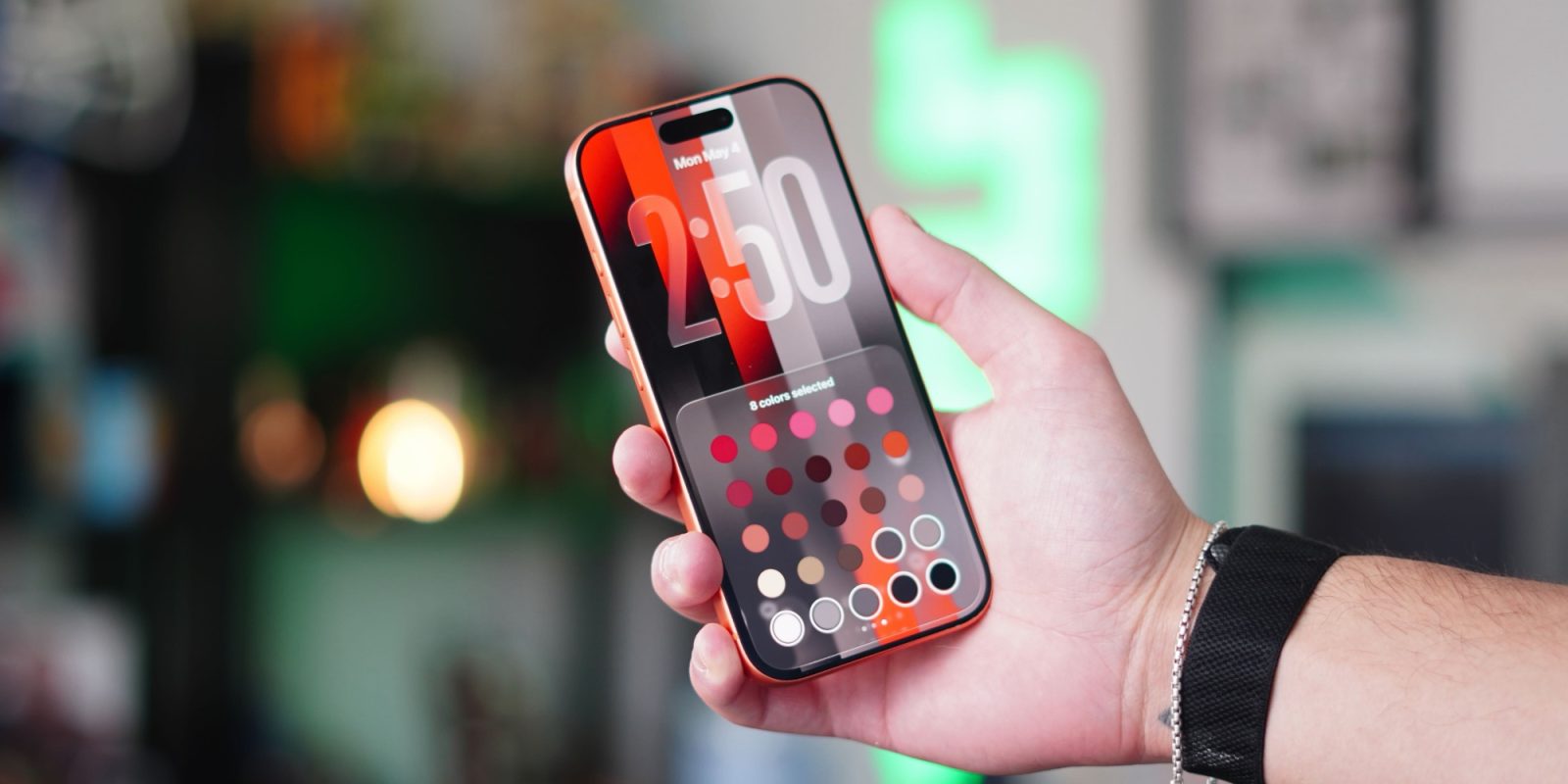
- Custom Wallpaper Generation: A feature allowing users to create unique, high-resolution wallpapers based on text prompts, utilizing on-device diffusion models.
- Universal Video Subtitles: Real-time, AI-generated captioning for any video content playing on the device, regardless of the source, powered by the Neural Engine to ensure privacy and low latency.
- Natural Language Shortcuts: The Shortcuts app, often criticized for its steep learning curve, will reportedly allow users to build complex automations simply by describing them in plain English.
Each of these features requires significant computational overhead. By tethering these capabilities to the latest silicon, Apple is making a clear statement: the future of the iPhone is defined by its ability to process AI locally.
Chronology of the Apple Intelligence Rollout
To understand the weight of the iOS 27 launch, one must look at the timeline of Apple’s AI development.
- June 2024: Apple announces "Apple Intelligence" at WWDC, focusing on basic text summarization and revamped notification management for the iPhone 15 Pro.
- September 2025: iOS 26 expands these features, introducing Image Wand and more advanced writing tools, but still leaves the core Siri experience largely untouched.
- Spring 2026: Leaks begin to emerge regarding "Project Quartz," the internal codename for the iOS 27 Siri overhaul.
- June 2026 (Upcoming): The official unveiling of iOS 27, which is expected to represent the "full realization" of Apple’s AI ambitions.
This measured rollout has allowed Apple to refine its "Private Cloud Compute" infrastructure, ensuring that when AI tasks are too complex for the phone to handle locally, they are sent to Apple-silicon-powered servers in a way that is mathematically verifiable as private. This privacy-first approach is a key marketing pillar that Apple intends to use to differentiate itself from competitors like Google and Samsung.
Market Analysis and the "Supercycle" Potential
Market analysts from firms such as Goldman Sachs and Morgan Stanley have begun adjusting their projections for the 2026-2027 fiscal years, citing the "AI-driven upgrade cycle." There is a massive "installed base" of users currently holding onto iPhone 12 and iPhone 13 models. These devices, while still functional, are approaching the end of their peak performance life. In previous years, these users might have opted for a simple battery replacement to extend the life of their phones. However, the lure of a vastly more capable, AI-integrated device may finally push them to upgrade.
"Apple is successfully moving the goalposts for what constitutes a ‘modern’ smartphone experience," says one industry analyst. "By making the most desirable features of iOS 27 hardware-dependent, they are creating a compelling narrative that an iPhone 13 is no longer just an ‘older’ phone, but a ‘limited’ one."
This strategy also serves to bolster Apple’s Services revenue. AI-driven features are expected to be integrated with Apple One subscriptions, offering "Premium AI" tiers that provide even more powerful cloud-based processing for professional users, further locking consumers into the Apple ecosystem.
Implications for Privacy and On-Device Processing
A critical component of the iOS 27 narrative is Apple’s refusal to compromise on privacy. While competitors often rely on cloud-based processing for their most advanced AI features—which involves transmitting user data to external servers—Apple’s insistence on on-device processing for iOS 27’s core features is a double-edged sword.
On one hand, it reinforces Apple’s brand as a guardian of user privacy. On the other hand, it necessitates the strict hardware requirements that are frustrating some long-term users. The high-performance Neural Engine in the A18 and A19 chips allows for the execution of billions of operations per second without the data ever leaving the device. For Apple, the hardware exclusivity is not just a sales tactic; it is a technical requirement of their privacy-centric architecture.
Conclusion: A New Era for the iPhone
As the tech industry looks toward the WWDC 2026 keynote, the stakes for iOS 27 have never been higher. The update represents more than just a seasonal refresh; it is a foundational shift in how users interact with their mobile devices. By transitioning Siri into a proactive agent and embedding generative AI into the fabric of the operating system, Apple is attempting to redefine the smartphone for the next decade.

While the exclusion of older models from these "headline" features may cause short-term friction among the user base, the long-term strategy is clear. Apple is betting that the utility and "magic" of a truly intelligent phone will outweigh the cost of an upgrade, effectively turning iOS 27 into the catalyst for a new era of mobile computing. Whether consumers will embrace this AI-centric future with the enthusiasm Apple expects will be the defining story of the smartphone market in 2026 and beyond.