Apple Solidifies Silicon Valley Dominance with New Sunnyvale Lease Amidst Resurgent South Bay Real Estate Market

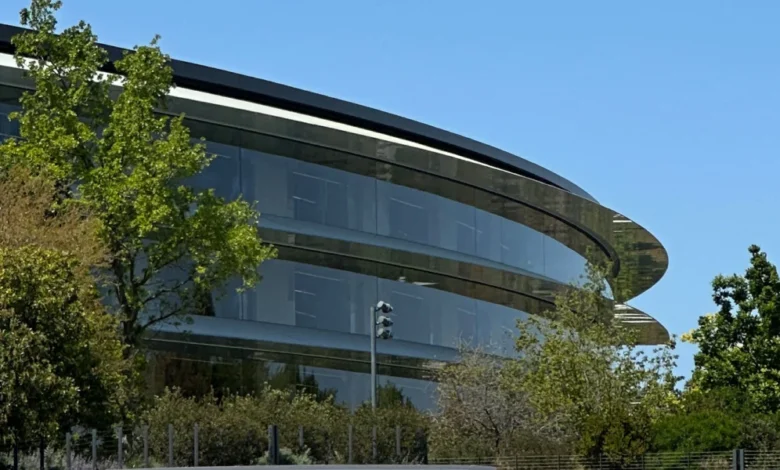
Apple has officially expanded its significant real estate holdings in the South Bay by securing a lease for a 125,800-square-foot office building located at 580 North Mary Avenue in Sunnyvale, marking a strategic continuation of the tech giant’s aggressive physical expansion within Silicon Valley. This latest move, first identified through public records and reported by The Mercury News, signals that the iPhone maker is not slowing down its efforts to consolidate its presence near its Cupertino headquarters, even as the broader commercial real estate market continues to navigate the complexities of post-pandemic work cultures. The transaction represents Apple’s first major reported real estate commitment of 2026, following a year of unprecedented spending in which the company funneled more than $1 billion into property acquisitions and leases across the region.
The new facility at 580 North Mary Avenue adds to a growing cluster of Apple-occupied buildings in Sunnyvale, a city that has increasingly become a secondary hub for the company’s hardware engineering and specialized research divisions. While Apple has not publicly commented on the specific intended use for the North Mary Avenue site, the building’s specifications and location suggest it will likely house engineering teams or research and development labs. This acquisition comes at a time when Apple is reportedly deepening its investments in artificial intelligence, spatial computing, and proprietary silicon development—all of which require high-security, specialized office and lab environments that are difficult to replicate in remote work settings.
The Context of the 2025 Expansion Spree
To understand the significance of this latest lease, one must look at the momentum Apple built throughout 2025. Over the course of twelve months, the company engaged in a series of high-profile acquisitions that fundamentally reshaped the real estate landscape of the South Bay. This "billion-dollar push" was characterized by a shift from long-term leasing to outright ownership of several key campuses.
In June 2025, Apple made waves with the $166.9 million purchase of the Cupertino Gateway complex. This three-building site, which Apple had already occupied for years, solidified the company’s control over a critical entry point to its home city. Only days later, the company executed a $350 million acquisition of the Mathilda Commons campus in Sunnyvale. This two-building complex provided high-end, modern office space designed for the collaborative needs of modern tech workers.
The expansion continued into July 2025, when Apple spent an additional $365 million to acquire the neighboring four-building Mathilda Campus. By purchasing these adjacent properties, Apple effectively created a contiguous corridor of corporate space in Sunnyvale, allowing for easier movement of staff and resources between buildings. The year concluded with a $216 million purchase of two buildings along Stevens Creek Boulevard in Cupertino. By the end of 2025, Apple had added more than 1.5 million square feet of office and laboratory space to its portfolio, a move that many analysts interpreted as a firm rejection of the "permanent remote work" trend seen in other sectors of the economy.

Analyzing the South Bay Commercial Recovery
The timing of Apple’s new lease at 580 North Mary Avenue coincides with a broader recovery in the South Bay commercial real estate market. According to recent data from Colliers, a leading global real estate services firm, the office vacancy rate in the South Bay—which includes Santa Clara County and the city of Fremont—has shown steady improvement over the last year.
In the second quarter of 2025, the vacancy rate stood at a concerning 16.2%. However, as major tech firms began firming up their return-to-office policies and reinvesting in physical infrastructure, that number began to decline. By the fourth quarter of 2025, the vacancy rate had dropped to 14.8%. The most recent data for the second quarter of 2026 shows a further decline to 14.1%.
This downward trend in vacancy suggests a "flight to quality," where top-tier technology companies are snapping up Class A office spaces while older, less modern buildings continue to struggle. Apple’s decision to lease a six-figure square-footage building in Sunnyvale is a primary driver of this market tightening. Real estate analysts suggest that when a "tentpole" tenant like Apple commits to a location, it often triggers a halo effect, encouraging service providers, contractors, and smaller tech firms to seek space in the immediate vicinity.
Competitive Land Grab: The Amazon Factor
Apple is not the only titan of industry expanding its footprint in Sunnyvale. The Mercury News report also highlighted a significant move by Amazon, which has agreed to lease 316,600 square feet of office space at 1000 Enterprise Way. This massive lease further cements Sunnyvale’s reputation as a preferred destination for "Big Tech."
The competition between Apple and Amazon for prime real estate in the South Bay reflects a broader strategic rivalry. Both companies are heavily invested in cloud computing, artificial intelligence, and consumer hardware. By securing large blocks of space in the same geographic area, these companies are positioning themselves to tap into the same talent pool of engineers and researchers who reside in the South Bay.
For Sunnyvale, the simultaneous expansion of Apple and Amazon represents a significant economic boon. The influx of high-salaried employees contributes to the local tax base and supports a wide array of ancillary businesses, from catering and facility management to retail and hospitality. However, the concentration of these tech giants also places continued pressure on the local housing market and transportation infrastructure, perennial challenges for the Silicon Valley region.
Chronology of Apple’s Recent Real Estate Activity
The following timeline illustrates Apple’s strategic moves to dominate the South Bay real estate market over the past 14 months:
- June 2025: Apple purchases the three-building Cupertino Gateway complex for $166.9 million.
- June 2025: Apple acquires the two-building Mathilda Commons campus in Sunnyvale for $350 million.
- July 2025: Apple buys the four-building Mathilda Campus in Sunnyvale for $365 million.
- December 2025: Apple closes a $216 million deal for two buildings on Stevens Creek Boulevard in Cupertino.
- January – June 2026: Period of relative quiet as the company integrates its billion-dollar acquisitions.
- July 2026: Apple signs a new lease for 125,800 square feet at 580 North Mary Avenue in Sunnyvale.
Implications for Apple’s Long-Term Strategy
Apple’s continued investment in physical office space serves as a tangible indicator of its corporate philosophy regarding collaboration and innovation. Unlike some of its peers in the software industry who have embraced "remote-first" models, Apple has consistently maintained that in-person collaboration is essential for the development of integrated hardware and software products.
The 580 North Mary Avenue lease is particularly telling because it is a lease rather than a purchase. This suggests a degree of tactical flexibility. While the company spent 2025 buying core assets to ensure long-term stability and control, leasing additional space allows them to scale specific project teams quickly without the long-term capital commitment of a purchase.
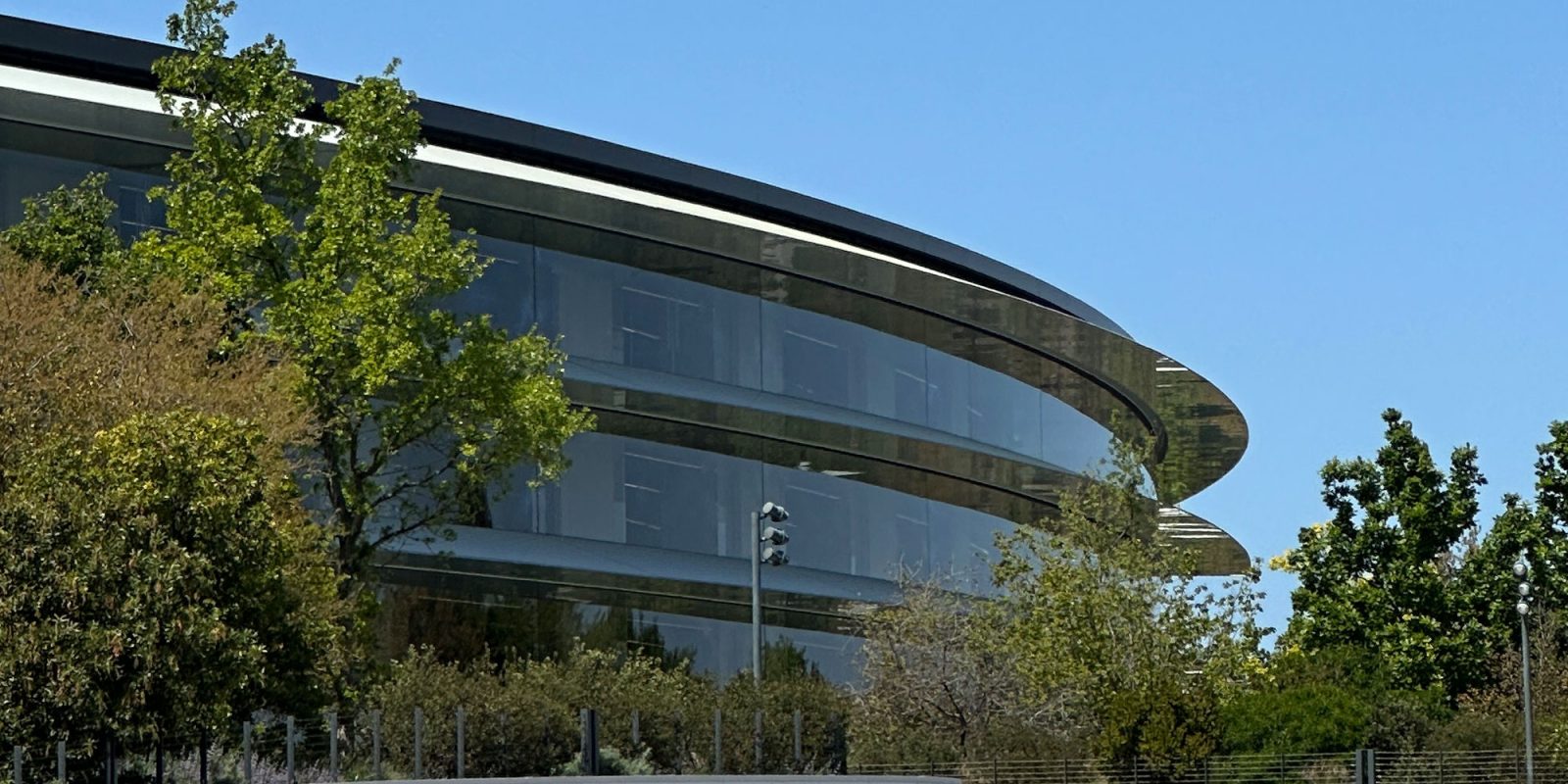
Furthermore, the focus on Sunnyvale is strategic. As Apple Park and the Infinite Loop campus in Cupertino reach maximum capacity, Sunnyvale offers the closest high-quality alternative. The city’s zoning laws and existing inventory of R&D-heavy office parks make it an ideal overflow valve for Apple’s secretive hardware projects.
Regional Economic Impact and Community Reaction
The reaction from local officials and economic development groups has been largely positive, though tempered by concerns regarding cost of living. Sunnyvale’s city leadership has historically welcomed tech expansion, as it provides the fiscal resources necessary to maintain high-quality public services.
"The continued commitment of companies like Apple and Amazon to our city reinforces Sunnyvale’s position at the heart of the global innovation economy," noted a local economic analyst. "However, the challenge remains to ensure that our infrastructure and housing supply can keep pace with this level of commercial growth."

The "Apple effect" on real estate prices is well-documented. Whenever the company expands its footprint, residential property values in the surrounding neighborhoods tend to rise, driven by employees looking for shorter commutes. For current homeowners, this is a windfall; for prospective buyers and renters, it represents a deepening of the affordability crisis that has come to define Silicon Valley.
Conclusion: A Future Built on Physical Presence
As Apple moves into the second half of 2026, its real estate strategy appears more robust than ever. By combining massive capital expenditures for property ownership with targeted leases for expansion, the company is building a fortress-like presence in the South Bay. The new lease at 580 North Mary Avenue is more than just a real estate transaction; it is a statement of intent. It signals that Apple believes its future growth will be driven by the same principles that built its past: the gathering of the world’s brightest minds in dedicated, high-tech physical environments to create the next generation of consumer technology.
With vacancy rates declining and competition for space from rivals like Amazon heating up, Apple’s proactive approach ensures that it will not be squeezed out of its own backyard. As the company continues to push the boundaries of AI and hardware, its ever-expanding map of Sunnyvale and Cupertino offices will remain the engine room of its global operations.