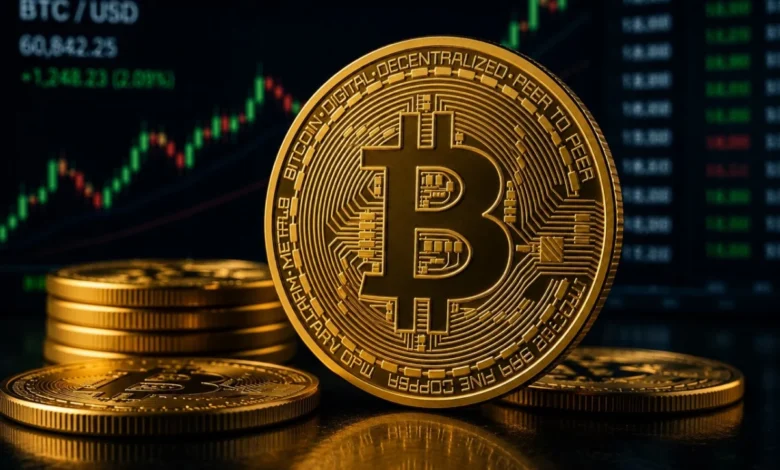
Tesla’s upcoming Q2 earnings report is once again drawing significant investor attention to the electric vehicle manufacturer’s substantial Bitcoin holdings, with particular scrutiny on whether the company maintained its 11,509 BTC corporate treasury position throughout the second quarter of 2026. Scheduled for release on July 22, this earnings call represents a crucial checkpoint for one of the most prominent non-crypto-native entities holding Bitcoin on its balance sheet. While recent official disclosures indicate Tesla’s Bitcoin balance has remained static, the upcoming report will serve as another key confirmation point for this highly visible corporate treasury strategy. It is imperative for market observers to note that current validated materials do not provide evidence of any Bitcoin transactions—either purchases or sales—by Tesla during Q2. The narrative, therefore, centers on the disclosure window and the company’s confirmation, or potential alteration, of its established Bitcoin treasury. This ongoing attention is warranted, as Tesla continues to be one of the few major publicly traded operating companies with a material Bitcoin allocation.
The Enduring Significance of Tesla’s Bitcoin Balance
The continued interest in Tesla’s Bitcoin holdings stems from its unique position as a non-crypto-native corporation. Unlike Bitcoin miners, exchanges, or dedicated crypto treasury firms, where substantial Bitcoin holdings are an expected component of their business model, Tesla’s involvement signals a broader acceptance and integration of digital assets within traditional corporate finance. The presence of Bitcoin on the balance sheet of a leading technology and manufacturing powerhouse like Tesla signifies a more widespread validation of the digital asset as a store of value or a reserve asset. This is precisely why Tesla’s Bitcoin allocation continues to capture market attention years after its initial entry into the asset class.
While Tesla has previously adjusted its Bitcoin holdings, its remaining balance is still considered material. A confirmation of an unchanged position in the upcoming earnings report would suggest a sustained commitment to treating Bitcoin as a long-term reserve asset, rather than a speculative or temporary venture. For proponents of Bitcoin, such continuity holds significant psychological weight. The narrative of corporate treasury adoption is a cornerstone of Bitcoin’s long-term growth potential, extending beyond the influence of cryptocurrency-specific funds and exchange-traded products. It signifies a willingness among established operating companies to integrate Bitcoin alongside traditional assets like cash, securities, and other balance-sheet holdings. In this context, Tesla’s continued holding serves as a high-profile case study for this evolving trend.
Earnings Reports: The Definitive Checkpoints for Corporate Holdings
Corporate Bitcoin holdings are not typically updated in real-time, unlike stock prices or commodity futures. Investors and market analysts often must await scheduled financial disclosures, such as quarterly earnings reports, annual filings, or specific investor updates, to ascertain any changes in a company’s digital asset positions. This makes earnings season a critical period for companies with known cryptocurrency exposure, as it provides the most authoritative confirmation of their asset allocations.
Tesla’s Q2 earnings report on July 22, 2026, falls precisely into this category of essential checkpoints. If the company reiterates its holding of 11,509 BTC, the market will likely interpret this as a continuation of existing strategy rather than a new catalyst for significant price movement. However, any deviation from this figure—whether an increase or decrease—could elicit a more pronounced market reaction. A sale, for instance, might spark discussions regarding Tesla’s liquidity needs or its confidence in Bitcoin as a treasury asset. Conversely, a purchase would undoubtedly reignite conversations surrounding the broader trend of corporate Bitcoin adoption. In the absence of definitive information, the prudent approach for all stakeholders is to await the official filing.
Distinguishing Tesla’s Strategy from MicroStrategy’s Approach
It is crucial to differentiate Tesla’s approach to Bitcoin from that of companies like MicroStrategy. MicroStrategy has fundamentally built its market identity and investor narrative around the aggressive accumulation of Bitcoin, making it the central pillar of its capital strategy. Tesla, on the other hand, has not adopted such a singular focus. Its core business remains firmly rooted in electric vehicles, energy storage solutions, software development, and related technological innovation. Bitcoin, in Tesla’s case, is primarily viewed as a treasury position, a component of its diversified asset allocation, rather than the linchpin of its capital deployment.
This distinction is of paramount importance. Tesla can maintain a Bitcoin holding without transforming into a Bitcoin treasury company, nor is it obligated to make a major strategic pronouncement with every quarterly report concerning its digital asset. For Tesla’s investors, the Bitcoin balance is but one element within the broader financial picture. Factors such as profit margins, vehicle delivery numbers, investments in artificial intelligence, energy sector revenue, operating costs, and future guidance are likely to exert a more substantial influence on the company’s stock performance.
However, for the Bitcoin market itself, Tesla’s treasury line item retains a significant symbolic weight. A continued commitment to holding Bitcoin reinforces the narrative that major, established corporations can maintain exposure to this digital asset, even when it is not their primary line of business. This lends credence and broader appeal to the narrative of widespread corporate adoption, demonstrating that diversification into digital assets can be a viable strategy for non-specialized entities.
Key Market Watchpoints in Tesla’s Q2 Disclosure
As the market anticipates Tesla’s Q2 earnings report, several key areas will be under particular scrutiny regarding its Bitcoin holdings.
Confirmation of Bitcoin Balance
The most immediate and critical watchpoint will be the confirmation, or lack thereof, of the 11,509 BTC figure. This number has been a consistent benchmark, and any change will be immediately noticeable.
Narrative and Language Surrounding Digital Assets
Beyond the quantitative figure, investors will carefully examine any qualitative statements made by Tesla regarding its digital assets. This includes any commentary on impairment charges, fair-value accounting methodologies applied to digital assets, or explicit mentions of its treasury strategy concerning Bitcoin. Even subtle shifts in wording can attract significant attention, given the extensive public discussion surrounding Tesla’s Bitcoin position since its initial investment.
Market Conditions and Interpretation
The prevailing market conditions for Bitcoin at the time of the earnings release will inevitably influence how Tesla’s disclosure is interpreted. If Bitcoin is experiencing a strong upward trend leading into the report, an unchanged Tesla balance might be seen as reinforcing positive sentiment and a stable corporate commitment. Conversely, if Bitcoin is in a downturn, the same unchanged balance might be perceived as less impactful or even a sign of caution. The broader context of the cryptocurrency market is therefore integral to understanding the market’s reaction to Tesla’s disclosures.
Contextualizing the Disclosure Window
Ultimately, the July 22 earnings report will provide an official, albeit periodic, update point for investors tracking Tesla’s Bitcoin strategy. It is crucial to manage expectations and avoid overstating the significance of the disclosure before the official documents are released. As of the current reporting period, Tesla has not publicly confirmed any Bitcoin purchases or sales in Q2. The primary narrative remains centered on the fact that one of the world’s most influential public companies is approaching another critical disclosure juncture with a substantial Bitcoin treasury still in sharp focus. This ongoing visibility and the potential for confirmation of a stable holding are, in themselves, noteworthy.
Historical Context of Tesla’s Bitcoin Investment
Tesla’s journey into the world of Bitcoin began in early 2021, a period marked by a surge in institutional interest in the cryptocurrency. On February 8, 2021, Tesla announced in a filing with the U.S. Securities and Exchange Commission (SEC) that it had purchased approximately $1.5 billion worth of Bitcoin. This disclosure sent shockwaves through both the automotive and cryptocurrency sectors, with Bitcoin’s price surging in response. At the time, the company cited its new investment policy to maximize returns by diversifying its cash holdings.
In the ensuing months, Tesla’s stance on Bitcoin evolved. During the first quarter of 2021, the company announced it had begun accepting Bitcoin as payment for its vehicles, though this policy was later suspended in May 2021 due to concerns over the environmental impact of Bitcoin mining. This initial period saw significant volatility in Tesla’s Bitcoin holdings. In April 2021, Tesla reported selling a portion of its Bitcoin holdings, approximately 10% of its initial stake, generating $272 million in cash proceeds. This sale was presented as a test of liquidity and a means to offset costs associated with its Bitcoin mining operations.
The subsequent period saw further adjustments. By the end of the first quarter of 2022, Tesla had significantly reduced its Bitcoin exposure, selling 75% of its holdings. This decision was attributed to uncertainties regarding the COVID-19 pandemic and the desire to conserve cash. However, this was not the end of Tesla’s Bitcoin story. In the second quarter of 2022, Tesla reported that it had not sold any of its remaining Bitcoin. This marked a shift back towards a more stable holding strategy, with the company indicating its intention to hold its Bitcoin for the long term. Since then, the company has largely maintained its reported 11,509 BTC balance, with disclosures in subsequent earnings reports confirming this position, barring any official announcements of transactions. The upcoming Q2 2026 earnings report is therefore the latest in a series of critical updates that investors will use to gauge the company’s ongoing commitment to this digital asset.
Broader Implications for Corporate Adoption and Bitcoin’s Narrative
Tesla’s role in the corporate adoption of Bitcoin extends beyond its financial holdings; it serves as a powerful ambassador for the digital asset within traditional business circles. As a company renowned for innovation and forward-thinking strategies, Tesla’s willingness to allocate a portion of its corporate treasury to Bitcoin lends significant credibility to the cryptocurrency as a legitimate asset class for large corporations. This contrasts sharply with the skepticism or outright dismissal that Bitcoin has sometimes faced from established financial institutions.
The narrative of Bitcoin as a potential hedge against inflation, a store of value, or even a medium of exchange is amplified when championed by a company of Tesla’s stature. While MicroStrategy has become synonymous with aggressive Bitcoin accumulation, Tesla’s more measured approach—treating it as a treasury reserve rather than a primary business driver—offers a different, perhaps more broadly applicable, model for other corporations to consider. It demonstrates that an operating company can integrate Bitcoin into its financial strategy without compromising its core business objectives.
Furthermore, the ongoing stability of Tesla’s Bitcoin holdings, as reported in its financial statements, contributes to the broader narrative of Bitcoin’s resilience and its potential to function as a long-term store of value. This stability, even amidst market fluctuations, reinforces the idea that Bitcoin is maturing from a speculative asset into a potential component of diversified corporate treasuries. For Bitcoin proponents, this validation from a major industrial player is invaluable, helping to legitimize the asset class and pave the way for wider institutional adoption. The attention paid to Tesla’s disclosures, therefore, is not merely about the financial implications for the company itself but also about the symbolic weight it carries for the future of digital assets in the corporate world. The upcoming earnings report is another chapter in this ongoing story of corporate integration, offering a glimpse into how a global leader is navigating the evolving landscape of digital finance.
This article is based on Tesla investor relations materials and publicly available financial disclosures.
This article was written by the News Desk and edited by Samuel Rae.
Related posts: