Everything We Know About the MacBook Neo 2 Apple Next-Generation Affordable Laptop and the Shift to A19 Pro Silicon

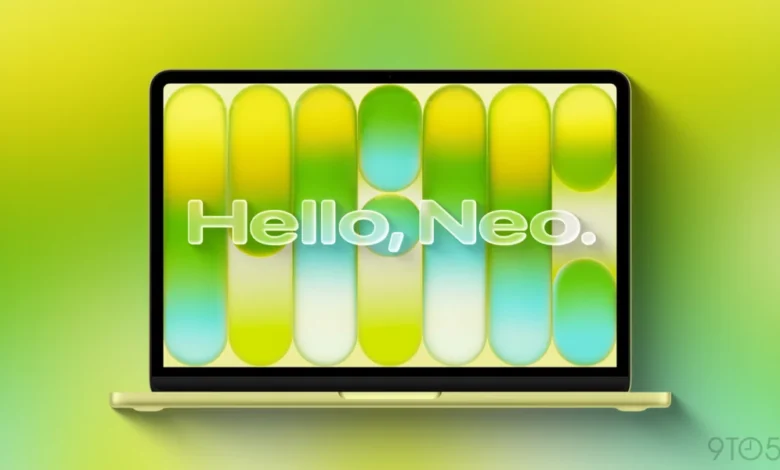
The release of the MacBook Neo in early 2026 marked a pivotal shift in Apple’s hardware strategy, successfully bridging the gap between the high-performance MacBook Air and the ultra-portable iPad Pro. Since its debut in March, the MacBook Neo has exceeded sales expectations, leading to reported supply chain constraints as Apple struggled to meet the global demand for its most affordable laptop. As the technology industry moves into the next product cycle, internal reports and supply chain leaks have begun to illuminate the path for its successor, tentatively titled the MacBook Neo 2. This upcoming iteration aims to address the few criticisms of the first generation—specifically regarding memory capacity and AI processing—while leveraging Apple’s latest advancements in mobile silicon.
The Evolution of Apple Silicon: Transitioning to the A19 Pro
At the heart of the MacBook Neo 2 is the anticipated transition to the A19 Pro chip. The current MacBook Neo utilizes the A18 Pro, the same processor found in the iPhone 16 Pro. This strategy of repurposing high-end mobile chips for entry-level computing has proven to be a masterstroke for Apple, allowing the company to maintain high margins while offering performance that rivals traditional mid-range laptops.
According to data compiled from Bloomberg and industry insiders, the A19 Pro represents a significant leap in efficiency and graphical power. Early benchmarks suggest that the A19 Pro will offer a 10% to 15% improvement in single-core and multi-core CPU tasks compared to the A18 Pro. While these incremental gains are standard for year-over-year processor updates, the real story lies in the Graphical Processing Unit (GPU).

The A19 Pro is expected to deliver a massive 40% boost in GPU performance. This surge is attributed to a fundamental architectural change: the integration of dedicated Neural Accelerators into every individual GPU core. This design choice reflects Apple’s broader corporate shift toward "Apple Intelligence," ensuring that even their most affordable laptop can handle complex graphical rendering and machine learning tasks that were previously reserved for the MacBook Pro line.
Chip Binning and the 5-Core GPU Strategy
A critical component of Apple’s manufacturing efficiency is "binning"—the process of sorting chips based on their performance characteristics and minor manufacturing variances. Reports from tech correspondent Tim Culpan indicate that the MacBook Neo 2 will utilize a binned version of the A19 Pro. While the flagship iPhone 17 Pro and the rumored "iPhone Air" will feature the full-spec A19 Pro with a 6-core GPU, the MacBook Neo 2 will likely utilize a version with a 5-core GPU.
This binning strategy serves two purposes. First, it allows Apple to maximize the yield from its 3-nanometer (or potentially 2-nanometer) fabrication process at TSMC. Second, it creates a logical performance tier between the iPhone, the entry-level Mac, and the higher-end M-series Macs. Despite the reduction of one GPU core, the architectural improvements in the A19 Pro mean the MacBook Neo 2 will still significantly outperform the current model in gaming, video editing, and AI-driven workflows.
Addressing the Memory Bottleneck: The Move to 12GB
One of the primary criticisms of the original MacBook Neo was its 8GB of Unified Memory. In an era where Apple has transitioned the majority of the Mac lineup to a 16GB baseline to support intensive multitasking and modern software suites, the Neo’s 8GB was viewed by some as a compromise.
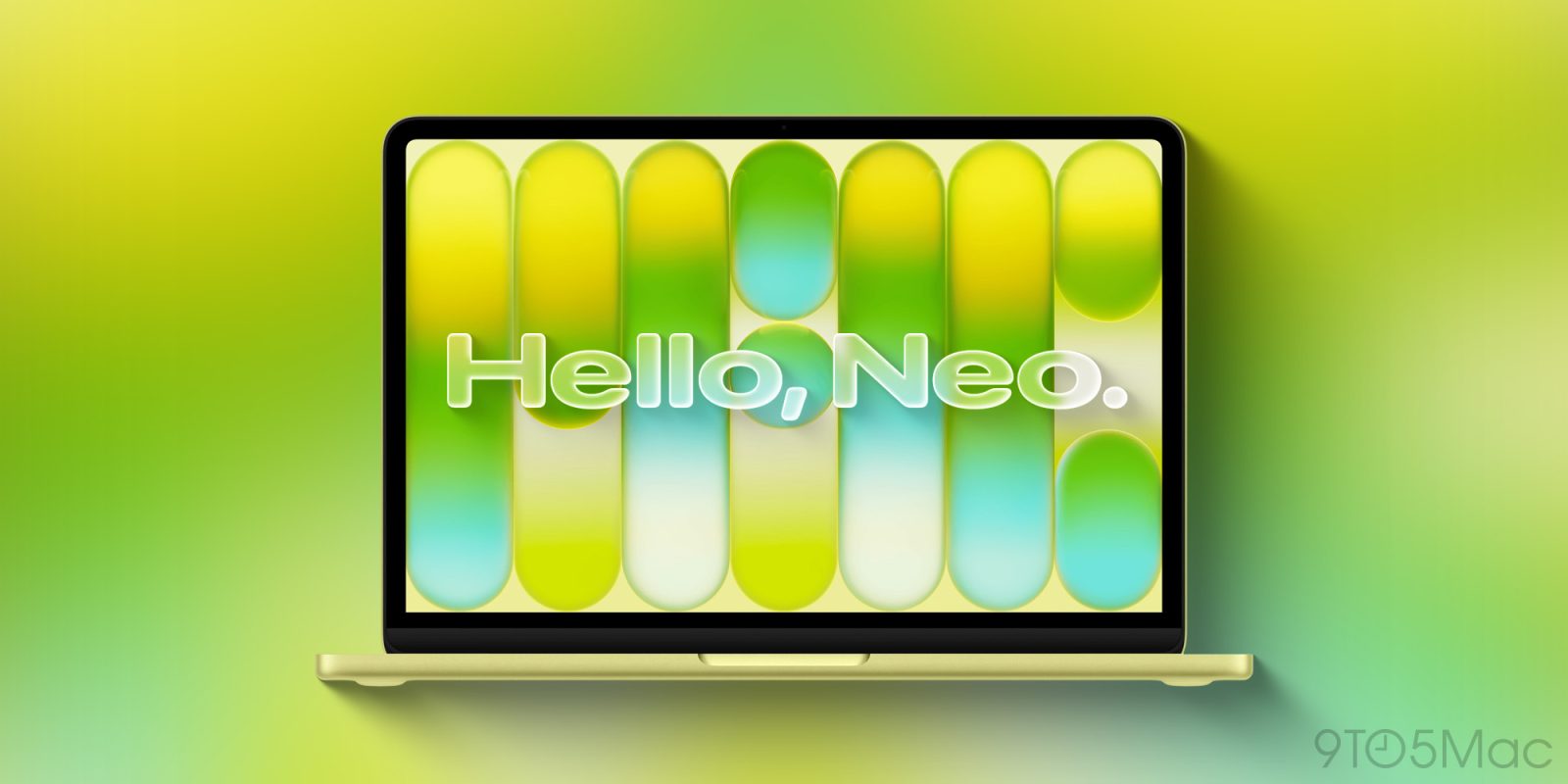
For the second-generation MacBook Neo, Apple is expected to increase the base memory to 12GB. This 50% increase is not just a marketing move but a technical necessity driven by the A19 Pro’s architecture. The 12GB configuration is expected to provide the necessary "headroom" for the operating system to manage both traditional applications and the increasing demands of on-device Large Language Models (LLMs). While power users may still advocate for 16GB, the move to 12GB is seen as a pragmatic middle ground that maintains the device’s "affordable" price point while ensuring a smooth user experience for the target demographic of students and casual users.
Next-Generation AI and Siri Integration
The combination of the A19 Pro chip and the 12GB memory upgrade is specifically designed to unlock a new tier of Apple Intelligence features. At the most recent Worldwide Developers Conference (WWDC), Apple showcased a series of advanced on-device AI models that require higher memory bandwidth and more sophisticated neural processing than the current A18 Pro can provide.
The MacBook Neo 2 will be the first entry-level Mac to support these advanced features, which include:
- Enhanced On-Device Dictation: A more context-aware system that can process speech locally with near-perfect accuracy, even in offline environments.
- Advanced Siri Customization: New options for personalizing the Siri voice and behavior, utilizing more complex vocal synthesis models.
- Contextual Awareness: The ability for the OS to analyze on-screen content across multiple apps to provide proactive suggestions, a feature that relies heavily on the new Neural Accelerators in the GPU.
The current MacBook Neo, while capable of basic Apple Intelligence tasks, lacks the hardware required for these "Tier 2" AI features. This creates a compelling upgrade path for users who prioritize the latest software innovations.
Aesthetics and the "Periodical" Color Strategy
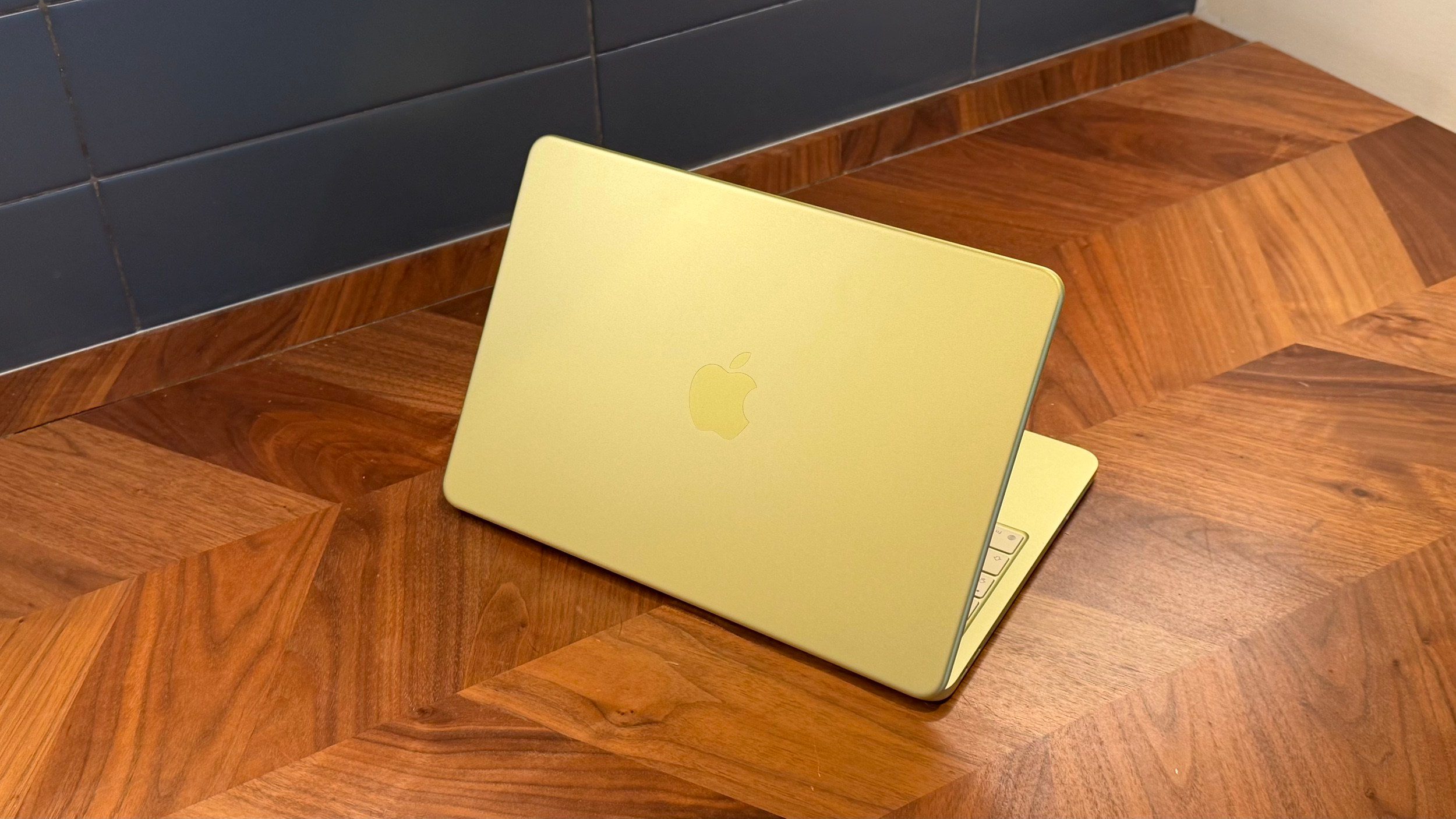
The MacBook Neo has been praised for its vibrant design, departing from the often-stark industrial aesthetic of the MacBook Pro. Available in Citrus, Blush, Indigo, and Silver, the laptop has appealed to a younger demographic. Internal reports suggest that Apple intends to treat the MacBook Neo similarly to the iPhone SE or the 24-inch iMac, by "periodically" refreshing the color palette.
While the physical chassis is expected to remain largely the same—maintaining its ultra-thin profile and fanless design—the MacBook Neo 2 will likely introduce a new set of seasonal colors. This strategy keeps the product line feeling fresh without the massive R&D costs associated with a full external redesign. Industry analysts speculate that Apple may introduce a "Space Gray" or a "Midnight" variant to appeal to professionals looking for a budget-friendly secondary device, alongside more expressive tones like "Forest" or "Lavender."
Chronology and Market Context
To understand the significance of the MacBook Neo 2, one must look at the timeline of Apple’s entry-level laptop evolution:
- Early 2024: Internal discussions at Apple begin regarding a "MacBook SE" to combat the rise of high-end Chromebooks in the education sector.
- March 2026: The first MacBook Neo is launched, featuring the A18 Pro and an 8GB RAM configuration. It is priced aggressively, leading to a "resounding success" and immediate supply shortages.
- June 2026: Apple announces new AI features at WWDC, noting that some "Advanced Intelligence" features will require future hardware.
- Late 2026: Supply chain reports from TSMC and Bloomberg confirm the development of the A19 Pro for a 2027 release window.
- Expected 2027: The MacBook Neo 2 is slated for release, likely following a similar March launch cycle.
Broader Implications and Market Impact
The MacBook Neo 2 represents more than just a hardware refresh; it is a statement on the future of computing. By utilizing iPhone-class silicon in a laptop form factor, Apple is effectively blurring the lines between its mobile and desktop ecosystems.

The Education Sector
The increase to 12GB of RAM and the boost in GPU performance make the MacBook Neo 2 a formidable tool for STEM students. With enough power to run coding environments, basic CAD software, and creative tools like Final Cut Pro, the Neo 2 threatens to push Windows-based competitors and Chromebooks further out of the premium education market.
The Enterprise Market
For businesses, the MacBook Neo 2 offers an ideal "fleet" device. Its low cost of entry, combined with the security benefits of Apple Silicon and the longevity of the A19 Pro chip, makes it an attractive option for large-scale deployments. The added AI capabilities also ensure that corporate users can take advantage of emerging productivity tools without requiring a $2,000 MacBook Pro.
Environmental and Manufacturing Synergy
By using "binned" chips from the iPhone production line, Apple continues to lead the industry in manufacturing efficiency. This reduced waste contributes to Apple’s "Carbon Neutral 2030" goals, as it ensures that silicon which might have been discarded for minor GPU flaws finds a high-value home in a popular consumer laptop.
Conclusion
As Apple prepares for a 2027 launch, the MacBook Neo 2 is shaping up to be a definitive entry-level machine. By addressing the memory limitations of its predecessor and doubling down on GPU-driven AI performance, Apple is ensuring that "affordable" does not mean "underpowered." While the current model remains a highly capable machine for the average user, the upcoming shift to the A19 Pro and 12GB of RAM suggests that the next generation will be built to last well into the late 2020s. For now, the tech world awaits official confirmation, but the roadmap provided by supply chain indicators paints a clear picture of a device designed to dominate the budget laptop market.