LG Smart TV Privacy Controversy Escalates Following Viral Surveillance Allegations and Tech Industry Backlash

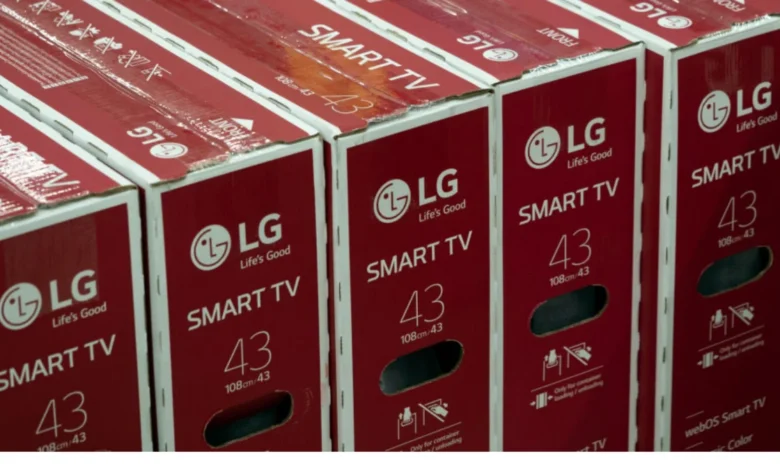
Electronics giant LG has found itself at the center of a mounting international controversy following the release of an exhaustive, two-hour investigative video report by the popular tech outlet Gamers Nexus. The exposé alleged that LG smart televisions covertly record users’ audio—even when the display is powered down—and harvest granular data regarding local network devices, geographic location metrics, and wireless infrastructure details. The investigation has sent shockwaves through the consumer electronics industry, igniting fierce debates over modern privacy practices, the opacity of smart home ecosystems, and the regulatory oversight governing Internet of Things (IoT) devices.
The fallout from the Gamers Nexus investigation quickly transcended a single channel, prompting a wave of digital scrutiny from prominent tech creators and consumer advocacy platforms. Within days of the initial report, dozens of reaction and deep-dive videos flooded major streaming platforms. Notable channels, including Linus Tech Tips and RTINGS, published independent analyses with titles such as How to Stop Smart TV Spying and LG Isn’t the Only TV Company Spying on You. These supplementary reports have broadened the scope of public concern, suggesting that covert data harvesting and aggressive telemetry tracking may be systemic issues plaguing the broader smart television market rather than isolated incidents attributed to a single manufacturer.
Chronology of the Controversy
The sequence of events leading up to LG’s public relations crisis began with the meticulous reverse-engineering and network traffic analysis conducted by the Gamers Nexus team. By monitoring outbound packets and inspecting the firmware operations of modern LG smart displays, the investigators asserted that telemetry data collection routines operate continuously in the background. According to their findings, microphones remain primed to capture ambient audio, and device discovery protocols persistently map out surrounding hardware connected to the home network, raising significant alarms regarding domestic surveillance and personal privacy inside the private residence.
As the video went viral across social media and technology forums, consumer anxiety escalated rapidly. Users expressed widespread frustration over the dense, often impenetrable terms of service and privacy policies that accompany modern smart appliances. Recognizing the potential for severe brand damage and a loss of consumer trust, LG executives and legal teams mobilized a coordinated response. The corporation formally rejected the allegations across multiple mainstream news networks and published an extensive official statement on its global corporate newsroom portal to address the technical claims point-by-point.
LG’s Official Defense and Technical Clarifications
The official corporate response, published under the headline Understanding Privacy on LG Smart TVs, provides an unambiguous denial of the central accusations leveled by the Gamers Nexus report. The electronics manufacturer sought to demystify the internal mechanics of its voice recognition and telemetry architectures, emphasizing that local hardware limitations and software design protocols prevent unauthorized eavesdropping.
"LG smart TVs do not continuously record or transmit users’ conversations," the company stated. "Speech-to-text processing begins only if a user activates a voice interaction through a supported wake-word feature or by pressing the voice (or AI) button on the remote control. Audio used for wake-word detection is processed locally on the TV and, if no wake word is detected, audio is not converted to text, stored, or transmitted. Voice-recognition results and related technical logs may be generated as part of processing a voice command. These records are associated with specific voice interactions and do not indicate continuous recording of conversations occurring outside an active voice recognition session."
Furthermore, LG addressed concerns regarding offline data retention, asserting that speech-recognition results intended to support voice-related features are never uploaded at a later time when the television is disconnected from the internet or when connectivity is restored following an outage.
Regarding telemetry and content personalization, the corporation highlighted that several of its more aggressive data-gathering mechanisms—most notably Automatic Content Recognition (ACR)—are explicitly optional. ACR technology is designed to monitor what is displayed on the screen, whether through broadcast television, streaming applications, or external media inputs, to construct a behavioral profile that feeds targeted content recommendations and advertising algorithms. LG maintains that consumers are provided with the opportunity to opt out of these tracking frameworks during the initial device setup process or through the television’s deep settings menus.
Unresolved Questions and Semantic Scrutiny
Despite the definitive tone of LG’s official statements, privacy advocates, legal scholars, and technical experts have pointed out lingering ambiguities in the phrasing used by the manufacturer. Particular scrutiny has been directed at the specific semantic choices within the corporate defense. Industry analysts note that LG’s careful assertion that its televisions do not "continuously record or transmit users’ conversations" leaves open the possibility of intermittent, scheduled, or event-triggered recording sessions.
Critics have questioned whether data packets containing ambient audio samples, even if not classified internally as continuous conversation logs, are still being captured and transmitted under specific operational conditions. The distinction between continuous surveillance and periodic data harvesting remains a central point of contention. Furthermore, experts emphasize that even if audio is processed locally for wake-word detection, the mere fact that microphones must remain perpetually active to listen for specific trigger phrases constitutes a latent privacy vulnerability that many consumers find unacceptable within their private living spaces.
The Broader Context of Smart TV Telemetry
The current controversy surrounding LG is not an isolated phenomenon but rather the latest flashpoint in an ongoing conflict between consumer expectations of privacy and the economic imperatives of the modern data-driven technology industry. Modern smart televisions have fundamentally transitioned from passive display monitors into active computing appliances and primary advertising nodes.
In the contemporary media landscape, hardware profit margins on television sets have plummeted due to intense global competition. To offset these declining margins, manufacturers increasingly rely on monetization models built upon user data collection, targeted advertising, and software-as-a-service integrations embedded directly into the user interface. Features such as ACR, dynamic ad insertion, and comprehensive viewing habit analytics generate substantial secondary revenue streams for hardware manufacturers, turning the living room into a valuable marketplace for behavioral data.
Regulatory Implications and the Push for Transparency
The LG controversy underscores a profound regulatory vacuum regarding the governance of Internet of Things (IoT) devices in domestic environments. While regulatory frameworks such as the European Union’s General Data Protection Regulation (GDPR) and the California Consumer Privacy Act (CCPA) provide baseline protections regarding data collection transparency and user consent, enforcement and compliance remain difficult to monitor. The technical complexity of modern firmware and encrypted network telemetry makes it nearly impossible for the average consumer to audit what data their household devices are transmitting to corporate servers.
Industry analysts suggest that this incident will likely accelerate calls for stricter regulatory oversight, standardized privacy labels for smart home hardware, and mandatory, simplified opt-out mechanisms that do not bury essential privacy controls behind layers of confusing menu options.
The Road Ahead for Consumer Trust
As the dust settles on the immediate PR crisis, the broader implications of the LG telemetry controversy will likely resonate across the consumer electronics sector for years to come. Manufacturers face an uphill battle in restoring consumer trust, particularly as media literacy surrounding digital privacy continues to grow.
Ultimately, this controversy highlights the urgent necessity for a more transparent, honest dialogue regarding the delicate equilibrium between consumer convenience and personal privacy. While integrated voice assistants, hyper-personalized content recommendations, and smart home connectivity offer undeniable utility, they should not come at the expense of user autonomy and domestic privacy. As technology companies navigate the fallout from investigations like the one conducted by Gamers Nexus, the clear takeaway for the industry is that proactive transparency must take precedence over reactive damage control. In the future, fostering a culture of openness regarding data practices before a major breach of trust occurs will be essential for sustainable consumer relationships in the smart era.