Dreamforce 2026: Salesforce Doubles Down on Agentic AI and Interface Innovation at Annual San Francisco Summit

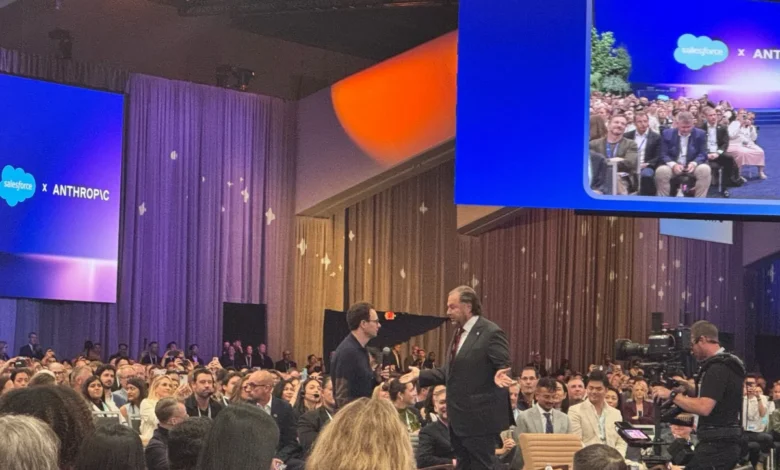
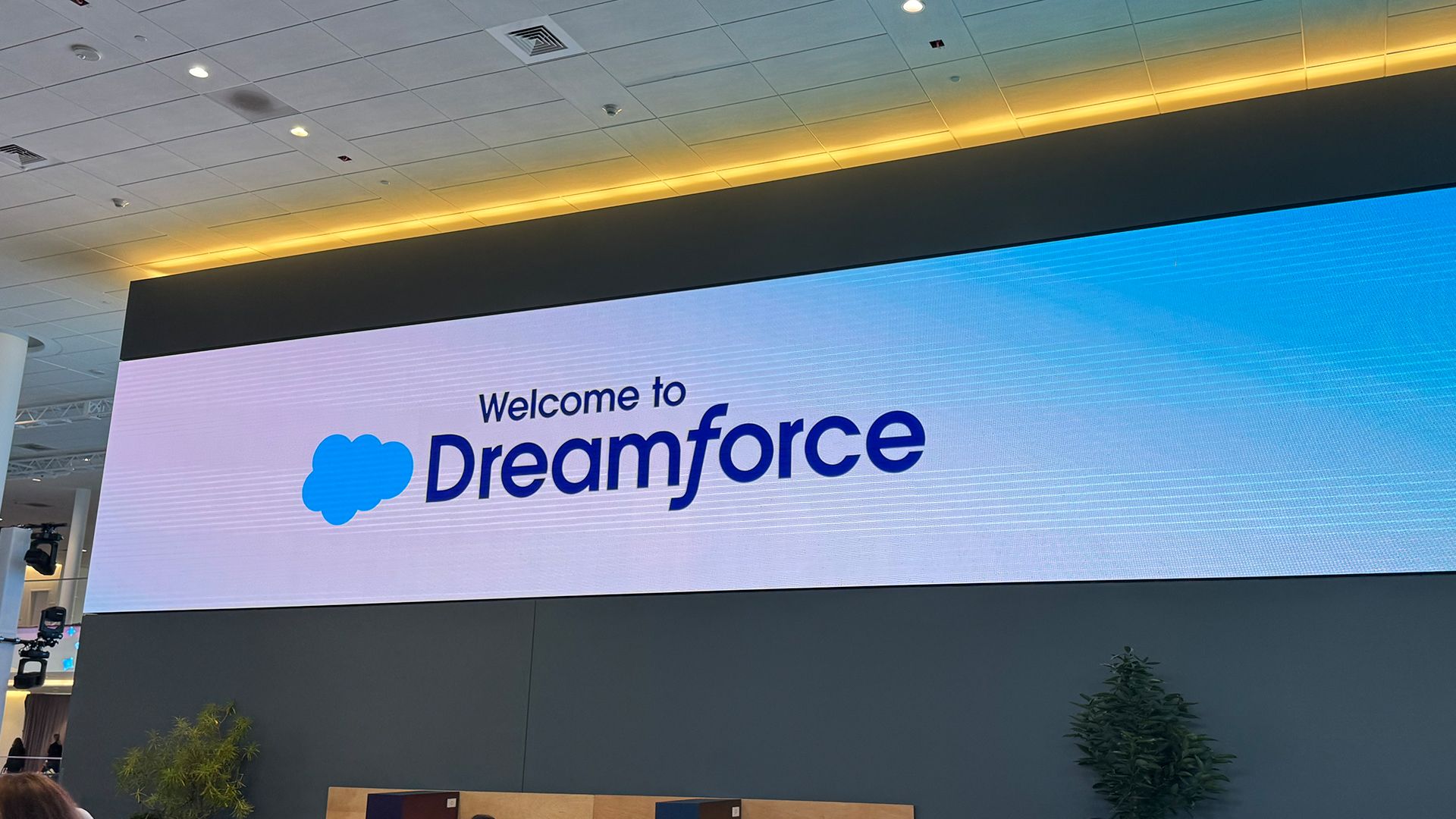
The Moscone Center in San Francisco has once again transformed into the global epicenter of enterprise software innovation as Salesforce kicked off Dreamforce 2026. This year’s conference, which marks the 20th anniversary of the “Trailblazer” community, is defined by a singular, ambitious pivot: the transition from traditional generative AI chatbots to fully autonomous, agentic AI workflows. With over 23 million members across 90 countries, the Salesforce ecosystem is currently navigating its most significant technological shift since the advent of the cloud, and the opening keynote served as a bold manifesto for an “agent-first” future.
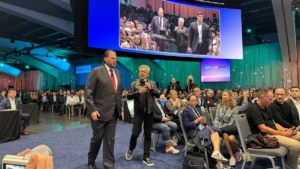
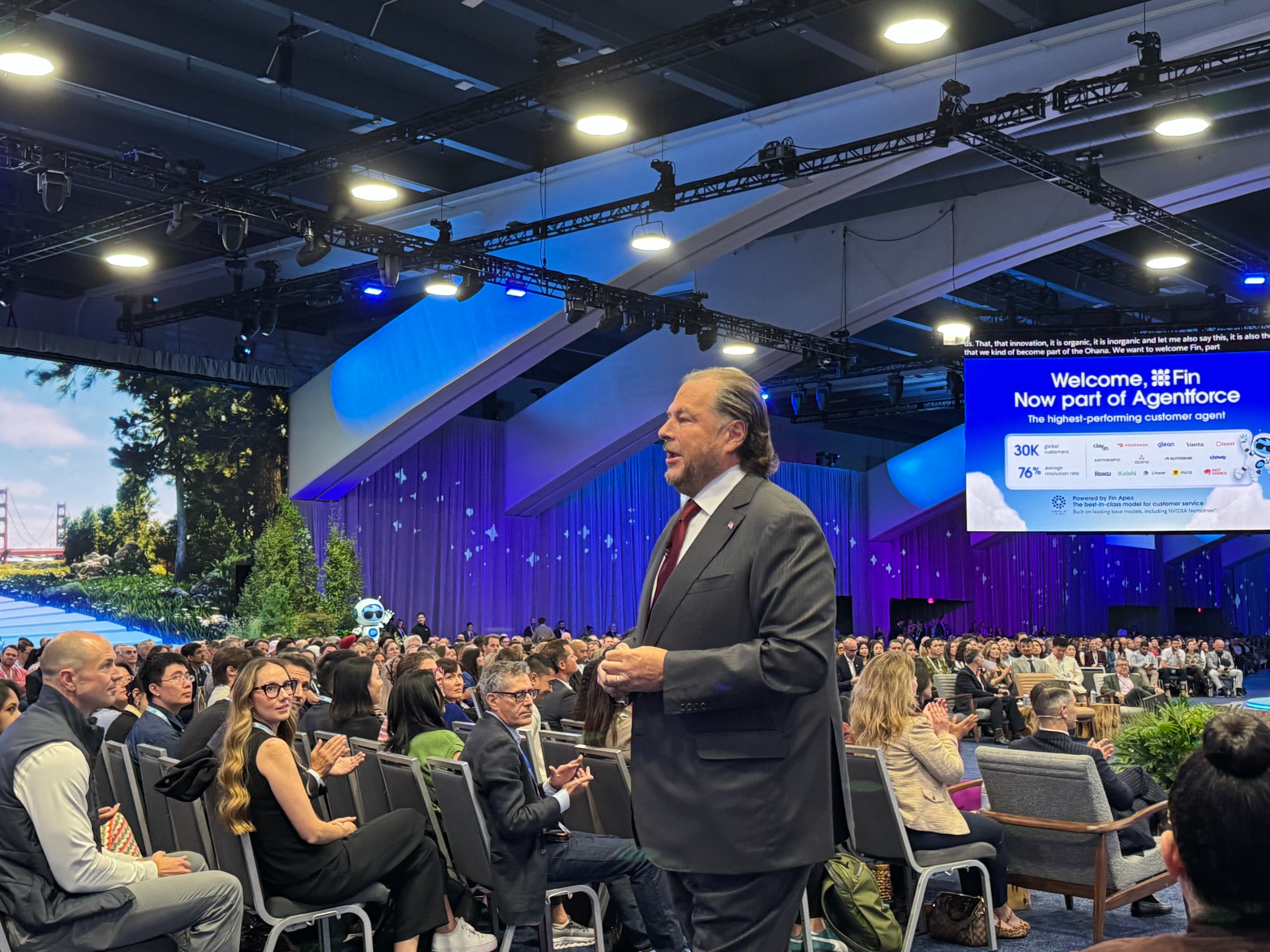
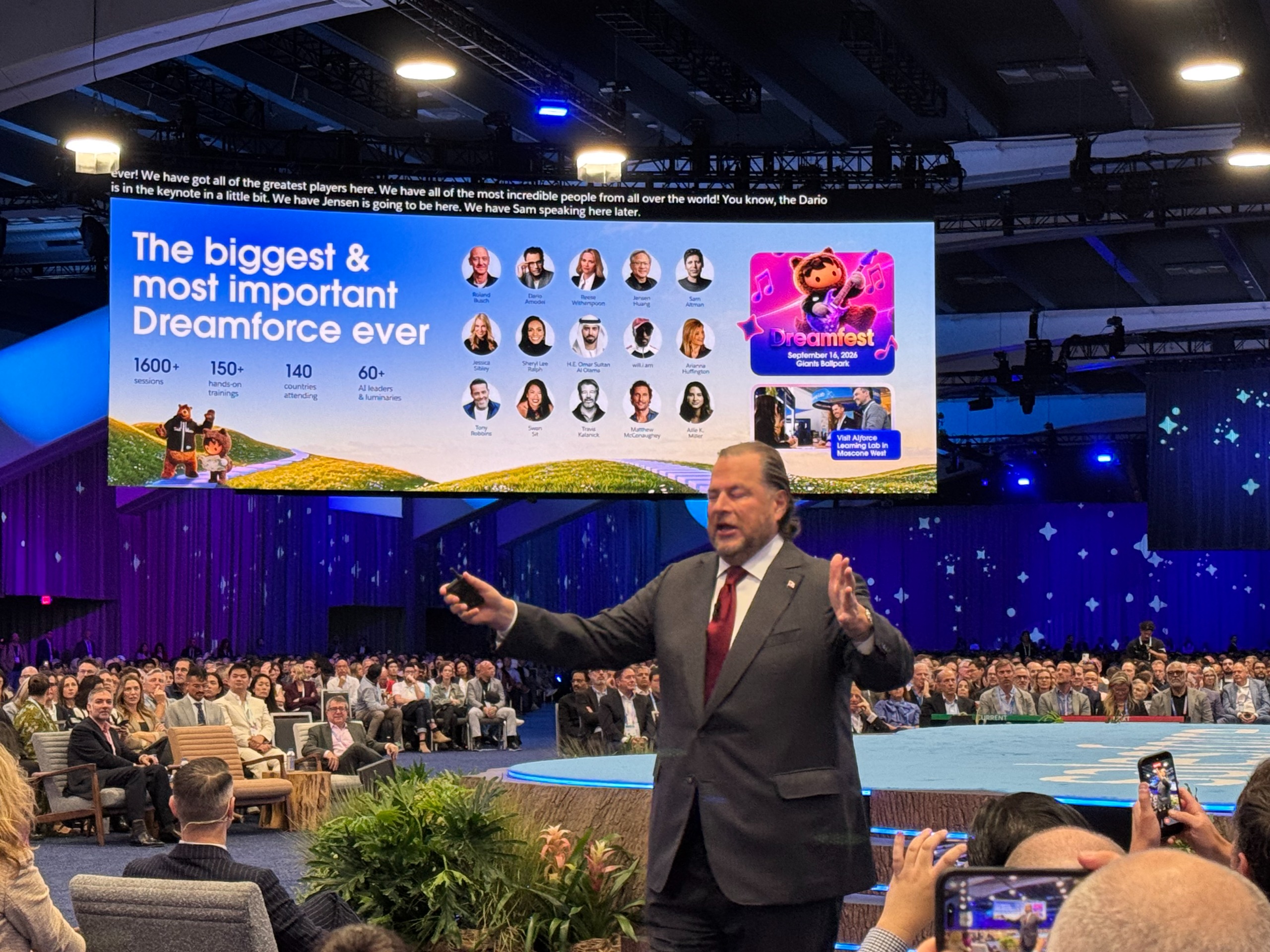
The atmosphere in the Moscone Center was electric, underscored by the customary cultural traditions that have become synonymous with the event. Yet, beneath the fanfare—which included performances by Gwen Stefani—the core of the conference is firmly rooted in the technical realization of AI-driven business process automation. Salesforce CEO Marc Benioff, speaking to a packed theater, outlined a vision where the interface as we know it is rendered obsolete, replaced by a dynamic, AI-orchestrated layer that handles complex tasks without requiring human intervention for every minor input.
The Dawn of AIforce and the End of Rigid Interfaces
The most significant architectural announcement to emerge from the opening hours of the conference was the debut of AIforce. Salesforce describes this as a “live interface layer,” a departure from the static dashboards and command-land interfaces that have dominated enterprise software for decades. In the traditional SaaS model, users have been forced to switch between disparate applications, manually aggregating data to reach business decisions. AIforce aims to dismantle these silos by providing a fluid, adaptive interface that can be customized on the fly.
Benioff argued that the current enterprise software landscape is plagued by “SaaSpocalypse” concerns—the fear that software is becoming too fragmented and cumbersome. AIforce serves as the antidote, acting as a middleware that allows enterprises to build their own bespoke interfaces. This layer sits atop existing data, applications, and semantic models, effectively acting as an intelligent conductor that manages how agents interact with the broader Salesforce estate.
The underlying logic is that if an interface is “alive,” it should anticipate the user’s needs rather than waiting for rigid, rule-based inputs. By removing the friction of manual navigation, Salesforce claims it can significantly reduce the “time-to-action” for global enterprises, shifting the focus from manual data entry to high-level strategic oversight.
Strategic Partnerships: The Anthropic and Nvidia Connection
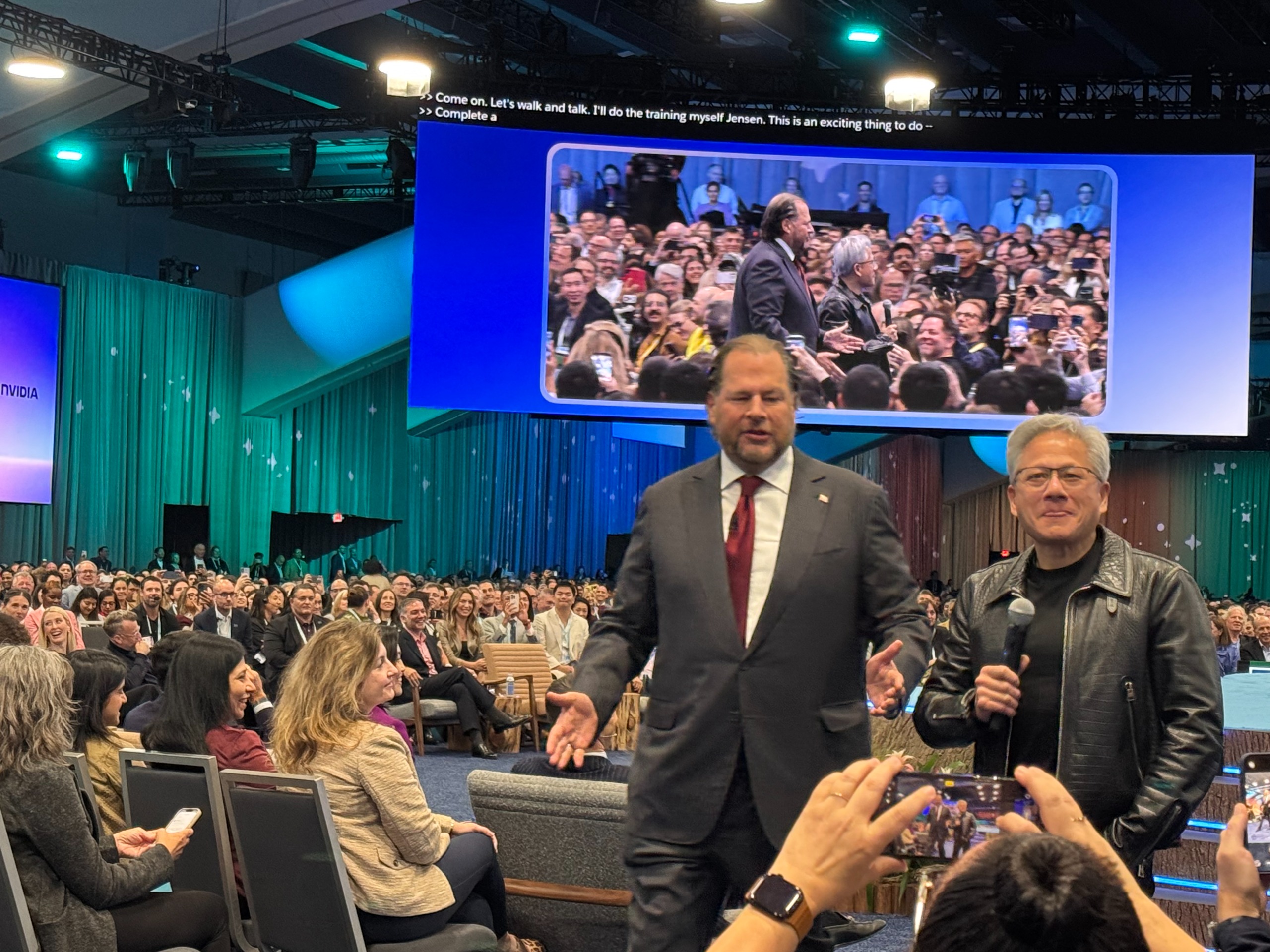
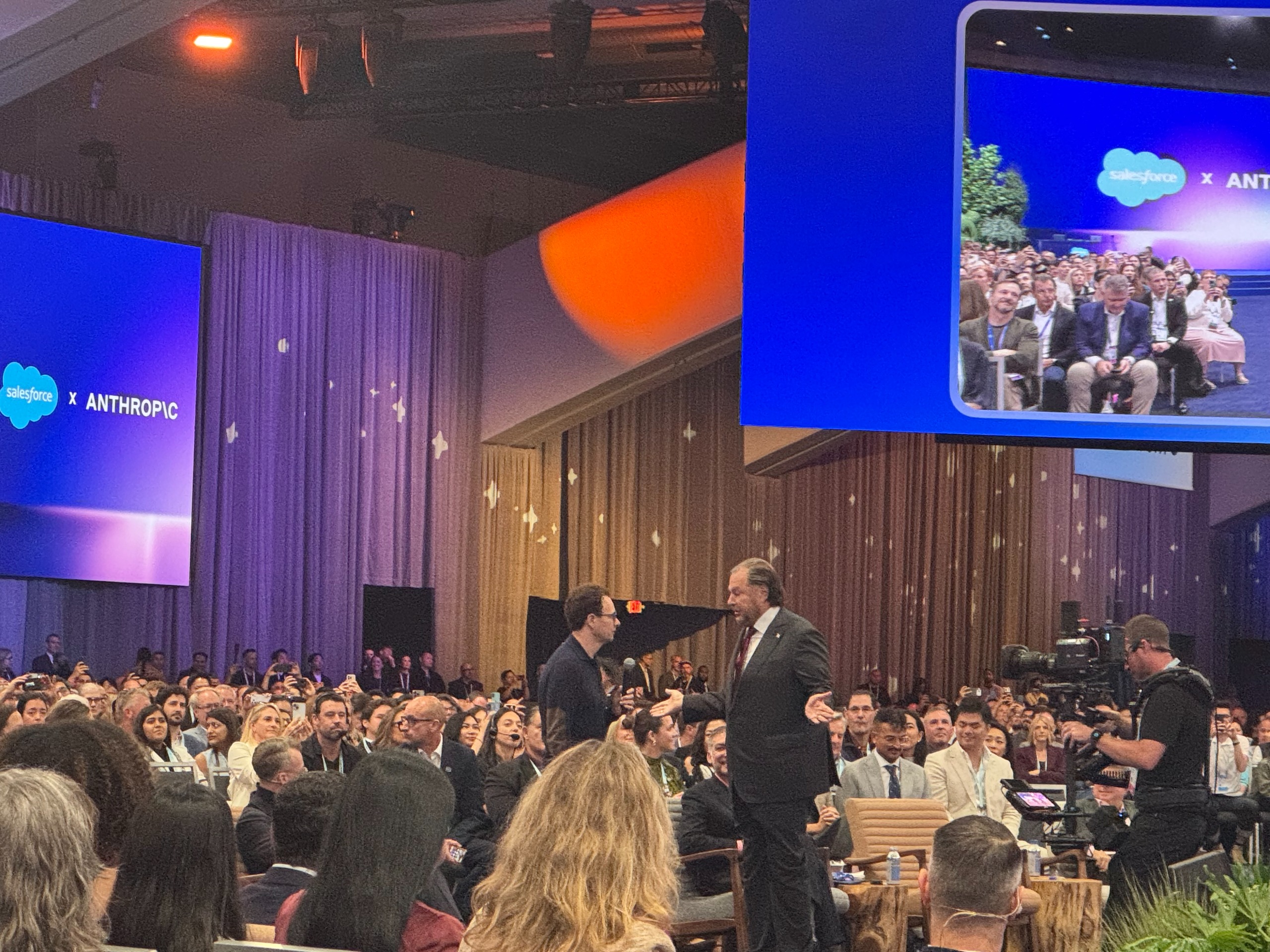
A central theme of this year’s summit is the deepening of strategic partnerships, most notably with Anthropic and Nvidia. The unveiling of “Claudeforce” and “Koa” signals that Salesforce is moving beyond general-purpose AI to highly specialized, domain-specific models.
Claudeforce, developed in collaboration with Anthropic, integrates Claude’s advanced reasoning capabilities directly into the core of the Salesforce product range. During a live demonstration by Patrick Stokes, president of applications and marketing, attendees witnessed a custom-built interface that allowed for seamless, cross-account management. By consolidating disparate workflows through a single AI-managed pane, users can maintain visibility across multiple business units without the typical overhead of platform switching.
Equally transformative is the introduction of Koa, a dedicated CRM-focused reasoning model. Built using Nvidia’s Nemotron open-weight model family, Koa is engineered to understand the complex, nuanced semantics of customer relationship management. The collaboration with Nvidia is not merely about model training; it is about infrastructure. With token consumption rates for closed models surging 25x over the past year, the industry is seeing an exponential demand for compute power. Nvidia CEO Jensen Huang, who joined Benioff on stage to discuss the project, highlighted that the rise of open models—which have grown from 30% to 70% of the market in just one year—is a testament to the fact that “every single software company is now an AI company.”
Enterprise Transformation: The Real-World Impact
While the keynote focused on the theoretical potential of agentic AI, the afternoon sessions were dedicated to evidence-based results from global enterprise partners. Siemens, for instance, provided a detailed look at how it has integrated agents into its manufacturing and sales pipelines.
Roland Busch, CEO and President of Siemens, noted that with every third manufacturing line in the world utilizing Siemens technology, the scale of their operation is immense. The deployment of “Piper,” an inbound pipeline sales agent, has allowed the company to automate lead-to-sale conversion processes through natural language voice prompts. Beyond sales, the company is using another agent, “Marshall,” to streamline supplier onboarding. Previously a process that required weeks of manual training, Marshall—trained within an SAP sandbox environment—can now grasp complex business rules and compliance requirements in approximately 90 minutes.
Similarly, the Adecco Group, represented by CEO Denis Machuel, reported that “agentifying” their business has led to tangible productivity gains. By integrating agents across core recruiting workflows, the company has successfully placed 20,000 additional candidates this year to date. Machuel emphasized that for Adecco, the technology is intended to be a “growth engine” that works “with people, not to people,” ensuring that AI serves as a guide for employees rather than a replacement.
The Regulatory and Ethical Landscape
The rapid pace of AI development has prompted a necessary dialogue regarding safety and regulation. Anthropic CEO Dario Amodei, speaking alongside Benioff, acknowledged that the speed of innovation has been surprising, even to those building the technology. However, he cautioned against the impulse to “freeze the frontier.” Instead, Amodei advocated for a more cautious, deliberate approach to deployment that prioritizes the creation of robust test environments.
Jensen Huang echoed this sentiment, arguing that safety is fundamentally an “engineering problem.” According to Huang, if a company cannot guarantee the functionality and capability of a model within a controlled, safe environment, it should not be brought to market. Interestingly, both executives expressed skepticism toward heavy-handed government regulation, suggesting instead that the responsibility lies with developers to build resilient, trustworthy systems.
This emphasis on "responsible development" is critical as Salesforce pushes for the widespread adoption of Agentforce across the enterprise. The risk of hallucinations or unintended actions by autonomous agents remains a top-of-mind concern for CISOs and CIOs. By providing a controlled sandbox and a rigid framework for agentic behavior, Salesforce hopes to mitigate these risks while still allowing for rapid innovation.
Chronology of Key Events: Day One
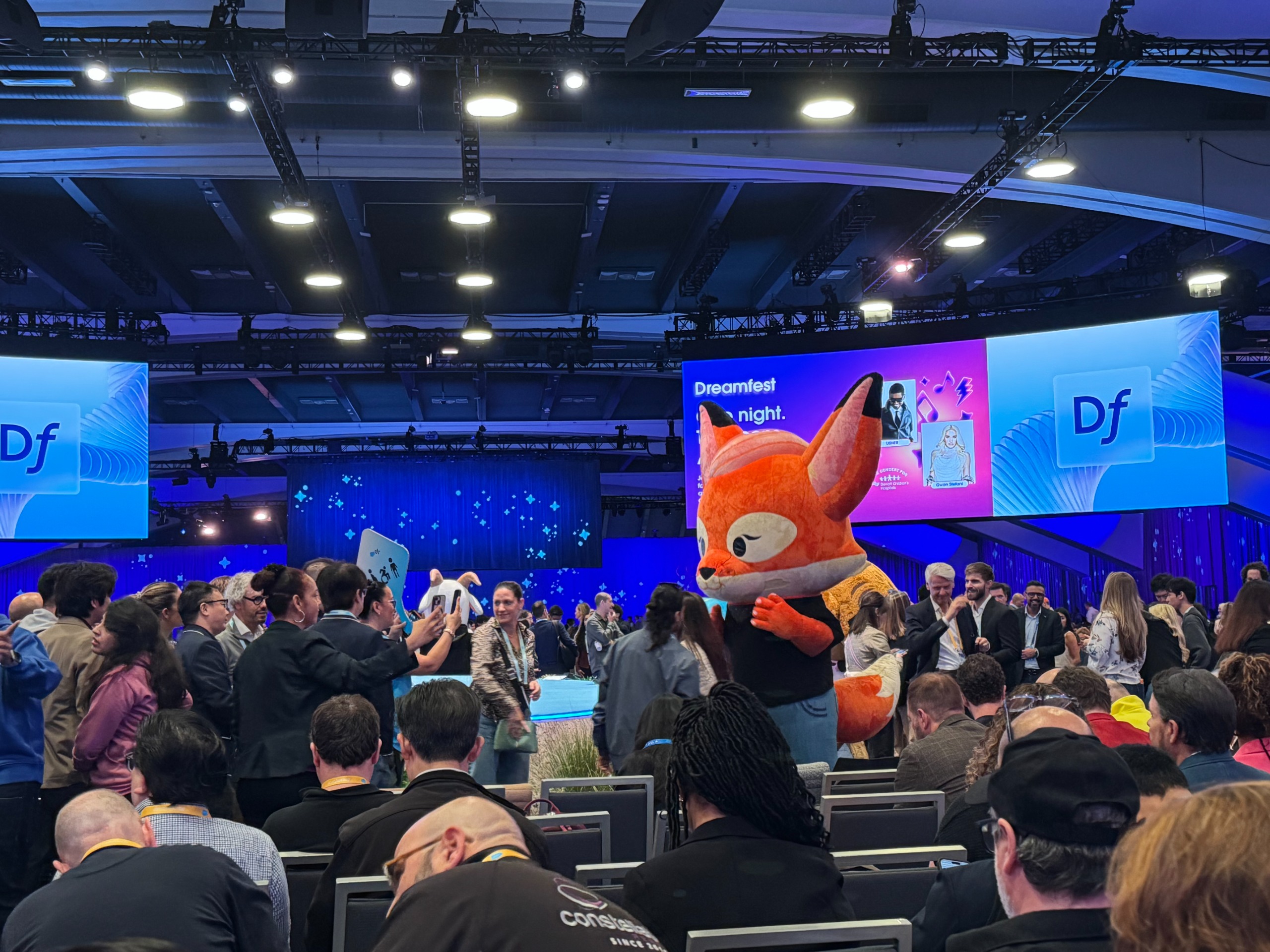
- 16:00 – 17:00 PST: Attendees gathered at the Moscone Center, with high engagement around the Salesforce mascots, signaling the return of the community-focused culture that defines the event.
- 17:00 – 17:30 PST: The opening keynote commenced with a traditional blessing, followed by a keynote address by Marc Benioff focusing on the "AI interface era."
- 17:30 – 18:00 PST: The launch of AIforce and the introduction of the Slackforce ecosystem as the primary hub for agent orchestration.
- 18:00 – 18:30 PST: Demonstration of Koa and Claudeforce, highlighting the technical collaboration with Nvidia and Anthropic.
- 18:30 – 19:30 PST: Real-world case studies featuring Siemens and the Adecco Group, showcasing the practical application of Agentforce in industrial and human capital management.
- 19:30 – 20:00 PST: High-level executive panel on the future of frontier models, with a focus on engineering safety and the role of open-source versus closed models in the enterprise.
Analytical Perspective: The Implications for the Software Market
The overarching takeaway from Day One of Dreamforce 2026 is that the "AI Gold Rush" phase is ending, and the "Implementation Era" has begun. The software market is currently undergoing a structural correction. The "SaaSpocalypse" narrative, which suggests that AI will destroy the traditional SaaS model, appears to be evolving into a new reality: the "Agent-as-a-Service" model.
Salesforce is betting heavily that the winners in this new economy will not be the companies that simply bolt a chatbot onto their existing platform, but those that fundamentally rethink the user interface to allow for agentic autonomy. The transition from human-driven workflows to agent-driven workflows—orchestrated by a layer like AIforce—represents a significant capital expenditure shift for enterprises.
As businesses move to integrate these tools, the primary challenge will not be the technology itself, but the organizational change required to manage it. The success of early adopters like Siemens and Adecco demonstrates that when agents are deployed with a clear objective—whether it is reducing onboarding time or increasing recruitment velocity—the ROI is substantial. However, the “unevenness” of global AI adoption, as noted by Benioff, suggests that there is still a massive gap between the technological capabilities demonstrated in San Francisco and the operational reality of many global enterprises.
As Dreamforce 2026 continues throughout the week, the industry will be watching closely to see if Salesforce can maintain this momentum. The company has staked its reputation on the belief that agents will become the new “employee” of the digital enterprise. Whether this vision holds up under the scrutiny of large-scale, enterprise-wide deployment remains the most significant question for the coming year. For now, the message from the Moscone Center is clear: the door to the agentic future is wide open, and those who do not walk through it risk being left behind in a rapidly evolving digital landscape.