The Sideload 044: Duos and Don’ts with Stephen Radochia Examines Apple’s Entry Into the Foldable Smartphone Market and What Android Brands Can Learn


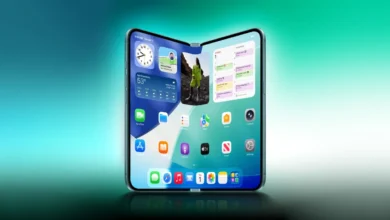
The mobile technology landscape is undergoing a significant paradigm shift as industry heavyweights continue to iterate on form factors that challenge traditional smartphone designs. In the latest installment of The Sideload, a leading podcast from 9to5Google, host Will sat down with Stephen Radochia of Android Authority to dissect a monumental milestone in mobile hardware development: Apple’s long-anticipated entry into the foldable smartphone market. Episode 44, titled "Duos and Don’ts," offers a deep dive into the strategic choices Apple has made with its debut foldable device, evaluating what established Android manufacturers—such as Samsung, Google, Motorola, and OnePlus—should emulate, and conversely, what pitfalls they should avoid as the foldable sector matures into the mainstream.
This comprehensive discussion arrives at a critical juncture for the mobile industry. For half a decade, Android brands have operated as the sole pioneers of the foldable ecosystem, iterating through multiple generations of book-style and clamshell devices. Now, with Apple officially entering the fray, the market dynamics are poised for unprecedented transformation. The Sideload’s latest episode explores the hardware philosophies, software adaptation strategies, and market positioning that will define this new era of competition.
Background Context: The Evolution of Foldables and Apple’s Delayed Entry
To understand the weight of Apple’s entry into the foldable space, one must examine the timeline of flexible display technology. The modern commercial foldable era effectively began in 2019 when Samsung launched the original Galaxy Fold, followed closely by Huawei. While these early generation devices were widely scrutinized for high price points, bulky hinges, and noticeable creases in the flexible OLED panels, they laid the groundwork for a burgeoning product category.
Over the next several years, Android original equipment manufacturers (OEMs) refined the hardware. Companies like Motorola modernized the nostalgic flip-phone format with the Razr lineup, while Google introduced its proprietary take on the book-style foldable with the Pixel Fold, emphasizing a broader outer display and stock Android software integration. Despite steady improvements in durability, water resistance, and crease minimization, foldables remained a niche market, largely restricted to tech enthusiasts and early adopters willing to pay a substantial premium over traditional flagship slab phones.
Rumors regarding Apple’s development of a foldable device have circulated in supply chain circles for years. Unlike its competitors, who frequently act as first-movers in experimental hardware categories, Apple’s corporate strategy has historically involved entering emerging markets only after the underlying technology, component supply chains, and consumer demand have reached a high level of maturity. By observing the missteps and triumphs of Android manufacturers over a five-year testing ground, Apple has positioned itself to introduce a device tailored to consumer expectations right out of the gate.

Strategic Analysis: What Android Brands Should Adapt
During their conversation on The Sideload, Will and Stephen Radochia analyzed the specific design and software choices embedded in Apple’s new hardware. One of the primary focal points of the discussion centered on hardware polish and industrial design standards.
Apple has traditionally excelled in structural integrity, material selection, and ergonomic balance. In the foldable sector, where mechanical hinge durability is paramount, Android brands have made massive strides, yet consumer concerns regarding long-term reliability persist. Radochia noted that Android manufacturers should take cues from Apple’s rigorous approach to hinge mechanics and stress testing. A seamless closing mechanism that prevents dust intrusion while maintaining a slim profile remains the holy grail of foldable engineering.
Furthermore, the software ecosystem represents another critical area of comparison. The success of a foldable device relies heavily on how operating systems adapt to dynamic screen real estate. Android has made considerable progress through Android 12L and subsequent updates optimized for large screens and multi-window multitasking. However, fragmentation remains an inherent challenge within the Android ecosystem, as different manufacturers implement their own custom user interfaces and multitasking overlays. Apple’s tightly controlled ecosystem allows for a unified approach to app continuity and layout scaling, a factor that puts immense pressure on Android developers to establish more consistent guidelines for foldable application design.
Potential Missteps: What Android Brands Should Avoid
While there is much that Android OEMs can learn from Apple’s execution, the episode also emphasized the importance of maintaining distinct competitive advantages rather than blindly copying Cupertino’s playbook.
One major area of caution involves pricing and hardware limitations. Apple products typically occupy the highest tiers of the luxury pricing spectrum. If Android brands attempt to mimic Apple’s pricing strategies without offering comparable ecosystem lock-in or proprietary silicon performance advantages, they risk alienating consumers who value Android’s inherent openness and hardware diversity.
Additionally, Android manufacturers must resist the temptation to over-simplify their hardware offerings in the pursuit of minimalism. The strength of the Android foldable market lies in its variety. Consumers can choose between ultra-thin book-style devices that double as compact tablets, and ultra-portable clamshells that fit easily into small pockets. If Android brands abandon their aggressive hardware experimentation—such as under-display cameras, specialized stylus support, or innovative camera module integrations—in favor of conservative, Apple-esque designs, the market could lose the rapid pace of innovation that has defined its first five years.

Industry Implications and Market Impact
The entry of a dominant player like Apple validates the foldable form factor for the mass market. Historically, when Apple enters a new product category—whether it is smartwatches, wireless earbuds, or tablets—it instantly expands consumer awareness and drives mainstream adoption across the entire industry.
Market analysts predict that Apple’s presence will accelerate component innovation, driving down manufacturing costs for flexible OLED panels and advanced hinge assemblies. This supply chain maturation will ultimately benefit Android OEMs by making high-grade foldable components more accessible and economically viable for mid-range or standard flagship tiers.
However, it also raises the stakes. Android brands no longer have the luxury of pioneering a category without direct competition from the world’s most valuable technology brand. The coming years will require Samsung, Google, and other major players to sharpen their software offerings, improve customer retention within their respective ecosystems, and aggressively market their hardware innovations to consumers who are now evaluating their first foldable purchase.
Conclusion and How to Listen
The intersection of Apple’s market entry and Android’s established ecosystem provides endless fodder for debate among tech journalists and enthusiasts alike. Episode 44 of The Sideload captures this dynamic moment with acute insights from industry experts Will and Stephen Radochia, offering a nuanced perspective on the future of mobile form factors.
Listeners interested in a deeper exploration of these topics can stream or download the full episode of The Sideload across all major podcast platforms, including Apple Podcasts, Spotify, and YouTube. For ongoing coverage of Android developments, software updates, and hardware reviews, readers are encouraged to visit 9to5Google and subscribe to 9to5Google Pro for exclusive bonus content and community discussions.