GasPulse offers a comprehensive approach to tracking fuel market volatility through historical data and predictive analytics

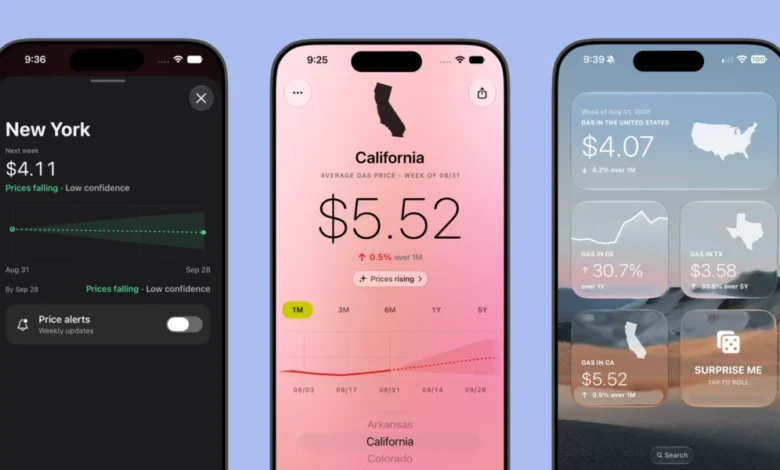
The landscape of consumer fuel pricing has undergone a period of significant volatility over the past five years, driven by a complex interplay of geopolitical tensions, supply chain realignments, and shifting energy policies. As households continue to navigate these fluctuations, the demand for sophisticated tracking tools that move beyond simple location-based price finding has increased. Enter GasPulse, a newly highlighted utility in the indie developer ecosystem designed to provide users with long-term trend analysis, regional benchmarking, and predictive insights into the energy market. By leveraging official data from the Energy Information Administration (EIA), the application offers a macro-level perspective on fuel economics, providing a stark contrast to the traditional, station-by-station search tools currently dominating the market.
Understanding the Energy Market Context
To comprehend the utility of an application like GasPulse, one must first look at the broader economic environment. The United States fuel market is highly sensitive to the global price of crude oil, which is determined by OPEC+ production quotas, geopolitical conflicts in energy-producing regions, and domestic refining capacity. According to data from the Bureau of Labor Statistics and the EIA, the consumer price index for gasoline has shown extreme variance since 2020. During this period, the average retail price per gallon has seen record highs, causing significant shifts in consumer behavior, including a renewed focus on fuel efficiency and budgeting.
The historical trajectory of gasoline prices over the last half-decade serves as a case study in market instability. The year 2020 saw a historic collapse in demand due to global pandemic lockdowns, leading to an unprecedented drop in prices. This was followed by a rapid, supply-constrained recovery in 2021 and 2022, exacerbated by the invasion of Ukraine and subsequent sanctions on Russian oil exports. By mid-2022, national averages in the United States surpassed $5.00 per gallon for the first time in history. Since then, the market has entered a phase of stabilization, yet it remains subject to seasonal "summer blend" transitions, hurricane-related refinery disruptions in the Gulf Coast, and ongoing global volatility.
The Technological Approach to Fuel Tracking
GasPulse distinguishes itself from competitors by eschewing the "cheapest station near me" model in favor of a data-driven, analytical approach. The application aggregates weekly averages published by the EIA, providing users with a high-fidelity view of price trends across different states and regions. This shift in focus is significant; rather than saving a user a few cents on a single tank, the app serves as a financial planning tool, allowing commuters to identify seasonal peaks and troughs in their specific geographic region.
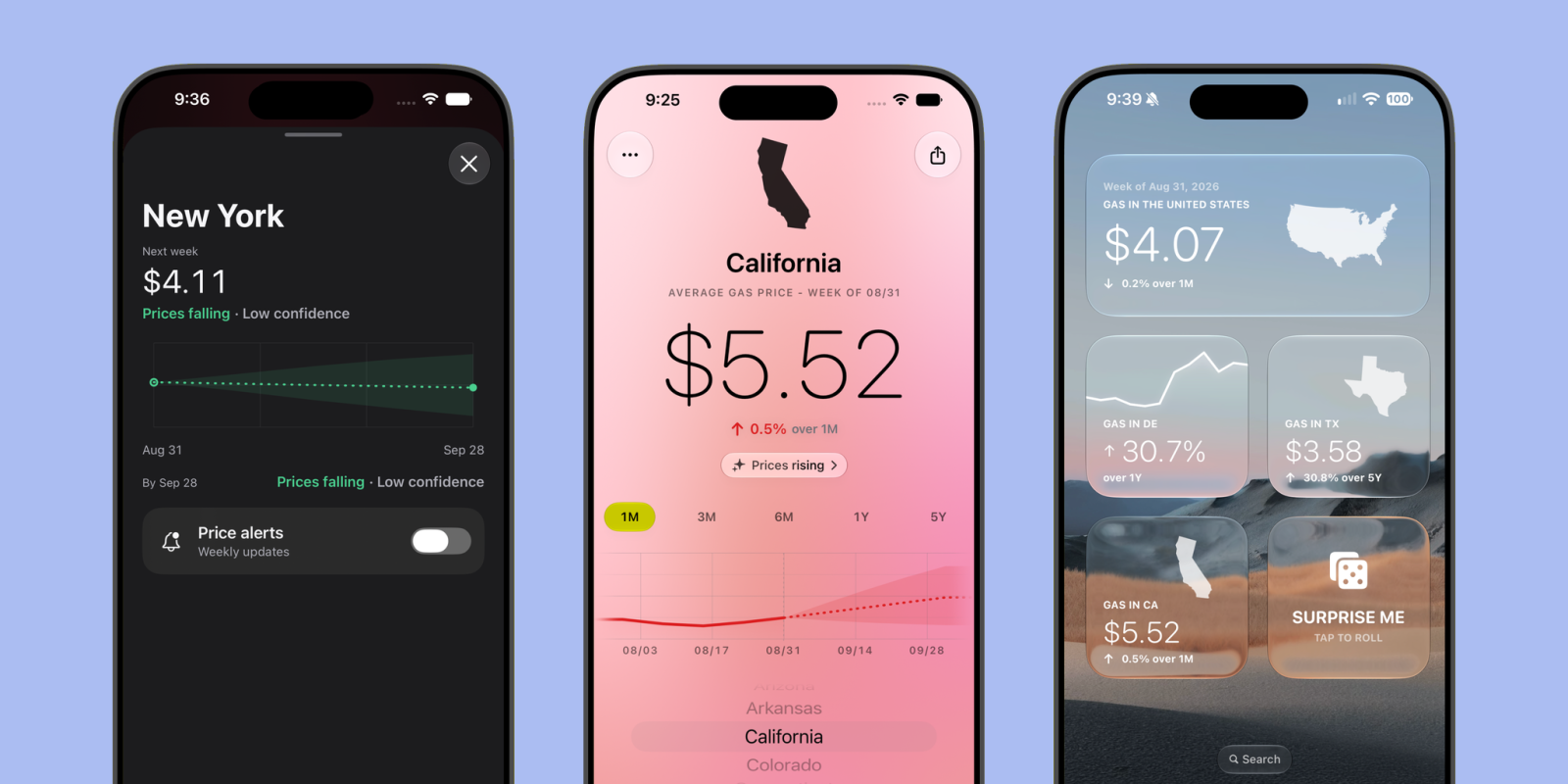
The core functionality rests on three pillars: historical visualization, regional comparison, and predictive forecasting. By incorporating up to five years of historical data, users can identify recurring patterns—such as the predictable rise in prices before major holidays or the typical cooling off during winter months. This longitudinal perspective allows for better financial planning, as users can estimate their expected transportation costs with greater accuracy than simply relying on day-to-day fluctuations.
Predictive Analytics and the Outlook Feature
Perhaps the most ambitious component of the GasPulse platform is its "Outlook" feature. While the application does not claim to possess a crystal ball, it utilizes statistical modeling based on historical data and EIA projections to offer a forecast of price movements. For the average consumer, this provides a vital piece of context: knowing whether a current price spike is an anomaly or the beginning of a longer trend can dictate whether to fill up immediately or wait for a projected cooling period.
This predictive capability is rooted in the cyclical nature of the petroleum industry. Refinery maintenance schedules, seasonal demand shifts (such as the switch to cleaner-burning summer gasoline formulations), and macroeconomic indicators are all factored into the broader energy market. By distilling this complex information into an accessible interface, GasPulse attempts to democratize energy market intelligence, turning raw government data into actionable advice for the average iPhone user.

Interface Design and User Experience
In the modern mobile software market, utility must be paired with seamless design. GasPulse has prioritized native integration, specifically targeting users within the iOS 18 ecosystem. The application’s commitment to an ad-free, subscription-free model is a notable departure from the current trend of "freemium" utilities that rely on data harvesting or aggressive monetization. By offering a clean, minimalist aesthetic, the developer has positioned the app as a tool for serious users who prioritize privacy and performance over gamified experiences.
Key interface features include:
- Customizable Widgets: By providing both Home Screen and Lock Screen widgets, the app ensures that users remain informed without the need to actively engage with the application. This "glanceable" data model is essential for users who want to keep a pulse on the market during their daily commute.
- Siri Integration: The inclusion of voice-command support allows users to check current regional averages hands-free, adhering to modern safety standards for drivers.
- Push Notifications: The app allows for price alerts across up to six different geographic areas. By utilizing iOS background refresh, the app keeps these alerts updated without significantly impacting device battery life.
Broader Implications of Data-Driven Consumerism
The rise of applications like GasPulse reflects a growing trend of "data-driven consumerism." As inflation remains a primary concern for households, individuals are increasingly seeking tools that provide transparency into the costs of essential goods. The energy sector, which is notoriously opaque to the end consumer, is the next frontier for this type of transparency.
Economists have often noted that informed consumers are the key to market efficiency. When consumers have access to accurate, long-term pricing data, they are better equipped to make decisions—whether that is choosing a more fuel-efficient vehicle, adjusting travel plans, or simply being better prepared for seasonal price hikes. While no single application can lower the price of oil, the cumulative effect of a more informed public is a more responsive market.

Challenges and Limitations
Despite its robust feature set, it is important to contextualize what GasPulse does not provide. It is not designed for the user looking to find the absolute lowest price at a local independent gas station. Users who require real-time, crowd-sourced data for local navigation will still need to rely on existing location-based services. The strength of GasPulse lies in the macro-economic, not the micro-local.
Furthermore, because the app relies on EIA weekly averages, there is an inherent lag in the data. Users should not expect to see the immediate impact of a sudden geopolitical event reflected in the app within minutes. Instead, the data serves as a reliable baseline for understanding the broader environment in which those local prices are set. This limitation, however, is balanced by the app’s accuracy; by utilizing government-sourced data rather than user-submitted reports, the information provided is verified and highly reliable.
Conclusion: The Future of Energy Monitoring
As we look toward the future, the integration of AI-driven forecasting and sophisticated data visualization will likely become standard for personal finance applications. GasPulse serves as a precursor to this shift, demonstrating that even highly technical datasets can be made accessible and useful for the general public. By focusing on the "pulse" of the market rather than the noise of individual gas station price boards, the app offers a unique value proposition for the informed consumer.
For developers in the indie space, GasPulse represents a successful model of identifying a niche, high-value problem—the need for energy market transparency—and solving it through elegant design and reliable data sources. As the application continues to evolve alongside iOS updates, it is poised to remain a staple for users who prefer to understand the mechanisms behind the price at the pump. Through its combination of historical depth, predictive outlooks, and native Apple integration, GasPulse provides a necessary layer of clarity in an often turbulent energy market.