Broad Crypto Market Rallies as Bitcoin Consolidates Near $84,000 and Altcoins Surge Led by Quant

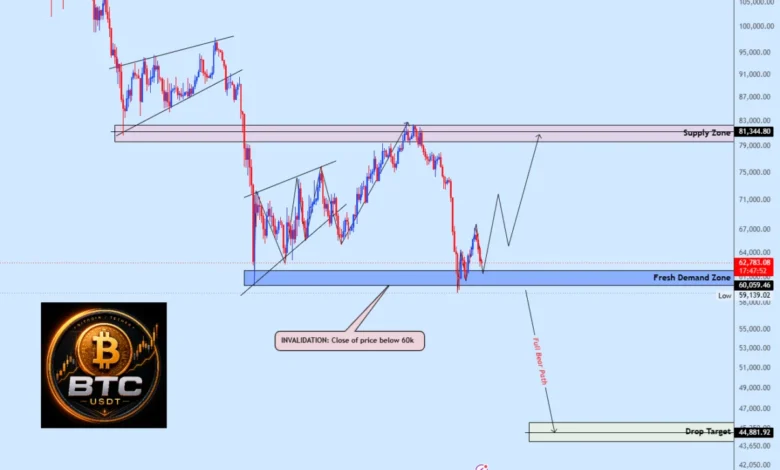
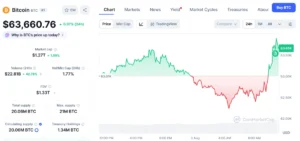
The cryptocurrency market experienced a profound shift in capital allocation and investor sentiment as Bitcoin paused its recent upward momentum, hovering near the mid-$84,000 region. While the world’s largest digital asset by market capitalization consolidated its gains following a near-approach to the $87,000 threshold, the broader altcoin market seized the opportunity to register substantial, widespread gains. The session, highlighted by a notable 39% single-day surge in Quant (QNT), demonstrated a broadening risk appetite among digital asset traders. Rather than focusing exclusively on the institutional bellwether, capital flowed rapidly into large-cap and mid-cap alternative tokens, driving market breadth indices to levels not seen in over three months.
Main Facts of the Market Shift
The defining characteristic of the September 25 trading session was not merely the explosive performance of individual tokens, but the sheer breadth of the market-wide advance. Data from the CoinDesk 100 index revealed a rare level of uniform participation: at the peak of the rally, 93 out of the 100 constituents were trading in positive territory.
Market analysts emphasize that market breadth serves as a critical health indicator for the digital asset ecosystem. When a market rally is narrowly driven by one or two dominant assets—such as Bitcoin or Ethereum—index gains can present a misleading picture of overall sector strength while the vast majority of tokens languish. A session where more than nine out of ten tracked assets move upward signals a systemic shift in liquidity, indicating that capital is actively rotating away from primary anchors and distributing throughout the wider crypto economy.
Among the standout performers, Quant (QNT) captured the attention of institutional and retail traders alike, rocketing approximately 39% within a compressed 24-hour window. This outsized move overshadowed other major altcoins, though the upward trajectory was far from isolated. Assets such as Solana (SOL) and XRP (XRP) had already demonstrated relative strength by outperforming Bitcoin over the preceding seven-day period, laying the technical and psychological groundwork for Wednesday’s broader market expansion. Concurrently, proprietary altcoin-season metrics—which track the performance of the top 50 altcoins relative to Bitcoin over a rolling 90-day window—surged to their highest readings in over a quarter, signaling that the structural dominance of Bitcoin was facing a temporary, yet meaningful, challenge.
Chronology and Market Setup
The sequence of events leading up to the September 25 altcoin rally began in the days prior, characterized by an aggressive push by Bitcoin toward the upper boundary of its recent trading range. Having briefly tested resistance near the $87,000 mark, Bitcoin encountered profit-taking and selling pressure, forcing the asset back into a consolidation channel around the mid-$84,000 level.
Historically, this macroeconomic and technical setup creates a predictable pattern within the cryptocurrency asset class. During phases of rapid Bitcoin appreciation, market participants frequently concentrate their liquidity within the flagship cryptocurrency to capture momentum and hedge against broader market volatility. However, once Bitcoin stabilizes and enters a consolidation range—losing its immediate upward velocity—traders holding unrealized profits often seek higher-beta opportunities further down the market-capitalization spectrum.
This behavioral dynamic unfolded rapidly during the Asian and European trading hours on September 25. As BTC flatlined, order books across centralized and decentralized exchanges showed an immediate influx of buy orders for alternative layer-1 tokens, interoperability protocols, and decentralized finance (DeFi) assets. Quant, benefiting from a combination of thin order book liquidity, short-covering from bearish positioning, and renewed fundamental interest in enterprise interoperability solutions, experienced a parabolic price expansion that catalyzed the wider altcoin surge.
Supporting Data and Quantitative Analysis
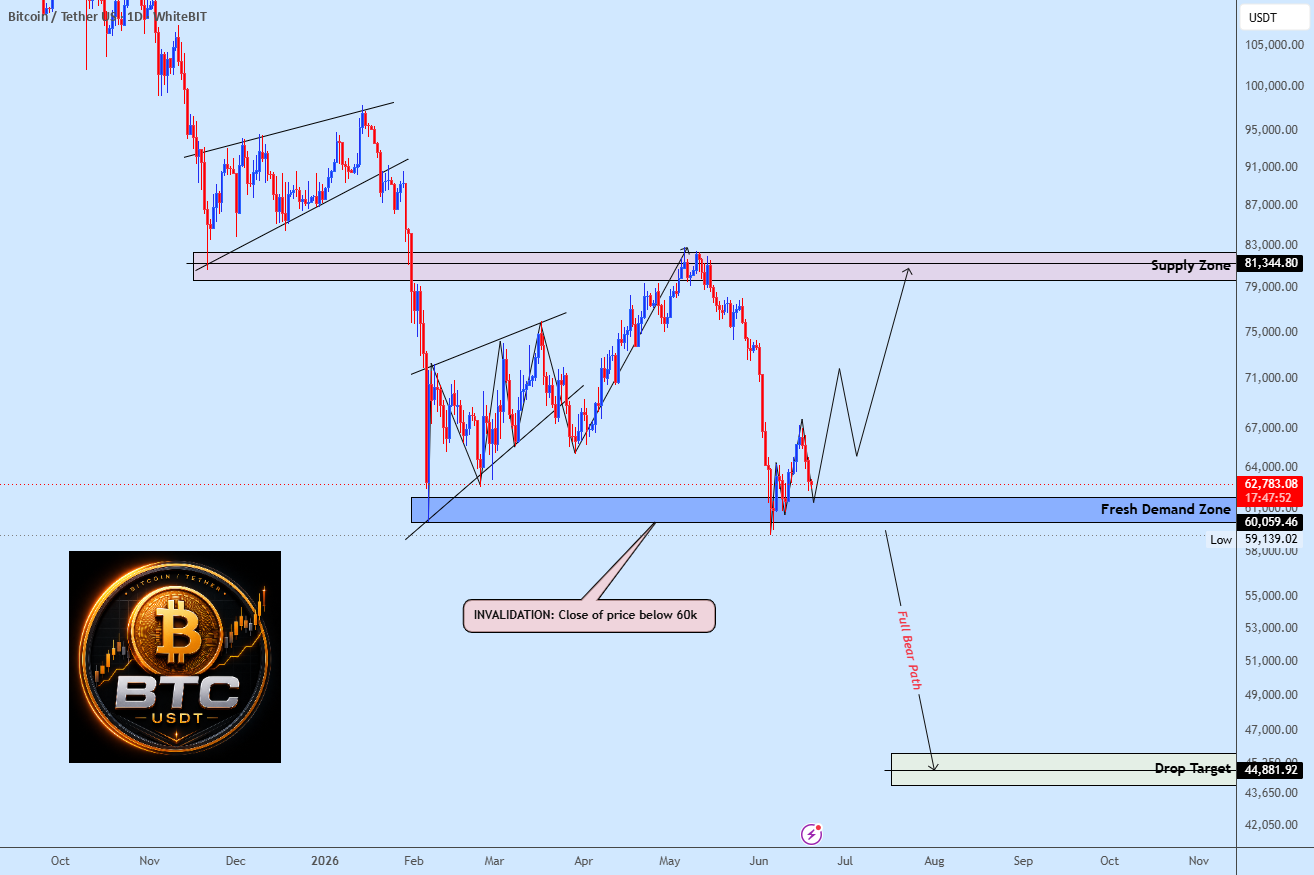
To contextualize the scale of the September 25 market rotation, quantitative metrics provide a clear picture of the underlying mechanics driving the session:
- Bitcoin Range Bound: BTC established a firm support and resistance corridor between $83,500 and $85,200, effectively muting its daily volatility and allowing alternative assets to absorb incoming capital.
- Market Breadth Extremes: The CoinDesk 100 registered a 93% positive constituent ratio, an occurrence that places the session in the top percentile of market-wide synchronization for the third quarter.
- Quant (QNT) Performance: QNT vaulted from approximately its previous support baseline to print a 24-hour gain of 39%, accompanied by a multi-fold increase in daily spot trading volume across major global exchanges.
- Altcoin Season Indicator: The leading altseason index climbed past crucial moving averages, marking a three-month high and prompting quantitative analysts to reevaluate short-term capital flow models.
Despite these impressive figures, veteran market researchers urge caution against reading too much structural permanence into a single trading session. Explosive moves like the one observed in Quant are frequently amplified by derivatives market dynamics. Liquidations of short positions—where traders betting against an asset are forced to buy back tokens at rising prices—can turn a moderate fundamental or technical breakout into a severe supply squeeze. Furthermore, thinner liquidity pools in mid-cap altcoins relative to Bitcoin mean that capital injections of modest size can produce disproportionately large price swings, which may not accurately reflect organic, long-term valuation shifts.
Institutional Context and Risk Appetite
The broader narrative surrounding digital assets throughout the year has been overwhelmingly dominated by institutional capital inflows. The approval and subsequent trading success of spot Bitcoin Exchange-Traded Funds (ETFs), corporate treasury adoption, and the integration of regulated financial products have cemented Bitcoin’s status as a macro asset class tethered to traditional financial plumbing.
This institutional focus has historically concentrated capital at the top of the market hierarchy, occasionally starving the long tail of the crypto economy of sustained liquidity. The September 25 rally, therefore, offers a contrasting view of market psychology. When 93 out of 100 major digital assets climb simultaneously, it points to a temporary resurgence in retail and speculative risk appetite that operates independently of institutional ETF inflow schedules.
Market observers note that Bitcoin does not necessarily need to continuously break all-time highs for the broader ecosystem to thrive. Often, a period of price dormancy or sideways consolidation is the exact catalyst required for market participants to rotate profits, explore emerging sector narratives, and rebalance portfolios toward higher-risk, higher-reward tokens.
Implications and Future Outlook
As the market digests the implications of the late-September rotation, analysts are closely monitoring several key technical and macroeconomic indicators to determine whether this event marks the nascent stages of a sustained altcoin season or merely a fleeting relief rally.
First, the stability of Bitcoin remains paramount. If Bitcoin maintains its consolidation range or successfully resumes its upward trajectory in a measured fashion, capital may continue to flow downstream into altcoins, stabilizing the gains achieved by tokens like Quant, Solana, and XRP. Conversely, a sharp breakdown in Bitcoin’s price—triggered by macroeconomic data releases, regulatory headwinds, or sudden liquidations in the derivatives market—would likely trigger a rapid flight to safety, drawing liquidity instantly back into BTC and reversing altcoin gains just as quickly as they materialized.
Second, regulatory developments and macroeconomic liquidity conditions will dictate the sustainability of risk-on behavior. Central bank policy decisions, global inflation prints, and ongoing clarity regarding digital asset compliance continue to cast a wide shadow over speculative markets. While institutional products provide a structural floor for Bitcoin, the altcoin ecosystem remains highly sensitive to shifts in global monetary liquidity and speculative enthusiasm.
Ultimately, the market activity on September 25 serves as a reminder of the dynamic, cyclical nature of cryptocurrency trading. While institutional adoption anchors the top tier of the asset class, the sprawling network of alternative protocols retains the capacity for rapid, sentiment-driven expansions whenever the market leader takes a momentary pause.