T-Mobile Brings Back Coveted Free iPhone Deals Featuring the iPhone 18 Pro and Pro Max for New Switchers

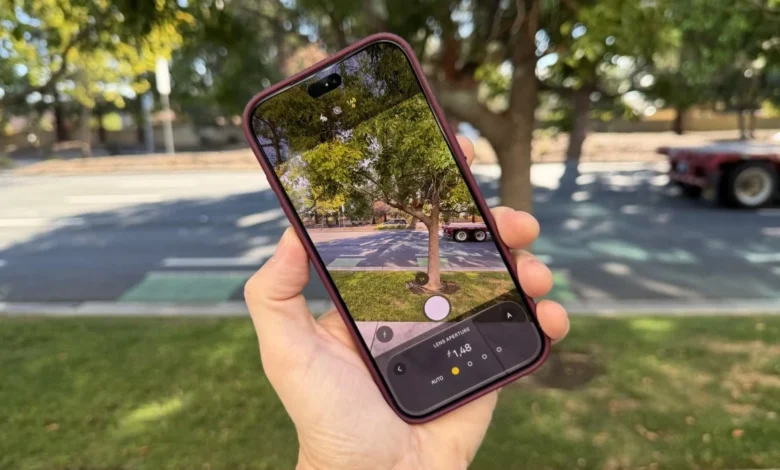
The telecommunications landscape has experienced a notable shift as T-Mobile reintroduces its aggressive promotional strategy for flagship smartphones, offering the Apple iPhone 18 Pro entirely free or the iPhone 18 Pro Max with a substantial $1,200 discount. This strategic move comes on the heels of the much-discussed launch of Apple’s inaugural foldable device, the iPhone Duo, which initially dominated industry headlines and shifted consumer attention away from traditional slab-style flagships. For consumers who resisted the early waves of foldable adoption and opted to wait out initial hardware scrutiny, the return of zero-dollar device promotions provides a timely and financially compelling opportunity to upgrade to Apple’s latest conventional pro-tier hardware.
Main Facts and Promotional Terms
Under the newly launched promotional framework, customers who switch their carrier and port their existing phone number to T-Mobile’s "Experience Beyond" plan are eligible to receive the Apple iPhone 18 Pro at no retail cost. Alternatively, buyers preferring the larger form factor can secure a $1,200 discount on the Apple iPhone 18 Pro Max.
However, prospective buyers must navigate specific financial obligations tied to carrier subsidies. The promotional value is not delivered as an upfront discount; instead, it is distributed as a series of monthly bill credits over an extended 36-month payment plan. This mechanism binds the consumer to a three-year service contract with T-Mobile. Should a customer choose to terminate their service or port their number away before the completion of the 36-month term, they become immediately liable for the remaining uncredited balance of the device’s full retail price.
Additionally, standard upfront costs apply at the point of sale. Customers are required to pay local sales taxes calculated on the full, pre-discount retail value of the smartphone. Furthermore, T-Mobile applies a non-refundable device connection fee of $35 per line at checkout, a standard administrative charge across major domestic wireless providers.
Chronology of the Recent Market Shifts
The timing of T-Mobile’s resurrected promotion is closely linked to a turbulent autumn for mobile releases. The timeline of recent developments highlights how carrier strategies pivot in response to hardware rollouts:
- Mid-October: Apple officially unveils the iPhone Duo, marking the technology giant’s long-awaited entry into the foldable smartphone market. The device immediately commands media attention, generating intense public debate regarding its innovative design alongside early user reports highlighting hardware durability and hinge performance concerns.
- Late October: During the height of the iPhone Duo media cycle, major wireless providers, including T-Mobile, temporarily scale back aggressive promotional subsidies for existing traditional flagships such as the iPhone 17 and early iterations of the iPhone 18 Pro. Industry analysts note a brief cooling period where consumer acquisition costs are tightly managed while the market absorbs the foldable release.
- Early November: Following the initial dust settling around the iPhone Duo launch, T-Mobile reverses its conservative posture, officially reinstating high-value switcher promotions centered on the iPhone 18 Pro and iPhone 18 Pro Max to capture holiday-season activations and traditional slab-phone loyalists.
Supporting Data and Carrier Subsidy Models
The mechanics of modern smartphone sales in North America rely heavily on carrier subsidies disguised as multi-year service commitments. According to telecommunications market research, over 70 percent of premium smartphone purchases in the United States are tied to installment billing plans rather than upfront purchases.
By tying the iPhone 18 Pro to a 36-month agreement on the Experience Beyond tier—typically one of T-Mobile’s higher-cost, feature-rich unlimited data plans—the carrier ensures predictable, long-term average revenue per user (ARPU). While the consumer avoids the $999 or higher baseline cost of the hardware over three years, the cost of the premium service plan subsidizes the device hardware on the backend. Industry analysts point out that while these deals offer genuine financial savings for consumers who intend to remain with a single carrier long-term, they effectively restrict consumer mobility within the competitive telecom market until the installment contract reaches maturity.
Industry Implications and Consumer Analysis
The reinstatement of deep discounts on traditional pro-grade iPhones underscores a broader trend in the mobile device market: consumer bifurcation. While foldable devices like the iPhone Duo capture early-adopter enthusiasm and drive high-end media discourse, the vast majority of enterprise and consumer buyers continue to prioritize reliability, battery longevity, camera capabilities, and structural maturity found in traditional slab designs like the iPhone 18 Pro series.
For T-Mobile, offering a zero-dollar entry point for the iPhone 18 Pro serves as an effective wedge to peel subscribers away from competing networks like Verizon and AT&T. Bringing an established phone number over to a premier tier plan remains one of the most reliable customer acquisition funnels in the wireless industry.
Ultimately, for consumers who have evaluated the long-term commitment of a three-year service agreement on the Experience Beyond plan and planned to use a high-tier unlimited data package regardless, the deal offers a mathematically sound path to acquiring top-tier mobile technology without incurring the steep upfront capital expenditure typically associated with Apple’s annual hardware refreshes.
Related posts: