Transforming Digital Recipe Clutter Into Dinner: A Comprehensive Analysis of the ReciBites Plus Lifetime Subscription Deal

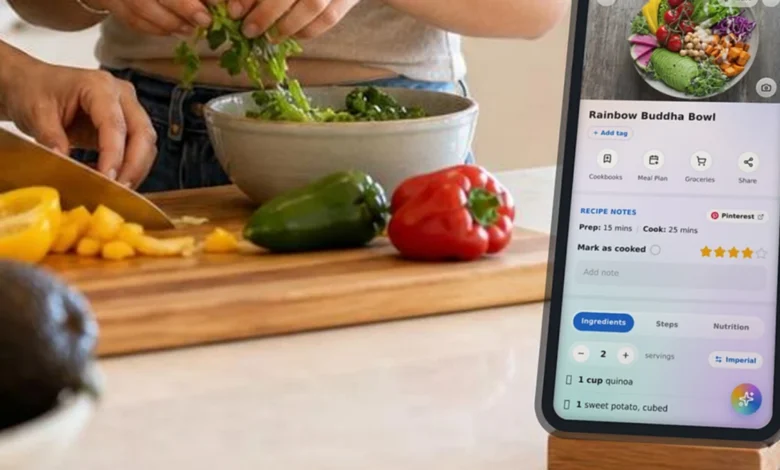
The modern culinary landscape is defined by an overwhelming abundance of digital information. Home cooks no longer rely solely on dog-eared physical cookbooks or handwritten index cards passed down through generations. Instead, contemporary recipe discovery happens across a fragmented ecosystem of social media platforms, video channels, blog posts, and digital bookmarks. While this digital shift has democratized access to global cuisine and creative cooking ideas, it has simultaneously introduced a unique logistical challenge: the accumulation of digital recipe clutter.
A striking disparity exists between simply saving a recipe and executing it in a home kitchen. Across platforms like TikTok, Instagram, YouTube, Pinterest, and personal smartphone photo libraries, millions of users routinely capture culinary inspiration with the intention of cooking later. However, these screenshots, saved reels, and bookmarked links frequently end up trapped in disparate digital silos, rendering them effectively useless when mealtime arrives.
To address this widespread organizational friction, digital utility platforms have increasingly turned to artificial intelligence. Among the latest market offerings is ReciBites Plus, a comprehensive recipe management and meal planning application. For a limited time, consumers can secure lifetime access to the platform for $39.99, a substantial reduction from its standard retail price of $360. This aggressive pricing strategy highlights a growing trend among digital software providers offering long-term access licenses to capture market share in the crowded productivity and lifestyle application sector.
The Anatomy of Modern Recipe Overload
The phenomenon of digital hoarding is not unique to cooking, but its manifestation in the kitchen directly impacts daily household economics, time management, and nutritional health. According to consumer behavior studies related to domestic management, the average modern cook encounters dozens of recipe ideas weekly across social media feeds. The frictionless nature of modern user interfaces—such as tapping a bookmark icon on Instagram or capturing a screenshot on a smartphone—encourages passive collection rather than active organization.
Consequently, individuals often find themselves facing a paradox of choice. When the evening arrives, the effort required to locate a previously saved video, decipher a handwritten note, or extract ingredient lists from a lengthy food blogger narrative often discourages home cooking altogether. This friction frequently results in last-minute dining out or reliance on convenience foods, which can be both financially costly and nutritionally suboptimal.
Industry analysts note that digital applications attempting to solve this problem must bridge the gap between inspiration and execution. A successful platform cannot merely act as a digital filing cabinet; it must actively process, categorize, and operationalize raw data into actionable daily workflows.
How ReciBites Plus Processes Culinary Data
At the core of the ReciBites Plus platform is an ingestion engine designed to handle virtually any format of recipe media. Users can import content directly from major social networks, including Facebook, Instagram, TikTok, YouTube, and Pinterest, as well as traditional web pages. Furthermore, the application accommodates analog and semi-digital formats through advanced optical character recognition (OCR) and image processing, allowing users to upload screenshots, digital notes, photographs of cookbook pages, and scans of handwritten index cards.
Once ingested, the application’s underlying artificial intelligence parses the unstructured text and media. It automatically extracts essential components, such as ingredient quantities, step-by-step instructions, preparation times, and serving sizes. To maintain long-term usability, the system incorporates automated duplicate detection algorithms, preventing the user’s digital cookbooks from descending into redundant disarray as they continuously import new material.
Beyond simple categorization, the platform applies nutritional intelligence to the stored data. The AI breaks down recipes into comprehensive nutritional profiles, calculating calories, macronutrients (proteins, fats, carbohydrates), and key micronutrients. For households managing specific dietary requirements, the software features smart dietary alerts that flag potential allergens or ingredients conflicting with user-defined health goals. Additionally, the system suggests personalized ingredient substitutions, catering to dietary frameworks such as high-protein, low-sugar, halal, or allergen-free restrictions.
Streamlining Meal Planning and Grocery Procurement
The journey from a saved recipe to a prepared meal involves multiple distinct stages: selection, meal planning, grocery shopping, and cooking execution. ReciBites Plus attempts to streamline this entire pipeline within a unified software environment.
Once recipes are organized into unlimited custom cookbooks, users can construct automated weekly meal plans based on their selected preferences. This planning phase feeds directly into an intelligent grocery list generator. Rather than presenting a disjointed list of ingredients, the application automatically aggregates items across multiple planned meals, merges duplicate quantities, and categorizes the items by supermarket aisle. This structural optimization is designed to reduce time spent navigating grocery stores and minimize food waste by ensuring precise purchasing quantities.
For the cooking phase itself, the application provides built-in tools for scaling recipe servings up or down, converting unit measurements dynamically, and following step-by-step interactive cooking instructions. In scenarios where a user has not planned ahead—a common hurdle in daily meal preparation—an integrated AI Cooking Assistant can generate customized recipes based strictly on the leftover or miscellaneous ingredients currently available in the user’s pantry or refrigerator.
Social Integration and Collaborative Cooking
While culinary management software has traditionally focused on solitary organization, ReciBites Plus incorporates a social networking layer. The platform allows users to connect with friends and family within the application ecosystem, facilitating the sharing of favorite recipes, collaborative meal planning, and visibility into what acquaintances are actively saving and preparing. Industry observers suggest that incorporating social accountability elements into productivity applications can significantly increase user retention and long-term engagement by transforming a chore into a shared community experience.
Market Context and Promotional Pricing Dynamics
The offering of lifetime software licenses at steep discounts has become a prevalent go-to-market strategy for emerging tech platforms seeking rapid user acquisition. By pricing the ReciBites Plus lifetime subscription at $39.99—down from its regular valuation of $360—the platform positions itself as an accessible alternative to ongoing monthly subscription models that dominate the software-as-a-service (SaaS) market.
For consumers skeptical of recurring subscription fatigue, lifetime access deals offer a compelling value proposition, provided the platform maintains active server support, regular software updates, and continuous feature development. Market analysts emphasize that while such promotions generate immediate capital and user base expansion, the long-term viability of the application depends on its ability to deliver consistent utility that prevents user churn after the initial novelty fades.
Implications for Household Efficiency and Nutrition
The broader implications of adopting automated kitchen management tools extend into several domains of daily life, including personal finance, time allocation, and nutritional health.
From a financial perspective, systematic meal planning and optimized grocery shopping are widely recognized by consumer advocacy groups as effective methods for reducing household food expenditures. By consolidating ingredient lists and eliminating impulse purchases driven by disorganized shopping trips, households can better manage their weekly budgets. Furthermore, minimizing food waste—a significant economic and environmental concern globally—is naturally supported by inventory-aware recipe generation tools like the AI assistant that utilizes existing pantry items.
Nutritionally, the integration of automated macro and calorie tracking bridges the gap between general health aspirations and daily dietary execution. While standalone fitness and nutrition tracking apps require manual data entry for every meal component, an ecosystem that ties the recipe discovery phase directly to nutritional analysis and meal planning reduces the administrative burden on the consumer.
Broader Industry Trends in AI-Driven Consumer Software
The integration of artificial intelligence into niche consumer applications like cooking and meal planning reflects a broader technological evolution. As generative AI and machine learning models become more accessible and cost-effective to deploy, developers are moving beyond general-purpose chatbots to build hyper-specialized vertical software.
In the culinary sector, AI is increasingly utilized not just for text generation, but for complex multimodal tasks—such as translating a shaky vertical video from social media into a structured, chronologically ordered cooking guide with precise nutritional metrics. As these technologies mature, consumer expectations regarding software utility are shifting; applications that merely store information are facing intense competition from intelligent agents that actively process, organize, and execute tasks on behalf of the user.
Conclusion and Purchasing Considerations
The availability of lifetime access to ReciBites Plus at a promotional price point highlights an opportune moment for consumers looking to streamline their digital and culinary lives. By centralizing disparate sources of recipe inspiration, automating nutritional tracking, and connecting meal plans directly to organized grocery lists, the platform addresses the logistical bottlenecks that frequently hinder home cooking.
As with any lifetime software purchase, prospective buyers should weigh the immediate cost savings against the long-term support and feature roadmap of the developer. However, for households drowning in screenshots, social media bookmarks, and disorganized digital notes, the tool offers a structured pathway to turning digital clutter into functional, everyday dining solutions.