Samsung Intelligent Eyewear pre-orders arrive November 12 as Warby Parker confirms upcoming holiday rollout

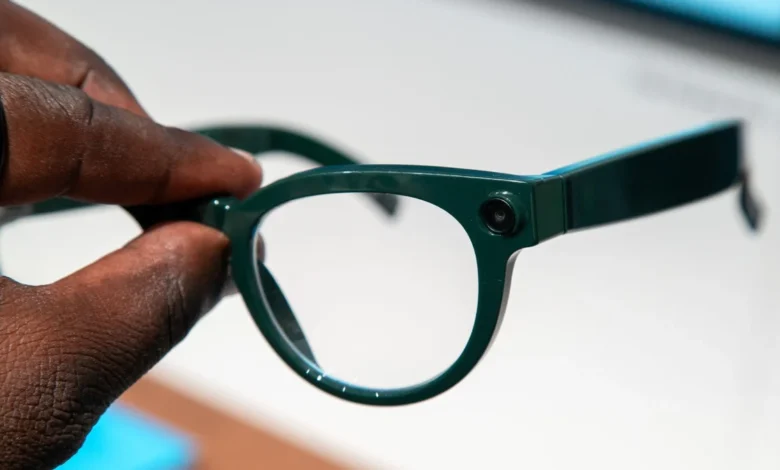
The landscape of wearable technology is poised for a significant shift as Samsung, in strategic collaboration with eyewear titans Warby Parker and Gentle Monster, prepares to bring its highly anticipated Android XR glasses to market. During its third-quarter 2026 earnings call held on November 5, Warby Parker officially signaled that the consumer availability phase for the "Intelligent Eyewear" project is imminent. According to the company, pre-orders for this inaugural collection are set to commence on November 12, marking a critical milestone in Samsung’s broader effort to integrate extended reality (XR) into the daily lives of mainstream consumers.
A Strategic Partnership for Modern Wearables
The decision to partner with established fashion-forward brands like Warby Parker and Gentle Monster is not merely a stylistic choice; it is a calculated effort to overcome the aesthetic stigma that has plagued previous generations of smart glasses. By leveraging the design language of these companies, Samsung aims to position its Intelligent Eyewear as a lifestyle accessory rather than a bulky piece of industrial hardware.
The technology powering these frames is built upon the Qualcomm Snapdragon AR1 Gen 1 platform, a chipset specifically optimized for light, power-efficient wearable devices. Unlike immersive virtual reality headsets that seek to replace the user’s field of view, these glasses are designed to work in tandem with a Galaxy smartphone, functioning as an augmented peripheral that provides heads-up information without necessitating the retrieval of a phone from a pocket or bag.
The Chronology of Development
The trajectory of this project has been marked by rapid development cycles and shifting release windows. Initial reports regarding Samsung’s entry into the smart glasses space suggested a possible late 2026 release, with some analysts predicting a November launch. However, as the development progressed, internal timelines were adjusted to ensure a polished user experience.
The confirmation of a November 12 pre-order date aligns with recent rumors suggesting a staggered rollout. Industry observers had previously noted that a mid-December shipping window was the most likely target for the first wave of units. By opening pre-orders in mid-November, both Samsung and Warby Parker are effectively priming the supply chain to meet the high demand expected during the upcoming holiday shopping season. This timing is critical for retail success, allowing the companies to capture market share during the most lucrative quarter of the year.
Regional Availability and Market Testing
According to preliminary reports, the initial distribution of the Intelligent Eyewear is expected to be limited, with a primary focus on South Korea and the United States. This geographic restriction is indicative of a "soft launch" strategy, which is common in the tech industry when introducing a new product category. By focusing on two key markets, Samsung can closely monitor consumer reception, identify technical hurdles, and gather real-world data on how users interact with the hardware.
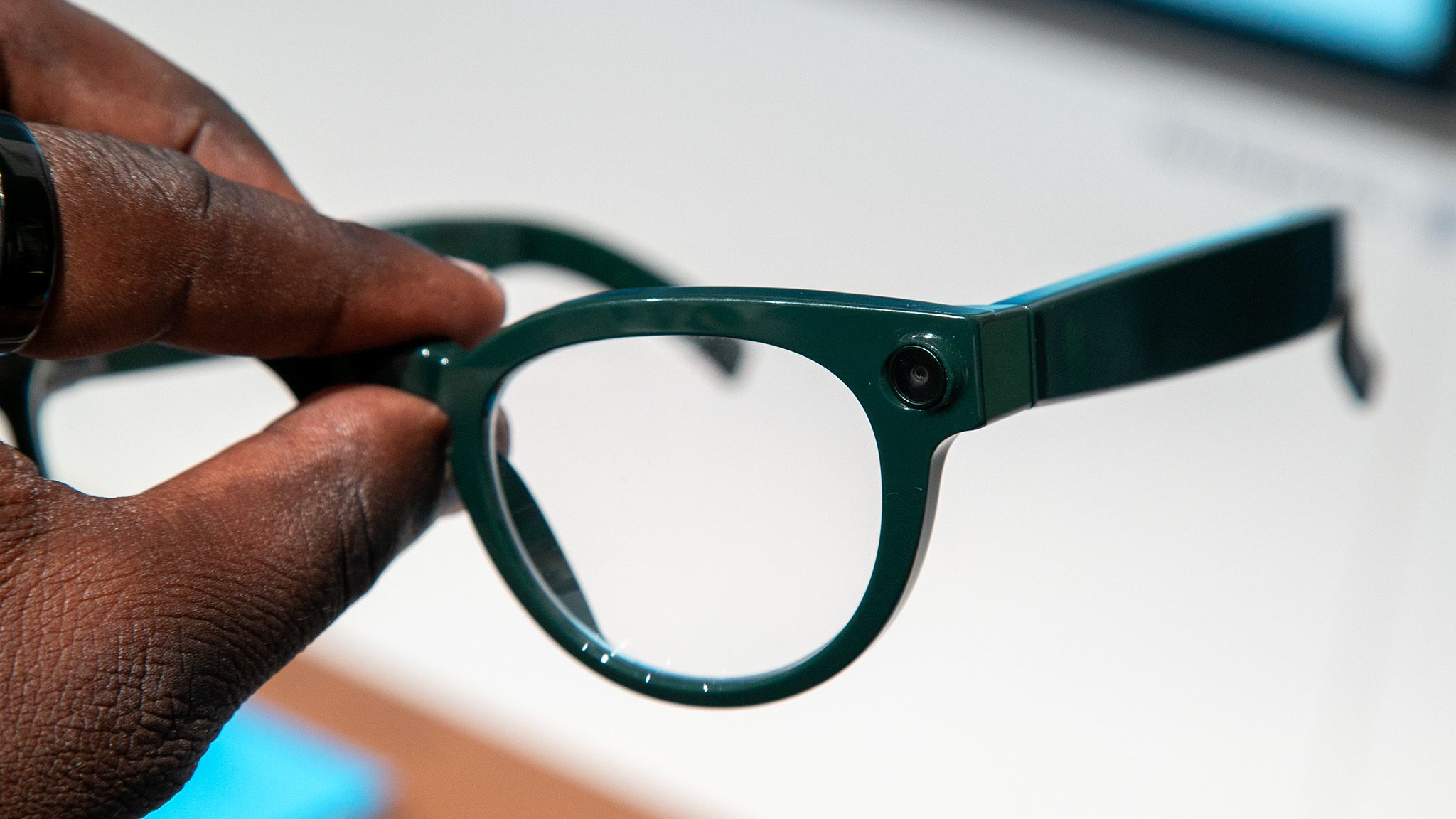
This data will be invaluable for the "second collection" that Warby Parker’s leadership, including CEO Dave Gilboa and co-founder Neil Blumenthal, hinted at during their earnings call. The emphasis on the "first collection" suggests that this is the beginning of a long-term roadmap. Samsung is clearly looking to iterate on the design and functionality of these glasses, using the initial feedback loop to refine future iterations.
Technological Implications and Market Positioning
The transition from smartphones to wearable XR devices represents one of the most significant challenges in modern computing. For years, the industry has struggled to balance battery life, thermal management, and display quality with the ergonomic requirements of a device that is meant to be worn on the face for several hours at a time.
Samsung’s approach with the Intelligent Eyewear appears to prioritize utility over raw power. By offloading complex processing tasks to the connected Galaxy smartphone, the glasses remain lightweight and unobtrusive. This architecture is designed to address the primary failure points of previous smart glass attempts, such as the Google Glass, which suffered from high price points, limited utility, and social discomfort.
Furthermore, the integration with Android XR—a platform optimized for spatial computing—suggests that Samsung is aiming for a seamless software ecosystem. If the interface is intuitive and the glasses provide genuine value in daily tasks like navigation, notifications, and media consumption, it could signal a turning point for the adoption of augmented reality.
Financial and Industry Outlook
Warby Parker’s involvement in the project is particularly notable given the company’s strong reputation in the direct-to-consumer eyewear market. For investors, the collaboration represents a potential new revenue stream that leverages existing physical retail footprints. During the Q3 earnings call, the company did not disclose specific financial targets for the glasses, but the tone of the announcement underscored a high level of confidence in the partnership with Samsung.
The broader implications for the tech industry are significant. If Samsung successfully demonstrates that smart glasses can be both fashionable and functional, it will likely accelerate competition from other major players, including Meta and Apple. The current market for wearables is dominated by smartwatches and fitness trackers; moving the digital interface to the eyes is the next logical step in the evolution of personal technology.
Addressing the "Holiday Window"
The mention of the "holiday season" by leadership is more than just a marketing nod; it reflects the logistical reality of hardware distribution. Delivering units to customers by the end of December requires a highly coordinated effort between manufacturing partners, logistics providers, and retail outlets.

By starting pre-orders on November 12, the companies are ensuring that they have enough time to process orders and manage supply chain expectations before the peak of holiday gift-giving. This is a critical departure from the "beta testing" style releases seen in the early days of XR, where devices were often sold in limited batches to enthusiasts. This time, the focus is on a broader, consumer-ready launch.
Analysis of the Competitive Landscape
The race to own the "face" is heating up. While Meta has found success with its Ray-Ban branded smart glasses, those devices focus heavily on audio and camera capabilities rather than true augmented reality displays. Samsung’s entry into this space, backed by the robust Android ecosystem, provides a different value proposition. If the Intelligent Eyewear offers a more sophisticated heads-up display capability, it could carve out a unique niche that bridges the gap between simple smart audio glasses and full-scale spatial computing headsets.
However, challenges remain. Battery life remains the "Achilles’ heel" of the wearable industry. Whether these glasses can sustain all-day use or if they require frequent charging breaks will be a deciding factor in their long-term success. Additionally, the social perception of wearing camera-equipped or display-heavy glasses in public spaces remains a hurdle that companies have yet to fully clear.
Conclusion: A New Era for Android Wearables
The upcoming pre-order launch on November 12 is a pivotal moment for Samsung. It represents the culmination of years of R&D and the synthesis of high-end fashion with cutting-edge mobile hardware. Whether these glasses become a staple of the modern wardrobe or remain a niche gadget for early adopters will depend on the software experience and the quality of the hardware in practice.
As we approach the launch date, the industry will be watching closely to see how the public responds to the first iteration of the Intelligent Eyewear. With the backing of Warby Parker’s retail infrastructure and Samsung’s manufacturing prowess, the potential for a successful entry into the mass market is high. For now, consumers and analysts alike are waiting to see if these glasses can truly deliver on the promise of an augmented, hands-free future. As the November 12 deadline approaches, the stage is set for what could be the most important wearable hardware launch of the year.