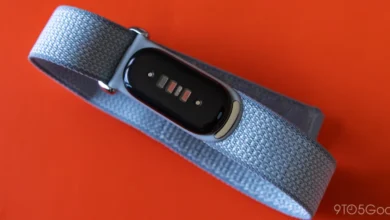
Google finally introduces Notify when left behind for Android Find Hub users to prevent lost belongings

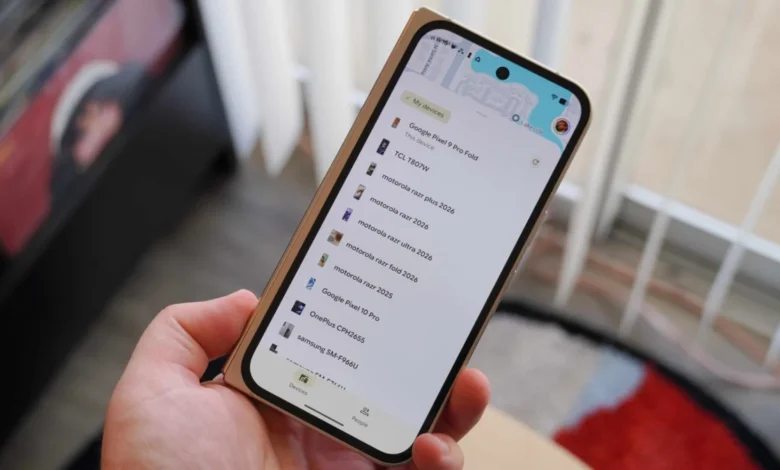
The landscape of personal item tracking is undergoing a significant evolution as Google officially begins the rollout of the "Notify when left behind" feature for its Find Hub network. This long-awaited functionality, which aligns the Android ecosystem more closely with the capabilities long enjoyed by Apple users, provides a critical safeguard for individuals prone to misplacing essential items such as keys, wallets, and bags. By leveraging the expansive, crowd-sourced Find Hub network, Google is transforming how Android users interact with Bluetooth-enabled peripherals and third-party trackers, marking a major milestone in the platform’s utility and security infrastructure.
The Evolution of the Find Hub Network
To understand the significance of this update, one must look back at the trajectory of Google’s tracking efforts. For years, the "Find My Device" feature was a relatively siloed service, primarily focused on locating smartphones and tablets through a GPS-based interface. However, in an effort to compete with the robust tracking ecosystems developed by industry rivals, Google undertook a comprehensive overhaul of its service, rebranding and expanding it into the more versatile "Find Hub."
The transition began in earnest last year, when Google shifted from a simple device-tracking utility to a comprehensive ecosystem. The new interface was designed to consolidate various tracking categories into a single, cohesive dashboard. This included not only mobile handsets but also an array of compatible Bluetooth trackers, such as the recently released Moto Tag and offerings from manufacturers like Chipolo. By integrating these third-party trackers directly into the Android framework, Google established a foundation for a truly ubiquitous tracking network, one capable of utilizing millions of Android devices to relay the location of lost items securely and privately.
Chronology of Feature Implementation
The journey to the "Notify when left behind" feature has been iterative. The rollout of the revamped Find Hub provided the infrastructure, but specific "proactive" features were notably absent at launch. The chronology of the service’s development is as follows:
- Pre-2023: Android users relied on disparate methods to track items, often requiring proprietary apps for each Bluetooth tag brand, leading to a fragmented user experience.
- Mid-2023: Google announces the overhaul of the Find My Device network, promising support for third-party trackers and offline location capabilities.
- Early 2024: The official launch of the new Find Hub interface, allowing users to view device locations and tracker status from a centralized hub.
- Late 2024: Continued expansion of the ecosystem with the release of specialized hardware, including the Moto Tag, which underscored the need for more sophisticated management tools.
- November 2026: Initial reports confirm the rollout of "Notify when left behind," signaling the maturation of the network’s software capabilities.
How the Feature Functions
The "Notify when left behind" feature operates on the principle of proximity sensing. By utilizing the Bluetooth signal strength between a user’s Android smartphone and the paired tracker, the system can establish a baseline of "togetherness." When the smartphone loses that signal—indicating that the user has physically moved away from the item—the device triggers an automated, actionable notification.
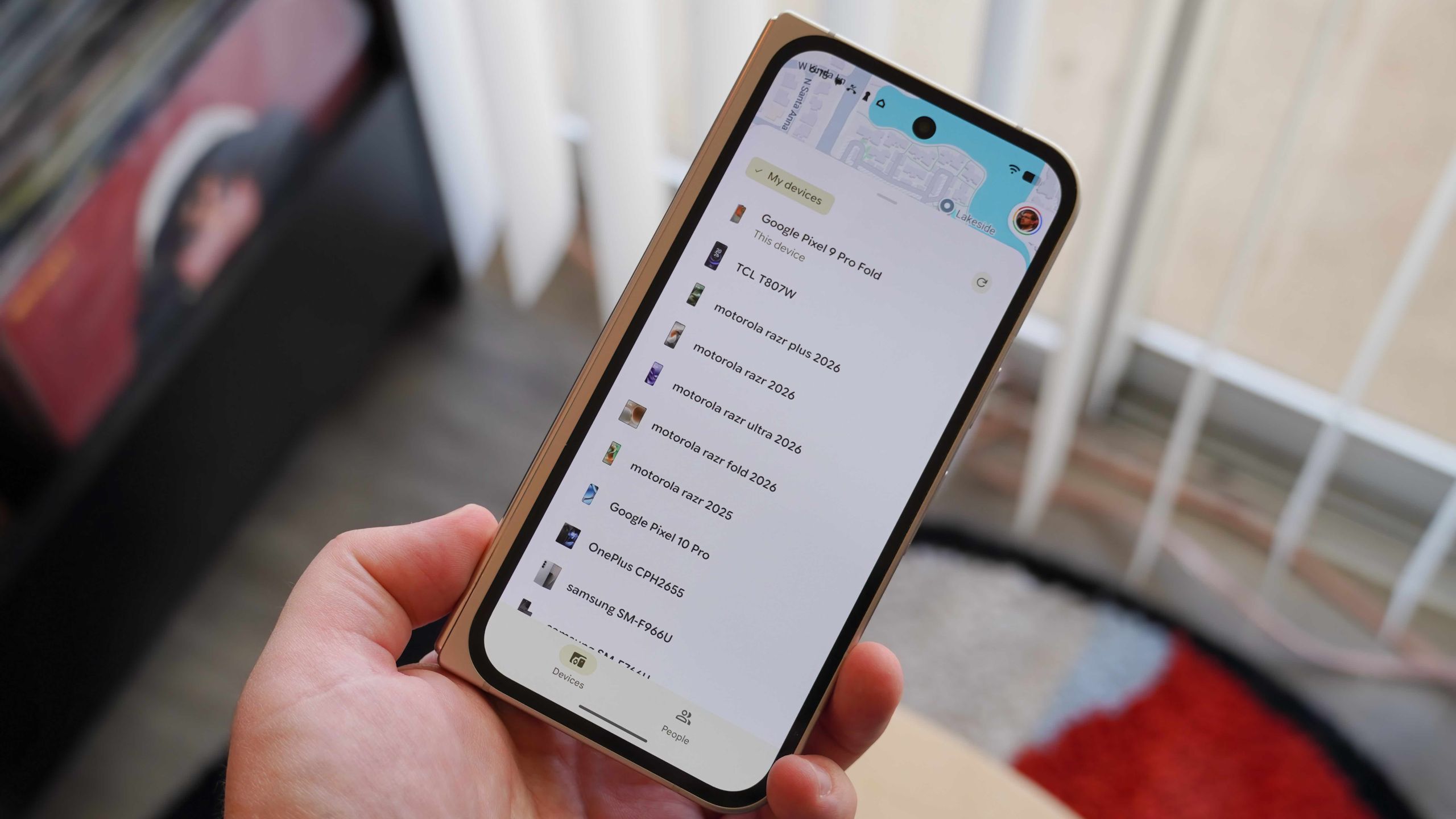
This mechanism is designed to be highly responsive yet customizable. Users can access the configuration settings within the Find Hub application, where they can designate specific trackers for these alerts. Once activated, the system monitors the connection status in real time. If a user walks away from a gym bag or a briefcase, the phone detects the increasing distance and sends a ping, providing the user with an immediate opportunity to return to the item before it is truly lost.
Comparative Analysis and Market Context
The implementation of this feature addresses a notable parity gap in the mobile market. Apple’s "Find My" network, which launched its item-tracking capabilities with the AirTag in 2021, featured "Notify when left behind" as a core component from its inception. For years, this functionality served as a key differentiator, often cited by consumers as a primary reason for remaining within the Apple ecosystem.
Market data consistently shows that consumer demand for Bluetooth trackers has grown at a compound annual growth rate (CAGR) of over 10% in the last five years. As the proliferation of smart devices increases, the necessity for a "fail-safe" for personal property has become a standard consumer expectation. By closing this gap, Google is not only enhancing the value proposition of Android but also acknowledging the shift in user expectations regarding the role of a mobile operating system as an administrative assistant for daily life.
Technical Implications and Security
From a technical standpoint, the integration of such a feature on a network scale of this magnitude requires rigorous security measures. The Find Hub network utilizes end-to-end encryption to ensure that while the location of a device can be determined, the privacy of the owner and the integrity of the relaying devices remain intact.
The "Notify when left behind" feature adds a layer of intelligence to this security model. Because the alert relies on the connection between the user’s phone and the device, the data remains largely local to the user’s handset. This minimizes privacy concerns related to constant location tracking, as the system does not necessarily need to upload the item’s coordinates to a server until the user initiates a search query.
Broader Impact on the Android Ecosystem
The implications of this update extend beyond simple convenience. For the average consumer, this reduces the "mental load" associated with keeping track of physical objects. Furthermore, it incentivizes hardware manufacturers to continue developing compatible accessories for the Android ecosystem.
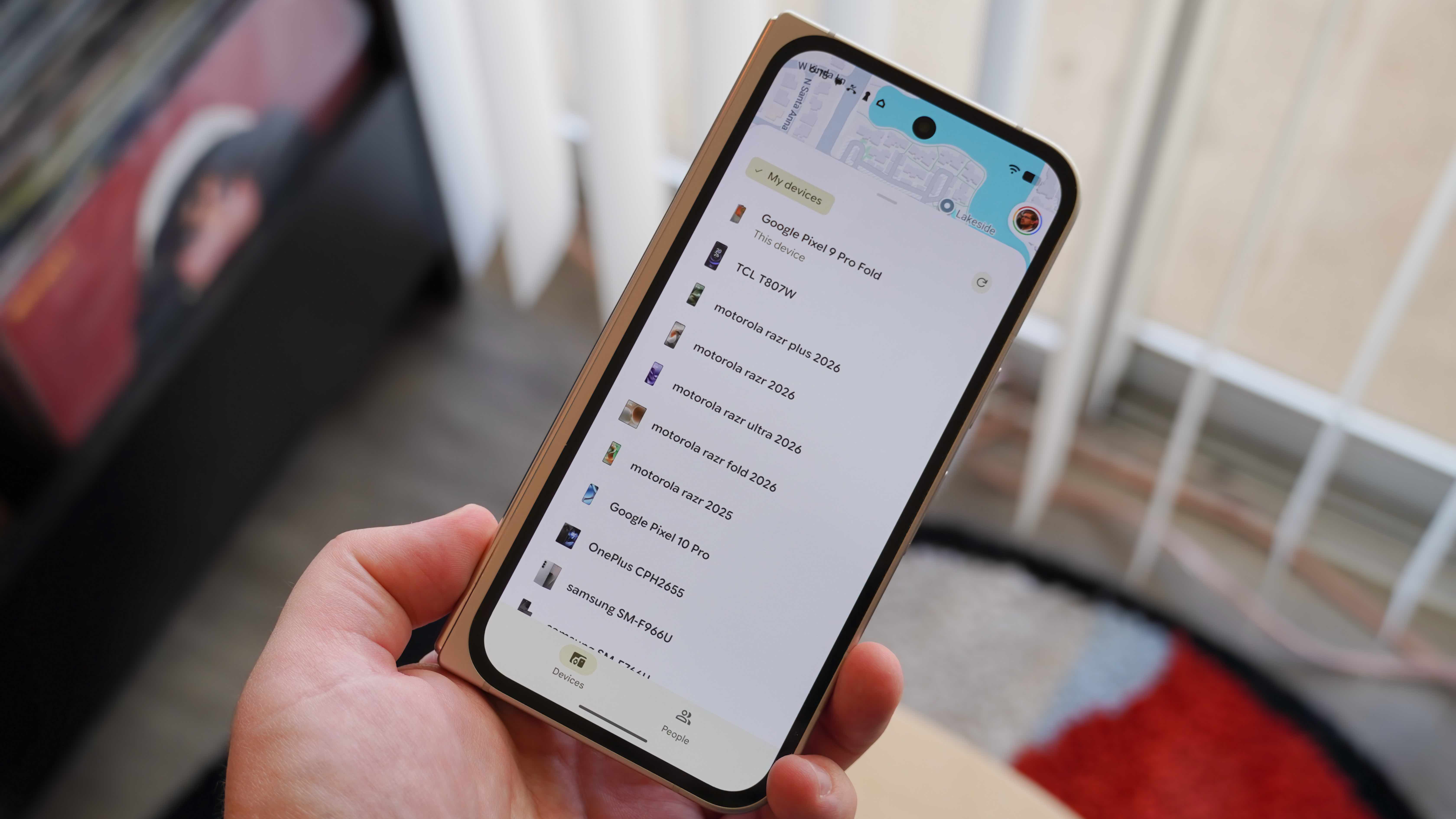
While the feature is currently limited to Bluetooth trackers, analysts suggest that this is only the first phase. The potential for expanding this to include headphones, wearables, and even tablets represents a significant growth vector for Google. As the network matures, the ability for a user to receive alerts for a wide range of Bluetooth-connected peripherals could become a standard feature of the Android user experience, effectively turning the smartphone into a centralized command center for personal inventory.
Future Outlook and Industry Response
Industry observers note that the success of this feature will depend heavily on the reliability of the Bluetooth connection. Challenges such as signal interference in dense urban environments or the limitations of Bluetooth range are factors that Google will likely continue to optimize through software updates.
While Google has not released specific usage statistics regarding the adoption of the new feature, early feedback from beta testers and industry analysts suggests that it is one of the most requested additions to the platform. By proactively addressing these needs, Google is demonstrating a commitment to platform parity that is essential for long-term user retention.
As the tech sector moves toward more integrated IoT (Internet of Things) environments, the role of tracking networks will only grow in importance. With "Notify when left behind," Google is successfully positioning Android to handle the complexities of a connected life, ensuring that the technology meant to simplify our day-to-day operations remains effective, intuitive, and reliable. Moving forward, the industry will be watching to see how quickly Google expands this capability to other categories and whether it can maintain the high standards of privacy and performance required for such a widespread, network-dependent service.