Samsung Galaxy Z Fold 8 Redefines the Foldable Form Factor With Wider Displays and Advanced Multitasking Capabilities

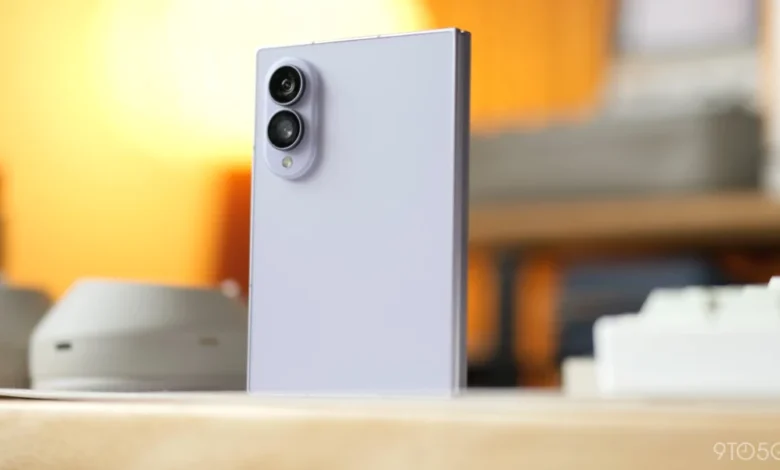
The evolving landscape of mobile technology has seen foldable smartphones transition from experimental, fragile novelties into mainstream productivity and entertainment powerhouses. As consumer demand shifts toward devices that bridge the gap between traditional smartphones and tablets, manufacturers are continually refining hardware designs to eliminate historical pain points. Samsung’s latest flagship release, the Galaxy Z Fold 8, represents a significant hardware and software evolution in the foldable category. By rethinking aspect ratios, expanding multitasking capabilities, and improving structural versatility, the device addresses longstanding usability compromises that previously deterred mainstream adopters.

Hardware Evolution and Display Redesign
For years, early iterations of foldable smartphones faced criticism for their cumbersome proportions. Outer screens were frequently criticized for being excessively narrow—resembling a television remote control rather than a standard smartphone—which made rapid typing and standard web browsing awkward. Conversely, inner screens often deployed near-square aspect ratios that proved inefficient for traditional widescreen video consumption, leaving massive black bars above and below cinematic content.
With the Galaxy Z Fold 8, Samsung has overhauled this geometric philosophy. The device departs from the ultra-tall, narrow outer profile found on previous generations, opting instead for a wider, more balanced footprint. This adjustment ensures that the cover display closely mirrors the proportions of a conventional smartphone. Users can interact with messaging applications, social media platforms, and email clients on the exterior screen without experiencing text crowding or clipped images.

When unfolded, the interior display expands into a broad, landscape-oriented canvas. Rather than emphasizing a square canvas, the wider inner panel is specifically engineered to optimize media consumption. Cinematic videos, television shows, and streaming media naturally scale across the panel without the aggressive letterboxing that plagued earlier folding devices. Furthermore, for vertical media formats such as short-form video feeds, the device can be easily rotated, retaining a tablet-scale viewing experience regardless of content orientation.
Advanced Multitasking and One UI 9 Integration
Hardware adjustments alone are insufficient without dedicated software optimization. The Galaxy Z Fold 8 operates on Samsung’s advanced One UI 9, a software ecosystem tailored specifically to leverage expansive, multi-window screen real estate. Historically, split-screen phone interfaces often felt cramped, reducing utility and forcing users to constantly toggle back and forth between applications.

One UI 9 transforms the inner display of the Galaxy Z Fold 8 into a genuine multi-window workstation. The operating system supports a robust three-way Split View layout, allowing users to divide the expansive display among three active applications simultaneously. By utilizing the integrated taskbar, operators can drag and drop applications into designated screen sectors with minimal friction.
For edge-case scenarios requiring even higher operational density, the system permits a fourth application to run concurrently inside a movable floating window. While running four simultaneous applications may exceed the daily requirements of an average consumer, hardware benchmarks and thermal management systems allow the Galaxy Z Fold 8 to handle the load without performance degradation. Whether a user is streaming video content while cross-referencing messaging applications for shopping lists or maintaining a spreadsheet in a floating window, the interface maintains fluid frame rates and responsive touch inputs.

Engineering Versatility: The Built-in Kickstand Hinge
Beyond screen dimensions and software optimization, the physical architecture of foldable devices dictates their everyday utility. Traditional smartphones require external accessories—such as phone cases with kickstands, portable tripods, or docks—to achieve elevated angles for hands-free photography, video conferencing, or media playback.
The Galaxy Z Fold 8 integrates structural versatility directly into its hinge mechanism. Engineered with variable-friction resistance, the hinge allows the device to hold its position stably at various angles. This mechanical property enables the phone to function as its own tripod. Users looking to capture self-portraits, group photographs, or time-lapse videos can position the device on any flat surface, set a camera timer, and execute shots without third-party hardware support. Similarly, frequent travelers can prop the phone up on tray tables during transit to watch movies hands-free, turning the chassis itself into a stable viewing platform.

Market Positioning and Retail Availability
The launch of the Galaxy Z Fold 8 arrives during a critical retail window for consumer electronics manufacturers. As the holiday shopping season approaches, major consumer technology retailers and telecommunications providers have rolled out aggressive promotional campaigns. Retailers such as Best Buy have positioned the Galaxy Z Fold 8 centrally within their holiday sales strategies, offering substantial promotional discounts, enhanced trade-in valuations for legacy devices, and financing incentives to lower the barrier of entry for prospective buyers.
Industry analysts note that as foldable manufacturing maturation drives production yields upward, brands are actively attempting to capture a broader demographic beyond early tech enthusiasts. By focusing on ergonomic refinements that make the device feel comfortable as a primary daily driver, Samsung aims to cement foldables as a durable, practical category rather than a niche luxury item.

Implications for the Mobile Industry
The introduction of the Galaxy Z Fold 8 highlights a broader shift in smartphone engineering. For nearly a decade, annual smartphone upgrades were characterized by incremental improvements in camera megapixel counts and minor processor speed enhancements. The foldable segment, however, continues to offer genuine paradigm shifts in how users interact with digital information.
By resolving long-standing complaints regarding outer display ergonomics and introducing seamless multi-app workflows, the Galaxy Z Fold 8 sets a new benchmark for competitor devices. As software developers increasingly optimize applications for flexible aspect ratios and split-screen frameworks, the ecosystem supporting foldable technology grows more robust. The device underscores a future where mobile hardware is no longer strictly bound to a single rigid pane of glass, offering scalable utility that adapts dynamically to the user’s immediate needs.