Anker Soundcore Space 2 Pro Review: Ambitious Upgrades Meet Mixed Real-World Results

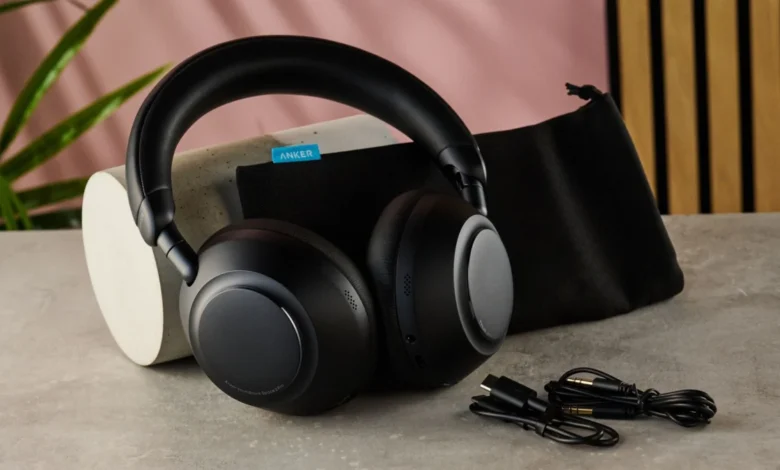
The audio hardware market has long been a battleground of incremental improvements and aggressive pricing strategies. In September 2026, consumer audio manufacturer Anker officially launched its latest flagship over-ear headphones, the Anker Soundcore Space 2 Pro. Positioned as the direct successor to the widely popular Anker Soundcore Space One Pro—released approximately two years prior—the new model arrives with a retail price tag of $199.99 / £199.99 / AU$349.99. While this maintains parity with the American launch price of its predecessor, British consumers face a £50 price increase, placing the headphones under heightened scrutiny from audiophiles and budget-conscious buyers alike.
Anker’s market strategy for the Space 2 Pro relies heavily on integration of advanced processing hardware. At the core of this generation is the newly adopted Thus chip, a dedicated processing unit designed to dramatically enhance computational overhead. This silicon upgrade facilitates an array of next-generation features, including enhanced adaptive active noise cancellation (ANC), high-resolution audio codecs via LDAC, and a controversial voice-activated AI Chat system. However, a comprehensive two-week testing period reveals a complex narrative: while the headphones excel in physical comfort and noise suppression, they falter in battery longevity, out-of-the-box acoustic balance, and software stability.
Chronology and Market Positioning
The trajectory of Anker’s Soundcore over-ear lineup has been defined by rapid iteration. When the original Space One Pro debuted, it carved out a substantial niche by offering competitive build quality and robust noise isolation at a fraction of the cost commanded by industry heavyweights like Sony and Bose. Building upon that foundation, development on the Space 2 Pro prioritized computational audio performance.
By integrating the proprietary Thus chip, Anker sought to bridge the performance gap between mid-range consumer audio and premium flagship devices. The rollout began globally in September 2026, targeting an increasingly crowded sub-$200 sector populated by formidable alternatives such as the Nothing Headphone (a) and the Sennheiser Accentum Plus. Yet, market analysts note that a £50 price bump in the United Kingdom elevates consumer expectations, making minor design flaws and regressions in battery life significantly more consequential.
Engineering, Design, and Physical Comfort
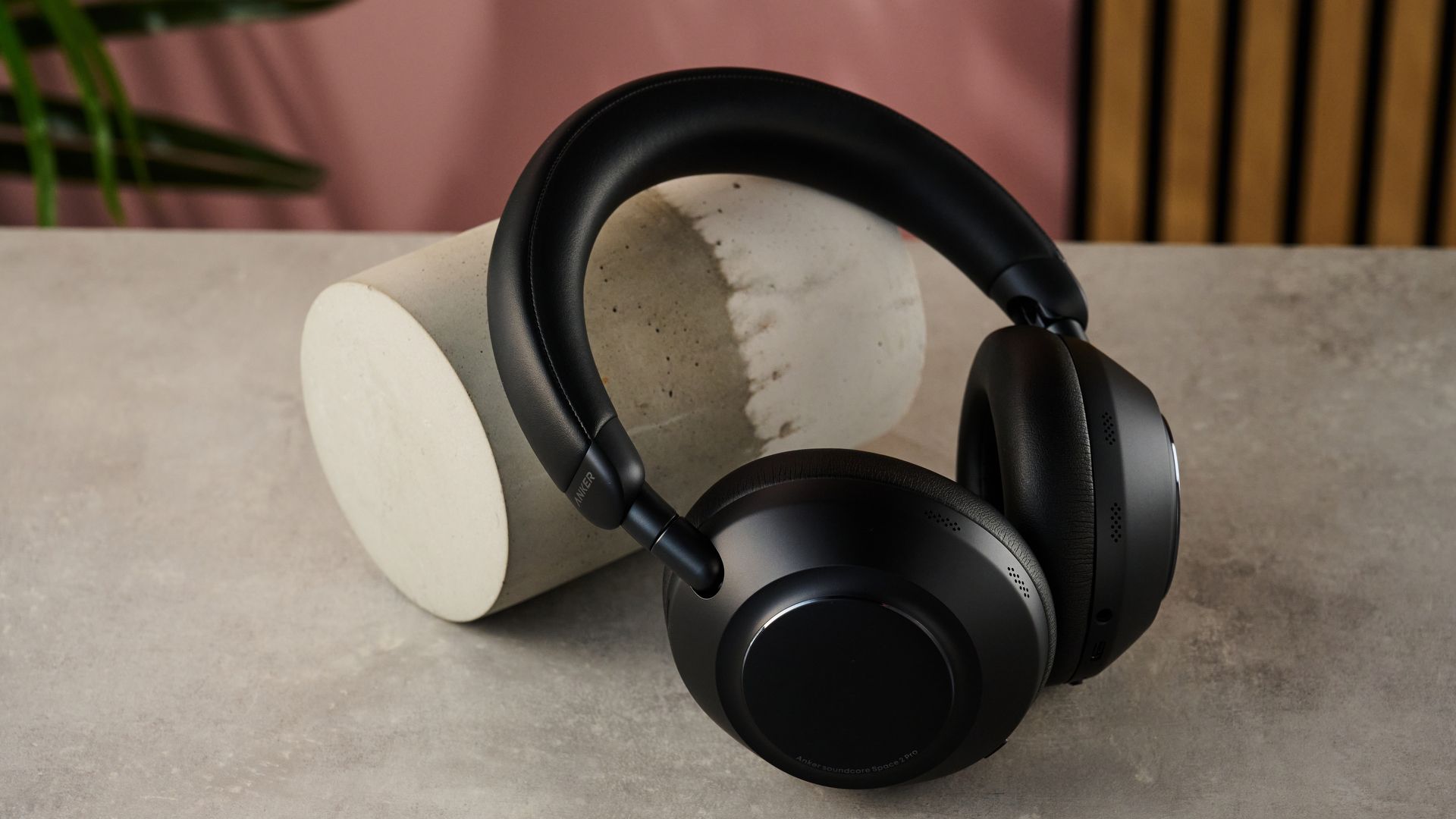
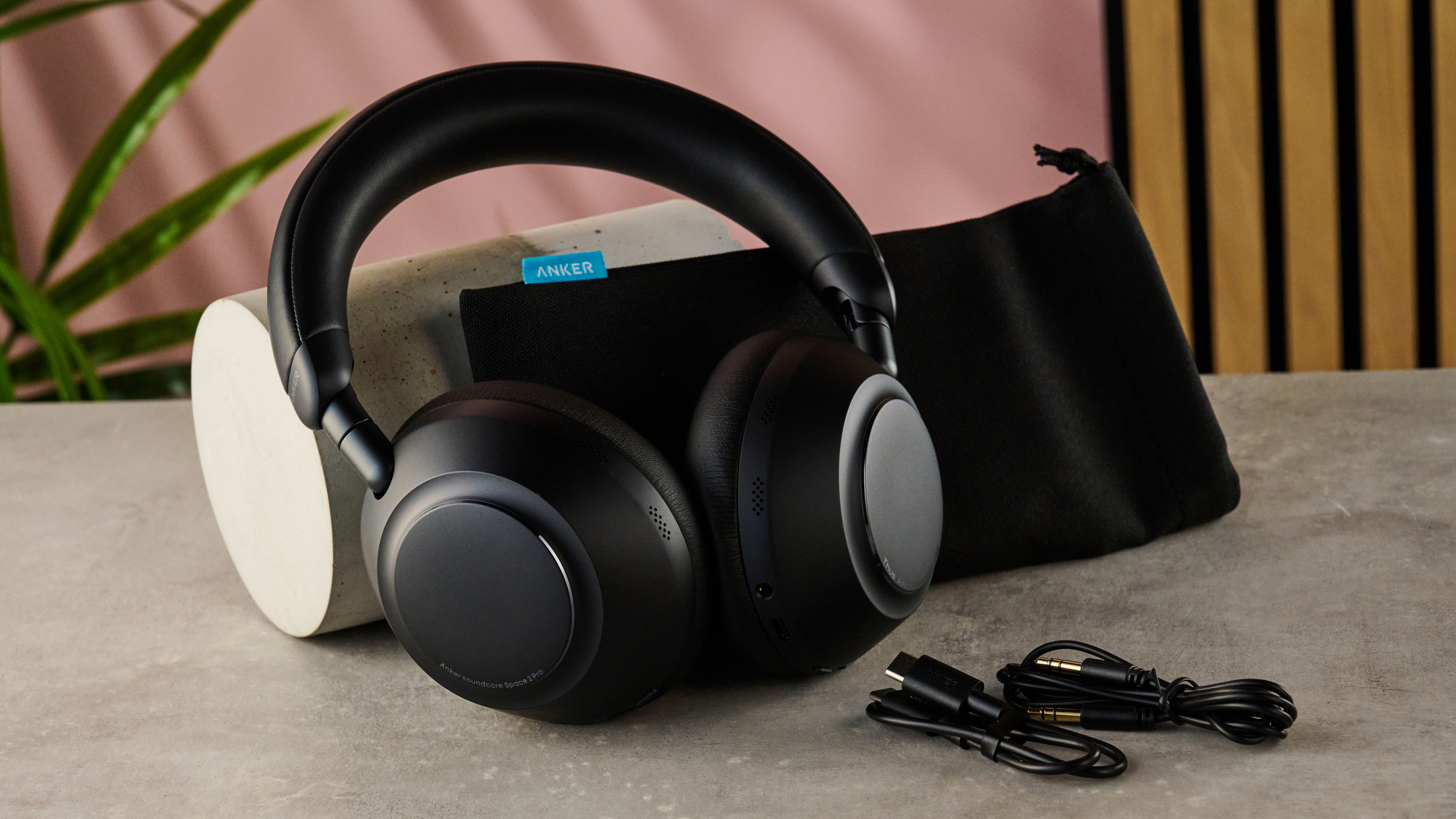
Despite mixed software and acoustic performance, the physical architecture of the Anker Soundcore Space 2 Pro represents a clear triumph in industrial design. Weighing in at 0.6 lbs (262g), the headphones utilize a combination of robust plastics with a high-end matte finish and a luxurious headband construction that punches well above its price class.
Ergonomics have clearly been a focal point for Anker’s engineering team. The earcups and headband feature generous, high-density padding designed to distribute clamping force evenly. During extended listening sessions spanning several hours, testers reported virtually no physical fatigue or discomfort—a common pitfall for over-ear headphones in this weight category.
Furthermore, the Space 2 Pro maintains a foldable form factor. While they lack the ability to fold completely flat—a design choice present in the original Space One Pro—they remain compact enough to stow comfortably within a backpack. Anker continues its tradition of value-adds by including a sturdy, well-designed travel case directly in the box, enhancing the product’s overall unboxing appeal and portability.
Active Noise Cancellation and Call Quality Performance
The inclusion of the Thus chip yields immediate dividends in active noise cancellation and voice processing. Anker equipped the Space 2 Pro with an eight-microphone array capable of computing and neutralizing roughly 384,000 noise signals per second.
Real-world testing validates these figures. When subjected to dense urban environments—including heavy roadside traffic, commuter foot traffic, and the low-frequency rumble of public transit—the adaptive ANC demonstrates sublime effectiveness. Commuters note that the system effortlessly mutes the roar of passing trucks and scooters. In office environments, the microphones efficiently filter out background chatter and mechanical keyboard typing, positioning the Space 2 Pro at the absolute pinnacle of noise suppression for its price tier.
Transparency mode and a dedicated wind-reduction setting further bolster the device’s utility outdoors, giving users granular environmental awareness during gusty weather conditions.
Call quality similarly benefits from a six-microphone voice isolation matrix. Test calls conducted in chaotic environments yielded crisp, clean vocal reproduction with minimal background bleed. While industry purists may argue that ultra-premium models like the Sony WH-1000XM6 achieve superior vocal fidelity, those alternatives command double the financial investment of Anker’s hardware.
Acoustic Profile and Sound Quality Evaluation
Acoustically, the Anker Soundcore Space 2 Pro presents a more contentious profile. Equipped with 35mm dynamic drivers spanning a frequency range of 40 Hz to 40 kHz, the headphones support high-resolution audio streaming via LDAC, alongside a traditional 3.5mm wired analog connection.
Out of the box, however, the default sound signature leans heavily and aggressively into the low-end frequencies. While the original Space One Pro balanced a bass-forward presentation with distinct mids and highs, the Space 2 Pro feels overzealous in the bass department. Tracks characterized by complex sub-bass production, such as Deep Active Sound’s Pia, revealed a low-end that lacked necessary textural refinement and restraint, occasionally crossing into a boomy, uncontained presentation.
Treble performance fares better; high-frequency percussion remains tight, controlled, and pleasantly weighted. Mid-range synths and vocals also enjoy a commendable sense of space and clarity, particularly when streaming high-resolution files via LDAC. For instance, testing with Allie X’s Black Eye demonstrated pristine vocal breathiness and detail, though the heavy bass response continued to obscure the track’s necessary rhythmic agility.
Users willing to navigate Anker’s companion application can utilize the HeardID 5.0 hearing test—which generates a bespoke EQ curve—or manually adjust an eight-band custom equalizer. Applying manual attenuation to the low frequencies largely remedies the out-of-the-box boominess, transforming the headphones into a competent, clear-sounding audio device. Conversely, the built-in spatial audio mode proves less successful, widening the soundstage at the direct expense of audio fidelity and resolution.
The AI Chat Integration Pitfall
Perhaps the most heavily publicized feature of the Thus chip is the introduction of conversational AI integration, marketed under the moniker "AI Chat." Activated by the wake phrase "Hey Anka," the system is designed to execute commands, answer trivia, and perform system adjustments via natural language processing.
In practice, implementation falls short of baseline usability standards. While peripheral queries—such as requesting general knowledge facts about marine life—yielded coherent and comprehensive responses, core functional commands frequently failed. Testers attempting to adjust volume levels from 50% experienced erratic behavior, with the AI verbally confirming "setting volume to 10%" while leaving the audio level unchanged, subsequently looping the same verbal response multiple times.
Furthermore, the AI exhibited disruptive autonomous behavior, initiating unprompted status updates, apologizing for its inability to set timers that were never requested, and delivering prolonged monologues about its capabilities without an easy method to halt the speech. For the vast majority of consumers, voice-activated AI on headphones remains an experimental novelty; when it malfunctions as persistently as it does on the Space 2 Pro, it becomes an active detriment to the user experience.
Battery Life Regressions
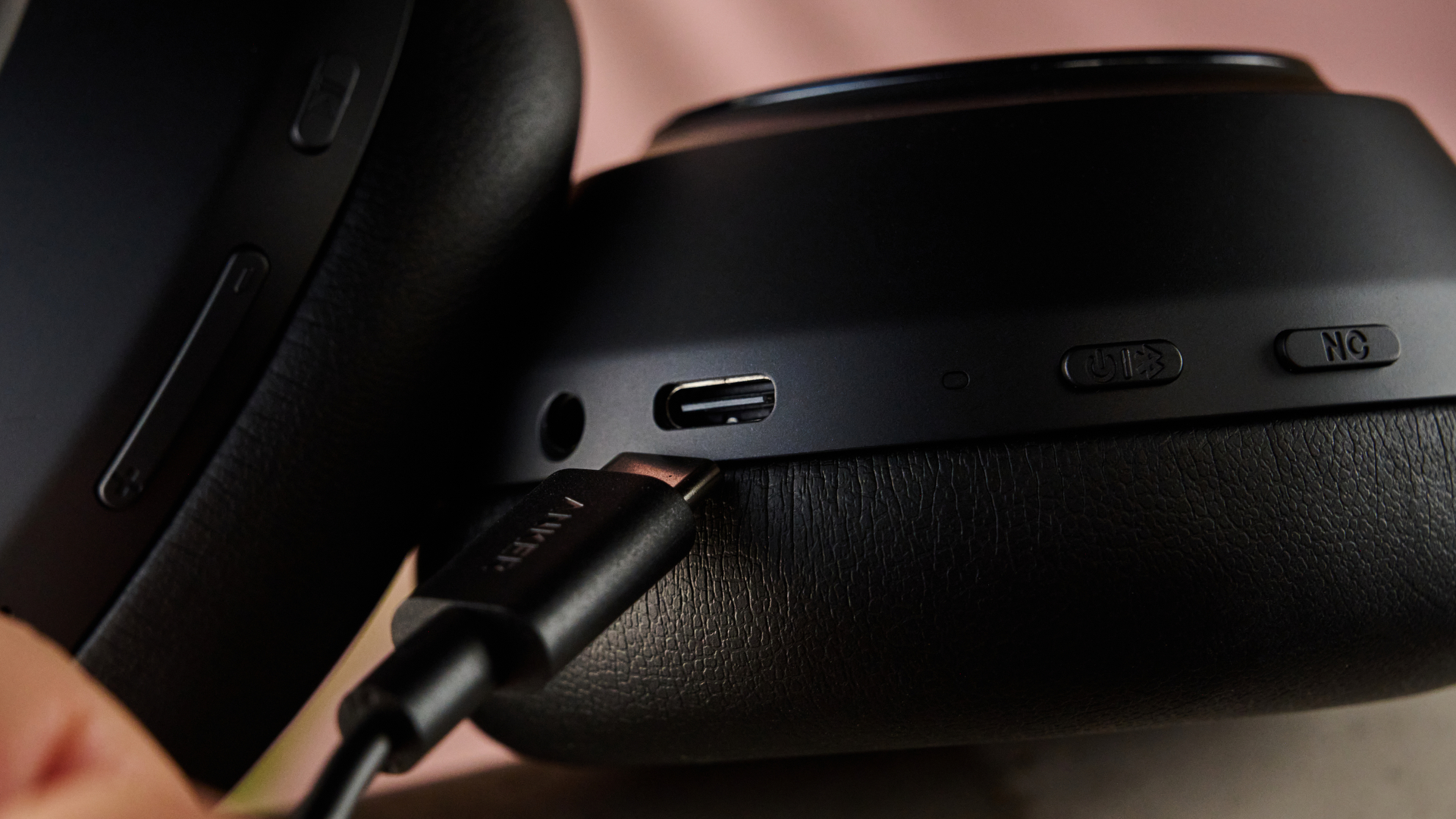
A notable casualty of the powerful Thus chip is battery longevity. The Anker Soundcore Space 2 Pro is rated for up to 30 hours of continuous playback with active noise cancellation enabled, and up to 60 hours with ANC deactivated.
While these figures are serviceable for daily commuting, they represent a measurable step backward compared to the endurance offered by the older Space One Pro. More critically, the hardware falls behind direct market competitors. The Nothing Headphone (a), for example, delivers up to 75 hours of playback with ANC active under similar testing conditions. Industry analysts attribute this power deficit to the heavy thermal and electrical draw demanded by the Space 2 Pro’s onboard AI processing architecture.
Competitive Landscape and Verdict
The Anker Soundcore Space 2 Pro occupies an awkward middle ground in the modern personal audio ecosystem. On one hand, Anker has successfully delivered world-class active noise cancellation, exceptional ergonomic comfort, a luxurious aesthetic design, and robust high-res Bluetooth codec support at a moderate price point.
On the other hand, a regression in battery performance, a muddy and over-aggressive default bass tuning, and a dysfunctional AI Chat implementation prevent the headphones from securing an unreserved recommendation. With a retail cost of $199.99 / £199.99 / AU$349.99—reflecting a notable price increase for British buyers—the Space 2 Pro struggles to justify its cost over its predecessor or more optimized rivals like the Nothing Headphone (a) and Sony WH-CH730N.
For consumers prioritizing absolute comfort and peerless noise isolation, the Anker Soundcore Space 2 Pro remains a viable purchase, particularly if acquired during promotional retail sales. However, prospective buyers seeking out-of-the-box acoustic precision and reliable battery endurance will likely find greater satisfaction looking toward older iterations or competing hardware lines.