Samsung R95H Review: Advancing Micro RGB TV Technology to Challenge OLED Supremacy

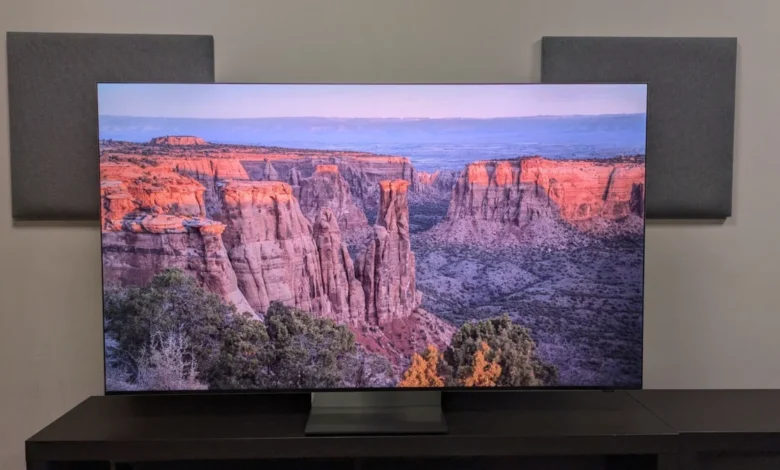
Samsung’s introduction of its Micro RGB television lineup marks a significant strategic shift in the consumer electronics market, with the flagship Samsung R95H standing at the vanguard of this new display category. Positioned above the R85H model and available in 65-, 75-, and 85-inch screen sizes, the R95H represents Samsung’s initial commercial foray into utilizing red, green, and blue LEDs at a sub-miniaturized scale. This architecture replaces the traditional white backlighting framework with individual color components to elevate color volume, saturation, and peak luminescence.
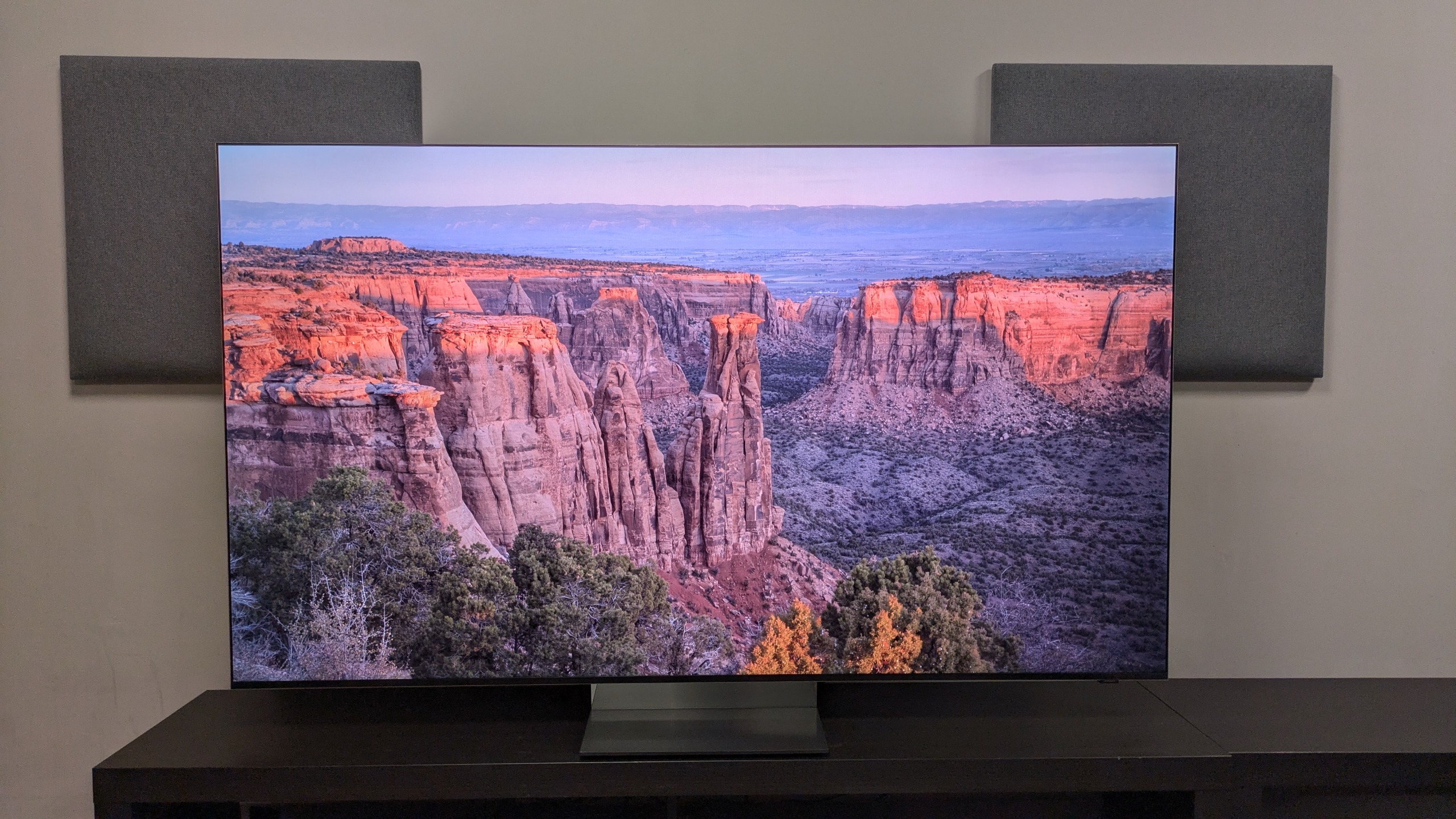
As display manufacturers continue to battle for dominance in the high-end home entertainment sector, the R95H enters a fiercely competitive arena. Retailing initially at $3,199 / £3,099 / AU$5,299 upon its launch in July 2026, subsequent market adjustments have brought the 65-inch review model down to $2,799 / £2,899 / AU$4,999. This pricing strategy places the Samsung R95H in direct competition with established industry benchmarks, such as Samsung’s own S95H / S99H QD-OLED televisions and LG’s flagship G6 OLED. Despite these elite contenders holding a slight advantage in absolute black-level performance, the R95H serves as an essential progress report on how advanced backlit LED configurations are closing the performance gap against organic light-emitting diode technology.

Picture Quality and Benchmark Performance
Evaluating the picture performance of the Samsung R95H requires examining both subjective viewing impressions and rigorous laboratory measurements. Utilizing specialized calibration tools including a Murideo Six G 8K test pattern generator, a Klein K-10A colorimeter, and a Jeti Spectral 15VA spectroradiometer running Portrait Displays’ Calman software, technical tests reveal compelling operational metrics. In HDR Filmmaker mode, the television registered a peak brightness of 1,977 nits on a 10% white window, while Standard mode pushed this figure to 2,066 nits. Interestingly, these measurements sit slightly below Samsung’s flagship S95H/S99H OLED models, which exceeded 2,700 nits under identical parameters.
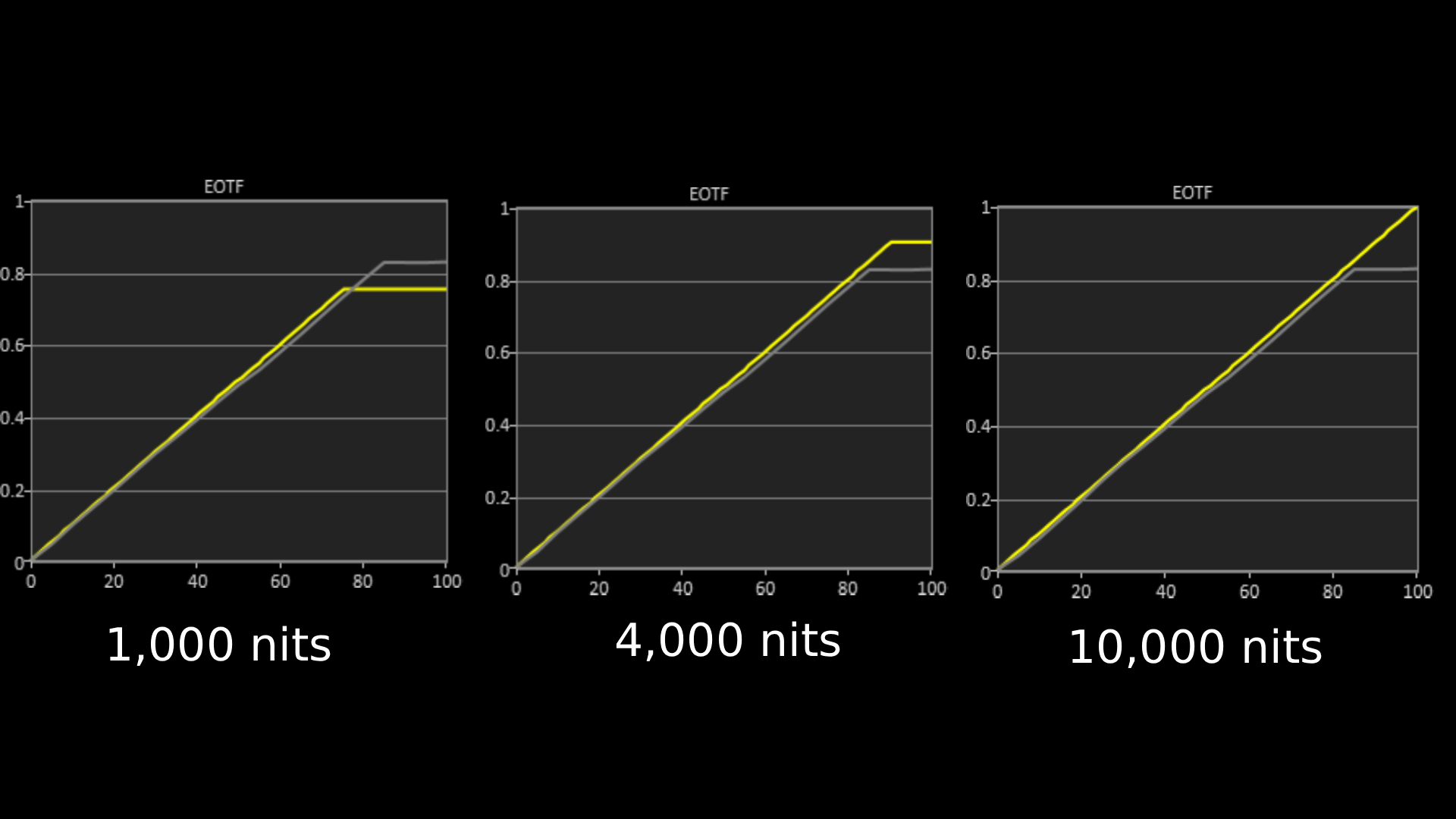
However, the R95H claims a distinct advantage in full-screen HDR brightness. Achieving roughly 612 nits in Filmmaker mode and 600 nits in Standard mode for 100% white windows, the Micro RGB panel outpaces typical OLED limitations by roughly 150 nits. This sustained full-screen luminance ensures that bright, expansive outdoor scenes retain their visual impact without the automatic limiter interventions common to organic displays. Nevertheless, rival RGB models like the Hisense UR8 and Sony Bravia 7 II have recorded higher full-screen outputs, exceeding 750 and 800 nits respectively.
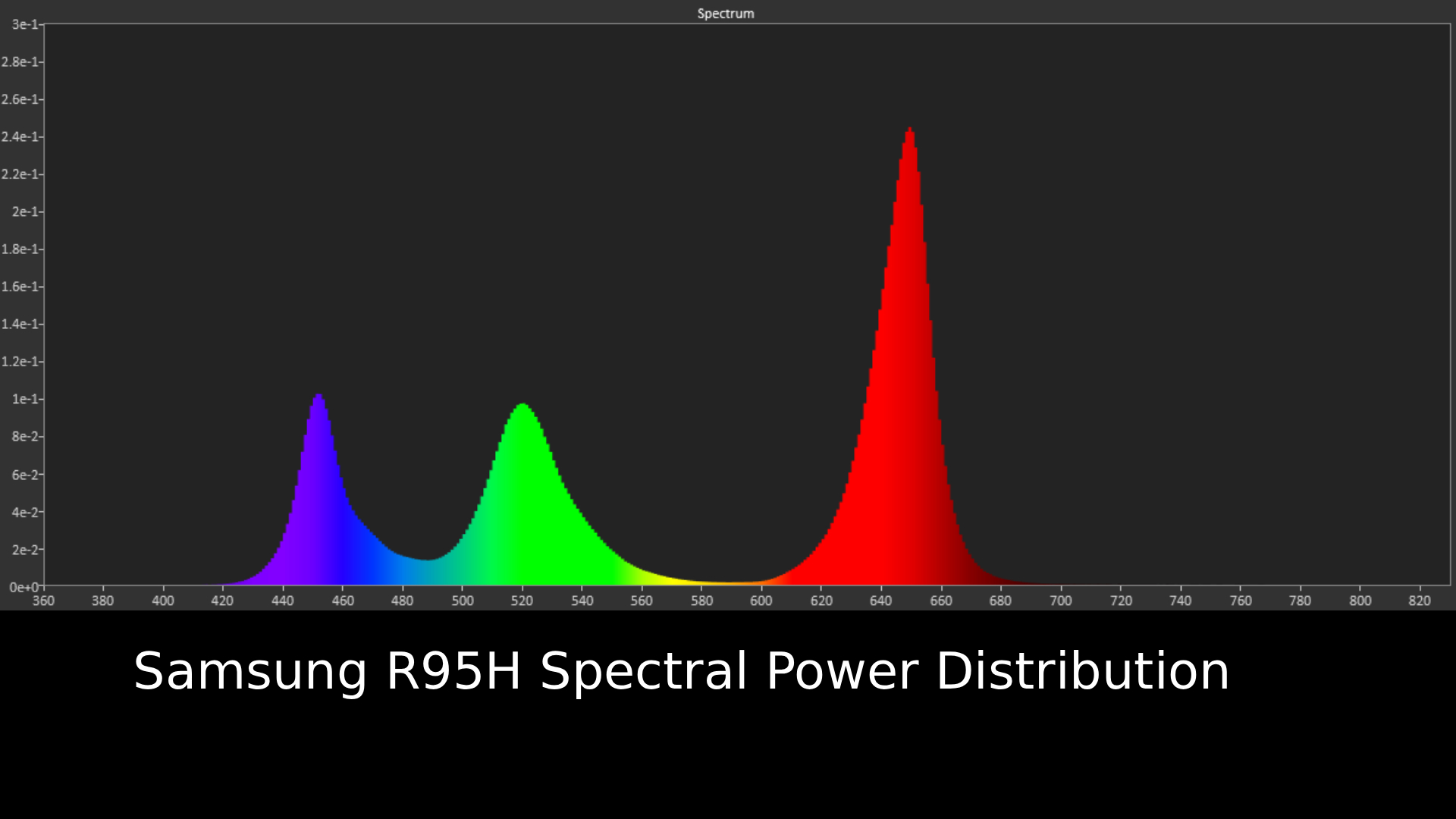
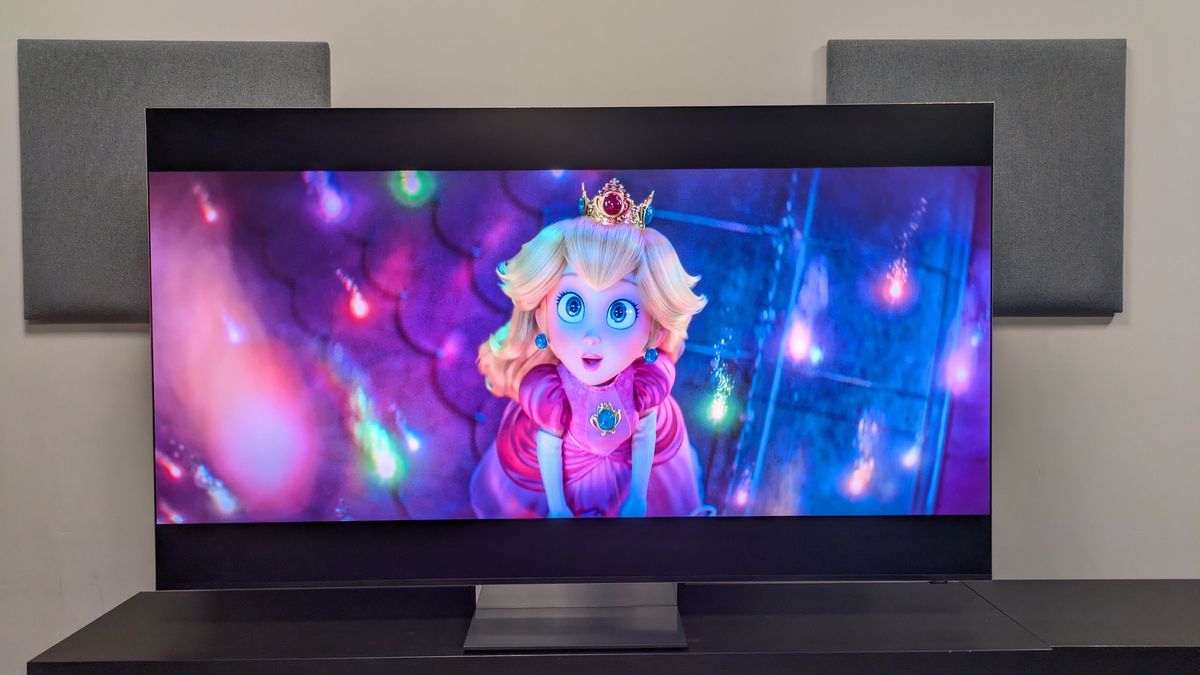
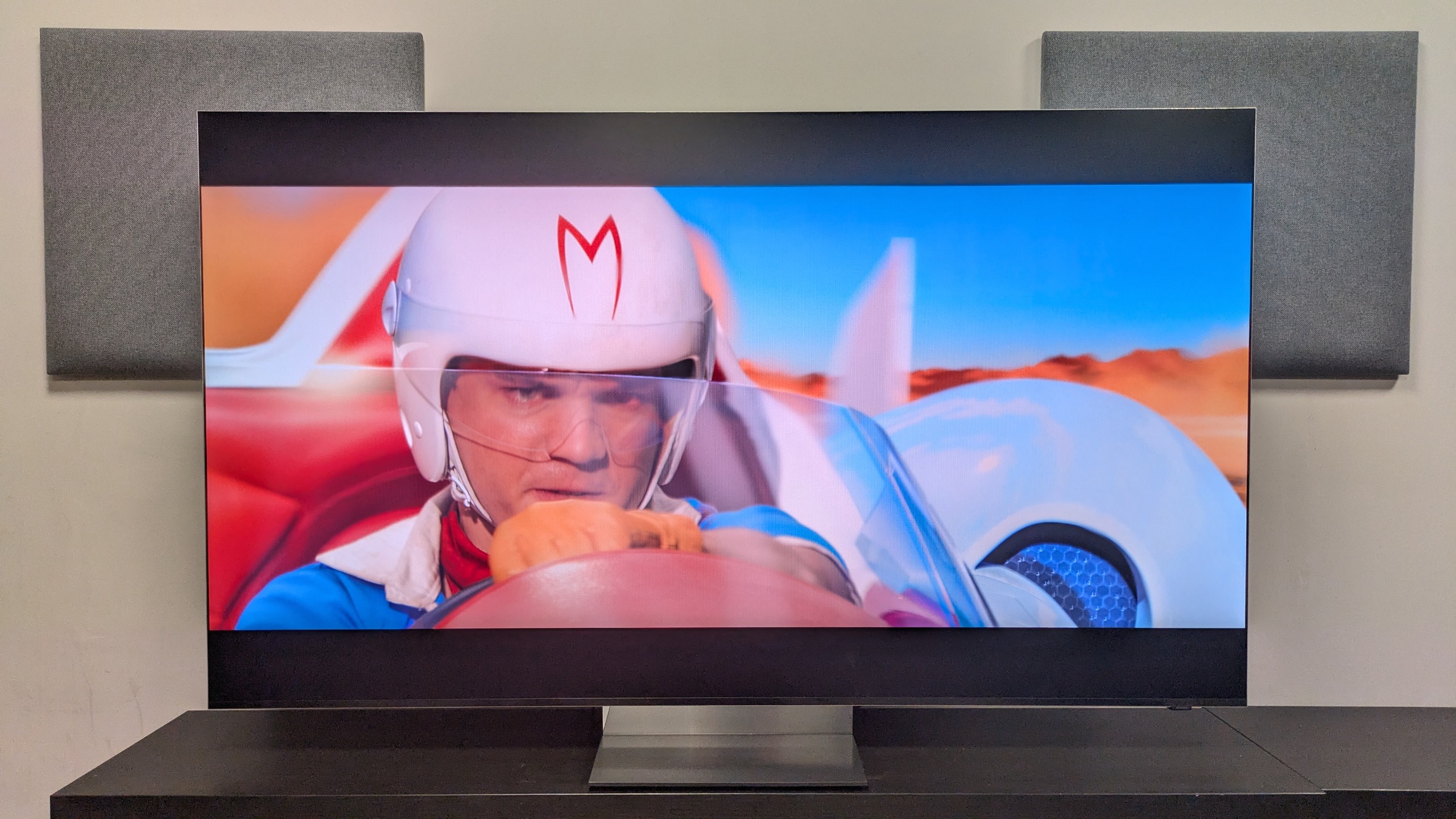
Color reproduction stands as the central selling point of the Micro RGB format. The R95H delivered a staggering 148% coverage of the DCI-P3 color gamut and captured 94.1% of the demanding BT.2020 color space. During real-world testing with reference 4K Blu-ray discs such as The Super Mario Galaxy Movie and Speed Racer, the display capitalized on these high measurements. Colors appeared exceptionally vibrant, with the luminous Lumas and heavily saturated household palettes of the Racer family rendering with striking fidelity and accurate skin tones.
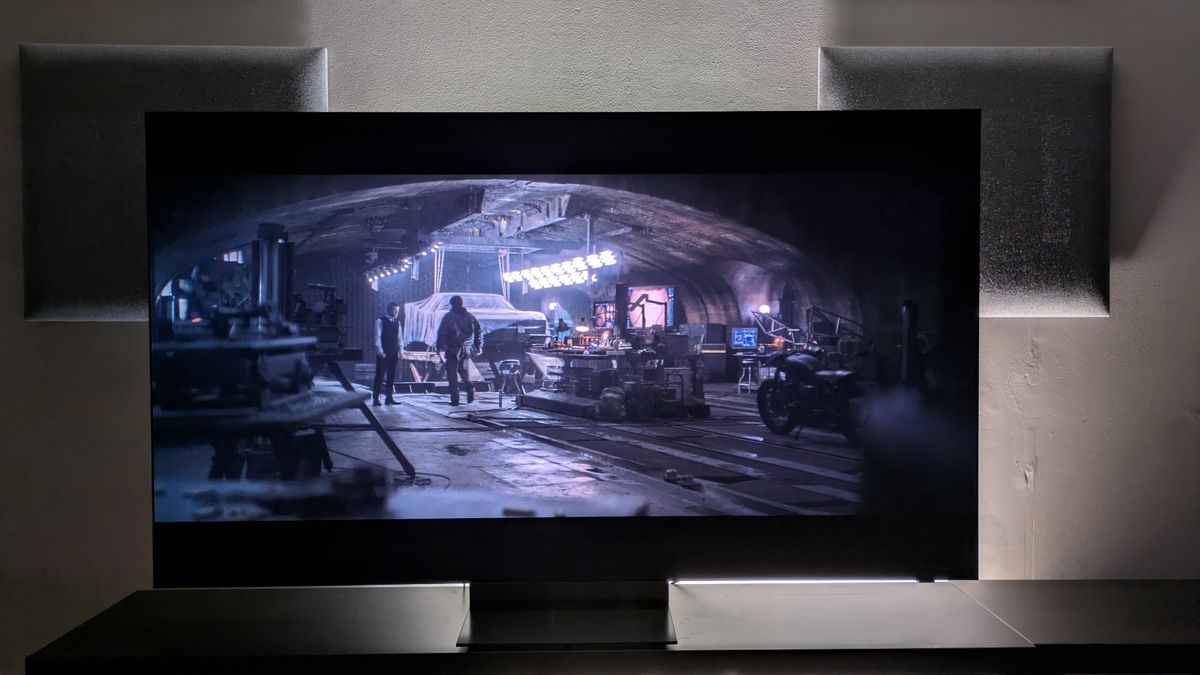
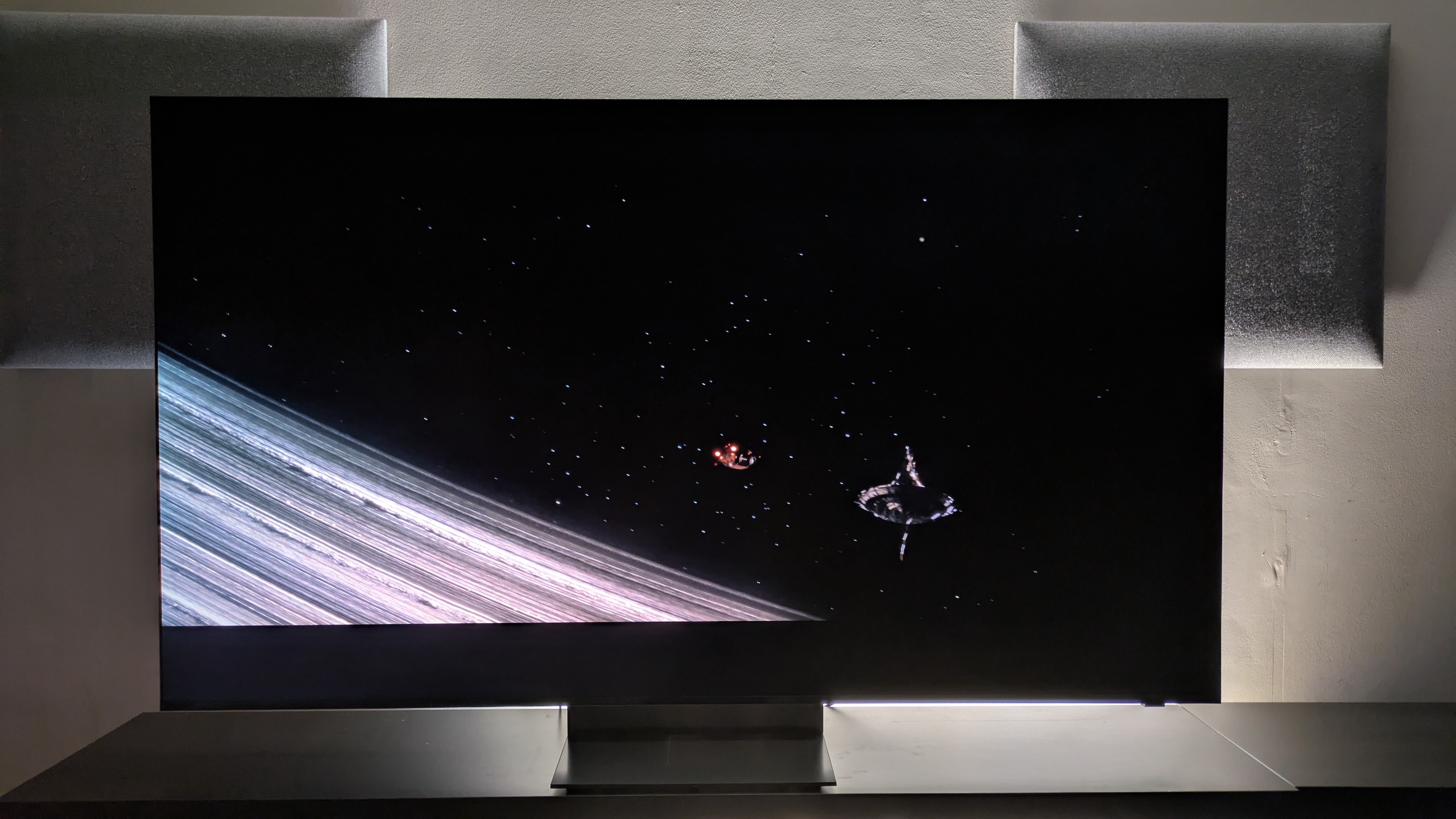
Contrast performance also proved commendable. In dark, high-contrast environments modeled by scenes from The Batman and Alien: Romulus, the Micro RGB backlight system demonstrated superior local dimming and zone control compared to standard Mini-LED displays. While absolute inky black levels did not entirely match the pixel-level extinction of OLED panels, the R95H yielded deep, rich shadows and preserved intricate background details. Some minor blooming remained observable when viewing off-center in exceedingly dark sequences, but the overall panel behavior confirms that Micro RGB light management is maturing rapidly.
Gaming Capabilities and Connectivity
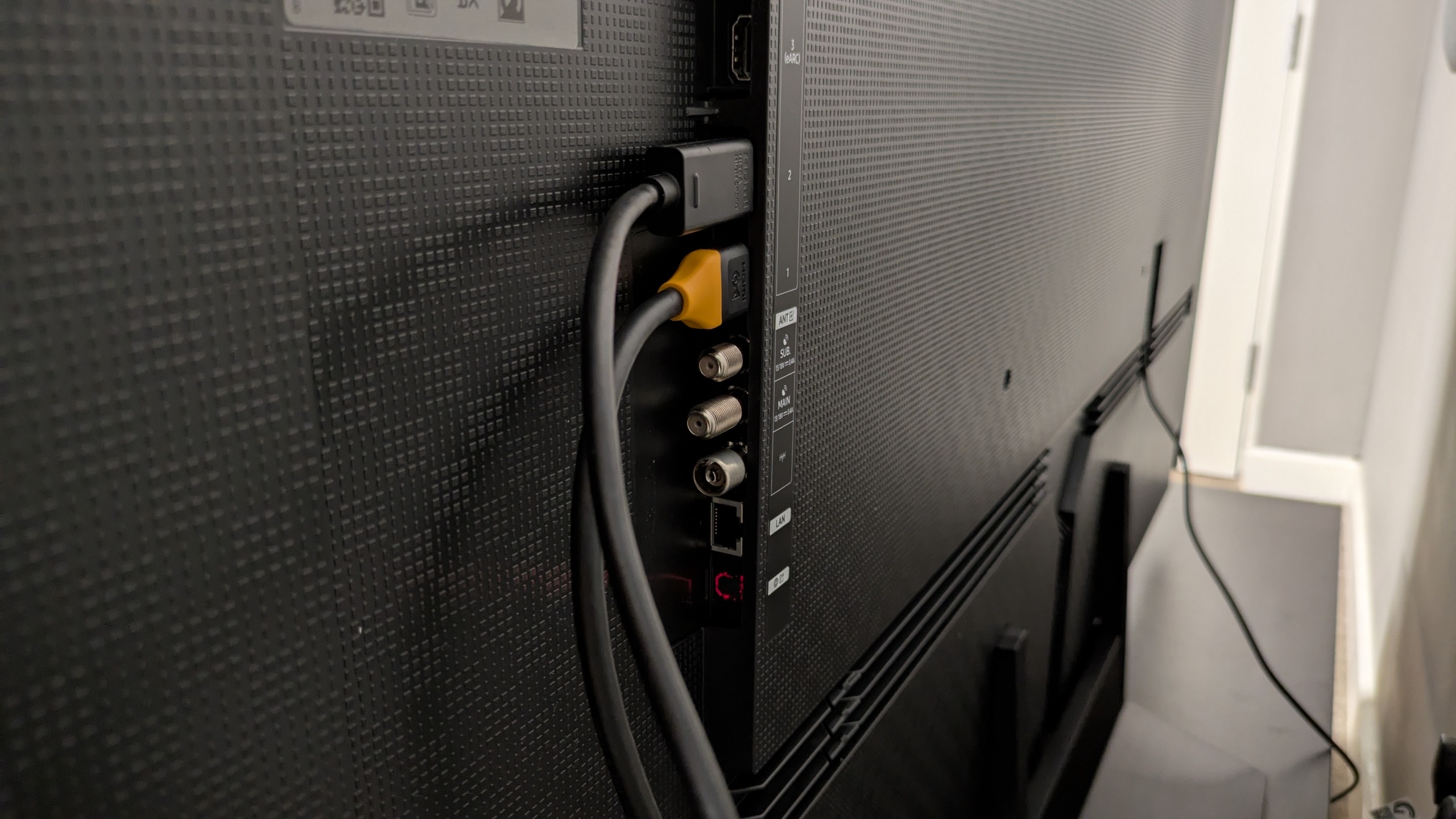
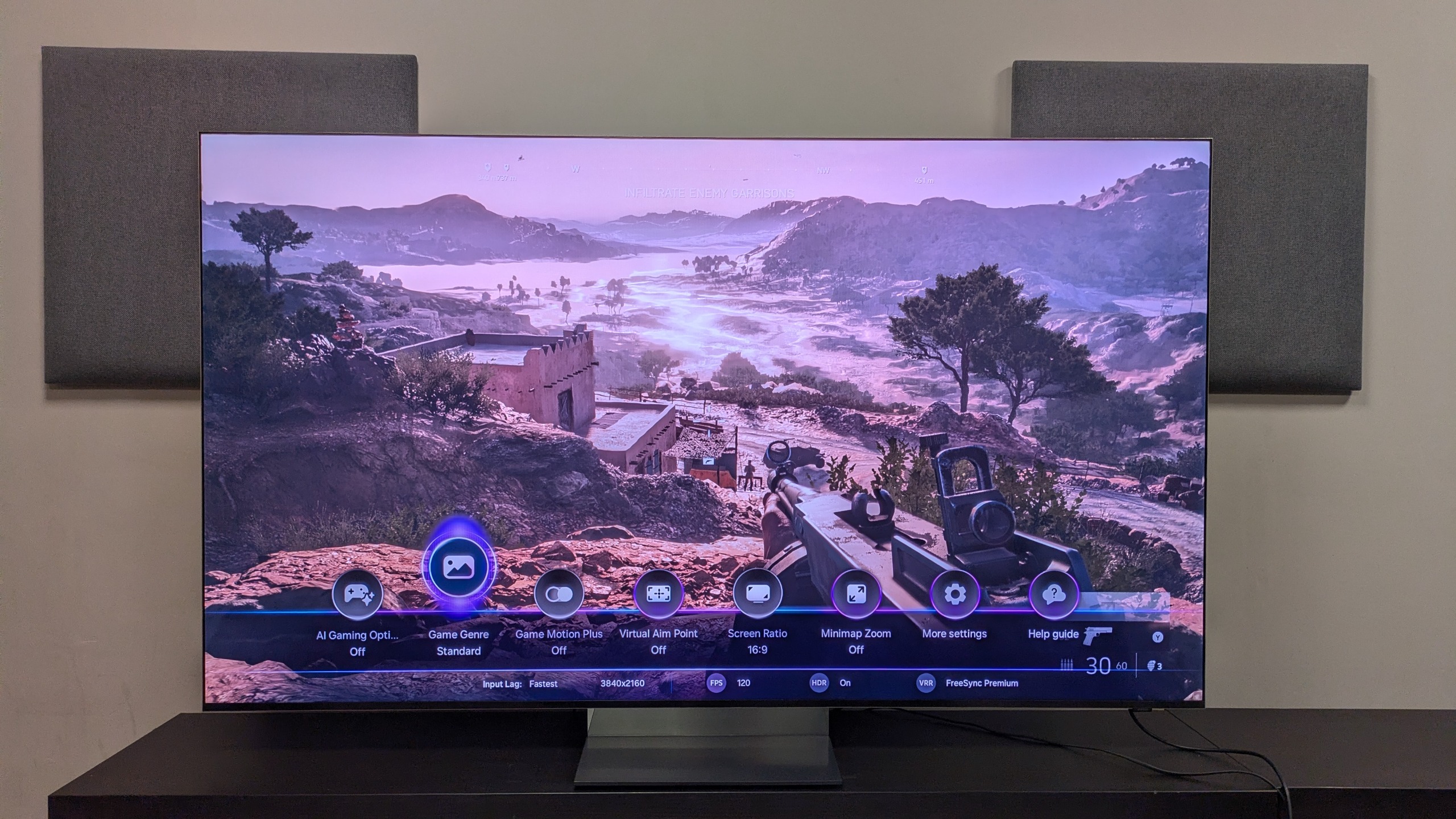
The R95H positions itself firmly among the premier gaming displays currently available on the market, accommodating the demands of modern console and PC hardware. Equipped with four fully-specced HDMI 2.1 ports, the television supports 4K gaming at up to 165Hz, full Variable Refresh Rate capabilities including AMD FreeSync and Nvidia G-Sync, Auto Low Latency Mode (ALLM), and HDR10+ gaming protocols. Furthermore, compatibility with Samsung’s Wireless One Connect Box expands connectivity potential, effectively doubling the available high-bandwidth inputs.
Input lag measurements registered an impressive 11.7ms at 4K/60Hz. While this figure sits slightly above the sub-10ms latency thresholds established by some of Samsung’s previous iterations, it remains comfortably below the 15ms benchmark required for highly competitive, twitch-reaction gaming. Testing with titles like Battlefield V on an Xbox Series X demonstrated seamless motion handling, complete absence of input delay, and smooth tracking during chaotic multi-target engagements. Additionally, Samsung’s integrated Gaming Hub continues to provide a robust cloud-gaming ecosystem, granting direct access to services like Xbox Cloud Gaming, Nvidia GeForce Now, and Amazon Luna without requiring dedicated console hardware.
Smart TV Interface, Design, and Audio Integration
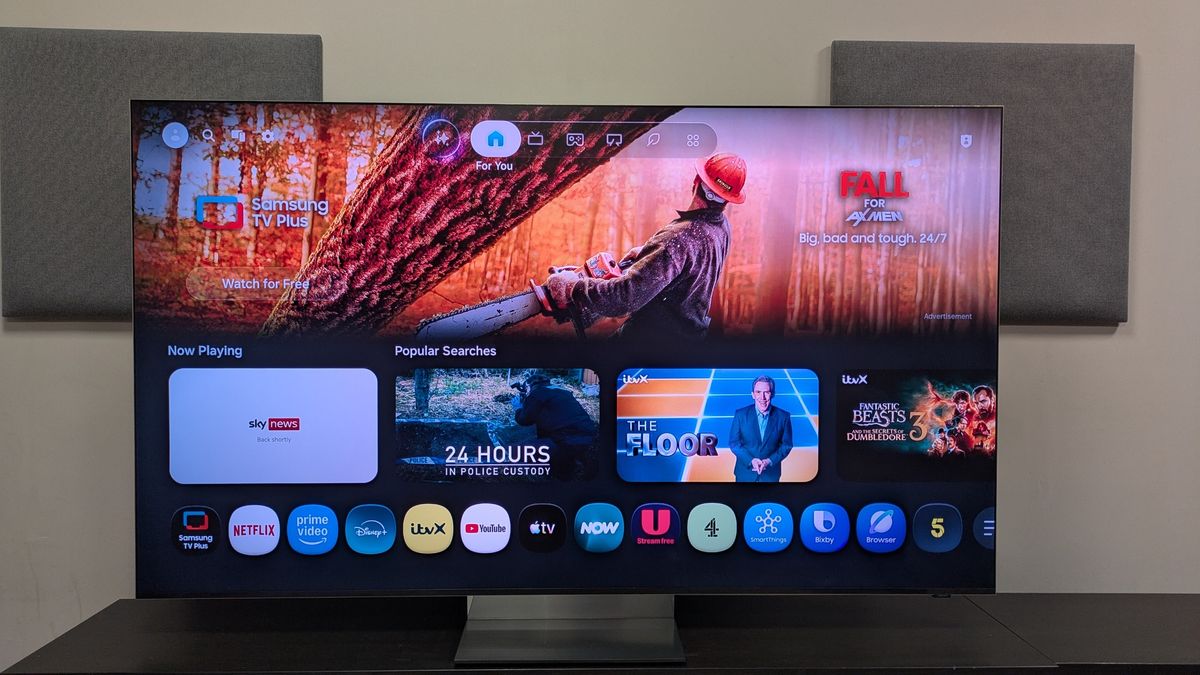
Running on Samsung’s proprietary One UI Tizen platform, the R95H offers a comprehensive smart TV ecosystem. The user interface is categorized into distinct hubs—including the Home hub for media streaming, a dedicated Game hub, and lifestyle-oriented Daily and Art hubs. App support is extensive, featuring global mainstays like Netflix and Prime Video alongside regional platforms such as BBC iPlayer and ITVX in the UK. Integration with Samsung Vision AI brings advanced features, including the Vision AI Companion and generative wallpaper utilities. However, the interface is not entirely frictionless; the automatic autoplay behavior of Samsung TV Plus when lingering on the home screen and prominent banner advertisements can occasionally disrupt user navigation.
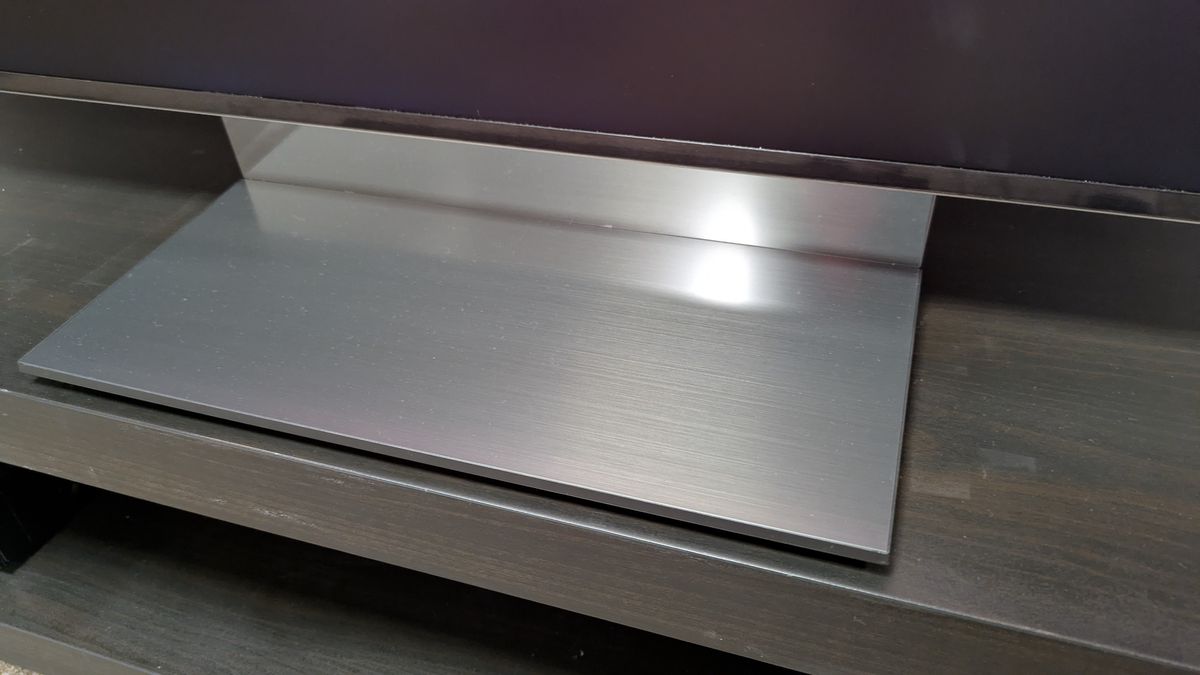
Physically, the television adopts a sleek, premium profile. The 65-inch variant is notably thinner than competing RGB display technologies and maintains a light physical footprint anchored by a sturdy central pedestal stand. The bezel-less screen design maximizes active viewing space, complemented by Samsung’s proprietary glare-free matte screen finish, which effectively diffuses ambient lighting in sunlit living spaces. Control is managed via the solar-rechargeable SolarCell remote, featuring dedicated application shortcuts and integrated voice microphone controls.
On the audio front, the R95H incorporates a 4.2.2-channel speaker configuration delivering a total output of 70W. Supported by Dolby Atmos and object-tracking technologies such as OTS+ (Object Tracking Sound+), the internal speakers provide accurate spatial mapping that corresponds directly with on-screen action, as verified during dynamic sequences in The Batman. Nevertheless, while mid-range clarity and speech intelligibility remain solid, bass response can occasionally feel compressed at moderate levels, and the soundstage requires pushing volume parameters past 70% for a truly theatrical impact. Audiophiles and home theater enthusiasts are consequently advised to pair the display with one of the market’s dedicated soundbars.
Market Position and Competitive Outlook
The Samsung R95H occupies a critical transitional phase in television engineering. By proving that Micro RGB backlighting can achieve stellar color volumes, impressive peak brightness, and competitive contrast ratios, Samsung has laid a robust foundation to challenge the long-standing market supremacy of OLED panels.
While flagship organic alternatives like the Samsung S95H/S99H and the LG G6 retain the crown for absolute black-level control and finer dark-scene fidelity, the R95H offers a compelling alternative for users operating in brighter environments or those prioritizing sustained full-screen luminance and extensive gaming features. As market prices continue to adjust downward from their initial launch figures, the R95H stands out as a sophisticated, forward-looking engineering achievement that underscores the rapid evolution of next-generation display technologies.