The Sony PS-LX3BT, a recent addition to the Japanese electronics giant’s turntable lineup, presents a dichotomy of promising features and perplexing design choices, ultimately landing it in a challenging position within the burgeoning entry-level vinyl market. Positioned as a fully automatic, Bluetooth-enabled plug-and-play device, it aims to capture the interest of new or returning vinyl enthusiasts seeking simplicity and modern connectivity. However, despite its competent audio performance and user-friendly operation, the turntable’s perceived value is significantly undermined by a lightweight, inexpensive chassis, an initially ambitious price point, and a proprietary approach to replacement parts.
Sony’s re-entry into the turntable arena has been a notable development in the audio industry, coinciding with a sustained global resurgence in vinyl sales. For over a decade, vinyl records have enjoyed a remarkable comeback, with sales consistently growing year-on-year, driven by a blend of nostalgia, a desire for tangible media, and appreciation for superior audio quality. This trend has spurred a demand for user-friendly turntables, particularly for beginners who may be intimidated by complex setups. Sony had previously found considerable success with its PS-LX310BT model, launched in 2019, which garnered widespread acclaim as an excellent beginner turntable due to its affordability, ease of use, and reliable performance. This earlier model, priced around $199 / £200 / AU$399, set a high bar for its successor. The PS-LX3BT, therefore, stepped into a market with significant expectations, aiming to build upon that legacy.
Design and Build Quality: A Question of Value
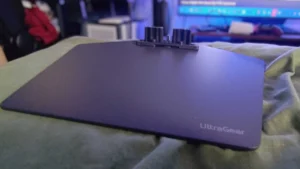
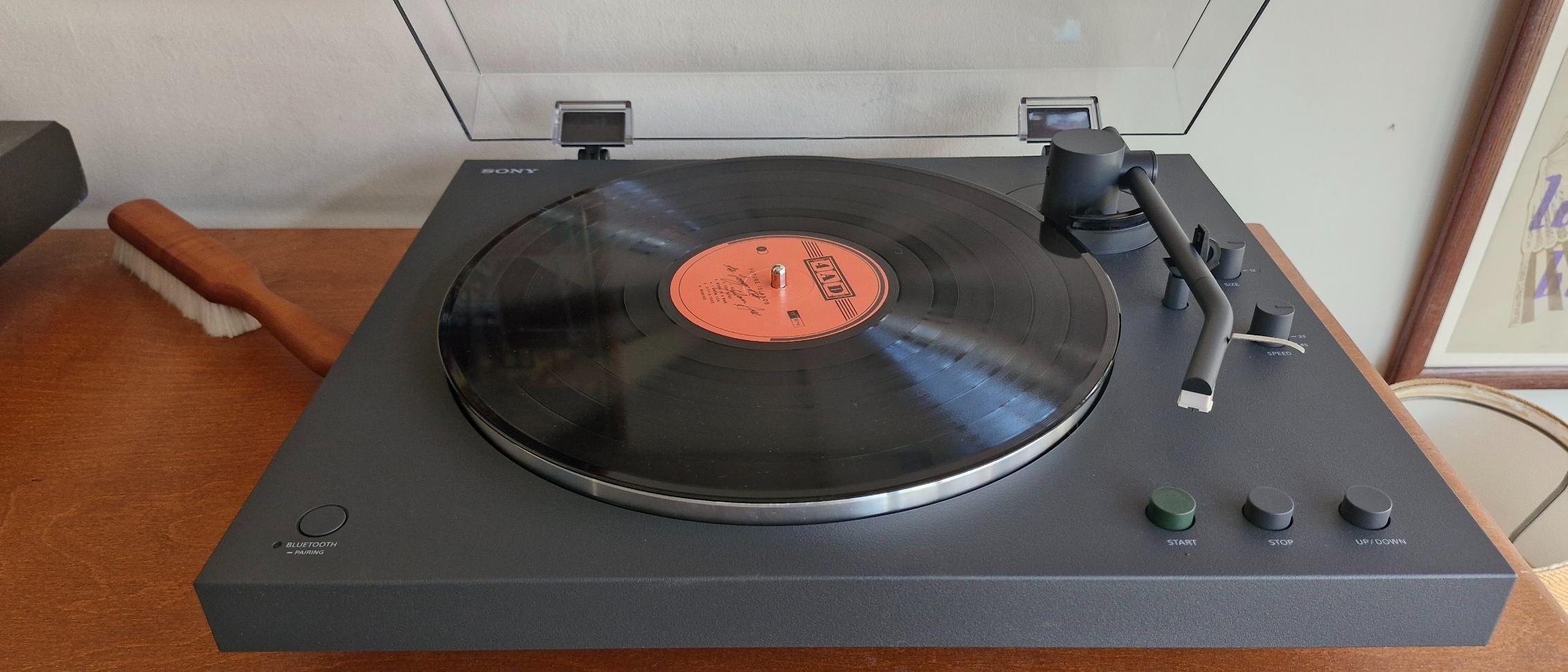
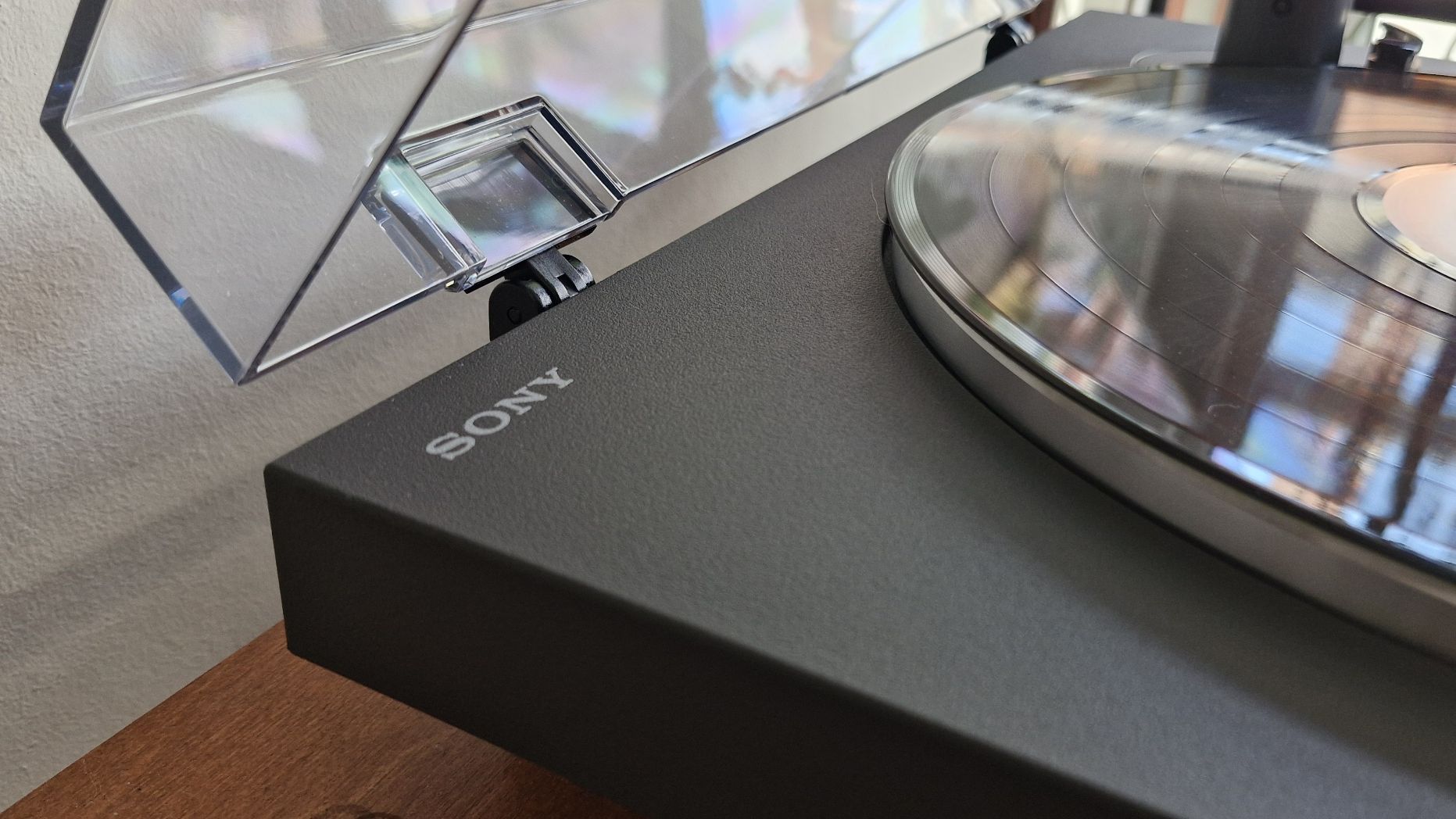
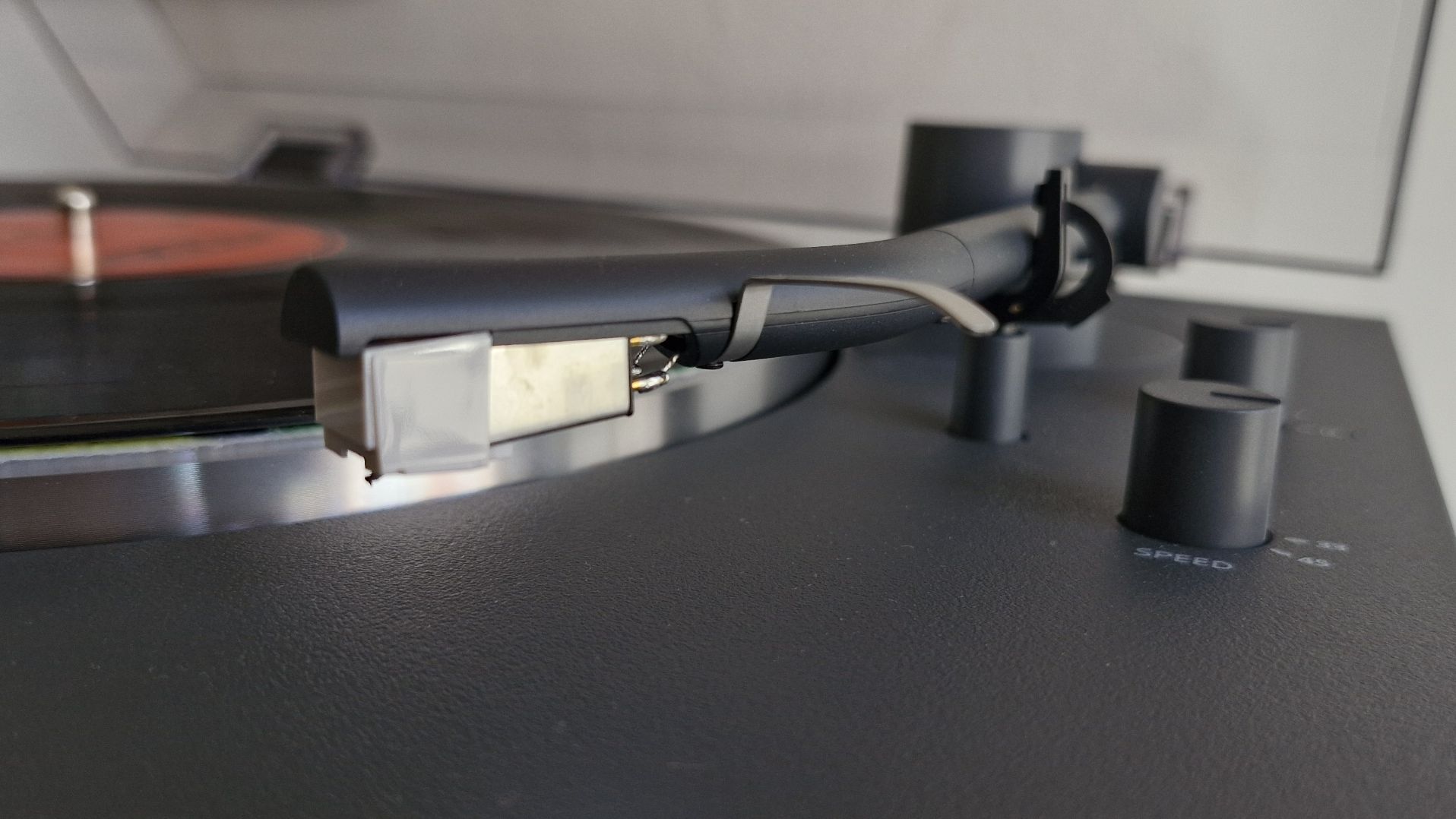
The PS-LX3BT shares many aesthetic and functional similarities with its acclaimed predecessor, the PS-LX310BT, adopting a sleek, minimalist design that aligns with contemporary home aesthetics. Its anthracite-hued surface and clean lines are intended to blend seamlessly into modern living spaces, appealing to consumers who prioritize understated elegance. However, initial impressions upon unboxing reveal a chassis that is surprisingly light, predominantly constructed from plastic components, save for the die-cast aluminum platter. This choice of materials contributes to a less-than-reassuring tactile experience, a sentiment frequently noted in critical assessments. While the turntable maintains stability on its feet, the overall build quality does not immediately convey the premium feel often associated with Sony’s higher-tier audio products or competitive offerings in its price bracket. Specific design decisions, such as a flimsy tonearm rest clasp that does not securely hold the tonearm and a spring-assisted tonearm mechanism, further detract from the perception of durability and precision. These elements, while functional, suggest a preference for cost-saving measures over a robust user experience.
Seamless Operation and Connectivity
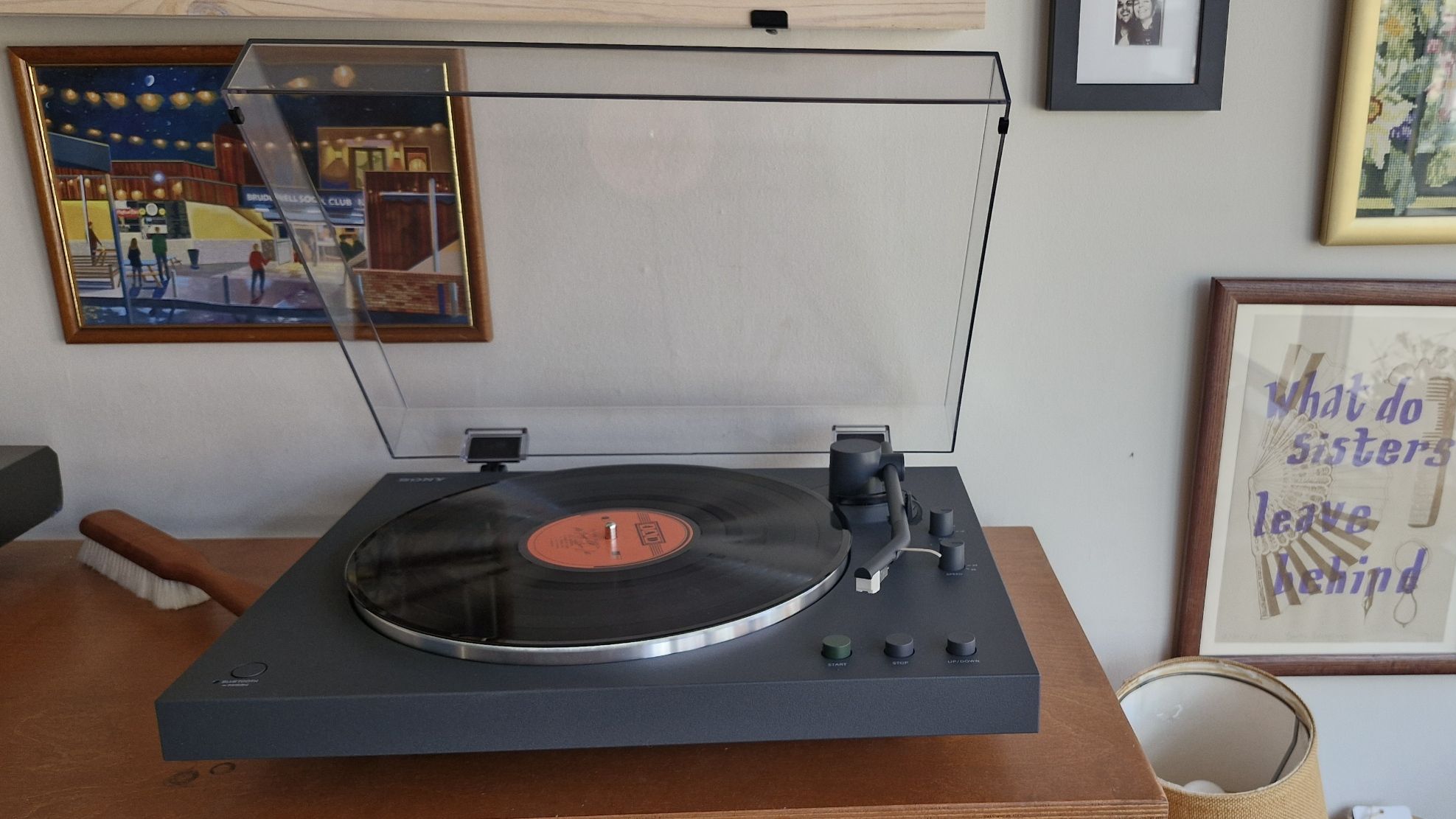
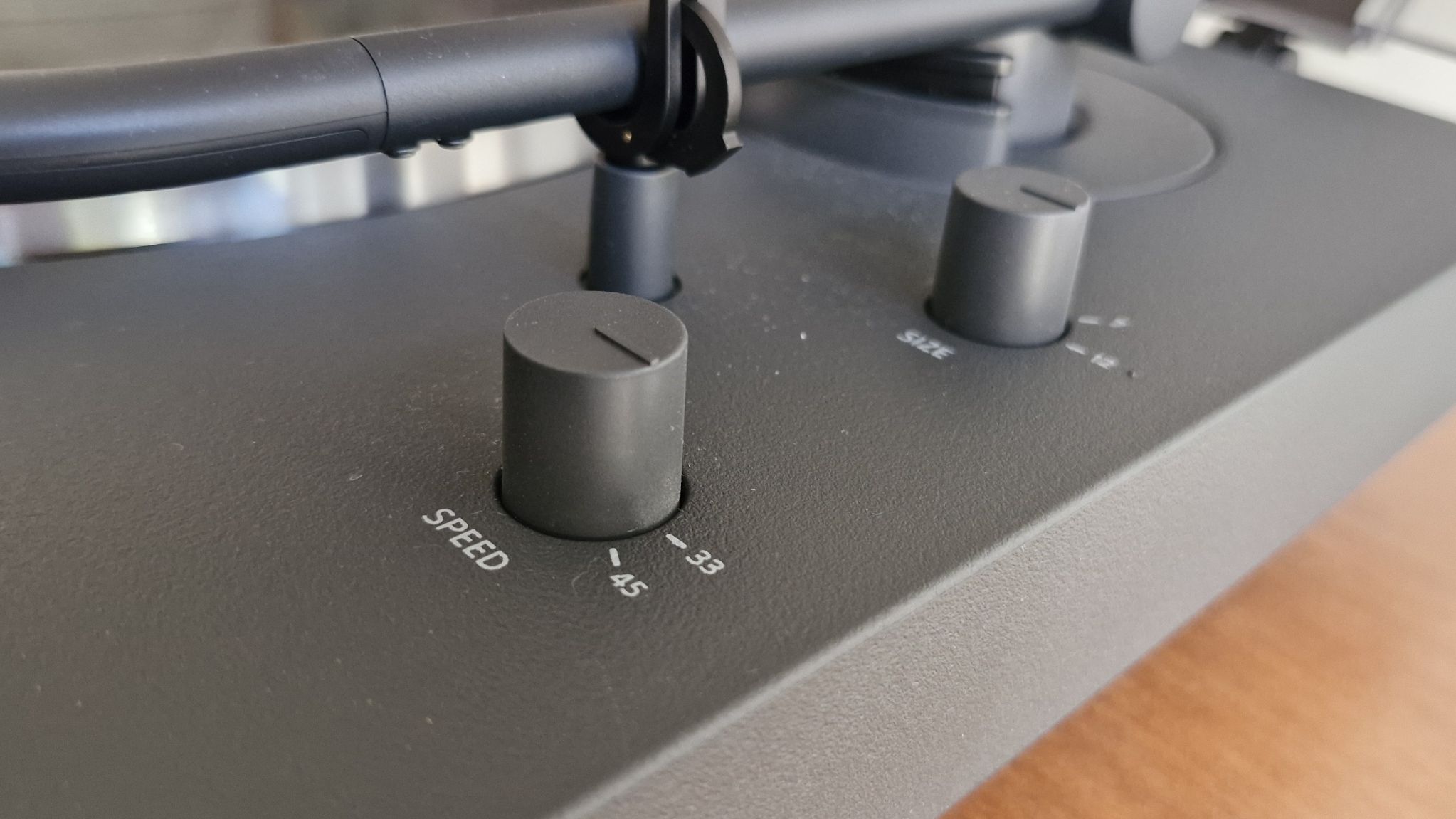
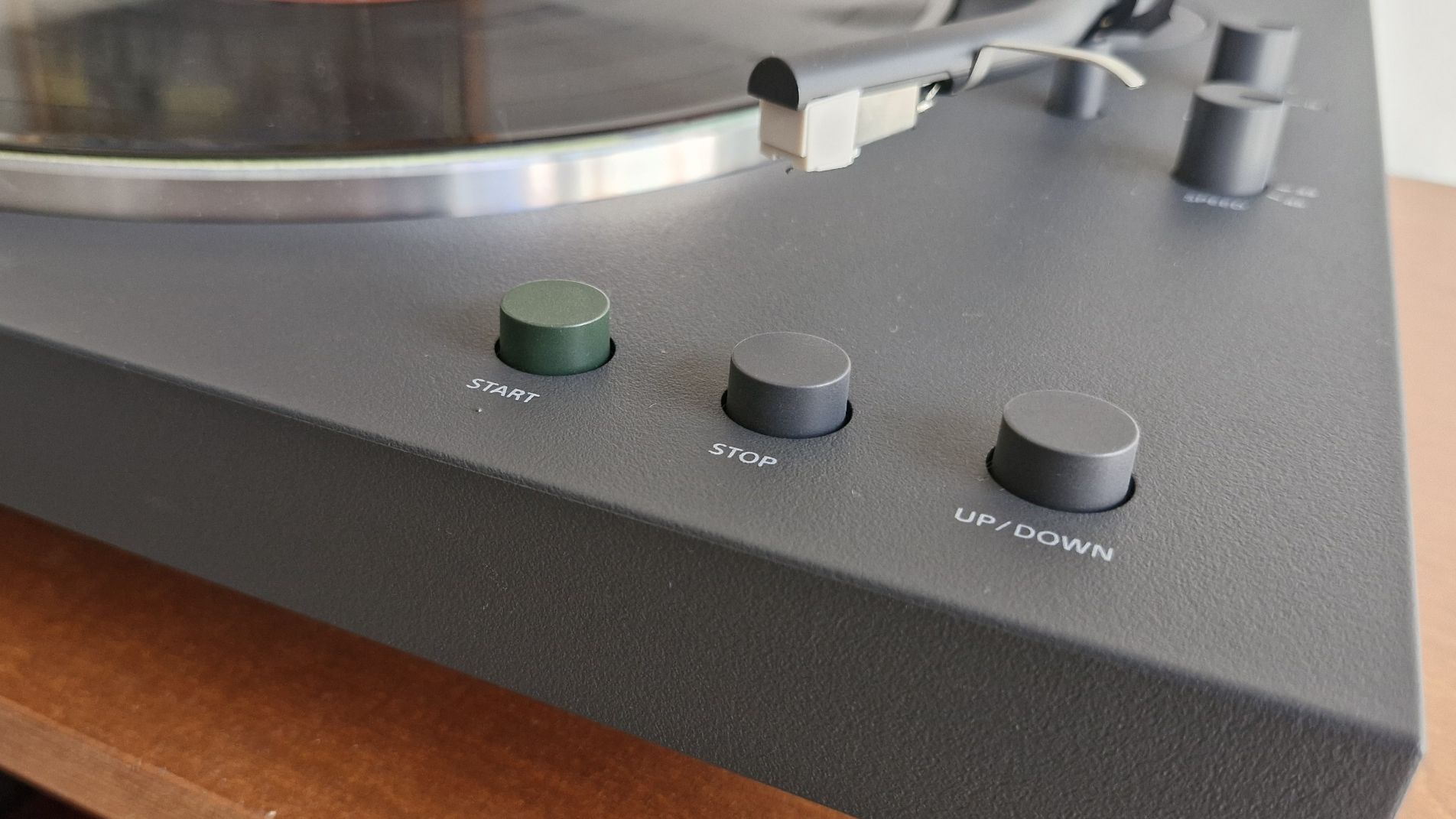
Operationally, the Sony PS-LX3BT excels in its promise of simplicity. As a fully automatic turntable, it streamlines the vinyl playback process significantly. Users can select the record size (7-inch or 12-inch) and speed (33 1/3 or 45 RPM) with dedicated switches. The tonearm’s placement and retraction are managed entirely via front-panel buttons, eliminating the need for manual cueing, a common point of anxiety for vinyl newcomers. The platter’s rotation is automatically triggered when the tonearm moves past a specific point, meaning even semi-manual operation—where a user might lift the tonearm by hand using the silver finger-rest—still benefits from the automated platter start. This foolproof approach makes it an ideal choice for those who desire a hassle-free entry into the world of vinyl, or for casual listeners who prefer convenience above all else.
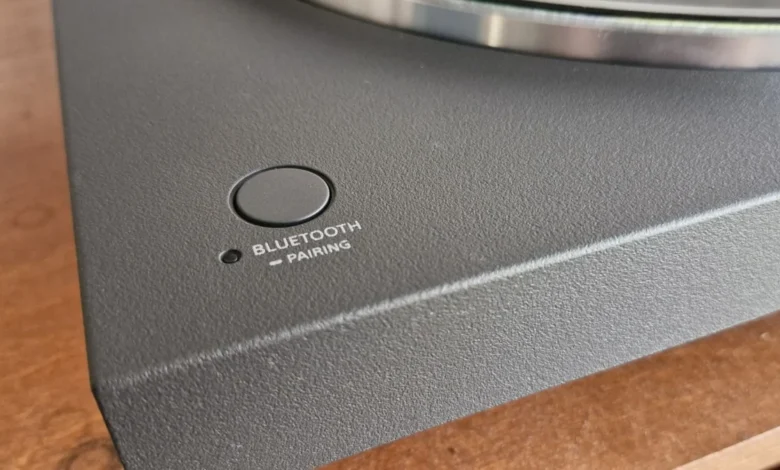
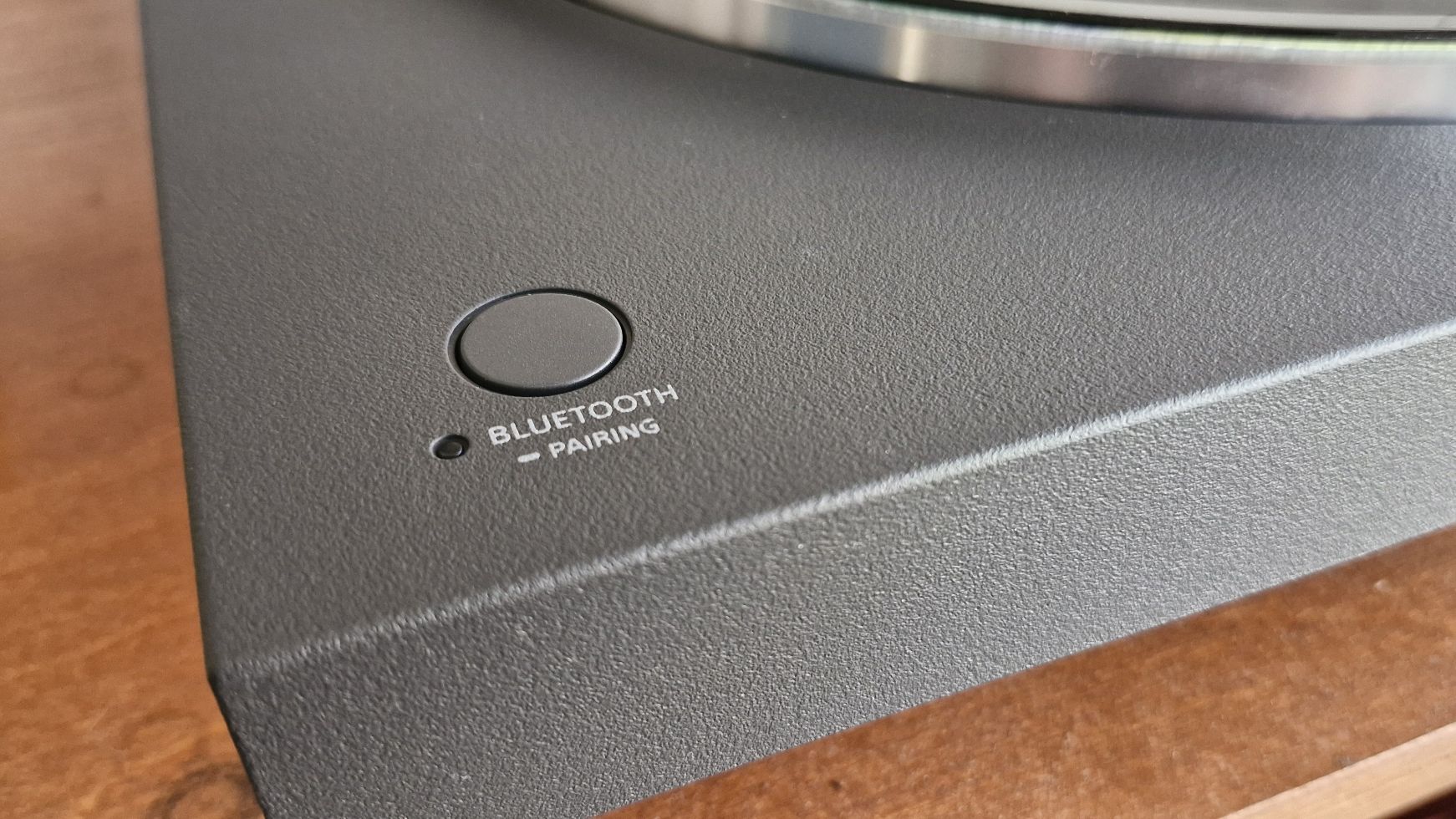
A standout feature of the PS-LX3BT is its advanced Bluetooth connectivity. It incorporates aptX Adaptive Bluetooth transmission, a significant upgrade that promises low-latency and high-resolution wireless audio streaming. This allows the turntable to connect effortlessly to a wide array of Bluetooth-enabled speakers, headphones, or soundbars, expanding its versatility within a modern smart home ecosystem. The Bluetooth pairing process is notably swift and intuitive, activated by a subtly integrated flush button on the front-left corner of the chassis. During testing, connecting to portable speakers proved remarkably seamless, demonstrating a level of reliability that often eludes other devices in this category. Critically, this aptX Adaptive connection can operate simultaneously with the turntable’s analog outputs, enabling dual-zone listening. This means, for example, that music can be streamed wirelessly to a kitchen speaker while simultaneously playing through a traditional hi-fi system in the living room, a convenient feature for household listening.
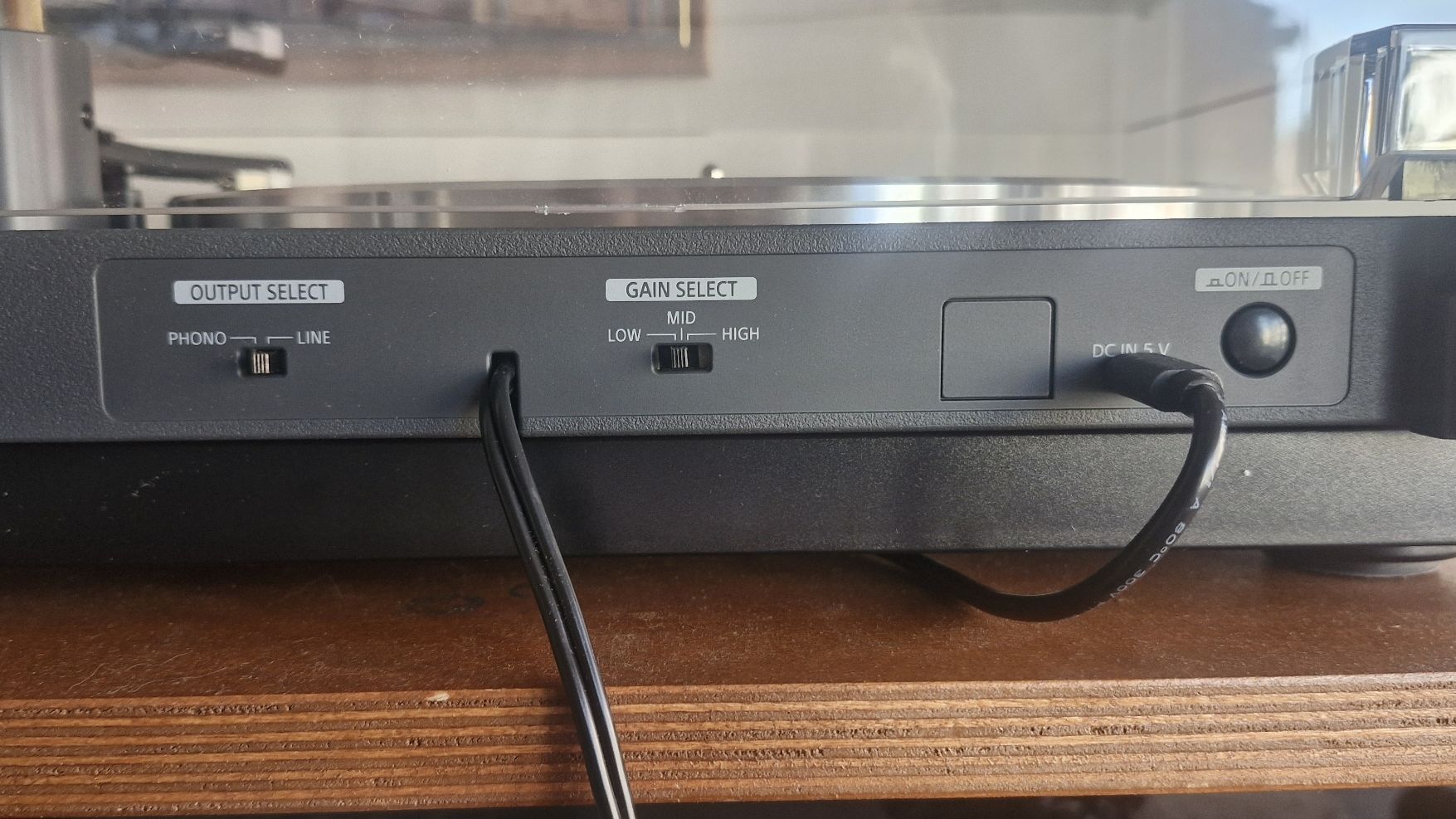
Beyond wireless capabilities, the PS-LX3BT also offers traditional wired connectivity. It features a hard-wired stereo RCA cable output from its rear panel, designed to connect directly to an amplifier or powered speakers. This integrated cable, rather than a port, is an interesting design choice that, while ensuring a secure connection, limits cable customization or replacement. The absence of a 3.5mm auxiliary output, which might have broadened its compatibility with simpler audio setups, is another curious omission given its target audience. Power is supplied via a USB-C power adapter, simplifying the power connection.
Integrated Phono Preamp and Stylus Concerns
A crucial component for any turntable is its phono preamp, and the PS-LX3BT includes a built-in, switchable unit. This allows the turntable to be plugged directly into most amplifiers, regardless of whether they have a dedicated phono input, thereby eliminating the need for an external phono stage and simplifying setup for beginners. Furthermore, a thoughtful gain switch is incorporated, offering the ability to boost or attenuate the turntable’s output by 4dB. This feature provides a degree of audio control not always found in entry-level models, allowing users to optimize the signal level for different amplifiers or listening environments.
The turntable employs a moving magnet cartridge, with a replaceable stylus element that visually resembles Audio-Technica’s popular AT-3600 series, specifically the AT3600LAX, a conical stylus with a carbon-fiber cantilever. However, Sony explicitly states that the stylus is "designed specifically for this turntable" and that "other styluses are not supported." This proprietary stance creates an uncomfortable barrier for consumers seeking self-replacement or future upgrades. The recorded tracking force, measured at a notably high 3.7g (compared to Sony’s stated 3.5g ± 0.5g), raises concerns about potential record wear over extended use. This lack of transparency and the enforced reliance on Sony for specific replacement parts are perceived as anti-consumer, restricting user choice and customization, which are often prized by vinyl enthusiasts as they progress beyond initial entry-level experiences.
Sound Quality: A Redeeming Factor
Despite the criticisms leveled at its build quality and proprietary elements, the Sony PS-LX3BT delivers a surprisingly capable audio performance. The integrated cartridge, whether or not it’s an OEM Audio-Technica unit, produces a perfectly reasonable sound quality, often described as excellent for its market segment. The turntable exhibits a warm, full sound profile, characterized by a slight softness and a noticeable roll-off in the upper frequencies. This sonic signature lends itself well to genres that benefit from rich, expansive tones. For instance, testing with Future Islands’ album As Long As You Are revealed the turntable’s ability to render big, warbly synths and evocative vocals with gratifying depth.
The built-in phono preamp, often a weak link in budget turntables, proves to be a strength of the PS-LX3BT. Unlike many counterparts that can sound brittle or prone to saturation, this preamp offers clarity and fullness. When playing tracks like Loose Ends’ early-80s groover Emergency (Dial 999), the preamp successfully articulated snappy snare hits and distinct vocal refrains, showcasing impressive detail retrieval for its class. The overall sound presentation appears to particularly benefit guitars and vocals, which come across as present and robust. Ryuichi Sakamoto’s Risky, featuring Iggy Pop, a sparse arrangement, highlighted Iggy’s distinctive raspy voice, rendered with good effect and presence.
The aptX Adaptive Bluetooth connectivity, arguably the turntable’s most compelling feature, performs admirably in terms of fidelity. Wireless audio streamed via Bluetooth is virtually indistinguishable from its analog counterpart, maintaining a high level of sound quality and detail. The convenience of this feature was a consistent highlight during testing, allowing for effortless listening across different rooms without sacrificing audio integrity. For example, listening to Mitski’s Nothing’s About To Happen To Me in the kitchen provided the full, heartbreaking glory of the track, entirely fuss-free.
Pricing and Market Competitiveness
The initial launch price of the Sony PS-LX3BT was $399 / £299 / AU$469. This pricing emerged as a significant point of contention, as it placed the turntable at the upper end of the entry-level spectrum, directly competing with and often being undercut by similarly specced, and in some cases, better-featured, turntables from other brands. A prime example is the Audio-Technica AT-LP70XBT, which offered a more compelling package at a lower price. Furthermore, Sony simultaneously launched the PS-LX5BT, a pricier sibling that offered a more delicate stylus pressure (2.0g ± 0.5g), a thicker, more premium rubber mat, a tweaked circuit design for vibration suppression, and a dedicated gold-plated audio jack with an included cable – enhancements that highlighted the LX3BT’s compromises.
The brand recognition of "Sony" undoubtedly played a role in its initial pricing strategy. Sony is a globally trusted household name in AV technology, and new or returning vinyl enthusiasts might naturally gravitate towards a familiar brand, expecting intuition, fuss-free operation, and a baseline of quality. This trust was certainly well-founded with the immensely successful and more affordably priced 2019 PS-LX310BT. However, the PS-LX3BT’s higher launch price, combined with its perceived material shortcomings and proprietary limitations, created a challenging value proposition.
In the weeks following its launch, market adjustments saw the PS-LX3BT’s price drop to around $348 / £250 in many outlets. While this reduction makes the turntable a more palatable investment, it doesn’t entirely negate the initial criticisms regarding its value. Competing models such as the Audio-Technica AT-LP70XBT, which offers comparable features (automatic, aptX Adaptive Bluetooth, switchable phono preamp, die-cast aluminum platter) along with a user-replaceable Audio-Technica AT-VM95C stylus and a superior build quality, still present a more attractive proposition. Similarly, the FiiO TT13, another fully automatic turntable with a replaceable AT-3600LA stylus and built-in phono preamp (though not toggleable), provides sleek aesthetics and competitive functionality. The proprietary nature of Sony’s stylus replacement, coupled with the inability to adjust or upgrade the cartridge, represents a significant drawback for long-term ownership and futureproofing, forcing users to consider a complete system upgrade if their audiophile aspirations grow.
Broader Implications for the Consumer
The PS-LX3BT highlights a key tension in the modern audio market: balancing convenience features with foundational audio fidelity and consumer flexibility. While Sony’s brand recognition and the turntable’s automatic functions are appealing to casual listeners, the underlying design choices and proprietary components could deter more serious enthusiasts. The market for entry-level turntables is increasingly sophisticated, with brands like Audio-Technica and FiiO offering compelling alternatives that often provide better build quality, more open component ecosystems, and superior value for money. Sony’s strategy appears to hinge on brand loyalty and plug-and-play simplicity, but in doing so, it risks alienating a segment of vinyl buyers who value repairability, upgradeability, and a more robust physical product, even at the entry level.
Conclusion: A Niche Recommendation
In conclusion, the Sony PS-LX3BT is a turntable of contradictions. It delivers commendable sound quality and exceptionally user-friendly operation, particularly through its reliable fully automatic mechanism and seamless aptX Adaptive Bluetooth connectivity. These features make it genuinely appealing for absolute beginners who prioritize simplicity and convenience in their vinyl playback experience, and for those who appreciate its austere, minimalist aesthetic that blends into modern decor. The dual-zone listening capability via simultaneous analog and Bluetooth outputs is also a thoughtful addition for casual home listening.
However, the compromises in build quality, characterized by a lightweight plastic chassis and less-than-premium components, combined with an initially high price that has only partially been addressed by post-launch adjustments, make it a difficult recommendation for the discerning buyer. The proprietary stylus system, which limits user choice, repairability, and upgrade paths, stands as a notable anti-consumer element. In a market saturated with increasingly sophisticated and competitively priced entry-level turntables, many of which offer comparable features, superior build, and greater flexibility for customization and repair, the PS-LX3BT struggles to establish a compelling value proposition. For those buying for the long term or seeking the best bang for their buck, numerous alternatives offer a more robust foundation for a developing vinyl journey, often at a lower cost. The PS-LX3BT remains a functional device, but its potential is ultimately overshadowed by strategic decisions that seem to prioritize brand ecosystem over open consumer utility and premium feel.