Google Rolls Out Sleek In-App Camera Redesign for Gemini on Android Alongside New AI GIF Creation Capabilities

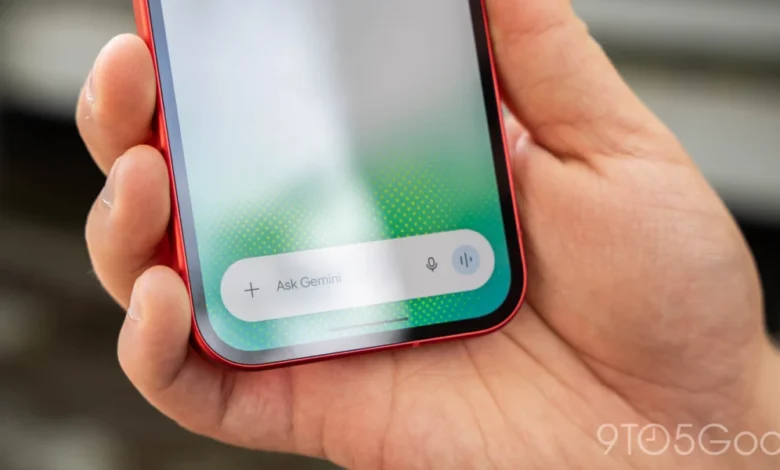
Google has officially introduced a comprehensive visual and functional overhaul to the in-app camera interface within the Gemini application for Android, aligning the mobile platform with design standards previously established on Apple’s iOS. The update transitions the camera utility from a generic, full-screen viewfinder to an immersive, inline bottom-sheet experience designed to streamline how users incorporate visual media into their generative AI prompts. This release arrives concurrently with the deployment of a native GIF generation tool powered by the Gemini Omni 1.2 Flash video model, signaling an aggressive push by the technology giant to enhance multimedia workflows within its flagship artificial intelligence ecosystem.
The newly deployed camera interface is accessible via the "plus" menu located directly inside the prompt box on the Gemini homepage or within an ongoing conversational thread. Rather than immediately launching a rigid
, full-screen takeover, the feature triggers a fluid, drag-up bottom sheet that animates smoothly across the display, eventually occupying the majority of the screen space. This near edge-to-edge design even extends visually behind the device’s system navigation bar, offering a modern aesthetic that contrasts sharply with the utilitarian, older UI layout—which notably remains active only when the camera is triggered through the standalone Gemini system overlay.
Within the redesigned viewfinder, users are presented with a streamlined set of controls. Flanking the central capture button are intuitive navigation elements, including a back button on one side and a dynamic three-dot overflow button on the other. Tapping the overflow icon initiates a clean expansion animation that exposes essential settings, such as toggling the device flash or switching between the front-facing and rear cameras. Furthermore, users retain the flexibility to dismiss the camera interface by executing a simple swipe-down gesture anywhere on the sheet.
Industry analysts tracking the deployment note that this interface parity across iOS and Android underscores Google’s commitment to a unified cross-platform experience. The camera redesign has been widely distributed via stable and beta channels for users running Google app version 17.76 and higher. For users who find the update slow to appear organically, developers and support communities recommend a manual "Force Stop" of the Google application via system settings to clear cached states and trigger the updated user interface assets.

The timing of the camera interface overhaul closely follows another major multimedia update to the Gemini ecosystem: the introduction of automated GIF creation. Announced via official communication channels, this capability leverages the newly integrated Gemini Omni 1.2 Flash video model to produce smooth-motion, looping animations and custom memes directly from text prompts or structured format selections. Users can either manually choose the GIF option from the application’s format menu or issue explicit natural language commands such as "Create a GIF" to bypass traditional third-party search engines or static meme repositories.
Google positions this feature as a direct alternative to conventional web-based GIF searching, emphasizing the model’s ability to maintain high visual consistency and smooth frame transitions. The underlying technology, Gemini Omni 1.2 Flash, is specifically optimized for rapid inference tasks, balancing high-speed generation with temporal coherence. This allows the AI to render looping photo effects and complex motion graphics locally or within cloud infrastructure efficiently, reducing friction for users who rely on expressive media during daily digital communication.
The rapid rollout of these interface refinements and media generation tools highlights a broader strategic shift within Google’s artificial intelligence division. As multimodal capabilities transition from experimental novelties to daily utilities, user experience (UX) and interface design have become critical battlegrounds for consumer AI adoption. By minimizing the steps required to capture photos, record scenes, or generate dynamic imagery, Google is actively working to reduce cognitive load and interaction latency.

From a competitive standpoint, these updates arrive as major technology firms fiercely contest the consumer AI landscape. Competitors such as OpenAI, Microsoft, and Apple are similarly refining their respective multimodal assistants to seamlessly blend text, voice, and visual inputs. Interface elements like the newly deployed inline camera sheet represent more than just aesthetic updates; they establish a lower barrier to entry for complex tasks like visual search, document scanning, and context-aware querying.
The integration of advanced video models like Gemini Omni 1.2 Flash for everyday tasks such as GIF creation also points toward an infrastructure-heavy future where generative media is synthesized on demand rather than retrieved from static databases. As these models become faster and more energy-efficient, the line between content creation and content consumption continues to blur. For the millions of Android users operating within the Gemini ecosystem, these cumulative updates signal an increasingly fluid, multimedia-first assistant capable of meeting the demands of modern digital interaction.