The market is suffering, and phone makers are reportedly cutting back drastically in 2027

The Scope of the Production Pullback
The scale of the reported adjustments is unprecedented for a single fiscal outlook. Samsung, the perennial leader in global volume, is reportedly trimming its 2027 shipment projections by approximately 10%. If these internal estimates hold true, the company’s total output will likely slide to around 210 million units. This is a significant departure from the aggressive expansion strategies that defined the early 2020s.
Apple is similarly re-evaluating its logistics and manufacturing footprints. With a projected 5.6% reduction in shipments, the tech giant is looking at an output of roughly 233 million units for the year. While Apple has historically maintained a more insulated position due to its high-end, ecosystem-locked user base, the figures suggest that even the most resilient brands are not immune to the cooling global appetite for new hardware.
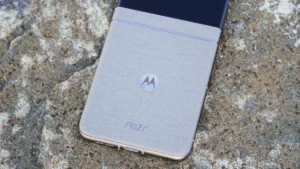
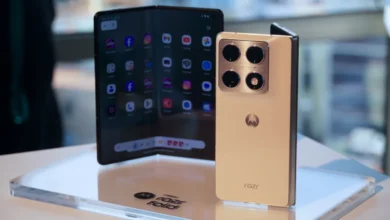
The impact is even more pronounced among other major players. Motorola is bracing for a potential 20% decline, bringing its annual shipment targets down to 40 million units. This comes at a sensitive time for the brand, which has recently attempted to pivot toward a premium-first strategy with the launch of the Signature 27 series. Meanwhile, Chinese smartphone titans face the steepest challenges: Xiaomi is reportedly eyeing a 25% reduction in production, while Vivo is contemplating a massive 29% cut. These figures underscore a shifting philosophy among manufacturers, who are prioritizing profitability and inventory management over the vanity of pure shipment volume.
A Chronology of Market Decline
To understand the current outlook, one must examine the trajectory of the market over the past 24 months. The decline did not happen overnight; it is the culmination of a long-term cooling trend.
- Q2 2026: Market analysts at Omdia reported a 4% decline in global shipments, signaling that the initial recovery from the 2025 tech slump was weaker than anticipated.
- October 2026: The alarm bells began ringing in earnest as Samsung requested that its component suppliers reduce production by 20% to 30% for the fourth quarter. This move was a direct reaction to soaring memory costs and an oversupply of mid-range hardware that failed to move through retail channels.
- Late 2026: Counterpoint Research released a comprehensive study indicating that the global smartphone market had reached its lowest point in 14 years, marking a 20% year-over-year drop.
- Early 2027: The current wave of revised projections reflects the industry’s acceptance that the challenges faced in late 2026 are not transitory, but rather indicative of a new, leaner market reality.
The Catalyst: The Memory Shortage and AI Integration
At the heart of this contraction lies a critical bottleneck in the semiconductor industry. The massive demand for high-bandwidth memory (HBM) and specialized chips for Artificial Intelligence (AI) servers has diverted production capacity away from the consumer mobile sector. As DRAM and NAND supply remains tight, the cost to build a modern smartphone has climbed, forcing OEMs to either absorb the costs or pass them on to consumers.
Shilpi Jain, a senior analyst at Counterpoint Research, has noted that the industry is entering a "more selective phase." The cost of the internal components required to power modern, AI-capable smartphones has pushed prices to levels that have triggered a fundamental change in consumer behavior. With high-end flagships now pushing the boundaries of affordability, the average consumer is no longer on a two-year upgrade cycle. Instead, data shows that users are holding onto their devices for three to four years, opting for battery replacements or simple repairs over expensive new handsets.
Furthermore, the rise of the refurbished and secondary market has become a major competitor to new device sales. As devices become more durable and software support lifespans increase, the "value" proposition of a brand-new, $1,000+ smartphone is being weighed against the performance of a two-year-old device that can be purchased for a fraction of the cost.
Implications for the Consumer and Industry
The shift in production strategy has profound implications for the industry’s future. First, there is a clear trend toward "premiumization." When volume cannot be the primary driver of revenue, manufacturers focus on higher margins. We are seeing this with Motorola’s transition to the Signature 27 line and the general industry trend of marketing AI features as the "killer app" to justify price hikes.
However, this strategy is double-edged. By focusing on high-value devices, manufacturers risk alienating the entry-level and mid-range segments, which have historically been the volume drivers for brands like Xiaomi and Vivo. If these companies continue to cut production of their lower-cost models, they may cede significant market share to emerging regional players or local brands that can operate on thinner margins.
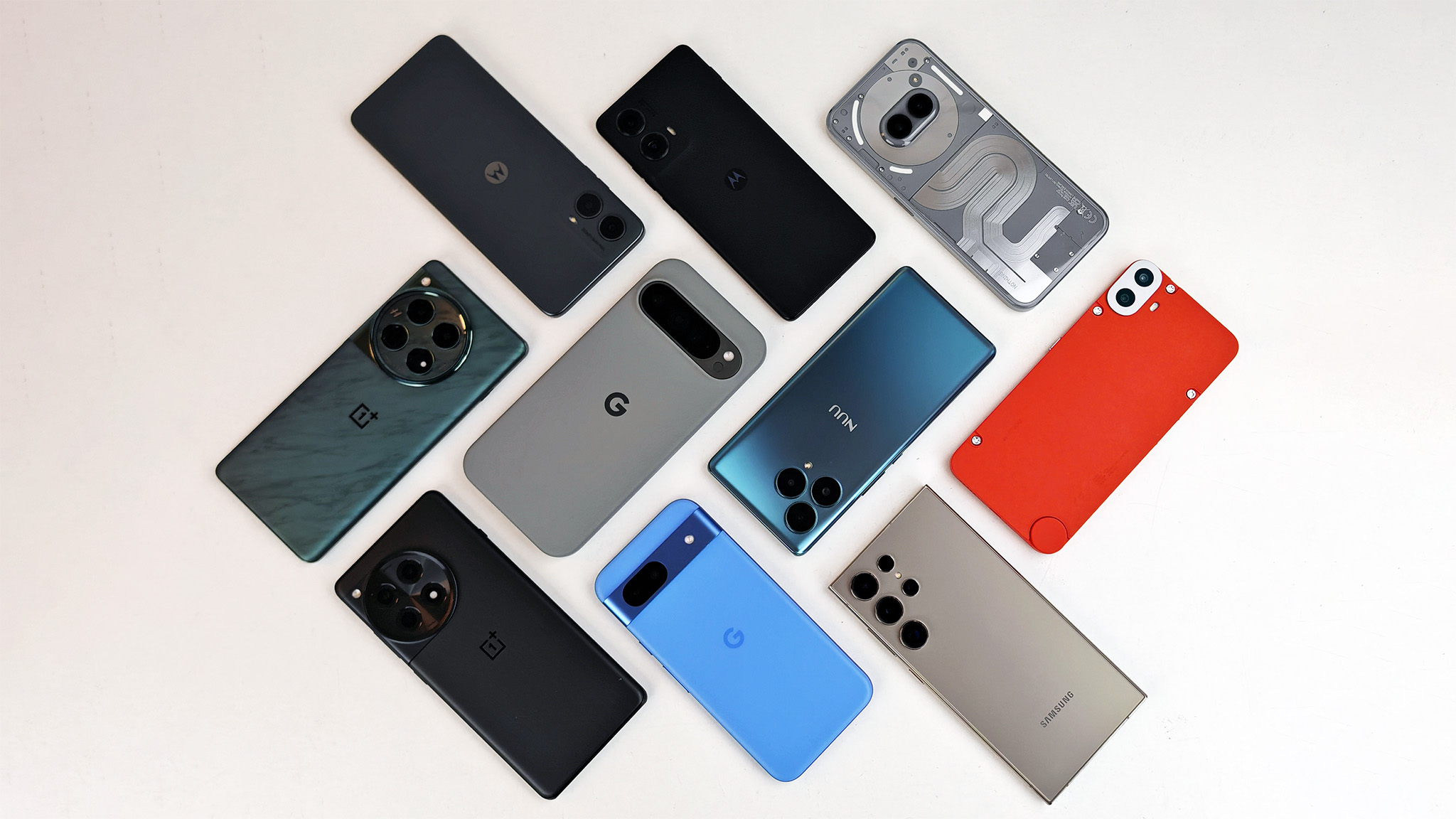
The impact of the AI race cannot be overstated. The integration of large language models (LLMs) and advanced on-device processing requires more RAM and more advanced Neural Processing Units (NPUs). This "AI tax" on hardware components is effectively forcing the industry into a corner: manufacturers must produce devices that are powerful enough to run these tasks, but the resulting high price point suppresses consumer demand. It is a classic chicken-and-egg dilemma where the technology required to excite the market is the very same technology making the product too expensive for the average buyer.
Looking Toward the Future
As we look toward the remainder of 2027, the industry is entering a period of consolidation. Companies that lack the capital to endure a prolonged slump or the brand equity to sustain high-margin pricing will likely face significant restructuring.
The silence from Google regarding their own shipment forecasts in the latest reports is particularly noteworthy. While the Pixel line has grown in influence, it remains a smaller piece of the total market compared to the giants of Samsung and Apple. Observers will be watching to see if Google follows the broader industry trend of reduction or if they leverage their unique position in the AI software space to maintain volume while others pull back.
Ultimately, the smartphone market of 2027 is transitioning from an era of mass-market, annual-cycle consumption to a more mature, replacement-driven market. The days of expecting double-digit growth in unit shipments are likely over for the foreseeable future. Instead, the narrative will shift toward software longevity, hardware reliability, and the utility of AI.
For the average consumer, this means that while new phones will be more powerful than ever, they will also be more expensive and harder to justify as frequent purchases. For the OEMs, the challenge of the next few years will not be selling more units, but finding ways to retain relevance in a world where the smartphone has become a utility rather than a luxury. The coming quarters will serve as a bellwether for how effectively the industry can navigate this structural shift without sacrificing the technological progress that has defined the last two decades of mobile communication. As production lines slow down and inventories are pruned, the industry will have to prove that its latest innovations are truly essential, or risk an even deeper correction in the years to follow.