As Apple prepares for the global public release of iOS 27 this coming Monday, September 14, 2026, the company has officially confirmed that two highly anticipated features will not be included in the initial launch version. While both capabilities were present during the extensive beta testing cycle that began in June, Apple has determined that additional refinement is required before they are ready for a general consumer rollout. The affected features, which rely heavily on the company’s proprietary Apple Intelligence framework, are the automated compromised password resolution system and the context-aware suggestions within the Messages application.
This decision marks a strategic pivot for Apple, which has increasingly utilized point-releases—such as iOS 27.1—to stagger the introduction of complex software tools. The announcement was reflected across Apple’s official documentation for the upcoming operating system, including the dedicated pages for iOS 27, iPadOS 27, and the desktop-grade macOS Golden Gate.
Understanding the Delayed Features
The two features sidelined for the initial release are central to Apple’s vision of a more proactive, AI-integrated user experience.
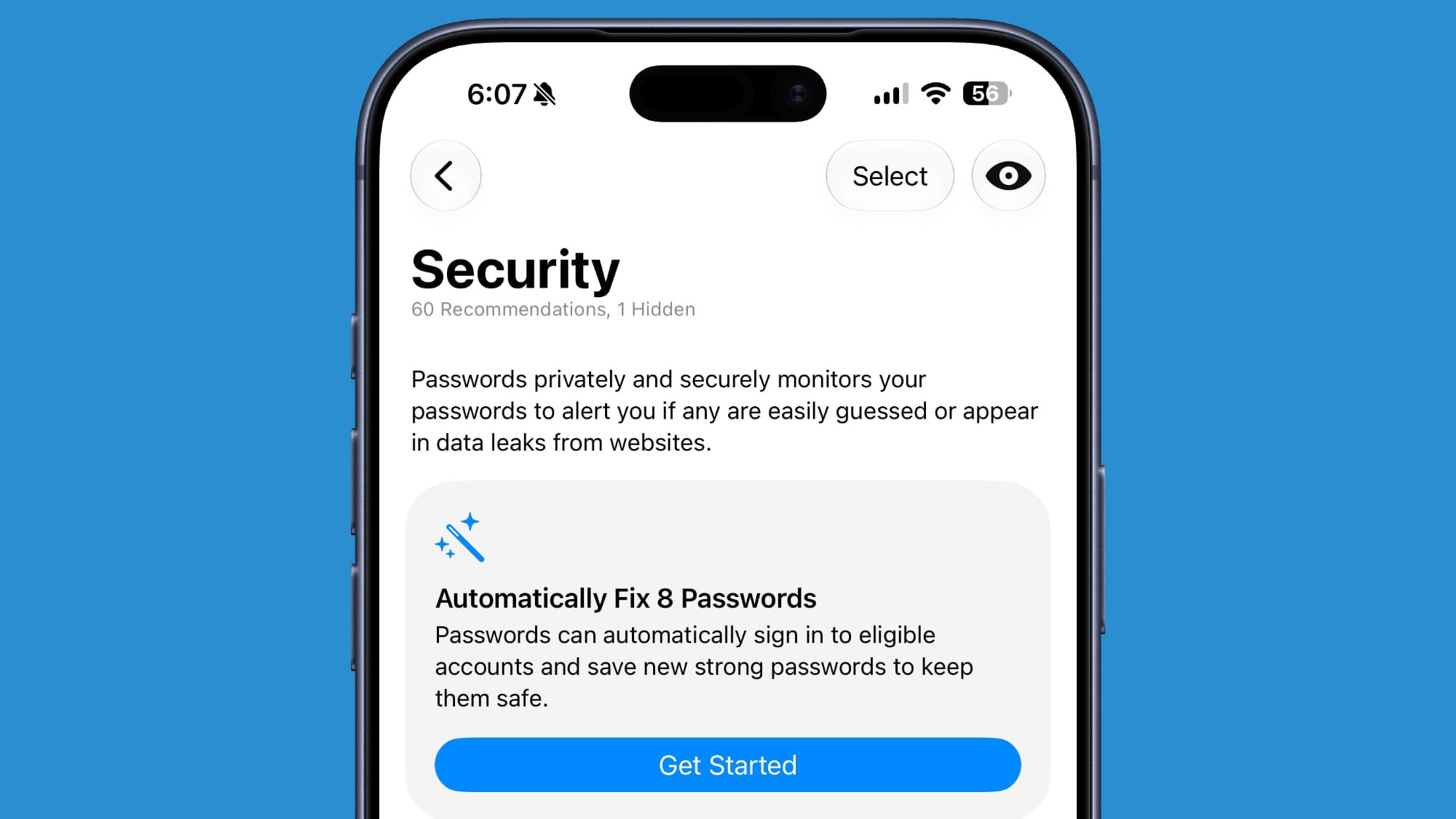
The password resolution tool was designed to be a significant advancement in personal digital security. By utilizing Apple Intelligence in conjunction with the Safari browser, the Passwords app was engineered to automatically identify compromised credentials—typically leaked in third-party data breaches—and suggest or execute a fix in the background. The goal was to remove the manual friction associated with password management, allowing the system to perform a silent handshake with websites to rotate credentials without requiring the user to navigate through complex account security settings.
In a similar vein, the delayed functionality within the Messages app was intended to leverage generative AI to analyze the semantic content of a conversation. Under the proposed implementation, if a user received a text request—such as a prompt to send a specific photo or a nudge to complete a scheduling task—the system would automatically surface one-tap action suggestions. This was meant to streamline workflow, essentially turning the Messages app into a command center that coordinates with other iOS system applications. Apple’s decision to hold these back suggests that the company is prioritizing stability and accuracy for these high-touch AI interactions, ensuring that they do not misinterpret user intent during sensitive tasks.
A Chronology of the iOS 27 Development Cycle
The development of iOS 27 has been characterized by an unusually high degree of transparency, owing to the depth of the Apple Intelligence integration.
- June 2026: Apple unveiled the initial vision for iOS 27 at the Worldwide Developers Conference (WWDC). During the keynote, the company emphasized that the integration of artificial intelligence would be the cornerstone of the user experience.
- June – July 2026: The developer beta program provided early access to the new OS, followed by a public beta in July. During this phase, both the password fix and Messages suggestions were available for testing, receiving generally positive feedback for their convenience.
- September 9, 2026: During the major product event unveiling the iPhone 18 Pro, AirPods 5, and the latest Apple Watch, Apple confirmed the public release date for iOS 27 as September 14.
- September 11, 2026: Apple officially updated its documentation to reflect the removal of the two aforementioned features from the launch build, signaling a late-stage adjustment based on telemetry and feedback gathered during the final weeks of the beta cycle.
The Roadmap to iOS 27.1
Industry observers have already begun looking toward the first incremental update for the platform. The release schedule for the upcoming iPhone Duo—which is slated to hit retail shelves on October 23, 2026—serves as a firm deadline for the next iteration of the software. Because new hardware devices are typically shipped with a finalized, factory-ready version of the current operating system, it is highly probable that iOS 27.1 will be released to the public shortly before, or on, the October 23 launch date.
Historically, Apple has utilized the "dot-one" release to fix bugs and introduce features that were not quite ready for the September launch window. Given the readiness of the delayed features during the beta period, it is reasonable to expect that these tools will be re-introduced in the iOS 27.1 update, provided they meet the company’s internal benchmarks for performance and reliability.
Implications for Apple Intelligence and Ecosystem Strategy
The delay of these features highlights the complexities of deploying machine learning at scale. Unlike traditional software updates, which involve static code changes, Apple Intelligence relies on complex models that must be tuned to function across a diverse array of hardware, including the new iPhone 18 Pro, older iPhone models, and the broad iPad and Mac lineup.
The "iPhone Handoff" feature, announced earlier in September, serves as a testament to the interconnected nature of the iOS 27 ecosystem. By allowing users to switch between two iPhones while maintaining a single phone number, Apple is demonstrating a commitment to "frictionless" hardware interaction. However, the requirement for such seamless cross-device communication adds layers of complexity to the backend infrastructure. When features like the automated password fix are introduced, they must account for not only the security of the individual device but also the synchronization of that data across the iCloud Keychain, ensuring that a fix on one device is reflected everywhere instantly.
Market and Consumer Reception
For the average consumer, the delay of these two features is unlikely to diminish the impact of the September 14 launch. The primary appeal of iOS 27 remains the core system performance improvements, the revamped Camera app—which includes highly requested tools like exposure waveforms and histograms—and the broader UI refinements.
Market analysts have noted that Apple’s willingness to delay features—even after they have been showcased in public betas—is a sign of a more cautious approach to software quality. In recent years, the tech industry has seen a push toward "shipping early," sometimes at the cost of stability. By holding back features that are not yet 100% reliable, Apple is positioning itself to maintain a reputation for "it just works," even if it means missing a feature-parity goal for the initial release.
From a competitive standpoint, the move also keeps the conversation surrounding the iPhone 18 Pro alive well into the fourth quarter. By spacing out the release of software capabilities, Apple creates a secondary "launch" event in late October, keeping its user base engaged with new functionality shortly after the initial excitement of the hardware launch has faded.
Technical Hurdles and Future Outlook
The technical burden of "background" AI operations cannot be understated. For the password-fixing feature to be successful, it must operate within the strict privacy parameters that Apple has built its brand upon. Performing these actions in the background requires sophisticated "Private Cloud Compute" or on-device processing that ensures user credentials are never exposed to unauthorized entities. Ensuring this security while also managing the variability of third-party website login structures is a monumental task that requires constant iteration.
As of September 11, 2026, there is no official statement from Apple regarding the specific technical failure points that led to the delay. However, engineering sources familiar with similar projects suggest that the primary challenge is not the functionality itself, but the "edge cases"—the thousands of unique login scenarios that could lead to a system error or, worse, a locked account.
As we approach the official release of iOS 27 on Monday, the focus will shift to how these features are implemented in the coming weeks. For now, users can look forward to a robust, stable update that lays the groundwork for the most sophisticated version of the iPhone yet. The subsequent arrival of iOS 27.1 will serve as a critical test of Apple’s ability to refine its AI-driven vision and deliver on the promises made during the June keynote. Whether these features arrive in late October or early November, they represent a significant step toward an automated, assistant-like mobile future that Apple continues to refine with every iteration of its software stack.