Motorola Razr 2027 Leaks Suggest Significant Design Overhaul and Battery Upgrades for Upcoming Foldable

The landscape of foldable smartphones is rapidly evolving, with manufacturers pushing for thinner profiles, larger external displays, and improved battery efficiency. As the industry looks toward the next generation of mobile hardware, reports emerging as of November 24, 2024, indicate that Motorola is preparing a substantial update for its signature Razr lineup. According to early leaks, the Motorola Razr 2027 is poised to address several long-standing consumer criticisms, potentially marking a pivotal shift in the company’s design philosophy for its foldable devices.
Redefining the External Display and Form Factor
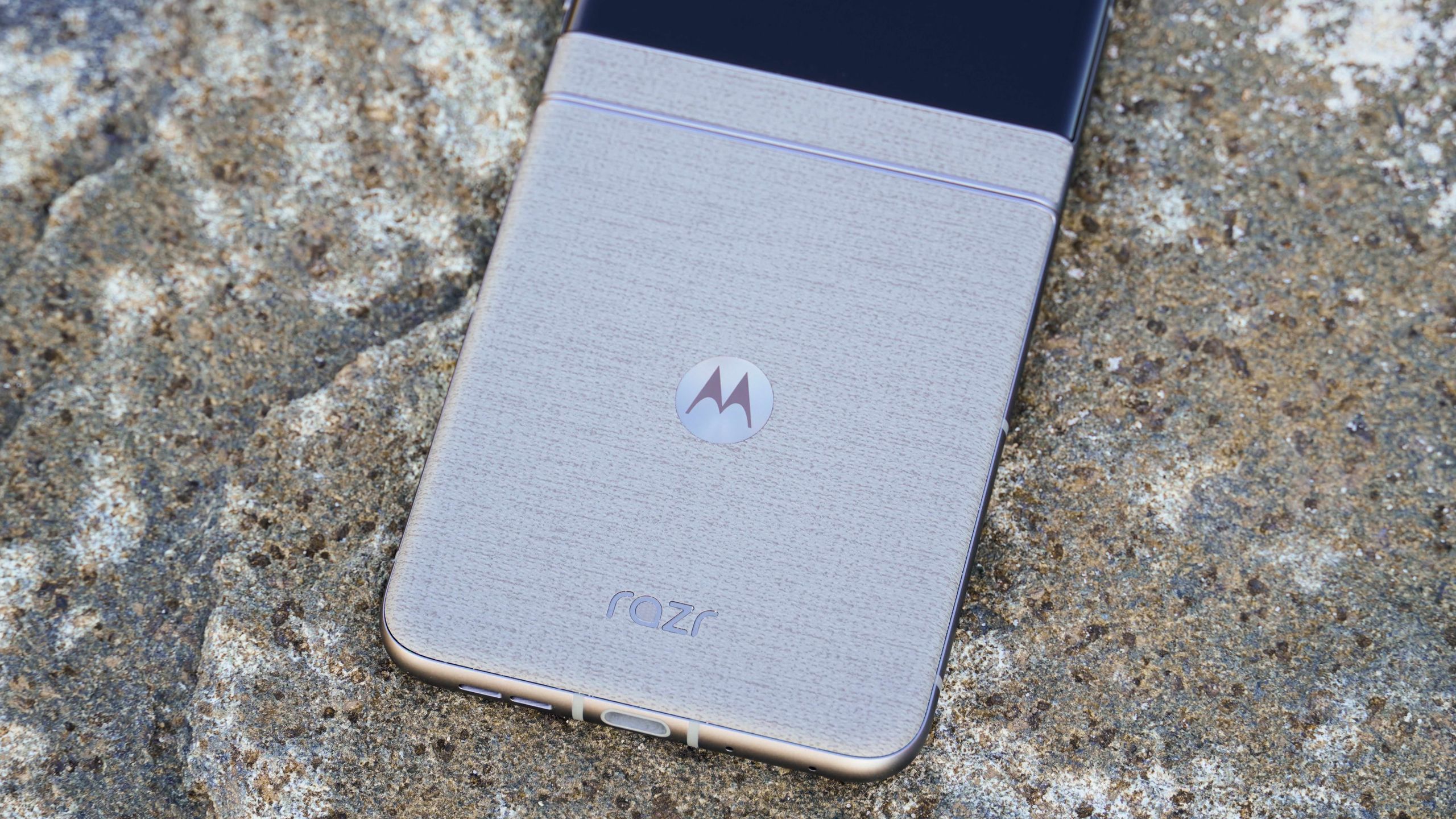
The most striking claim regarding the forthcoming Razr 2027 centers on its cover screen. Historically, the Razr series has been defined by its iconic "clamshell" design, but the presence of noticeable bezels on the cover display has often been a point of contention for users accustomed to the edge-to-edge aesthetics of flagship competitors. Leaked information suggests that Motorola is moving toward a 4-inch cover screen that eliminates the heavy borders present on previous iterations.
By extending the display to the device’s hinge, the design appears to mirror the user experience found in high-end competitors like the Samsung Galaxy Z Flip series. This architectural change is not merely cosmetic; a larger, more functional cover screen allows for more complex interactions, such as full-keyboard typing, widget navigation, and media playback control, without requiring the user to unfold the device. This shift indicates that Motorola is prioritizing the "quick-glance" utility that modern consumers demand from foldable technology.
Battery Capacity and Power Management Upgrades
Beyond aesthetics, internal hardware improvements remain a primary focus for the 2027 cycle. The leak highlights a projected increase in battery capacity to 5,000mAh, a notable 200mAh improvement over the 4,800mAh cell found in the Razr 2026. While a 200mAh increase may seem incremental, in the context of foldable phones, where internal space is at an absolute premium due to the hinge mechanism and folding screen layers, it represents a significant engineering challenge.
Furthermore, the integration of faster charging capabilities—expected to climb to 45W—suggests that Motorola is attempting to bridge the gap between its foldable devices and traditional slab smartphones. Faster charging is increasingly vital for foldable users, who often consume more power due to the dual-display nature of these devices. If these specifications hold, the Razr 2027 could become one of the most efficient clamshell foldables on the market, addressing the lingering anxiety regarding the longevity of foldables under heavy daily usage.
The Hardware Dilemma: Processor and Memory Constraints
While the external and power-related upgrades are promising, the reported choice of chipset remains a subject of intense industry debate. Current projections suggest that the base model of the Razr 2027 will continue to utilize processors from MediaTek’s Dimensity line. While these mid-range chips offer commendable efficiency and thermal management, there is a clear consensus among tech analysts that a premium-priced foldable should be equipped with top-tier silicon to ensure long-term performance.
The base configuration is expected to feature 8GB of RAM paired with 256GB of internal storage. This shift is a direct response to consumer frustration surrounding the 2026 model, which saw a reduction in storage capacity while maintaining a premium price point. By standardizing 256GB of storage, Motorola may be attempting to rectify the perceived lack of value that hampered the 2026 launch. However, the reliance on mid-range hardware may continue to limit the device’s appeal to power users who compare the Razr directly against the Snapdragon-powered flagships from competitors.
Strategic Timing and CES 2027 Expectations
The industry is keeping a close watch on the potential announcement window. While Motorola typically staggers its releases, reports suggest that the company is aiming for an unveiling at the Consumer Electronics Show (CES) in Las Vegas in early January 2027. A CES launch would be a strategic move, allowing Motorola to capture the spotlight early in the year and establish its footprint before the flurry of spring mobile announcements.
Historically, Motorola has used early-year events to signal its technological trajectory. By bringing the Razr 2027 to such a prominent global stage, the company is signaling confidence in its hardware advancements. This timeline would place the device in direct competition with the earliest iterations of the 2027 mobile cohort, putting pressure on Samsung and other major players to respond quickly with their own mid-year updates.
Software Longevity and the GrapheneOS Initiative
Perhaps the most critical aspect of the Razr 2027’s future success lies in its software support cycle. As it stands, the current generation of Razr phones offers three years of OS upgrades and five years of security patches. In an era where Google and Samsung have established a seven-year commitment to software longevity, Motorola’s current trajectory faces scrutiny. There has been no indication from these leaks that this support window will expand, a factor that could deter long-term buyers.
Additionally, Motorola’s partnership with the privacy-focused GrapheneOS represents a unique differentiator. Although the implementation of GrapheneOS is slated for specific Motorola hardware in 2027, initial reports suggest that its availability on foldables may be limited to the "Ultra" or higher-tier models. The inclusion of such software could fundamentally change the device’s value proposition for security-conscious professionals, provided that the hardware is robust enough to handle the rigorous demands of such a specialized operating system.
Broader Implications for the Foldable Market
The evolution of the Razr series reflects a broader trend toward the "maturation" of foldable technology. The initial "novelty" phase of foldable devices has concluded, replaced by a "utility" phase. Consumers are no longer impressed by the mere fact that a phone can fold; they now demand that the foldable version of a phone performs with the same reliability, battery life, and software longevity as its non-folding counterparts.
Motorola’s challenge is to balance the high manufacturing costs associated with foldable hinges and flexible displays with the consumer’s desire for a competitive price point. The decision to stick with MediaTek silicon suggests that Motorola is choosing to prioritize external hardware features—like the larger cover display—over raw processing power. Whether this trade-off will satisfy the market remains to be seen, but it clearly defines Motorola’s current target audience: users who value design and the unique form factor of the Razr above raw benchmark performance.
Analytical Context: The Road Ahead
Analyzing the progression from the 2025 to the 2027 models reveals a clear trajectory. The 2025 iteration was a bold return to form, the 2026 model was a period of consolidation and refinement, and the 2027 model appears to be an attempt at optimization. By listening to feedback regarding storage, battery, and screen aesthetics, Motorola is demonstrating a willingness to iterate based on market data.
However, the "mid-range chip" issue continues to be a bottleneck. As mobile applications, AI features, and multitasking demands grow more intensive, the gap between mid-range and high-end processors becomes more apparent. If Motorola intends to compete at the top of the smartphone hierarchy, it will eventually need to ensure that its premium foldable line is not perceived as a "premium-priced mid-range device."
As we approach January 2027, the focus will remain on whether these rumored hardware specifications can be packaged into a chassis that feels sufficiently premium to justify its market position. The Razr 2027 is shaping up to be a critical test for Motorola’s foldable strategy—a test that will determine if they can successfully bridge the gap between a nostalgia-driven niche product and a standard-setting modern flagship. With the industry moving toward integration of AI and more robust security frameworks, the Razr 2027 is positioned at the intersection of a rapidly changing technological landscape. Whether it will lead that change or merely follow it will depend on the final, official reveal in the coming months.