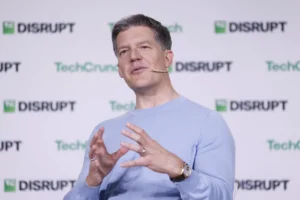
Automattic Appoints Jeremy Klaperman as Interim CFO Following Executive Upheaval and Boardroom Drama


Automattic, the driving force behind WordPress and the enterprise-grade WordPress VIP platform, has officially named Jeremy Klaperman as its interim Chief Financial Officer. Klaperman, who previously served as the Chief Financial Officer for the company’s lucrative WordPress VIP enterprise business unit, steps into the role following a tumultuous period of internal executive turnover and a dramatic, short-lived boardroom coup that briefly unseated Chief Executive Officer Matt Mullenweg.
The leadership changes were communicated directly to employees via an internal Slack announcement late last week. Klaperman is no stranger to the financial helm at Automattic, having previously filled in as the company’s CFO when his predecessor, Mark Davies, took a planned sabbatical. While Klaperman has taken over interim responsibilities, Mullenweg noted that the company’s newly forming board of directors will ultimately evaluate a broader pool of both internal and external candidates before making a permanent appointment to the position.
The executive shakeup marks a critical turning point for Automattic as the company attempts to stabilize its operations, reassure enterprise clients, and move forward after one of the most publicly visible governance crises in the tech industry in recent memory.
Anatomy of an Attempted Ouster: The September Chronology
The events leading to Klaperman’s appointment unfolded at a breathtaking pace earlier in the month, shaking the foundation of a company that powers a massive percentage of the global internet. The crisis began when members of Automattic’s board of directors voted to force CEO and co-founder Matt Mullenweg into a leave of absence, attempting an ouster that sent shockwaves through the open-source community and the tech sector at large.
During Mullenweg’s brief absence—which lasted roughly 33 hours—then-CFO Mark Davies was installed as the interim Chief Executive Officer. Seizing the chaotic window of the transition, Davies and Chief Legal Officer Andy Missan reportedly executed reciprocal severance agreements designed to secure their positions and financial exits in the event of further corporate upheaval.
However, the board’s coup quickly unraveled. Due to overwhelming internal resistance, strategic pushback, and swift maneuvering, Mullenweg successfully retook the chief executive position within days, neutralizing the board’s attempt to strip him of control. The fallout from the failed mutiny was immediate and absolute: the board members who orchestrated the vote were ousted from their positions, and high-ranking executives aligned with the maneuver—including Davies and Missan—departed the company entirely.
With the dust beginning to settle, Mullenweg’s loyalists and remaining leadership are working to rebuild the executive suite and establish a new governing structure for the web infrastructure giant.
Restructuring the Executive Suite and Legal Leadership
Beyond the financial department, the housecleaning at Automattic has necessitated rapid replacements across multiple key pillars of corporate governance. In his Slack update to staff, Mullenweg revealed that a candidate for the crucial position of Chief Legal Officer has verbally accepted the role, stepping in to replace the departing Andy Missan.

The inclusion of a new legal chief is paramount for Automattic, particularly in the wake of the controversial severance packages signed during Mullenweg’s brief 33-hour exile. Investigative reporting revealed that the reciprocal severance deals signed by Davies and Missan were a central flashpoint during the brief governance crisis, highlighting the vulnerabilities that can occur during sudden, contested leadership transitions in privately held tech titans.
Despite the rapid exit of key legal and financial lieutenants, Mullenweg sought to project absolute confidence in the company’s structural integrity and fiscal health. "I have 100% confidence in our cash and financial position," Mullenweg wrote in his internal memo to employees. He acknowledged that significant institutional work remains ahead, but emphasized that the company’s trajectory is entirely within its control, relying solely on Automattic’s proven ability to execute its long-term strategic roadmap.
Governance, Wolfram Integration, and the Upcoming Board Meeting
As Automattic works to reconstitute its leadership team, attention has also turned toward the composition of the company’s new board of directors. While the specific identities of the incoming board members have not yet been publicly disclosed, Mullenweg advised employees to "stay tuned" for official announcements regarding the revamped oversight body.
Amid the sweeping changes, certain pillars of Automattic’s strategic advisory ecosystem remain untouched. Renowned scientist, programmer, and creator of Wolfram|Alpha, Stephen Wolfram, will continue in his designated role as a special advisor and board member, lending his technical pedigree and analytical expertise to the company as it navigates its next phase of growth.
The newly formed leadership apparatus will face its first major formal test during the upcoming company board meeting, which is officially scheduled for September 23. This meeting is expected to set the strategic tone for the final quarter of the year, addressing not only the permanent selection of a Chief Financial Officer and Chief Legal Officer, but also long-term governance reforms designed to prevent similar boardroom crises in the future.
Broader Implications for Automattic and the Open-Web Ecosystem
Automattic occupies a unique and foundational position in the modern digital landscape. As the commercial steward behind WordPress—which powers over 40% of all websites on the internet—alongside commercial products like WooCommerce, Tumblr, and WordPress VIP, any internal instability at the company reverberates across the entire publishing and e-commerce ecosystem.
The failed ouster and subsequent executive exodus raise critical questions about governance structures in high-profile tech companies that straddle the line between open-source community ideals and massive enterprise valuation. Private companies with powerful founder-CEOs often face unique friction when institutional boards attempt to assert unilateral control, particularly in disputes over strategic vision, monetization, or corporate governance philosophy.
However, by swiftly reclaiming control, installing trusted insiders like Jeremy Klaperman to steady the financial ship, and moving quickly to fill legal vacancies, Mullenweg has demonstrated the resilience of his leadership network within the organization. Klaperman’s deep familiarity with the WordPress VIP enterprise unit—a major revenue driver for Automattic—provides a reassuring sense of continuity for corporate clients who rely on the platform for mission-critical web infrastructure.
As Automattic heads into its September 23 board meeting, the immediate priority for Klaperman and the executive team will be financial transparency, operational continuity, and closing the chapter on a disruptive month. For a company tasked with supporting a massive share of the world’s digital infrastructure, restoring absolute calm to the C-suite is not just an internal corporate necessity—it is a vital requirement for the health of the open web.