Google Enhances Account Security with New Selfie Video Verification Method for Passwordless Recovery

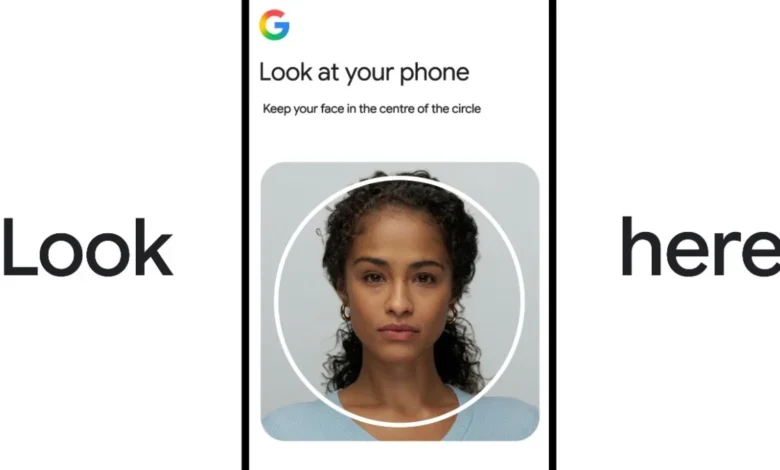
Google has officially expanded its suite of biometric authentication tools by introducing "Selfie Video" sign-in, a new method designed to provide users with a secure and seamless way to regain access to their accounts. This latest development represents a significant step in the company’s long-term strategy to move beyond traditional, alphanumeric passwords, which are increasingly vulnerable to sophisticated phishing attacks and credential stuffing. The Selfie Video feature allows users to verify their identity by recording a short video of their face from multiple angles, providing a dynamic layer of security that traditional static photos cannot replicate.
The introduction of Selfie Video comes at a time when digital identity theft is at an all-time high, prompting tech giants to seek more robust verification methods. According to Google, this new tool is primarily intended for account recovery scenarios—such as when a user forgets their password or loses access to their primary physical device or security key. By leveraging the front-facing cameras found on almost all modern smartphones, Google aims to provide a "failsafe" that is both highly secure and accessible to a global user base.
Technical Implementation and User Experience
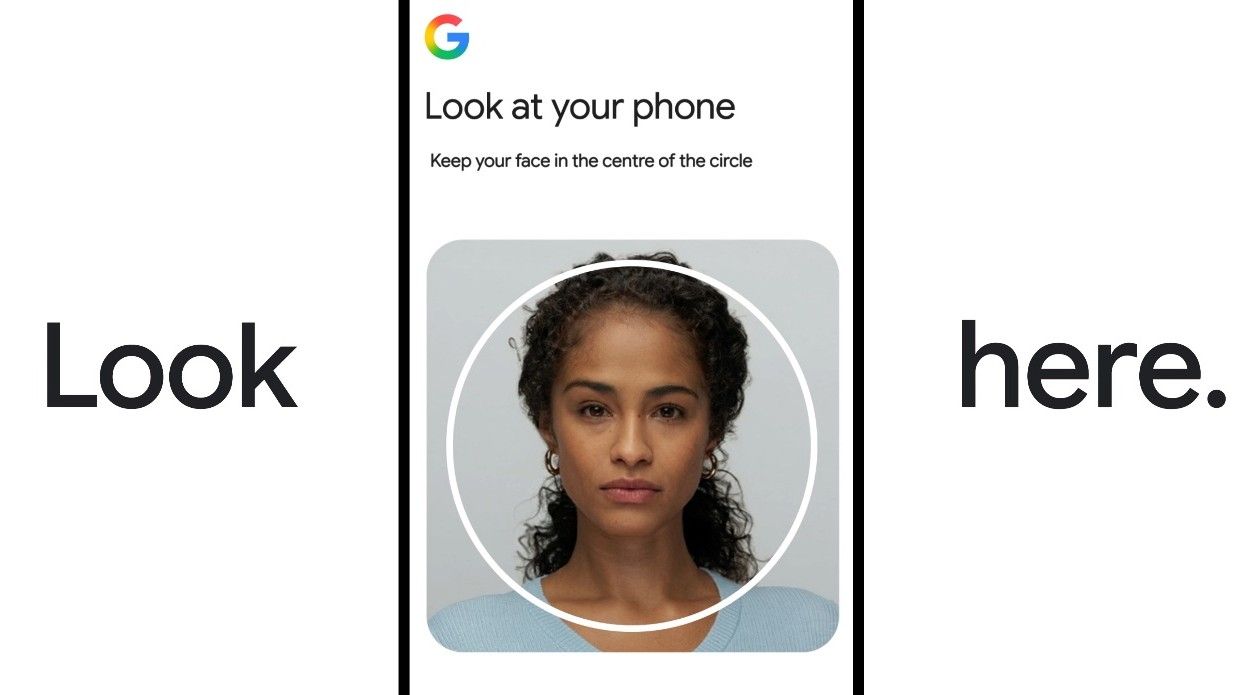
The setup process for Selfie Video is designed to be intuitive, guiding the user through a series of specific head movements. During the initial registration, the Google software captures the face from various perspectives to create a comprehensive biometric profile. This "original" video is then encrypted and stored on Google’s secure servers. When a user subsequently needs to verify their identity, they are asked to record a "live" selfie video. Google’s internal algorithms then compare the new footage against the stored original to confirm a match.
This approach differs significantly from standard "Face Unlock" features found on many Android devices. While Face Unlock often relies on a 2D or 3D map of the face for quick device access, the Selfie Video method focuses on the temporal and spatial dynamics of the user’s movements. By requiring specific head rotations, the system can effectively distinguish between a living, breathing person and a high-resolution photograph or a pre-recorded video held up to the camera.
Privacy Safeguards and Data Encryption
In an era of heightened sensitivity regarding biometric data, Google has emphasized the privacy-first architecture of the Selfie Video feature. The company has stated that all captured videos are encrypted before being uploaded to its servers. Crucially, the feature is entirely "opt-in," meaning Google will only store the video if the user provides explicit consent during the setup process.
Furthermore, Google has integrated a high degree of user control into the interface. Users have the right to delete their saved selfie videos at any time through their Google Account settings. The company also clarified that these videos are strictly used for authentication and account recovery purposes, unless a user specifically chooses to share them for other "additional purposes," such as improving Google’s broader facial recognition AI—though this remains a separate, optional consent path.
To combat the rising threat of generative artificial intelligence, Google has deployed what it describes as "multiple layers of defense." These security protocols are specifically tuned to detect deepfakes, synthetic media, and sophisticated "presentation attacks." As AI models become more capable of creating realistic human likenesses, the requirement for multi-angle movement serves as a vital hurdle that current deepfake technology struggles to clear in real-time authentication environments.
A Chronology of Google’s Security Evolution
The rollout of Selfie Video is the latest milestone in a decade-long journey toward "passwordless" security. To understand the significance of this move, one must look at the timeline of Google’s authentication history:
- 2011: Introduction of 2-Step Verification (2SV). Google became one of the first major platforms to offer two-factor authentication via SMS codes and the Google Authenticator app.
- 2014: Launch of Security Keys. Google introduced support for physical USB keys using the FIDO (Fast Identity Online) standard, providing a hardware-based defense against remote phishing.
- 2019: Android Phones as Security Keys. The company enabled Android devices to act as physical security keys, allowing users to verify sign-ins on nearby computers via Bluetooth.
- 2023: The Passkey Revolution. Google began pushing "Passkeys" as the default sign-in method for personal accounts. Passkeys allow users to sign in using the same biometrics or PINs they use to unlock their devices, effectively eliminating the need for a memorized password.
- 2024: Selfie Video Recovery. Recognizing that passkeys and physical devices can still be lost, Google introduces Selfie Video as a high-security recovery bridge.
Supporting Data and Industry Context
The shift toward biometrics is backed by compelling data regarding both security and efficiency. Research conducted by Google and the FIDO Alliance suggests that passkeys and biometric sign-ins are approximately 40% faster than traditional password entry. More importantly, they significantly reduce the "success rate" of phishing. Traditional passwords can be intercepted through fake login pages, but a biometric signature or a cryptographic passkey is tied to a specific device or person, making it nearly impossible for a remote attacker to replicate.
The global biometric technologies market is projected to grow substantially, with some industry analysts estimating it will reach over $80 billion by 2030. This growth is driven by the increasing integration of biometrics into banking, healthcare, and personal technology. By implementing Selfie Video, Google is aligning itself with industry leaders like Apple and Microsoft. Apple’s FaceID has set the gold standard for consumer facial recognition since 2017, while Microsoft’s "Windows Hello" has brought biometric login to hundreds of millions of PC users.
Official Responses and Expert Analysis
While Google’s announcement has been met with general approval from the cybersecurity community, some experts urge caution regarding the centralization of biometric data. "The move toward passwordless is objectively good for the average user’s security posture," says one industry analyst. "However, the storage of biometric ‘templates’—even when encrypted—creates a high-value target for state-sponsored actors and hackers. Google’s transparency regarding the ability to delete this data is a necessary countermeasure to these concerns."
Google’s internal security teams have responded to these concerns by highlighting that the Selfie Video is a complementary tool. It is designed to work alongside other recovery methods, such as "Recovery Contacts"—trusted individuals who can help a user regain access to their account. This multi-layered approach ensures that no single point of failure can permanently lock a user out of their digital life.
Broader Impact and Future Implications
The implications of Google’s Selfie Video extend beyond mere convenience. For users in developing regions or those with limited access to consistent hardware, the ability to use a face as a "universal key" could bridge the gap in digital security. It also addresses the "cognitive load" of modern digital life; the average user now manages over 100 different passwords, a situation that inevitably leads to "password fatigue" and the reuse of insecure credentials.
However, the technology also raises questions about the future of digital anonymity. As our physical identities become more tightly coupled with our digital accounts, the line between the two continues to blur. While this is a boon for security, it necessitates rigorous legal and ethical frameworks to ensure that biometric data is never used for unauthorized surveillance or profiling.
Looking forward, the success of Selfie Video will likely depend on user adoption and the continued efficacy of Google’s anti-spoofing technology. If successful, it could pave the way for even more advanced forms of identity verification, such as gait analysis or voice-print recognition, further insulating users from the vulnerabilities of the traditional internet. For now, the "Selfie Video" stands as a testament to a future where the human face—unique and inimitable—replaces the forgotten string of characters as the primary guardian of our digital secrets.
Google has made the setup link available to all users with compatible devices, encouraging the public to strengthen their account recovery options before a lockout occurs. As the digital landscape becomes increasingly treacherous, the message from Mountain View is clear: the most secure password is the one you don’t have to remember, and the most reliable key is the one you carry with you every day—your own face.