Google Unveils CodeMender to Tackle the Growing Challenge of AI-Driven Software Vulnerabilities and Extended Remediation Timelines

The modern software development lifecycle has undergone a radical transformation over the past several years, largely driven by the widespread adoption of artificial intelligence and agentic coding tools. Developers are now writing and shipping code faster than at any point in technological history, with internal metrics from organizations like Google indicating that development velocity has doubled for select engineering teams. However, this unprecedented acceleration has introduced a severe trade-off: codebases are becoming exponentially more complex, and identifying as well as rectifying security vulnerabilities has grown increasingly difficult.
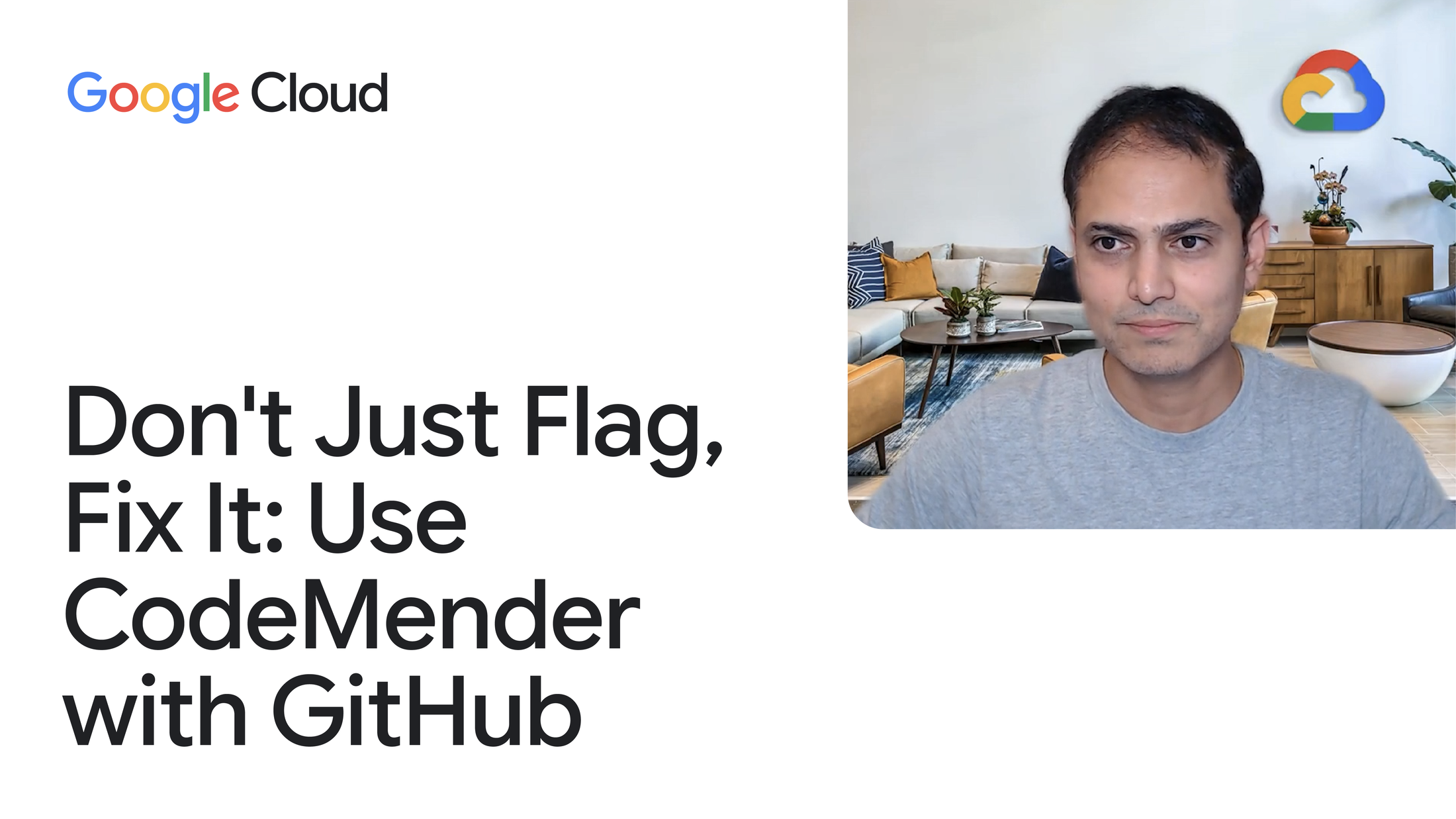
According to the Mandiant M-Trends 2026 Report, the average duration required for a developer to discover and remediate a software flaw has expanded dramatically, climbing from approximately 59 days a decade ago to more than 170 days in 2025. This expanding window of exposure creates a critical security deficit, leaving enterprises vulnerable to sophisticated cyber threats for nearly half a year per flaw. In response to this mounting crisis, Google has introduced CodeMender, an autonomous code-security agent designed to identify and resolve software vulnerabilities at machine speed. Integrated directly into the broader AI Threat Defense platform, CodeMender aims to bridge the gap between rapid software deployment and robust enterprise security without disrupting existing developer workflows.

The Mechanics of Autonomous Remediation
For developer tools to achieve widespread adoption and long-term utility, they must integrate seamlessly into established routines rather than forcing engineers to navigate unfamiliar consoles or context-switch away from their primary environments. To accomplish this, Google has released a comprehensive reference architecture that embeds automated CodeMender remediation directly into Git pull requests via Google Cloud Run.
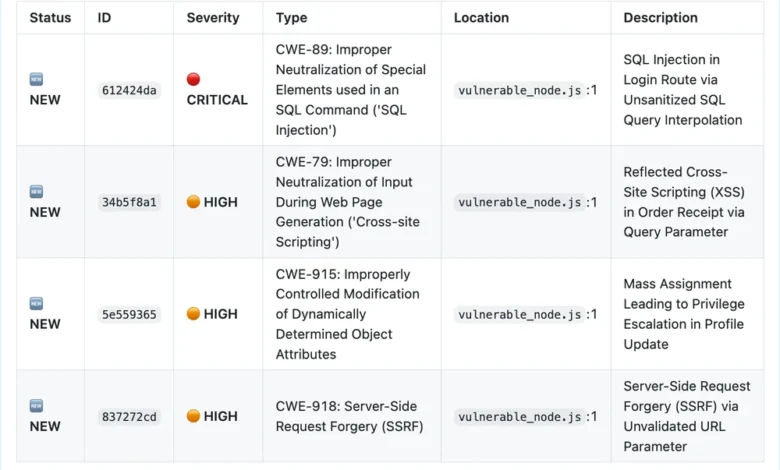
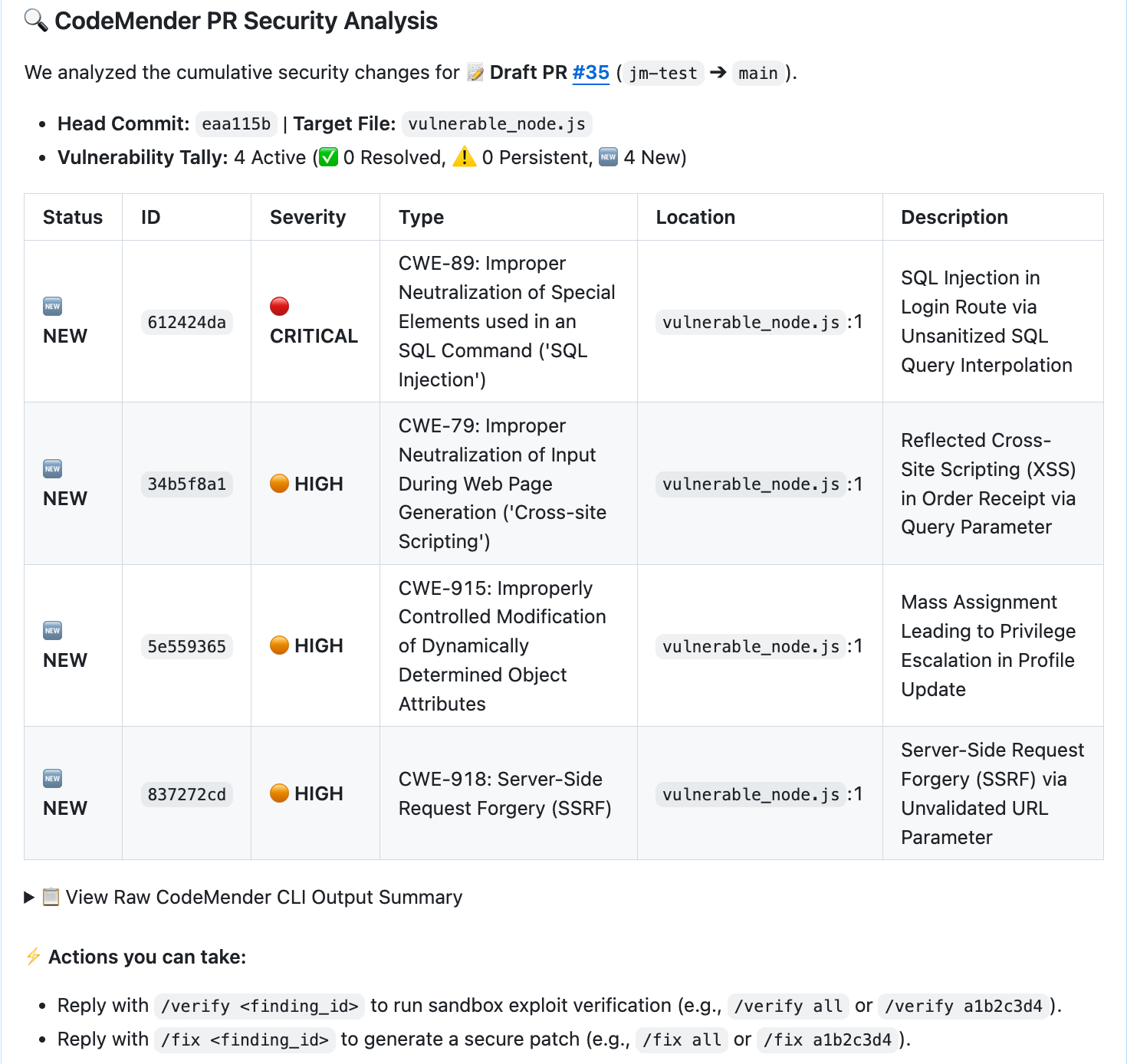
When a developer initiates a pull request, the integrated scanning mechanism triggers automatically on Cloud Run, executing a rigorous security analysis of the modified codebase. Rather than generating a disjointed stream of alerts across separate security dashboards, all findings, exploit traces, and proposed patches are consolidated directly within the pull request timeline. The initial output presents a structured table of security findings, assigning a unique identifier to each detected vulnerability alongside intuitive, actionable slash commands.
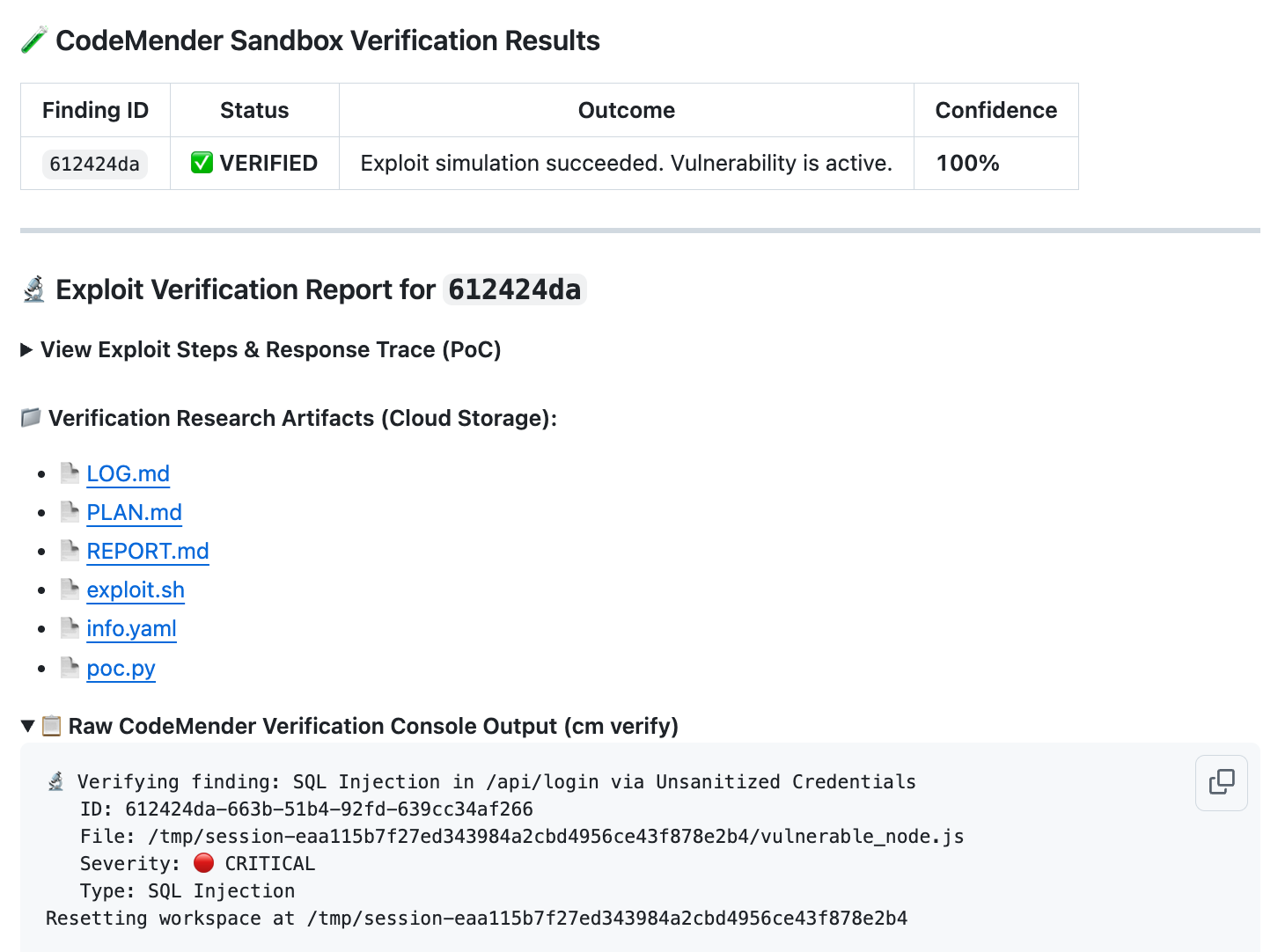
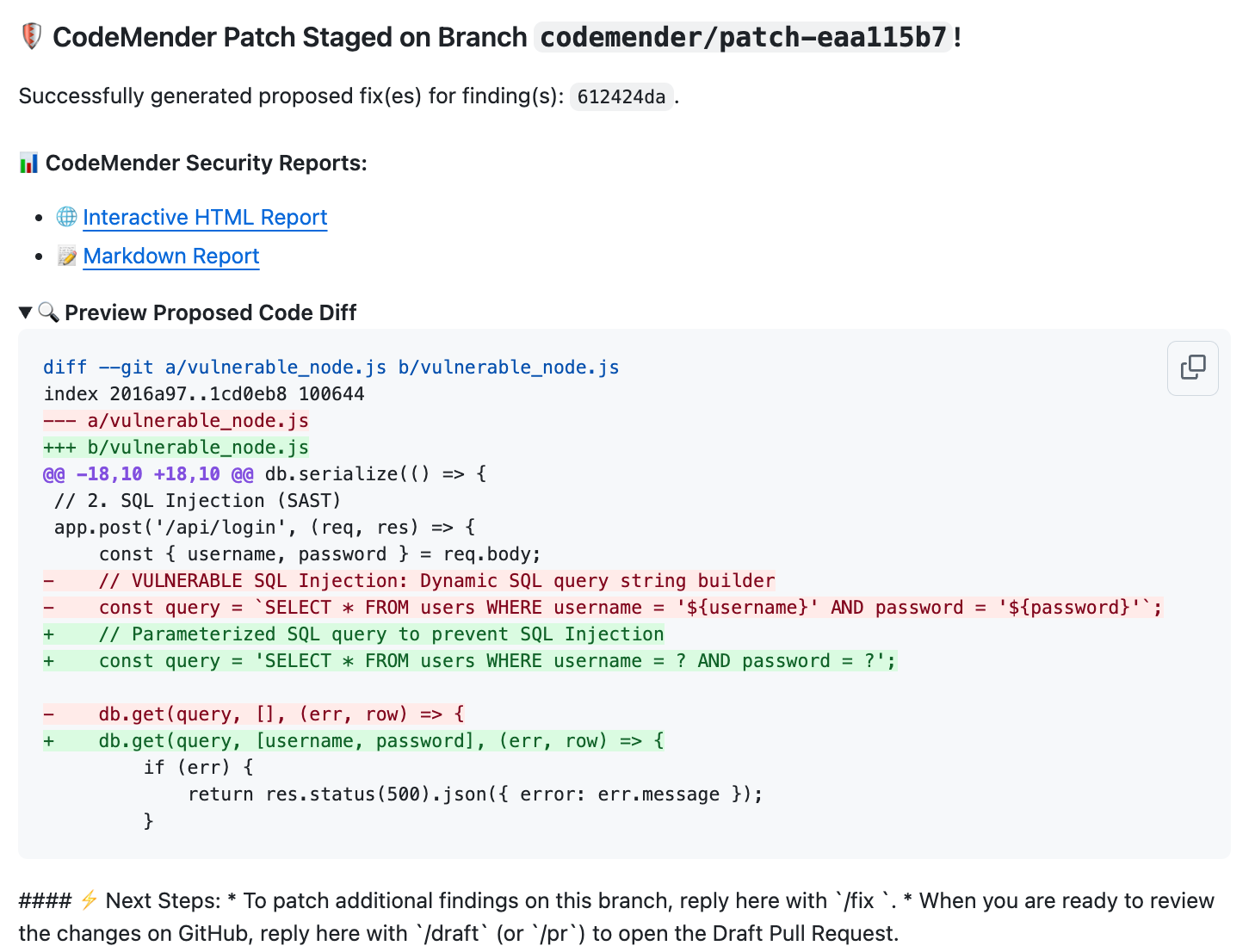
Engineers can interact with the system entirely through standard pull request comments. For instance, replying with a command such as /verify followed by a specific vulnerability ID prompts the system to simulate an exploit attempt in a secure, isolated environment. The results are returned within the thread inside a collapsible block titled "View Exploit Steps & Response Trace," ensuring that the conversation remains uncluttered. Similarly, replying with /fix instructs CodeMender to author a targeted security patch, which is then presented as a previewed code diff alongside a pre-opened draft pull request. To apply the patch, developers simply reply /approve, prompting the agent to commit the changes, push them to the branch, and automatically clear the associated security gate status.
Shifting from Abstract Severity to Actionable Evidence
Traditional static application security testing (SAST) tools frequently generate abstract severity ratings and high volumes of false positives, leading to alert fatigue among engineering teams. CodeMender addresses this challenge by shifting the focus from theoretical risk to empirical evidence through automated exploit simulation.
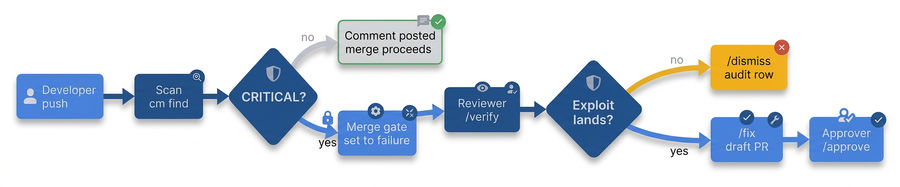
When CodeMender executes a scan and returns a confidence score below 100% for a given vulnerability, developers can leverage the verification pipeline to determine whether the flaw is truly exploitable. The agent builds and executes a sandboxed simulation of the potential attack. Because these verification sandboxes are ephemeral, the pipeline automatically streams all simulation artifacts to Google Cloud Storage, preserving a comprehensive audit trail that satisfies rigorous compliance and security operations standards.
Security architects emphasize the importance of engineering robust failure modes within verification pipelines. If an evaluation harness checks exclusively for a successful exploit string, any unexpected test failure—such as a crashed mock server or an execution timeout—can cause the pipeline to fail open, mistakenly labeling a genuine vulnerability as safe. To prevent this, modern verification parsers must be configured to clearly distinguish between true negative results and test infrastructure crashes, flagging inconclusive statuses rather than granting a clean bill of health by default.
Securing the Supply Chain: OIDC Trust and Ephemeral Sandboxing
A critical design consideration in modern GitOps architectures is the elimination of long-lived credentials. Autonomous security agents inherently require write access to source code repositories, creating a high-value target for potential attackers if credentials are left sitting in static secret stores. To mitigate this risk, Google’s reference architecture leverages OpenID Connect (OIDC) tokens minted dynamically by GitHub Actions. Google Cloud is configured to accept these short-lived tokens, ensuring that no permanent, stealable credentials exist between the version control system and the cloud execution environment.
Furthermore, the trust relationship relies heavily on immutable attributes. While repository names can be modified or subsequently claimed by malicious actors following a repository release, identifiers such as repository_id and repository_owner_id remain permanently fixed. Mapping trust policies to these immutable identifiers provides a robust cryptographic foundation for automated CI/CD security integrations.
Running unreviewed, automatically generated exploit code introduces inherent security risks, chief among them being container breakout and internal network scanning. To counteract these threats, CodeMender executes all verification routines within Cloud Run jobs utilizing the platform’s second-generation execution environment—a microVM architecture offering full Linux compatibility with strict isolation boundaries.
To maintain a hardened security posture, these execution instances are deliberately constrained. Each job is assigned a dedicated service account with minimal privileges, restricted strictly to the API endpoints required to write the exploit data. Furthermore, container images are imported during deployment rather than dynamically pulled at instance startup, eliminating registry access dependencies. By enforcing direct Virtual Private Cloud (VPC) egress into subnets lacking external routing, the system ensures that untrusted exploit code cannot exfiltrate data or fetch secondary payloads from external servers. Once a finding is evaluated, the execution instance is immediately destroyed, leaving only the verified verdict behind.
Broader Industry Implications and Future Outlook
The introduction of CodeMender and its corresponding GitOps reference implementation arrives at a critical juncture for the cybersecurity and software engineering industries. As generative AI and agentic coding assistants become standard components of enterprise development, the volume of generated code will continue to scale exponentially. Without automated, workflow-native security tooling, the widening remediation gap identified by Mandiant threatens to overwhelm security operations centers and leave digital infrastructure increasingly exposed.
By embedding machine-speed vulnerability discovery, empirical exploit verification, and automated patch generation directly into existing version control workflows, Google’s approach models a sustainable path forward. Organizations seeking to adopt this architecture can begin deploying autonomous GitOps security agents today by utilizing the publicly available reference implementation hosted in the codemender-gitops-starter-kit repository. As enterprises increasingly transition toward automated, AI-augmented development lifecycles, tools that harmonize velocity with verifiable security will transition from optional enhancements to fundamental prerequisites for enterprise survival.
Related posts: