Instagram is Pivoting Toward Widescreen Long-Form Video with the Launch of Features

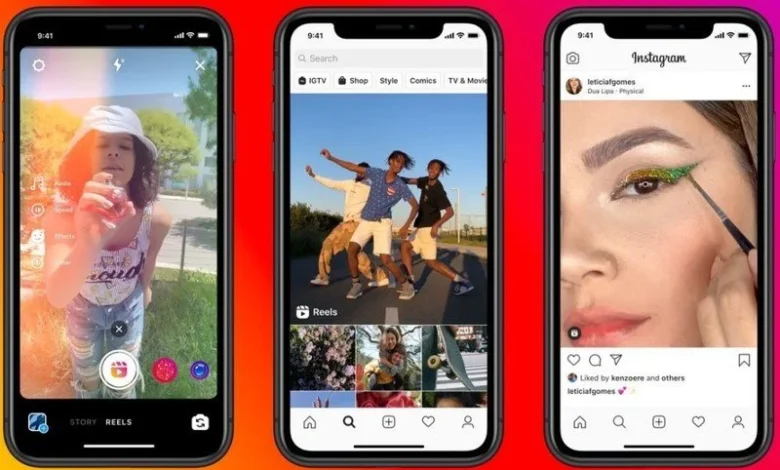
Instagram is undergoing a significant strategic transformation as it prepares to integrate widescreen, long-form video content into its platform, marking a departure from its long-standing focus on short-form vertical clips. The initiative, dubbed "Features," was unveiled this week by Head of Instagram Adam Mosseri in a collaborative video announcement with the platform’s VP of Product, Tessa Lyons. This shift represents a fundamental evolution in how the Meta-owned social media giant approaches user engagement and content diversity.
For years, Instagram has been defined by its rigid adherence to portrait-oriented, short-form media, most notably through the rapid rise of Reels. However, the introduction of "Features" signals that the platform is ready to embrace a broader definition of digital storytelling. According to the leadership team, the transition is driven by the realization that modern creators are utilizing increasingly complex narratives that cannot be adequately compressed into the traditional 9:16 vertical video format.
The Evolution of Content Strategy
The decision to pivot toward long-form content is not one that the company took lightly. Adam Mosseri, who has historically been a vocal proponent of maintaining the app’s focus on intimate "friend connections," admitted that he had been resistant to this change for quite some time. His primary concern was that expanding into long-form content could dilute the platform’s social core, potentially turning Instagram into a passive consumption hub rather than a space for active social interaction.
However, the internal data regarding creator behavior has forced a change in perspective. Tessa Lyons noted that creators are currently seeking new ways to express themselves beyond the constraints of short-form videos, photo carousels, or static posts. By allowing widescreen, longer-form uploads, Instagram aims to provide a more versatile canvas for storytelling. The goal, according to Mosseri, is to make these new long-form additions "symbiotic" with the existing short-form ecosystem, ensuring that the platform remains a cohesive experience rather than a fragmented one.
A Historical Context: The Rise and Limits of Short-Form
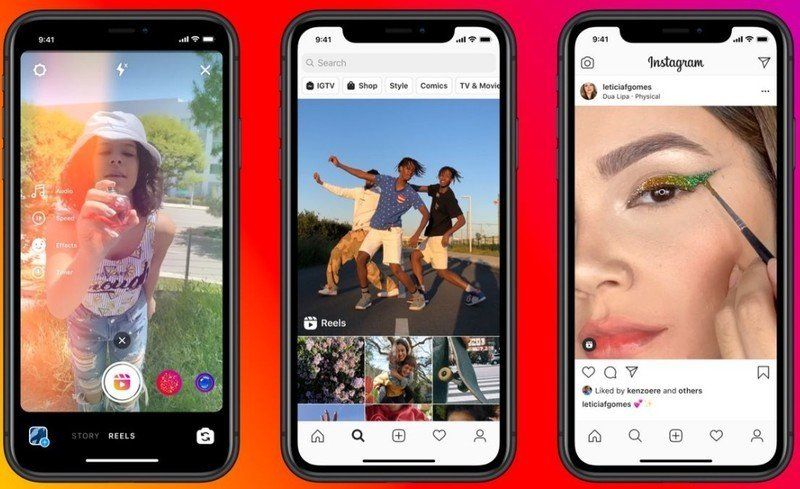
To understand the weight of this change, one must look at the recent history of Instagram’s video strategy. Since the global explosion of TikTok, Instagram has doubled down on Reels, a feature designed specifically to capture the attention of younger demographics through algorithmic discovery. By the end of 2023, Reels had become the primary driver of growth for the platform, significantly impacting user retention and time-spent metrics.
However, the saturation of short-form content has led to a plateau in user engagement depth. While users are consuming more content, the "shareability" of this media has shifted. Mosseri highlighted an interesting paradox during his discussion with Lyons regarding "Instagram for TV," a collaboration launched in 2025 with Amazon’s Fire TV. The research indicated that when users engaged with content on larger screens, the traditional social markers of success—such as likes, comments, and shares—actually decreased.
This phenomenon, often referred to as "passive consumption," occurs because the social pressure to curate or share content diminishes when people are gathered in a living room environment. While this might seem counterintuitive to a social media company, Instagram is now attempting to bridge the gap by integrating the long-form format back into the mobile experience, hoping to capture the high-quality storytelling of traditional television while maintaining the social connectivity of a smartphone app.
Projected Timeline and Implementation
The rollout of "Features" is expected to be a gradual, iterative process. Unlike previous major feature drops that were pushed to the entire user base simultaneously, the "Features" initiative will undergo extensive testing over the next month. This controlled release strategy allows the development team to monitor how long-form, widescreen content interacts with existing formats like Instagram Live and standard feed posts.
Meta has signaled that the integration will be multi-platform, appearing on both mobile applications and the dedicated TV interface. However, the leadership team was transparent about the technical and creative hurdles involved. "It’s early, and we’re testing and listening to feedback as we go," Mosseri stated. The company is actively soliciting user and creator feedback to refine the playback experience, content discovery algorithms, and monetization potential for longer videos.
Market Implications and Competitive Landscape
The move toward long-form content puts Instagram in a more direct competitive position with YouTube. While YouTube has long held the monopoly on high-quality, long-form, and widescreen video, its own recent attempts to replicate the short-form success of Instagram with "Shorts" have created a two-way street of feature emulation. By expanding into the long-form market, Instagram is essentially acknowledging that the lines between social discovery and traditional video entertainment have blurred.
Industry analysts suggest that this pivot is a calculated move to capture a larger share of the "creator economy." By providing a home for long-form content, Instagram could incentivize creators who currently split their time between platforms—producing short teasers for Instagram and full-length content for YouTube—to consolidate their efforts on the Meta ecosystem. This consolidation could, in theory, increase the "stickiness" of the platform, keeping users within the app for longer sessions.
However, the move is not without risks. The primary challenge for Instagram will be the discovery algorithm. Short-form video algorithms are optimized for rapid, dopamine-driven engagement. Long-form video requires a different approach to retention and interest-based matching. If the platform fails to surface the right content to the right users, it risks cluttering the feed with videos that don’t match the user’s intent, potentially alienating the very audience it seeks to grow.
Data and User Behavior Trends
The move is also supported by broader market trends. According to recent industry reports on digital media consumption, there has been a steady increase in the consumption of "mid-form" content—videos between three and ten minutes long. While short-form remains the dominant format for discovery, viewers are increasingly showing a preference for deeper, more informative, or more narrative-driven content once they are hooked by a creator.
Furthermore, the integration of TV-based viewing, as seen with the Fire TV collaboration, suggests that Meta is looking to position Instagram as a central player in the "living room" digital experience. By standardizing widescreen video, the platform is preparing for a future where content is consumed interchangeably across mobile, tablet, and smart TV devices. This interoperability is crucial for the company’s long-term goal of remaining relevant in a media landscape that is moving away from purely vertical mobile experiences.
The Path Forward
As Instagram moves into this testing phase, the primary metric of success will be whether these long-form videos can coexist with the high-energy, fast-paced nature of Reels. The company’s emphasis on "symbiosis" is the key. If long-form content becomes a destination for storytelling while short-form remains the primary tool for discovery, Instagram may successfully diversify its utility.
For creators, the announcement offers a significant opportunity to diversify their revenue streams and creative output. However, it also presents a learning curve. Creating compelling long-form video requires a vastly different set of skills than producing 30-second Reels. The success of "Features" will ultimately depend on how well the platform provides the necessary tools for creators to produce high-quality, long-form content that resonates with an audience accustomed to the speed of the current Instagram feed.
In the coming months, users should expect to see UI adjustments, potential changes to the video player, and a refined focus on how longer videos are categorized in the explore and discovery tabs. As Adam Mosseri noted, this is a long-term investment. The platform is not looking to replace its current identity, but rather to expand it, acknowledging that as creator culture matures, the tools provided by the world’s largest social platforms must mature with it.
The transition to widescreen, long-form video marks a pivotal moment for Meta. It acknowledges that the future of social media is not just about the "scroll," but about the "watch." Whether this shift will succeed in maintaining the platform’s social intimacy while capturing the lucrative long-form market remains to be seen, but the intent is clear: Instagram is evolving into a comprehensive media destination.