LG Electronics USA, a prominent home appliance giant, has announced a decisive measure to suspend applications built for its smart TVs that transform user televisions into persistent residential proxy nodes. This significant policy shift comes less than a month after independent cybersecurity researchers unveiled that a startling 42% of games and other applications available for download on LG’s webOS store were found to incorporate software development kits (SDKs) allowing unknown third parties to route their internet traffic through a user’s television. The move underscores a growing industry-wide reckoning with user privacy and the opaque monetization strategies employed by some app developers within the burgeoning smart device ecosystem.
The Revelatory Research and Its Findings
The catalyst for LG’s action was a comprehensive investigation published on July 2 by the cybersecurity firm Spur. This research meticulously detailed the widespread prevalence of residential proxy SDKs embedded within smart TV applications. Spur’s findings were alarming, revealing that over 42% of apps accessible on LG smart TVs through the webOS platform contained these SDKs, effectively converting televisions into unwitting, always-on proxy nodes. The study also highlighted a similar, albeit slightly lower, concern for Samsung smart TVs, with more than a quarter of applications designed for Samsung’s Tizen operating system exhibiting comparable residential proxy components.
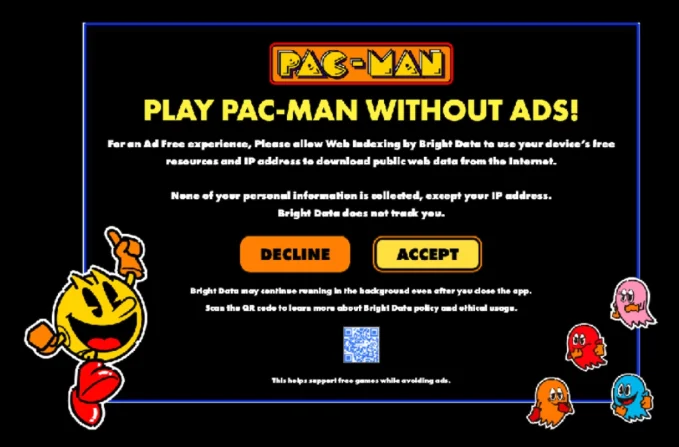
These residential proxy SDKs were discovered across a diverse range of applications, from seemingly innocuous casual games like Pac-Man to practical tools such as screensavers and file utilities. The core issue identified by Spur was not merely the existence of residential proxy networks, which have legitimate commercial uses, but their covert integration into devices that consumers typically do not perceive as traditional computers. This lack of awareness, combined with often buried consent prompts, creates a significant transparency and control deficit for the end-user.
Understanding Residential Proxy Networks and Their Implications
To grasp the gravity of Spur’s findings and LG’s subsequent response, it is crucial to understand what residential proxy networks are and how they operate. A residential proxy routes internet traffic through an actual internet protocol (IP) address assigned by an internet service provider (ISP) to a residential user. In this context, a user’s smart TV, when infected with such an SDK, becomes one of these "nodes." When a third party uses this proxy, their internet requests appear to originate from the TV user’s home IP address, masking their true location and identity.
Residential proxies are widely utilized for various purposes, some legitimate, others highly questionable. Legitimate uses include market research, competitive intelligence (e.g., scraping public data from websites, monitoring ad campaigns), SEO monitoring, and bypassing geo-restrictions for accessing region-locked content. However, the same technology can be abused for illicit activities, such as credential stuffing attacks, spam campaigns, distributed denial-of-service (DDoS) attacks, creating fake social media accounts, or even conducting financial fraud. The legal and ethical quagmire arises when a user’s home IP address is unknowingly implicated in such activities, potentially exposing them to legal liability or scrutiny.
The cybersecurity firm Spur emphasized that the problem is exacerbated by the nature of smart TVs. Unlike personal computers or smartphones, which often have more robust security features and user-awareness tools, smart TVs are generally seen as entertainment devices. Consumers are less likely to scrutinize app permissions or understand the complex implications of background processes, especially when consent might be obtained through a fleeting prompt during an app’s initial setup, often by individuals within the household, including minors, who lack the authority or understanding to grant such permissions. Trevor Sutter of Spur articulated this concern, stating, "A one-time consent prompt buried in a TV app is not a substitute for meaningful transparency, ongoing control, and platform oversight. The risk is amplified when consent comes from individuals within the household who use the device but shouldn’t give consent, such as minors."
LG’s Swift Response and Commitment to User Trust
In the wake of Spur’s exposé, LG Electronics USA acted with commendable alacrity. Responding to direct inquiries from KrebsOnSecurity, LG Senior Vice President John Taylor confirmed the company’s immediate engagement with the issue. Taylor explicitly stated that residential proxy networks are not an "intended use" for LG smart TVs and outlined the company’s plan to rectify the situation.
"A residential proxy network is not an intended use for LG smart TVs, and LG Electronics is working with developers to remove the residential proxy option from their apps on the webOS platform," Taylor affirmed. He further added a stern warning for non-compliant developers: "If this option is not removed, these apps will be suspended." This clear directive signals LG’s commitment to upholding user privacy and maintaining the integrity of its webOS ecosystem.
Taylor also emphasized LG’s proactive stance, assuring that the company’s review of existing applications was "well underway." He highlighted LG’s broader commitment to enhancing platform quality and user experience, stating, "As part of our ongoing efforts to enhance platform quality and the user experience, LG will continue to strengthen our evaluation process for developer-submitted apps, including those that incorporate residential proxy SDKs." This commitment suggests a future where app submissions will undergo more rigorous scrutiny to prevent similar privacy infringements.
Developer Monetization and the Role of Proxy Providers

The integration of residential proxy SDKs by app developers is primarily driven by monetization strategies. In an increasingly competitive app market, developers seek diverse revenue streams beyond traditional in-app purchases or advertising. Residential proxy providers offer a lucrative alternative, paying developers to bundle their SDKs into applications. This arrangement transforms a user’s device into a node within the proxy network, which the provider then rents out to paying customers.
Spur’s report specifically identified Bright Data, a prominent residential proxy network, as accounting for a significant majority of proxy SDKs across both Samsung and LG smart TVs. Bright Data, in a statement to KrebsOnSecurity, defended its practices, asserting that its network is built on principles of consent and responsibility, operating within the terms set by LG and Samsung.
"Every peer opts in through a dedicated screen and receives value in return; every customer is vetted, and our practices have now undergone a second independent audit by PwC," Bright Data stated. The company further reiterated its commitment to "an open, transparent internet where legitimate businesses, researchers, and institutions can responsibly access data that lives in the public domain."
While proxy providers like Bright Data emphasize rigorous "know-your-customer" processes to vet clients and claim to implement technological safeguards against local network interference, the core issue of informed user consent on smart TV platforms remains contentious. The subtle nature of these consent mechanisms, often presented as a trade-off for an ad-free experience, raises questions about whether users truly understand the implications of allowing their devices and internet connection to be utilized in this manner.
Broader Implications for Smart TV Security and Consumer Trust
The incident with LG smart TV apps highlights a broader, systemic challenge within the smart device industry. As more everyday appliances become "smart" and connect to the internet, they introduce new vectors for privacy invasion and security risks. Smart TVs, with their deep integration into home networks and often continuous connectivity, represent a particularly sensitive endpoint.
The implications for consumers extend beyond mere bandwidth consumption. While the impact on internet speed might be negligible for a single user, the aggregation of millions of such nodes can contribute to a significant drain on collective bandwidth. More critically, users face the potential legal ramifications if their IP address is linked to illegal activities conducted by a third party utilizing their proxy node. Furthermore, while proxy companies claim to prevent interaction with other devices on the local network, any unauthorized software running on a connected device inherently carries a degree of security risk.
For smart TV manufacturers like LG, the incident poses a significant challenge to consumer trust. In an era where data privacy is paramount, such revelations can severely damage brand reputation. It also places pressure on other manufacturers, notably Samsung, whose Tizen OS apps were also found to contain similar SDKs, to review and potentially revise their app store policies and developer guidelines. The expectation is that this incident will spur a broader industry movement towards clearer consent mechanisms, enhanced transparency, and stricter oversight of third-party SDKs in smart device applications.
A Pattern of Questionable Monetization: The McAfee Incident
This revelation regarding residential proxy SDKs is not an isolated incident for LG. The company recently faced criticism for another contentious partnership involving the bundling of third-party software. Earlier this week, the popular YouTube channel Gamers Nexus exposed that certain LG LCD monitors were automatically installing an application promoting paid McAfee antivirus subscriptions. This app, according to the report, was delivered via Windows Update without an explicit approval prompt from the user.
This pattern suggests a broader strategy by LG, and potentially other hardware manufacturers, to explore diverse monetization avenues, sometimes at the expense of user control and privacy. While bundling software is a common practice, forcing installations or enabling hidden background processes without clear, affirmative user consent erodes trust and raises questions about ethical business practices in the connected device landscape.
Looking Ahead: The Future of Smart Device Privacy
LG’s decision to cull residential proxy SDKs from its app store is a welcome and necessary step towards safeguarding user privacy. However, it also serves as a stark reminder of the constant vigilance required in the rapidly evolving world of smart technology. As devices become more integrated into our daily lives, the onus is on manufacturers to implement robust security measures, enforce stringent app store policies, and prioritize transparent communication with their users.
This incident may also prompt greater scrutiny from regulatory bodies worldwide, potentially leading to new guidelines or legislation governing data privacy and consent within the smart device ecosystem. The ultimate goal must be to empower users with true control over their devices and data, ensuring that convenience does not come at the cost of privacy and security. The battle for digital autonomy on our smart TVs, monitors, and other connected devices is far from over, and LG’s recent action marks an important, albeit reactive, milestone in this ongoing struggle.