Samsung Galaxy S27 Camera Leak Dampens Expectations for Base and Plus Models While Teasing Pro and Ultra Upgrades

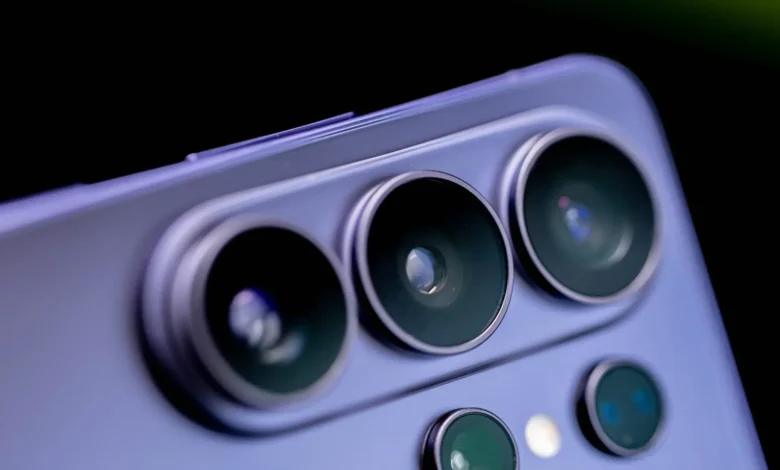
If you were holding off on your next smartphone purchase with the expectation that Samsung’s upcoming Galaxy S27 lineup would introduce groundbreaking photography hardware across the board, a recent wave of leaks suggests it may be time to reconsider your upgrade timeline. Emerging reports from specialized Samsung insider outlets, notably SammyGuru, indicate that consumers eyeing the standard Galaxy S27 and Galaxy S27 Plus will encounter a largely stagnant camera ecosystem compared to the previous generation.
While earlier rumors pointed toward a sweeping aesthetic redesign of the camera module for the entire Galaxy S27 family—fueling speculation of a major technological leap—the actual internal sensors for the entry-level and mid-tier models appear destined to remain virtually unchanged. For owners of the current Galaxy S26 generation, transitioning to an S27 or S27 Plus will likely offer zero physical enhancements to the camera suite. This stagnant approach by one of the world’s leading smartphone manufacturers highlights a broader industry trend: incremental updates in non-flagship tiers as research and development budgets shift toward specialized high-end models and folding form factors.
A Closer Look at the Base and Plus Hardware Specifications
According to the leaked documentation published by SammyGuru, the standard Samsung Galaxy S27 and the larger Galaxy S27 Plus will continue to rely on hardware heavily borrowed from their predecessors. Both devices are slated to feature a 50-megapixel main camera sensor, utilizing either the Sony IMX955 or the Samsung S5KGNG component. While these sensors are capable of producing sharp, color-accurate images in various lighting conditions, the lack of generational progression means users will not benefit from improved light-gathering capabilities, faster readout speeds, or advanced computational photography integration tied to newer sensor architectures.
Furthermore, the secondary lenses on the standard and Plus models show no signs of evolution. The ultrawide perspective will reportedly be captured by the familiar 12-megapixel Sony IMX564 sensor, a component already deeply integrated into Samsung’s recent mid-to-high-tier roadmap. Telephoto duties will similarly fall back on the established 12-megapixel 3x optical zoom lens, while self-portraits and video calls will rely on the identical 12-megapixel front-facing camera configuration found on current devices. For consumers prioritizing mobile photography on a standard-sized handset, these revelations suggest that the Galaxy S26 will remain a cost-effective and functionally identical alternative once the newer generation hits store shelves.
Brighter Prospects for the Galaxy S27 Pro and Ultra Variants
Fortunately, the news is not entirely bleak for mobile photography enthusiasts willing to invest in Samsung’s highest-tier offerings. The upcoming Samsung Galaxy S27 Pro and the flagship Galaxy S27 Ultra are expected to introduce meaningful, albeit targeted, hardware improvements designed to justify their premium price tags.
Chief among these upgrades is a brand-new 200-megapixel main camera sensor utilizing the unreleased Samsung S5KHP6 component. This represents a direct architectural succession to the Samsung S5KHP2 sensor found inside the Galaxy S26 Ultra. While both generations boast a massive 200-megapixel count, the transition to the S5KHP6 sensor is anticipated to bring subtle refinements in pixel binning efficiency, dynamic range performance, and low-light noise reduction.
In addition to the primary sensor revision, both the S27 Pro and the S27 Ultra are rumored to receive a long-overdue front-facing camera upgrade. Leaks point to a new 16-megapixel selfie shooter, replacing the 12-megapixel resolution standard that Samsung has maintained across its flagship lines for several generations. For content creators and frequent video callers, this bump in resolution should translate to sharper facial details and improved cropping flexibility.

Optical zoom configurations are also receiving attention at the top of the lineup. The SammyGuru report indicates that the Galaxy S27 Pro will feature a dedicated 3x optical zoom telephoto lens, while the ultra-premium S27 Ultra will retain its signature 5x optical zoom framework, likely backed by enhanced periscope stabilization and sensor-crop hybrid zoom technologies.
The Historical Context of Samsung’s Release Cycle and Leak Patterns
To understand the weight of these current reports, it is necessary to examine Samsung’s historical product lifecycle and leak reliability. Traditionally, Samsung’s Galaxy S-series devices are subjected to intense supply chain scrutiny roughly six to nine months prior to their official commercial debut. With the Galaxy S27 lineup widely projected to make its official global debut during a Galaxy Unpacked event in January or February of 2027, the current influx of component leaks represents the early stages of a predictable information cascade.
In past cycles, initial hardware leaks concerning camera sensors have proven remarkably accurate, as component orders placed with primary manufacturers like Sony and Samsung’s own semiconductor division leave a clear paper trail months in advance. Conversely, early rumors regarding aesthetic body designs and software features frequently shift as engineering teams finalize thermal management, battery placement, and structural durability tests.
Market Implications and Consumer Strategy
The revelation that baseline flagship models may see zero photographic upgrades carries significant implications for the broader smartphone market. As global smartphone replacement cycles continue to lengthen—with consumers holding onto devices for three, four, or even five years—manufacturers face mounting pressure to deliver compelling reasons to upgrade annually.
When a brand chooses to keep hardware specifications static on its highest-volume sellers, such as the base Galaxy S and Plus variants, it often signals a strategic shift. Rather than competing on marginal camera improvements year-over-year, Samsung may be positioning these models as reliable, cost-stable workhorses while reserving its most aggressive technological investments for foldable devices and ultra-premium flagships.
For the average consumer currently navigating the market, these leaks offer a clear strategic roadmap. Buyers currently utilizing a Galaxy S25 or Galaxy S26 may find little justification in paying full retail price for a standard Galaxy S27 upon its release. Instead, tech-savvy consumers may opt to purchase discounted previous-generation hardware or pivot their attention toward the S27 Pro and Ultra variants if advanced sensor technology and higher-resolution selfie cameras are top priorities.
As the industry moves closer to the official 2027 launch window, additional regulatory filings, benchmark leaks, and supply chain confirmations are expected to paint a definitive picture. Until Samsung officially takes the stage to unveil the Galaxy S27 family, prospective buyers are advised to weigh these early hardware stagnation reports against their current device performance and personal photography needs.