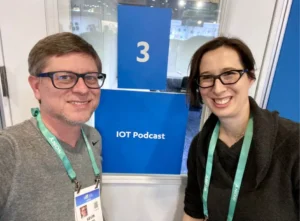
The Internet of Things Podcast, a cornerstone of technology journalism within the connected device ecosystem, has officially concluded its eight-year broadcast run with the release of Episode 437. Hosted by veteran technology journalist Stacey Higginbotham, the program has served as a primary chronicle of the industry’s evolution from a niche hobbyist market into a multi-billion-dollar global sector. The final episode departs from the traditional news-heavy format to provide a retrospective on the industry, a discussion on the future of ambient computing, and a curated list of resources for the community that has followed the show since its transition to a full-time production in 2016.
The Evolution of the IoT Landscape: 2015 to 2023
The cessation of the podcast comes at a pivotal moment for the Internet of Things (IoT). When the show began its full-time trajectory in 2016, the smart home and industrial IoT sectors were characterized by extreme fragmentation. Early adopters were forced to navigate a landscape of competing protocols, including Zigbee, Z-Wave, and various proprietary Wi-Fi and Bluetooth solutions.
Over the course of 437 episodes, the program documented the rise and fall of various platforms, the acquisition of startup pioneers by tech giants, and the eventual move toward industry-wide standardization. The timeline of the show mirrors the development of the "Matter" protocol—a collaborative effort by Apple, Google, Amazon, and the Connectivity Standards Alliance (CSA)—designed to solve the interoperability issues that have long hindered consumer adoption.
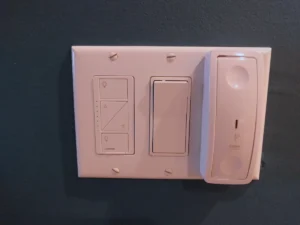
In the final broadcast, Higginbotham and her frequent collaborators noted that the industry is shifting from a "gadget-centric" phase to an "infrastructure-centric" phase. This transition is evidenced by recent market entries such as Leviton’s second-generation smart circuit breakers and whole-home energy monitors. These products suggest that the value of IoT is moving behind the walls and into the core electrical and mechanical systems of the home, rather than remaining limited to standalone smart bulbs or speakers.
Guest Analysis: Jennifer Pattison Tuohy on Matter and Business Models
The final episode featured Jennifer Pattison Tuohy, a prominent smart home reporter from The Verge. Tuohy, who has covered the sector for nearly a decade, provided a critical assessment of the current state of Matter. While Matter was initially hailed as a panacea for the smart home, its rollout has been met with technical hurdles and slow implementation by some hardware manufacturers.
Tuohy and Higginbotham discussed the necessity of sustainable business models for connected device companies. The historical model of "sell the hardware once and support the cloud services forever" has proven financially untenable for many startups, leading to a wave of bricked devices and discontinued services over the last eight years. The conversation highlighted a shift toward subscription services and the importance of local control—features that allow devices to function even if a parent company goes bankrupt.
The discussion also touched upon the Connectivity Standards Alliance’s future plans, including expanding Matter to support more complex device categories such as home appliances and energy management systems. Tuohy emphasized that for the smart home to reach a state of maturity, it must become "invisible," moving away from complex apps toward automated environments that anticipate user needs through sensor data and machine learning.
Critical Industry Context: The Arm IPO and Market Shifts
While the final episode focused on the legacy of the show, it occurred against the backdrop of significant shifts in the semiconductor and hardware markets. The planned Initial Public Offering (IPO) of Arm, the chip designer owned by SoftBank, represents a major milestone for the IoT industry. Arm’s architecture powers the vast majority of IoT sensors and low-power devices globally. Its valuation—estimated between $60 billion and $70 billion—serves as a barometer for the perceived value of the hardware that underpins the connected world.
Simultaneously, hardware innovation continues to refine the user interface of the smart home. The final episode noted a new display option from Brilliant, a company specializing in in-wall control panels. This reflects a broader trend toward dedicated smart home hubs that centralize control, reducing the reliance on smartphones. This "de-appification" of the home is a recurring theme in recent IoT development, as users seek more tactile and immediate ways to interact with their environments.
Curated Resources for the Post-Podcast Era
Recognizing the void left by the show’s conclusion, Higginbotham provided a comprehensive list of resources for professionals and enthusiasts to continue tracking the industry. These recommendations span various niches within the IoT spectrum:
Professional and Industrial IoT Resources
- James Blackman (RCR Wireless): For those tracking the industrial and enterprise side of connectivity, Blackman’s reporting on 5G, private networks, and industrial automation is cited as a vital resource.
- The Journal of Innovation: Published by the Industrial IoT Consortium (IIC), this publication focuses on high-level architecture and security standards for large-scale deployments.
- Axios Pro Rata: Edited by Dan Primack, this newsletter is essential for monitoring the venture capital, private equity, and M&A activity that drives the tech sector.
Consumer Smart Home and Design
- The Verge and TechHive: Both outlets provide rigorous testing of consumer hardware and deep dives into the software ecosystems of Apple Home, Google Home, and Amazon Alexa.
- The Ambient: A dedicated site focusing on the smart home, providing news and tutorials for the "Matter" era.
- Target is New: A newsletter by Iskander Smit that explores the intersection of IoT, Artificial Intelligence, and human-centric design.
Community and Audio Media
- The IoT Podcast and Mr. Beacon Show: These programs continue to provide audio-based insights, with the latter focusing specifically on the "ambient IoT" and the use of low-power Bluetooth and RFID tags.
- Reddit (r/smarthome and r/homeautomation): These forums remain the primary hubs for peer-to-peer troubleshooting and discussions on local-control platforms like Home Assistant.
Defining the "Complete" Smart Home
The final listener question addressed by the podcast asked what constitutes a "complete" smart home. The response provided a roadmap for the next generation of developers. According to the hosts, a complete smart home is not defined by the number of connected devices, but by the level of seamless integration and the presence of "contextual awareness."
This vision of the future relies on several key pillars:
- Energy Management: The ability of the home to automatically shift loads and conserve energy based on grid demand and occupancy.
- Predictive Maintenance: Using sensors in appliances and plumbing to alert homeowners to potential failures before they occur.
- Security and Privacy: A move toward on-device processing where data does not need to leave the local network to trigger automations.
- Universal Interoperability: A state where any device from any manufacturer can communicate locally and reliably.
Broader Implications of the Media Exit
The conclusion of The Internet of Things Podcast marks a symbolic shift in tech media. During the "hype cycle" of IoT (roughly 2014-2018), the industry was flooded with novelty items—smart egg trays, connected dental floss, and other superfluous gadgets. Higginbotham’s show was instrumental in filtering this noise, focusing instead on the underlying protocols, security vulnerabilities, and data privacy concerns.
As the industry enters a "utility phase," the nature of reporting is also changing. The focus is shifting from "what is possible" to "what is reliable and secure." The exit of a dedicated, long-form podcast suggests that IoT is no longer a separate, "special" category of technology but has become an integrated component of general computing, architecture, and urban planning.
The legacy of the program lies in its eight years of meticulous documentation. It provided a platform for CEOs of major tech firms, security researchers, and privacy advocates to debate the merits of a connected world. As the hosts move on to new ventures—Higginbotham has hinted at continued involvement in the tech space through different mediums—the archive of 437 episodes stands as a definitive history of the first major era of the Internet of Things.
In summary, while the podcast has ended, the industry it covered is more robust than ever. The transition from enthusiast experimentation to standardized infrastructure is nearly complete. The final message of the show—one of "goodbye and good luck"—reflects the reality that the tools for a truly connected world are now in place; it is now up to the manufacturers and consumers to build a sustainable and useful ecosystem upon that foundation.