The global technological landscape is undergoing a fundamental shift from a period defined by rapid, unchecked innovation to one characterized by the necessity of rigorous maintenance. As software becomes the primary layer through which modern life is mediated—from smart home appliances and autonomous vehicles to industrial manufacturing and newsroom verification tools—the industry is facing a crisis of sustainability. This transition into the "maintenance era" demands a reevaluation of how society values, funds, and manages the continuous upkeep required to keep digital and physical systems operational.
The Erosion of the Innovation-First Model
For the past two decades, the technology sector has operated under the "move fast and break things" mantra. This ethos prioritized the creation of new features and the rapid deployment of products over the long-term stability of existing systems. However, as the Internet of Things (IoT) matures, the limitations of this model have become apparent. Unlike traditional mechanical devices, which might degrade through physical wear and tear, software-driven devices suffer from a phenomenon known as software decay or "bit rot."
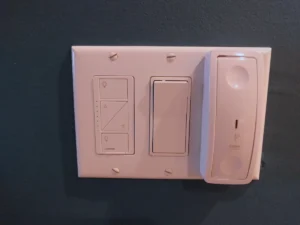
Software decay is not the physical degradation of code, but rather the loss of functionality caused by changes in the surrounding environment. This includes updates to operating systems, shifts in third-party Application Programming Interfaces (APIs), and the emergence of new security vulnerabilities. When a cloud provider changes its protocol or a service like Zapier disconnects a legacy integration, a previously functional device can become effectively useless. This state of flux creates a constant burden of maintenance that many companies and consumers are ill-equipped to handle.
The Google Paradigm and the Incentive Problem
A primary driver of the current maintenance deficit is the corporate incentive structure within major technology firms. Google serves as a frequently cited case study for this issue. Historically, Google’s internal promotion and reward systems have heavily favored employees who launch new products or features. This "innovation bias" has led to the creation of a vast portfolio of services, many of which are eventually abandoned or "deprecated" when the original developers move on to new projects.
The website "Killed by Google" currently tracks over 280 discontinued services, apps, and hardware products. This pattern of abandonment creates significant friction for users and enterprise partners who have integrated these tools into their workflows. When maintenance is not incentivized, the tools that society relies upon enter a state of decay. This cultural gap highlights a broader industry problem: innovation is seen as prestigious and profitable, while maintenance is viewed as a cost center to be minimized.
The Industrial Divide: IT vs. OT
The tension between innovation and maintenance is perhaps most visible in the industrial sector, where Information Technology (IT) meets Operational Technology (OT). In a manufacturing plant or utility facility, OT engineers prioritize "uptime" and predictability. Many of these systems are designed to last for 20 to 30 years.
When IT departments introduce modern software-driven automations into these environments, they often encounter resistance from OT staff. This "culture of no" is rooted in a historical understanding of maintenance. OT engineers recognize that every new piece of software introduces a new point of failure and a new requirement for constant updates. While IT professionals may view a weekly software patch as a routine task, OT professionals see it as a risk to the stability of a multi-million dollar production line.
The convergence of these two fields requires a new synthesis: a culture that embraces the efficiency of modern software while adopting the rigorous maintenance standards of traditional engineering.

Data and the Economic Cost of Maintenance
The economic implications of neglecting maintenance are staggering. Research from the Consortium for Information & Software Quality (CISQ) estimated that the cost of poor software quality in the United States alone reached $2.41 trillion in 2022. A significant portion of this cost is attributed to legacy system failures and the "technical debt" accumulated when maintenance is deferred in favor of new feature development.
Furthermore, industry data suggests that maintenance typically accounts for 60% to 90% of the total lifecycle cost of a software system. Despite this, venture capital and corporate budgets remain disproportionately skewed toward the initial development phase.
| Category | Percentage of Lifecycle Cost | Primary Focus |
|---|---|---|
| Initial Development | 10% – 40% | Innovation, Speed to Market |
| Ongoing Maintenance | 60% – 90% | Security, Compatibility, Optimization |
As the world moves toward a "Software-Defined Everything" model, these costs will increasingly be passed on to the consumer. This is already manifesting in the rise of subscription-based models for products that were previously one-time purchases. For example, smart home companies and automotive manufacturers are increasingly charging monthly fees to ensure that the software powering their hardware remains updated and secure.
The Labor Force and the Requirement for Continuing Education
The shift toward a maintenance-heavy economy also necessitates a transformation in the workforce. In the same way that medical professionals and attorneys are required to undergo continuing legal or medical education (CLE/CME), tech-adjacent professions must now adopt an ethos of continuous learning.
This requirement extends beyond developers to journalists, educators, and administrative professionals. For instance, as generative AI becomes integrated into newsrooms, journalists must not only learn how to use these tools but also how to maintain verification protocols as deepfake technology evolves. This is not a one-time training session but a permanent state of adaptation.
However, the burden of this adaptation cannot fall solely on the employee. For the maintenance era to succeed, businesses must treat "play" and "learning time" as productive work. If employees are expected to manage the entropy of the tools they use, they must be given the scheduled hours to do so without sacrificing their primary output.
Chronology of the Shift to Maintenance
The transition from the era of innovation to the era of maintenance has occurred in several distinct phases:
- The Growth Phase (1990s – 2010): Focus on expanding internet access and digitizing basic services. Software was often "finished" upon release (e.g., boxed software).
- The Cloud/SaaS Phase (2010 – 2018): Shift to "Software as a Service." Constant updates become the norm, but the focus remains on adding new features to drive subscriptions.
- The IoT Expansion (2015 – Present): Embedding software into physical objects (cars, ovens, thermostats). The "decay" of software begins to have physical-world consequences.
- The Maintenance Realization (2023 – Future): A growing recognition that the current pace of innovation is unsustainable without a corresponding investment in upkeep. The emergence of "Right to Repair" legislation and long-term support (LTS) commitments.
Implications for the Consumer and Industry
As we move forward, the "Maintenance Era" will likely result in several structural changes to the economy:
- Explicit Expiration Dates: Companies may begin selling hardware with "software support expiration dates," similar to the "Best Before" dates on food. This provides transparency to the consumer about how long a device will remain functional.
- The Rise of the "Maintainer" Role: Within organizations, the role of the maintainer—someone dedicated to managing technical debt and ensuring system longevity—will gain prestige and pay parity with "innovators."
- Regulatory Oversight: Governments may intervene to mandate minimum support periods for connected devices, preventing companies from "bricking" hardware through software neglect.
- Subscription Saturation: Consumers will face "subscription fatigue" as more products require ongoing payments for maintenance. This may lead to a secondary market for "offline" or "dumb" appliances that do not require software updates to function.
The era of constant innovation has provided the world with unprecedented tools and efficiencies, but it has also created a fragile digital infrastructure. To ensure that these advances remain viable, the global economy must pivot toward a mindset that values the person who fixes the bridge as much as the person who designed it. Maintenance is no longer a background task; it is the fundamental work of the 21st century. As software continues to eat the world, the world must learn how to keep that software running.