TikTok has officially entered a new phase of its e-commerce evolution by launching a standalone TikTok Shop application across four distinct international markets. First spotted by social media consultants on iOS and Android app stores, the dedicated shopping platform has quietly rolled out in Singapore, Malaysia, Thailand, and the Philippines. This strategic pivot moves TikTok’s rapidly expanding retail operations away from being merely a feature embedded inside a social media feed, granting digital commerce its own dedicated space on mobile device home screens.
The launch signifies a major scaling up of the company’s commercial ambitions. For years, the platform has successfully blurred the lines between entertainment and retail, allowing users to purchase items directly from makeup tutorials, cooking videos, and creator recommendations. By introducing a dedicated application, TikTok is aiming to capture intentional shopping behavior, directly challenging established e-commerce giants and retail disruptors when consumers are actively in the mood to browse and buy.
Core Features and Early Market Metrics
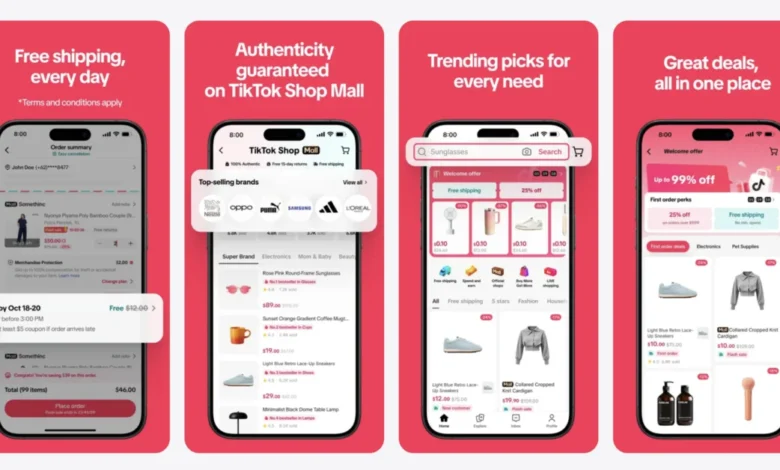
According to official listings on the Apple App Store and Google Play Store, the standalone TikTok Shop application mirrors the seamless transactional elements users have come to expect from modern e-commerce platforms, while retaining the dynamic, media-driven discovery tools native to TikTok. The application features personalized product recommendations, a continuous stream of short-form product videos, integrated livestream shopping, streamlined checkout processes, real-time order tracking, and 24/7 customer support.

To accelerate user acquisition and drive initial engagement, the platform has introduced aggressive promotional incentives. Early adopters in the launch markets are greeted with app-exclusive deals, targeted free shipping promotions, and lucrative first-order discounts.
Data from application marketplaces indicates early traction for the newly minted platform. On the Google Play Store, the application has already surpassed 50,000 downloads, while its Singapore Apple App Store listing positions it at No. 71 within the highly competitive shopping category. Regular deployment of updates—such as iOS version 45.5.5, which rolled out shortly before public discovery—indicates that developers are actively stabilizing and refining the software architecture to handle escalating transaction volumes.
Corporate Structure and Jurisdictional Nuances
The rollout highlights the complex operational frameworks governing TikTok’s global footprint. App Store metadata for the Singapore release identifies TikTok Pte. Ltd. as the provider. This corporate entity remains separate from the TikTok USDS Joint Venture, which manages application operations, data security, content moderation, and recommendation algorithms specifically within the United States.
While the U.S. joint venture handles domestic security and regulatory compliance, TikTok’s broader global commercial activities—including e-commerce and international monetization strategies—continue to be managed through its international corporate channels. As of publication, TikTok has not officially commented on whether this standalone shopping application will eventually make its way to Western markets, including the United States, leaving industry analysts to speculate on a broader global rollout timeline.

The Broader Strategy: Moving from Feed to Ecosystem
The debut of a standalone shopping application is not an isolated experiment; rather, it forms a cornerstone of TikTok’s aggressive diversification strategy. Over the past year, the company has methodically built entire standalone services and specialized ecosystems rooted in habits initially formed within its core video-sharing feed.
This ecosystem expansion includes several high-profile initiatives:
- TikTok GO: Launched earlier in the year, this travel and leisure feature allows adult users in select markets to seamlessly book hotel accommodations, local tours, and attractions directly through partnerships with major platforms like Booking.com, Expedia, and Viator. Creators can embed direct booking links into their travel vlogs, turning aspirational travel content into actionable itineraries.
- Must Eat: A localized restaurant guide covering metropolitan areas such as New York City, Los Angeles, and the San Francisco Bay Area. Aggregated from tens of millions of user posts, reviews, and comments, Must Eat organizes food recommendations into searchable directories with integrated OpenTable reservation capabilities.
- PineDrama: Demonstrating that the platform’s ambitions extend beyond retail and travel, this standalone entertainment service aggregates short-form drama series into a dedicated app featuring personalized recommendations and serialised episode navigation.
These calculated expansions demonstrate a cohesive corporate thesis: TikTok is systematically identifying high-engagement user habits within its primary social feed and constructing dedicated, single-purpose software solutions around them. The standalone TikTok Shop application represents the most financially significant test of this philosophy to date.
Market Implications and Competitive Landscape
The launch of a dedicated retail application places TikTok in direct competition with entrenched e-commerce behemoths like Amazon, as well as fast-growing cross-border discount platforms such as Temu and Shein. Historically, users opened social media platforms for entertainment and discovery, migrating to dedicated retail applications only when ready to make a purchase. By bridging this gap, TikTok previously capitalized on impulse buying triggered by viral video content.

However, a standalone shopping app alters consumer psychology. Users who open the TikTok Shop application are no longer passively consuming dance trends or comedy sketches; they are entering with explicit commercial intent. This shifts the competitive battleground. Instead of relying purely on algorithmic serendipity within a social feed, TikTok must now compete on logistics, shipping speeds, customer service reliability, merchant variety, and competitive pricing.
Industry observers note that Southeast Asia serves as an ideal testing ground for this concept. The region boasts a digitally native, mobile-first population with high rates of social commerce adoption and robust digital payment infrastructure. Success or failure in Singapore, Malaysia, Thailand, and the Philippines will likely dictate whether TikTok attempts to export the standalone retail model to Europe and North America, where regulatory scrutiny and entrenched retail habits present unique hurdles.
As the retail landscape continues to shift toward integrated social and digital shopping experiences, TikTok’s latest move underscores its ambition to control the entire consumer journey—from the first moment of visual discovery to the final click of checkout. Whether consumers will willingly adopt a separate application dedicated entirely to commerce remains to be seen, but the infrastructure is now officially in place to find out.