Garmin Launches CIRQA Screenless Fitness Band to Compete in High-End Wellness Tracking Market Without Subscription Fees


Garmin, a global leader in GPS navigation and wearable technology, has officially announced the launch of the CIRQA, a screenless fitness tracker designed for users who prioritize deep health insights without the distractions of a traditional smartwatch display. Announced on July 21, the CIRQA enters a burgeoning market of "quiet" wearables, emphasizing a minimalist aesthetic and a focus on long-term wellness metrics. Priced at $199, the device is scheduled to become available for purchase through Garmin’s official channels and authorized retailers on July 24. The introduction of the CIRQA marks a significant strategic pivot for Garmin, as it directly challenges competitors who often require ongoing monthly subscriptions for access to advanced physiological data.
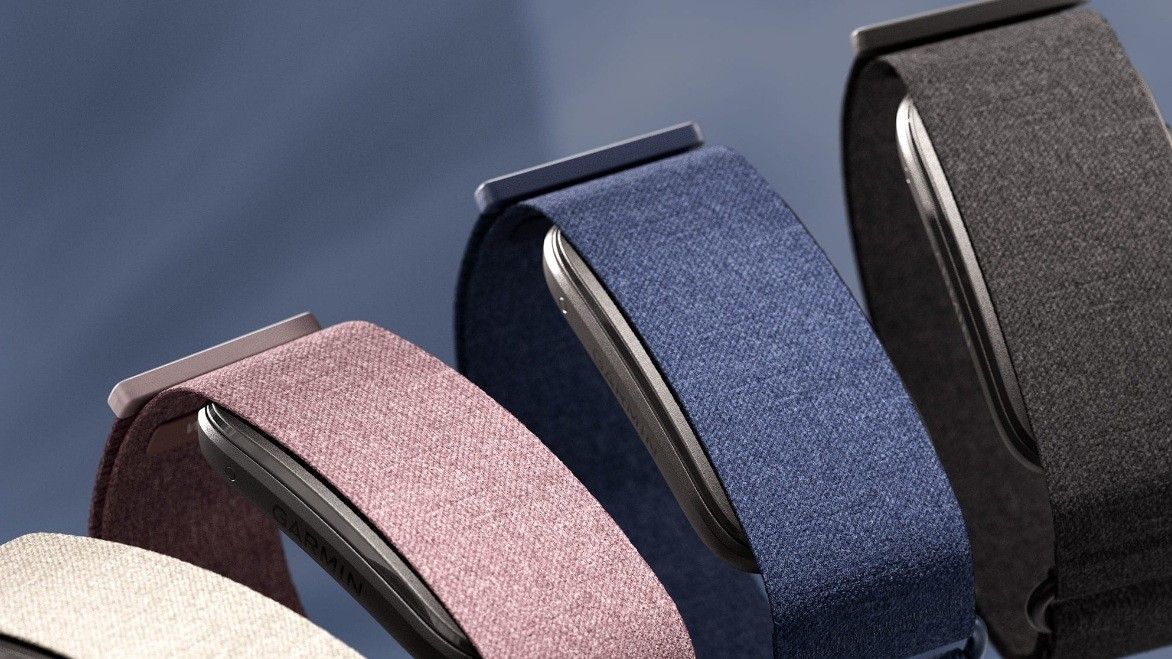
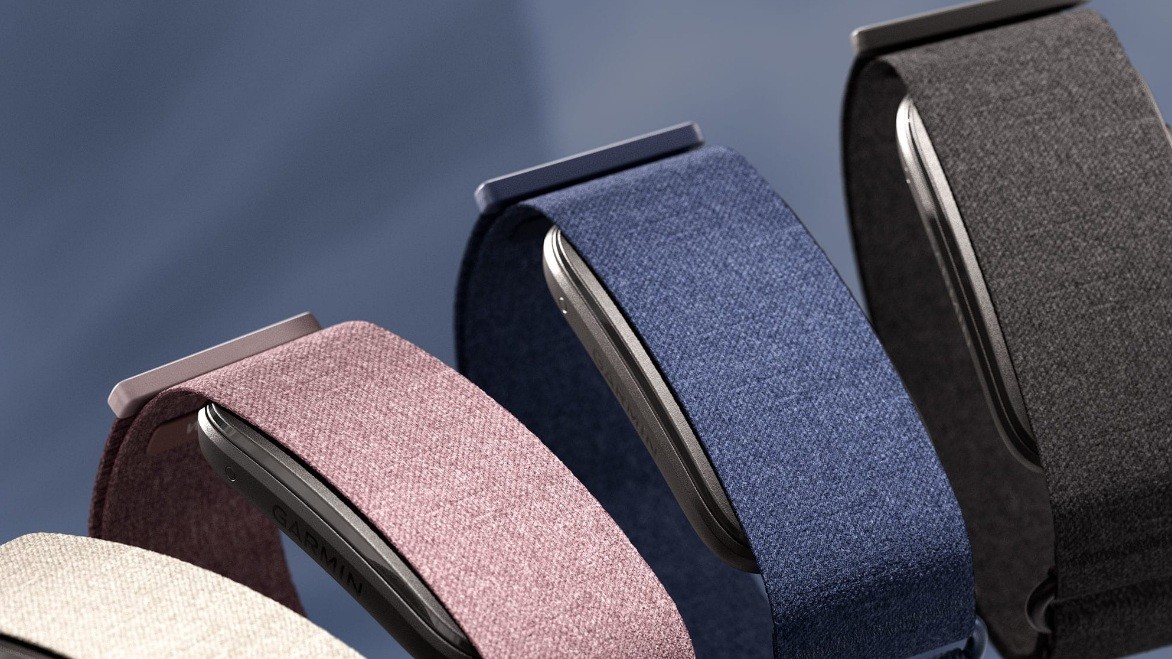
The CIRQA is characterized by its inconspicuous, fabric-based design, allowing it to blend seamlessly with everyday attire or athletic gear. By removing the screen, Garmin aims to provide a device that tracks 24/7 health metrics without the constant notifications, pings, and blue-light exposure associated with modern smartwatches. This "distraction-free" philosophy is central to the product’s identity, catering to a demographic of athletes and wellness enthusiasts who prefer to analyze their data during dedicated review sessions via the Garmin Connect app rather than in real-time on their wrist.
A Strategic Shift Toward Minimalist Wearables
The wearable technology industry has seen a distinct bifurcation in recent years. While one segment of the market continues to push for larger, brighter displays and more smartphone-like functionality, a second, rapidly growing segment is moving toward "invisible" technology. Devices like the Oura Ring and the WHOOP strap have demonstrated a strong consumer appetite for high-fidelity data collection paired with a low-profile form factor.
Garmin’s entry into this space with the CIRQA is a calculated move to capture users who find traditional smartwatches too bulky for sleep or too distracting for mindfulness and focused training. The CIRQA is designed to be worn either on the wrist or as an armband, providing flexibility for different types of movement. The device is available in a variety of neutral and "fun" colorways, including Citron Gray, Mauve, French Gray, Dark Olive, Captain Blue, French Blue, and classic Black. This aesthetic variety underscores Garmin’s intent to position the CIRQA as a lifestyle accessory as much as a piece of high-performance athletic equipment.
Technical Specifications and Health Monitoring Capabilities
Despite its lack of a visual interface, the CIRQA is packed with Garmin’s most advanced sensor arrays. The device features an optical heart rate sensor, a Pulse Ox sensor for blood oxygen saturation monitoring, and a skin temperature sensor. These hardware components work in tandem to provide a comprehensive overview of the user’s physiological state.
One of the standout features of the CIRQA is its ability to track over 80 different activities, ranging from standard exercises like running and cycling to more specialized practices such as yoga and HIIT. The device employs automatic activity detection, meaning it can recognize when a user has started a walk or a run without manual intervention. However, for those who want to ensure specific sessions are logged accurately, a single side button allows users to manually trigger their "favorite" activity tracking.
The inclusion of skin temperature monitoring is particularly noteworthy. While many wearables use this data for general wellness, Garmin utilizes it to enhance its women’s health features. By tracking skin temperature during sleep, the CIRQA provides more accurate predictions for menstrual cycles and estimates for past ovulation windows. This puts the CIRQA on par with high-end health trackers that marketed these features as primary selling points over the last two years.
The Subscription-Free Advantage
Perhaps the most disruptive aspect of the CIRQA’s launch is Garmin’s commitment to a "no subscription required" model. In the current wearable landscape, many manufacturers have moved toward a "hardware-as-a-service" model. For instance, WHOOP requires a monthly membership to use its device, and Fitbit (under Google) gates several advanced analytics behind a Fitbit Premium paywall.
Garmin’s Vice President of Consumer Sales and Marketing, Susan Lyman, highlighted this distinction during the product announcement. Lyman noted that the CIRQA offers a complete suite of health and fitness goals without the burden of recurring costs. This transparent pricing model—a one-time $199 investment—is likely to appeal to budget-conscious consumers and those who are experiencing "subscription fatigue." By providing the full power of the Garmin Connect ecosystem for free, Garmin leverages its existing software infrastructure to provide a value proposition that is difficult for smaller startups to match.
Advanced Training and Recovery Metrics
For the serious athlete, the CIRQA offers insights that go beyond simple step counting. The device tracks Heart Rate Variability (HRV) status and VO2 Max, two of the most critical metrics for assessing cardiovascular fitness and autonomic nervous system balance. These data points feed into Garmin’s "Body Battery" energy monitoring system, which gives users a real-time estimate of their energy reserves throughout the day.
Recovery is a major focus of the CIRQA. The device analyzes sleep stages (light, deep, and REM) and provides a sleep score based on the quality of rest. It also includes nap detection, ensuring that daytime recovery is accounted for in the user’s overall readiness score. By understanding recovery time requirements after a workout, users can avoid overtraining and optimize their performance.
For outdoor enthusiasts, while the CIRQA does not have built-in GPS—likely to preserve its slim profile and battery life—it supports "Connected GPS." This allows the band to utilize the GPS signal from a paired smartphone to record accurate pace, distance, and mapping data during outdoor runs, walks, or bike rides.
Chronology of Garmin’s Evolution
The release of the CIRQA is the latest step in Garmin’s decades-long evolution. Founded in 1989 as ProNav, the company initially focused on GPS units for aviation and marine use. It wasn’t until the mid-2000s that Garmin became a household name in the fitness world with its Forerunner series.
- 2003: Launch of the Forerunner 101, one of the first GPS trainers for runners.
- 2014: Entry into the lifestyle fitness market with the Vivofit band, featuring a one-year battery life.
- 2015-2020: Expansion into high-end multisport watches (Fenix series) and health-focused smartwatches (Venu series).
- 2022-2023: Integration of advanced recovery metrics and AMOLED displays across the flagship lines.
- July 21, 2024: Announcement of the CIRQA, the company’s first high-end screenless band, signaling a return to minimalist hardware powered by sophisticated software.
This timeline shows a clear trajectory: Garmin has mastered the art of the "everything" watch and is now confident enough in its data processing capabilities to strip away the hardware interface entirely, trusting that the quality of the data will keep users engaged within the Garmin Connect app.
Market Implications and Analysis
The CIRQA is entering a market that is increasingly crowded but also increasingly standardized. By offering a screenless device at the $199 price point, Garmin is positioning itself between the low-cost basic trackers (like the Xiaomi Mi Band) and the high-end subscription-based recovery trackers.
From an industry perspective, the CIRQA represents a threat to the "membership" model of fitness tracking. If Garmin can prove that users are willing to pay a higher upfront cost for a device that offers permanent access to their data, it may force other companies to reconsider their pricing structures. Furthermore, the CIRQA strengthens Garmin’s ecosystem. Users who start with a CIRQA may eventually graduate to a Forerunner or Fenix watch as their athletic needs evolve, all while keeping their historical data in the same Garmin Connect account.
There is also a significant data privacy implication. Garmin’s business model remains centered on hardware sales rather than data monetization or recurring service fees. For privacy-conscious users, the idea of a one-time purchase from a legacy company with a robust infrastructure may be more appealing than sharing sensitive health data with smaller startups whose long-term stability or data-handling practices may be less certain.
Conclusion and Future Outlook
The Garmin CIRQA is more than just a fitness band; it is a statement on the current state of digital wellness. By choosing to omit a screen, Garmin is acknowledging that for many, the "always-on" nature of modern life is a hurdle to true health. The device offers a compromise: the power of 24/7 physiological monitoring without the psychological weight of another screen to manage.
As the device hits shelves on July 24, the tech community will be watching closely to see if Garmin’s "no subscription" gamble pays off. If successful, the CIRQA could pave the way for a new generation of Garmin wearables that prioritize biological data over digital connectivity, further cementing the company’s status as the primary architect of the modern fitness tracking landscape. With its blend of advanced sensors, aesthetic flexibility, and a consumer-friendly pricing model, the CIRQA is poised to become a formidable player in the quest for a more balanced relationship between technology and personal health.