The launch of the iPhone Duo marks a significant shift in Apple’s hardware design philosophy, moving away from the decade-long dominance of Face ID in favor of a side-mounted Touch ID sensor. While the biometric shift has sparked debate among long-time enthusiasts, Apple has provided a sophisticated workaround for those who prefer a more frictionless authentication experience: the Unlock with Apple Watch feature. By leveraging the proximity-based security of the Apple Watch, users can bypass the physical side button requirement, creating an experience that closely mimics the convenience of traditional facial recognition while maintaining high-security standards.
The Biometric Evolution of the iPhone Duo
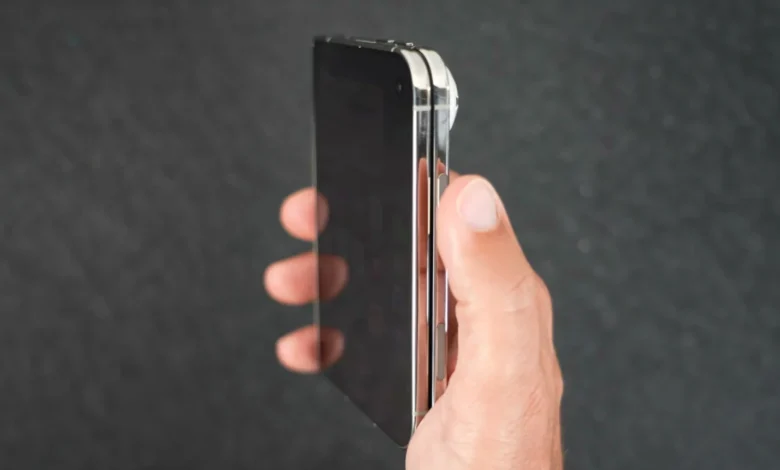
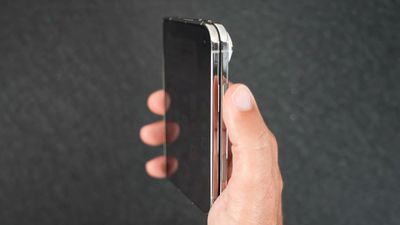
Since the introduction of the iPhone X in 2017, Apple’s flagship devices have primarily relied on Face ID, a complex system of infrared sensors, flood illuminators, and dot projectors housed within the display notch or Dynamic Island. The transition to the iPhone Duo—a device that prioritizes a new form factor—has necessitated a return to Touch ID. However, this is not the Home Button of the past; it is an integrated sensor located directly within the side power button.
For many users, the tactile requirement of reaching for the side button represents a departure from the "glance-and-go" convenience of modern iPhones. Recognizing this, Apple has integrated the "Unlock with Apple Watch" functionality into the core of the iPhone Duo’s operating system. This feature acts as a bridge, allowing the authenticated state of the watch on the user’s wrist to serve as a secondary factor for unlocking the phone, provided the devices are in close proximity.
Hardware Requirements and System Compatibility
To utilize this feature, users must ensure their hardware meets specific technical thresholds. The "Unlock with Apple Watch" functionality is not backward compatible with older wearable models due to the requisite security protocols and chipsets required for secure communication between devices.
Supported models include the Apple Watch Series 9 and later, the Apple Watch Ultra 2 and later, and the Apple Watch SE 3. These models contain the necessary Secure Enclave technology to handle the handshake protocol between the watch and the iPhone Duo. Furthermore, both devices must be updated to the latest iteration of their respective operating systems to ensure that the Bluetooth and Wi-Fi handoff protocols are functioning correctly.
Configuring Your Devices for Seamless Access
Activating this feature requires a specific sequence of settings adjustments to ensure that the security handshake is properly initialized. To enable the feature, navigate to the "Settings" application on your iPhone Duo. From there, locate the "Face ID & Passcode" or "Touch ID & Passcode" section. Within this menu, scroll down until you reach the "Unlock with Apple Watch" sub-heading.
Once you select your paired Apple Watch from the list, the system will prompt you to confirm your identity via your passcode. After the feature is toggled to the "On" position, the iPhone Duo will begin monitoring for the presence of your authenticated watch. It is essential that the watch is on your wrist, unlocked, and that you have a passcode enabled on the wearable itself. If these conditions are not met, the iPhone will default back to requesting a fingerprint scan via the side button, ensuring that unauthorized users cannot gain access to your data.
Chronology of the iPhone Duo Launch
The rollout of the iPhone Duo has been characterized by intense market anticipation and logistical challenges. Following the announcement event, the company initiated a high-pressure pre-order campaign. However, industry analysts and supply chain observers noted that the production ramp-up for the new hardware was significantly more complex than previous generations.
On October 17, 2026, reports surfaced that Apple retail staff were formally instructed to manage customer expectations regarding in-store availability. Internal memos circulated within retail teams suggested that walk-in inventory for the launch date of October 23, 2026, would be virtually non-existent. This prompted a wave of concern among consumers who had not secured a pre-order in the initial window.
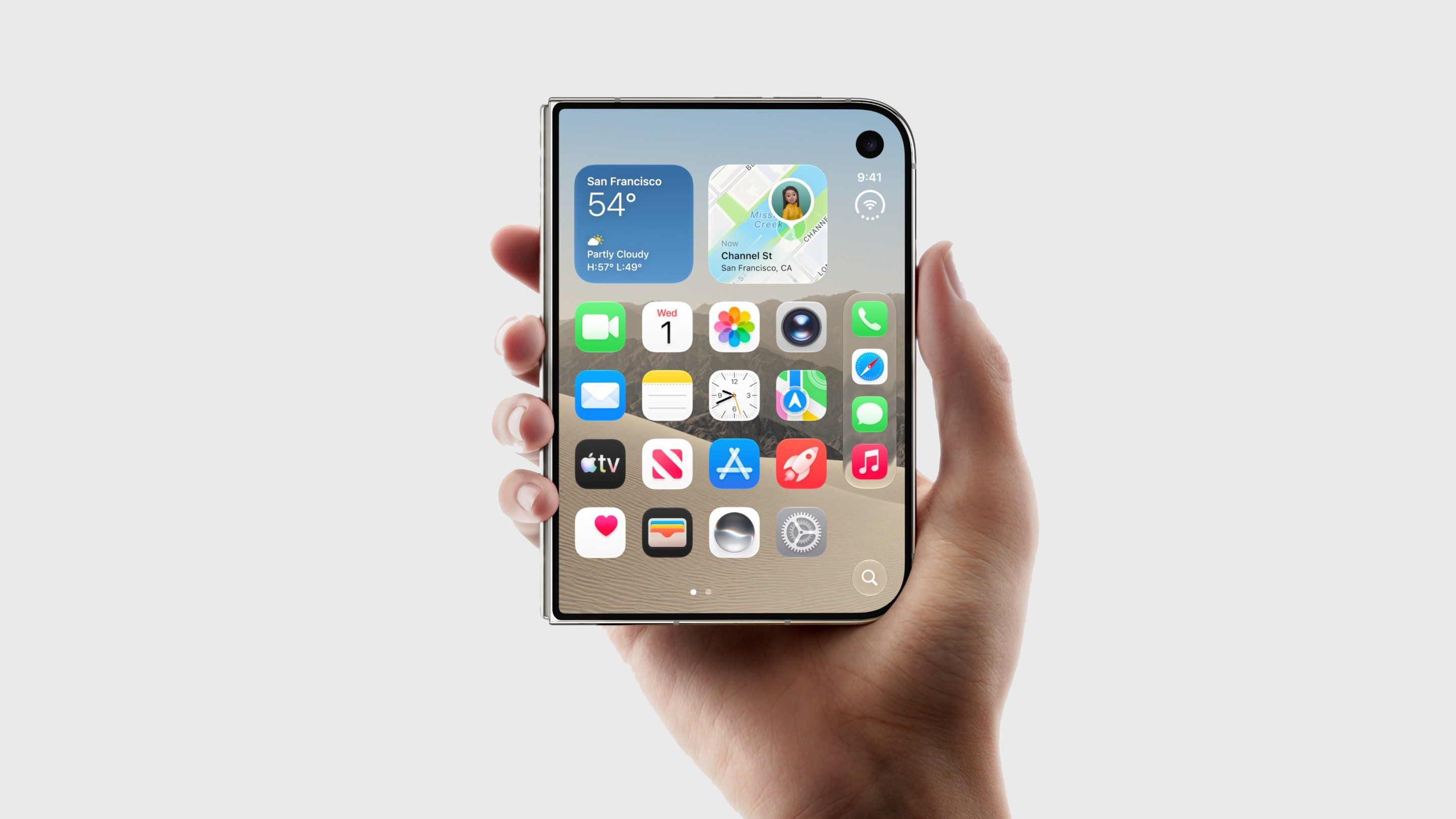
By October 20, the company moved to bolster consumer confidence by showcasing the integration of core applications on the new hardware. Screenshots released to the App Store highlighted how native software adapts to the Duo’s unique display dimensions, particularly in landscape orientation. Despite these marketing efforts, analysts like Mark Gurman of Bloomberg publicly criticized the company’s decision to move forward with the pre-order launch while facing "severe supply constraints," describing the move as a major tactical error that could damage brand perception during a high-profile release.
Technical Implications and Security Analysis
The decision to rely on an external wearable to facilitate phone unlocking is a calculated move that balances user experience with data integrity. From a security perspective, the "Unlock with Apple Watch" feature utilizes a cryptographic handshake. When the iPhone Duo detects a "wrist-detection" signal from the watch, it sends a encrypted challenge-response packet. If the watch verifies that it is currently being worn and is unlocked, it returns a cryptographic token that unlocks the iPhone.
This process is inherently more secure than simple proximity sensing. Because the watch itself requires a passcode to be entered once it is placed on the wrist, the iPhone Duo remains protected even if the phone and watch are separated from the user. If the watch is removed, the unlock feature automatically disables itself until the watch is unlocked again, providing a fail-safe mechanism that prevents unauthorized access.
Market Context and Future Outlook
The iPhone Duo arrives at a critical juncture for Apple. With hardware innovation slowing across the smartphone sector, the company is attempting to differentiate its offerings through unique form factors and ecosystem-deepening features. While the return to a side-mounted biometric sensor might feel like a regression to some, the integration with the Apple Watch suggests that the company is leaning further into the "interconnected ecosystem" strategy.
Industry experts suggest that this reliance on the watch to solve UX bottlenecks is a precursor to future under-display sensor technologies. Recent leaks and supply chain disclosures indicate that Apple is actively prototyping under-display Face ID systems for future iterations of the iPhone Duo. For the time being, however, the Apple Watch serves as a vital stopgap, providing a premium, albeit peripheral-dependent, authentication experience.
Impact on Retail and Consumer Behavior
The logistical hurdles surrounding the iPhone Duo launch have shifted the burden of customer service onto Apple Store employees. The directive to discourage walk-ins is an attempt to mitigate long queues and potential dissatisfaction on launch day. However, this strategy risks alienating the "early adopter" demographic that typically lines up at retail locations.
Retail staff have been trained to guide customers toward the online pre-order system, emphasizing that the device’s complex assembly requires a staggered delivery schedule. For consumers, the transition to the iPhone Duo represents a high-stakes investment. The ability to customize the unlocking experience via the Apple Watch is a significant selling point, as it transforms the watch from a mere health tracker into a central identity hub for the user’s digital life.
Conclusion
The integration of Apple Watch authentication into the iPhone Duo experience highlights the company’s commitment to refining the user experience in the face of hardware compromises. By moving the authentication process from the physical button to the wearable, Apple offers a modern solution to an age-old usability challenge. While the device’s launch has been marred by supply chain concerns and manufacturing bottlenecks, the functional synergy between the iPhone Duo and the Apple Watch remains a testament to the strength of Apple’s integrated ecosystem. As users begin to receive their devices, the "Unlock with Apple Watch" feature will likely become the standard method of interaction, providing a glimpse into a future where device authentication is handled ubiquitously across a network of personal hardware.