BenQ MA270S Review: A Studio-Quality Display Engineered for Mac Creators Without the Apple Tax

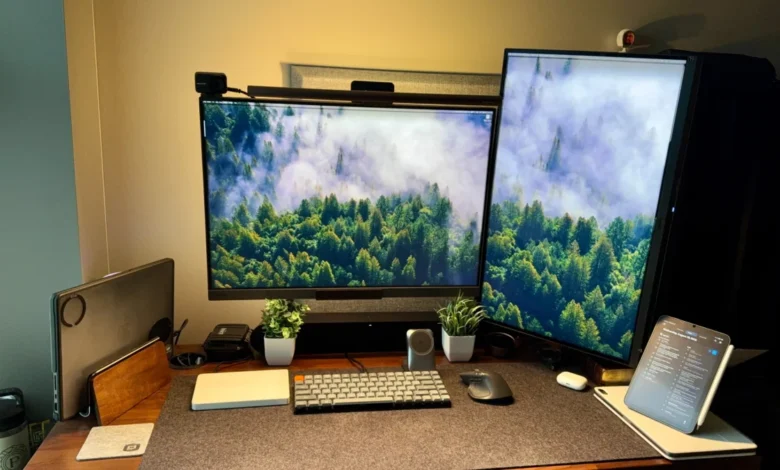
The modern digital creative workspace requires precision, ergonomic versatility, and seamless hardware integration, qualities that have historically come at a steep premium. For years, Apple’s proprietary displays have set a benchmark for color accuracy and minimalist aesthetics among macOS users, yet their prohibitive pricing has alienated a significant portion of the freelance and professional creator market. Addressing this enduring market gap, the BenQ MA270S has emerged as a compelling alternative, marrying studio-grade visual performance with robust connectivity and native macOS optimization at a fraction of the cost. Retailing for just under $1,000, this 27-inch 5K-class panel aims to challenge the industry status quo by offering features that Apple users have long requested but rarely received in a single third-party package.
Market Context and the Evolution of Mac-Centric Displays
The introduction of BenQ’s MA series represents a calculated strategic pivot toward the Apple ecosystem. While consumer monitors have traditionally catered to a generalized Windows-first architecture—often requiring cumbersome third-party utility software to control basic functions like brightness and volume—manufacturers are increasingly recognizing the distinct demands of macOS professionals. Apple’s own Studio Display, while praised for its integrated camera array, high-fidelity speakers, and flawless retina-class crispness, commands an investment that prices out many mid-tier creators, developers, and photo editors.
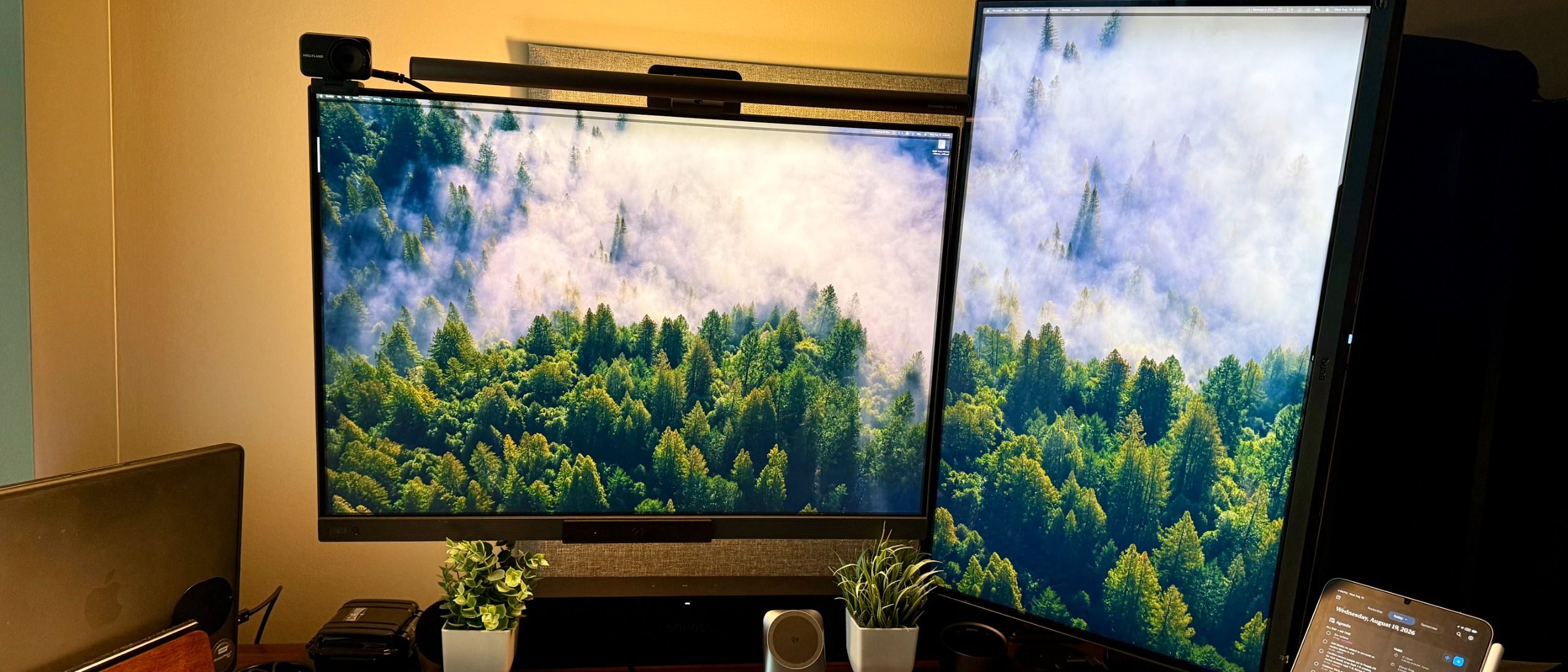
BenQ’s entry into this specialized vertical follows a steady expansion of productivity-focused displays designed to mimic the aesthetic sensibilities of modern MacBooks and iMacs. By emphasizing a high-gloss panel finish—a departure from the ubiquitous anti-glare matte coatings favored in enterprise environments—the MA270S delivers the punchy contrast, deep blacks, and exceptional text legibility that creative professionals rely on for graphic design, video editing, and complex multi-window multitasking.
Design, Build Quality, and Ergonomic Integration
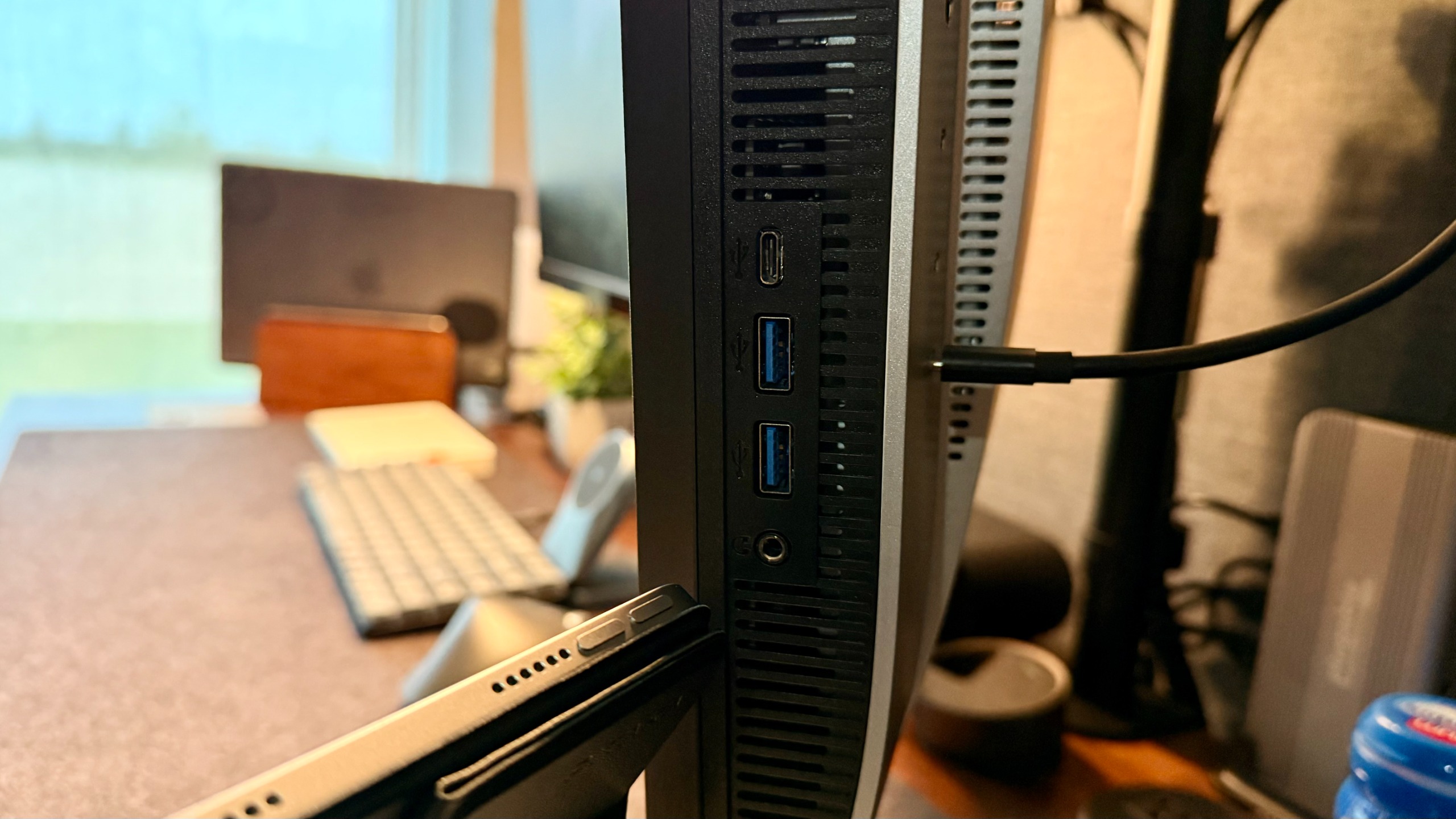
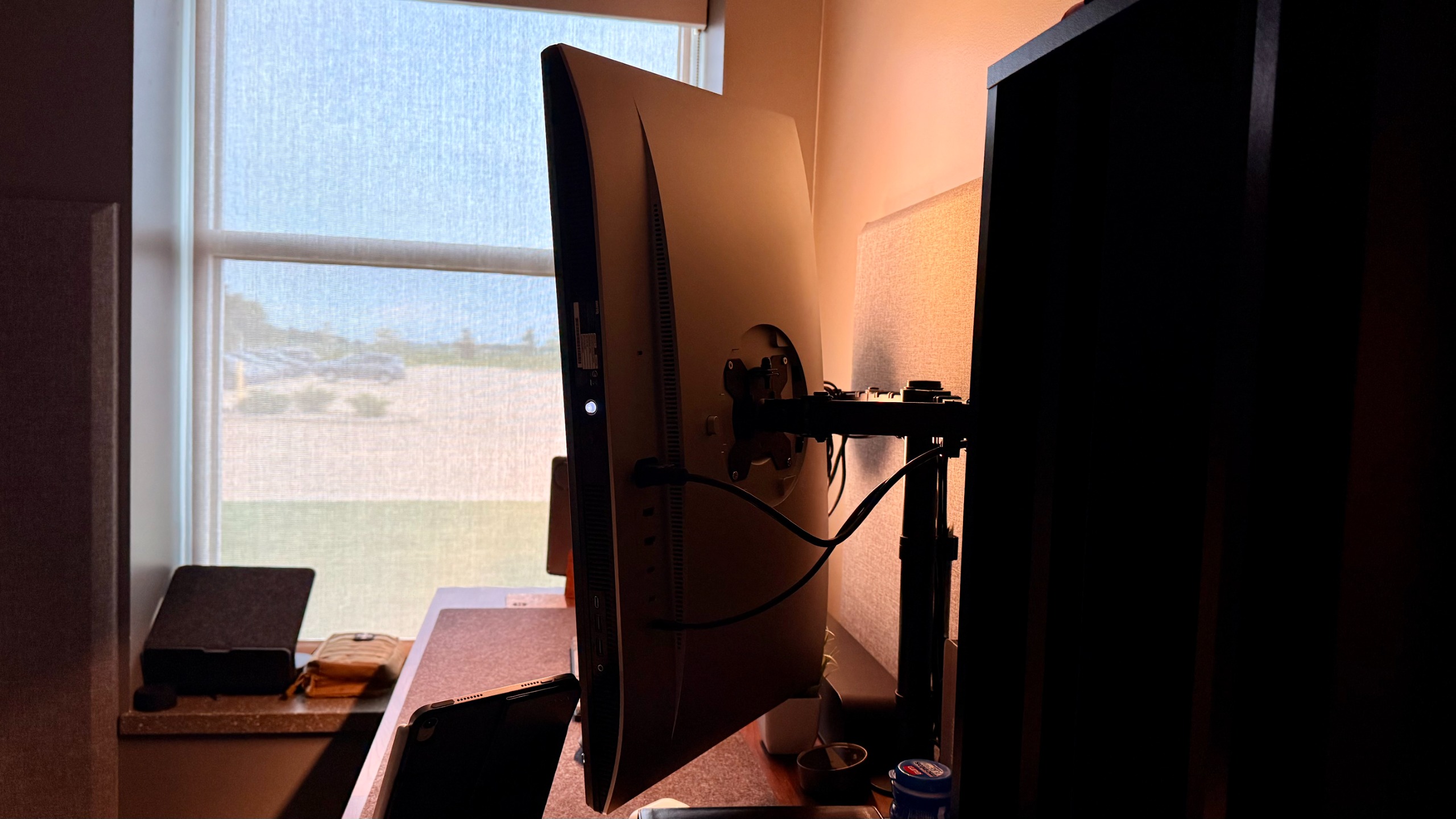
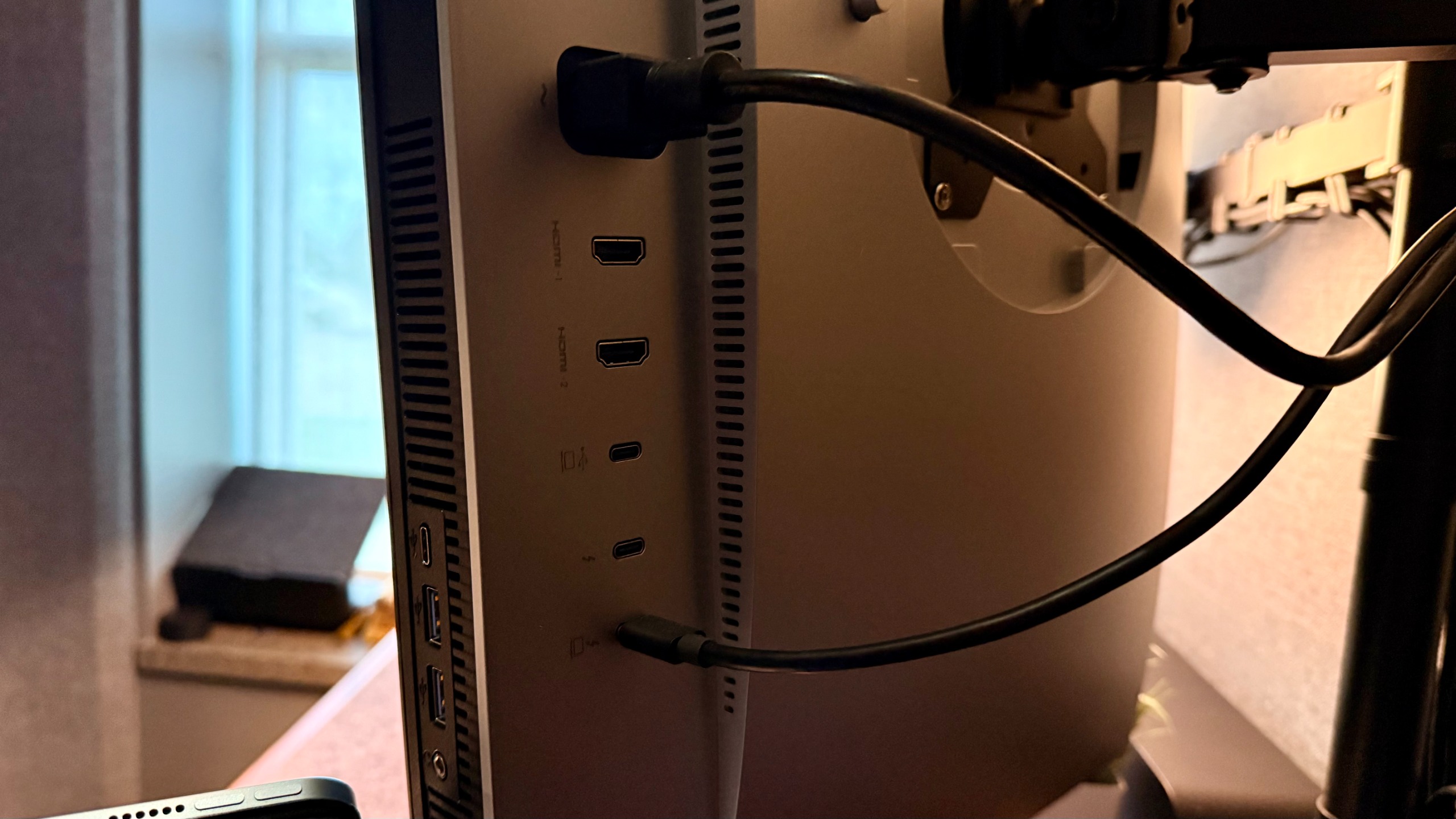
At first glance, the BenQ MA270S cuts a remarkably clean silhouette. The chassis reflects an Apple-esque design language, characterized by minimalist bezels, a sturdy structural footprint, and a high-gloss coating engineered to showcase vibrant color gamuts and sharp resolution. Unlike monitors that conceal their connectivity ports behind fragile, breakable plastic shrouds or awkward downward-facing recesses, the MA270S adopts a pragmatic engineering approach. Its input/output ports are readily accessible and oriented to prevent unsightly cable dangling, maintaining a pristine desktop aesthetic.
The monitor’s hardware ecosystem is deeply intertwined with BenQ’s DisplayPilot 2 software, which facilitates native macOS integration. This software layer enables users to adjust display parameters directly via standard Apple keyboard controls, bridging the operational gap that typically separates proprietary displays from third-party alternatives. Furthermore, the inclusion of a comprehensive array of ports—ranging from versatile USB-C and USB-A connections to standard HDMI interfaces—ensures compatibility not only with contemporary Apple Silicon MacBooks, such as the 14-inch MacBook Pro with M4 Pro chips, but also with legacy peripherals and secondary workstations.
While the integrated audio system is functional, reviewers note that its utility is largely restricted to virtual meetings or low-volume background listening, such as lo-fi streaming. For critical audio monitoring or multimedia consumption, external speakers or headphones remain a necessity.
Unboxing, Setup, and Real-World Performance
The unboxing experience reflects BenQ’s standard logistical efficiency, featuring secure, eco-conscious packaging accompanied by a complete suite of connection cables—including USB-C and HDMI—eliminating the immediate need for secondary accessory purchases.
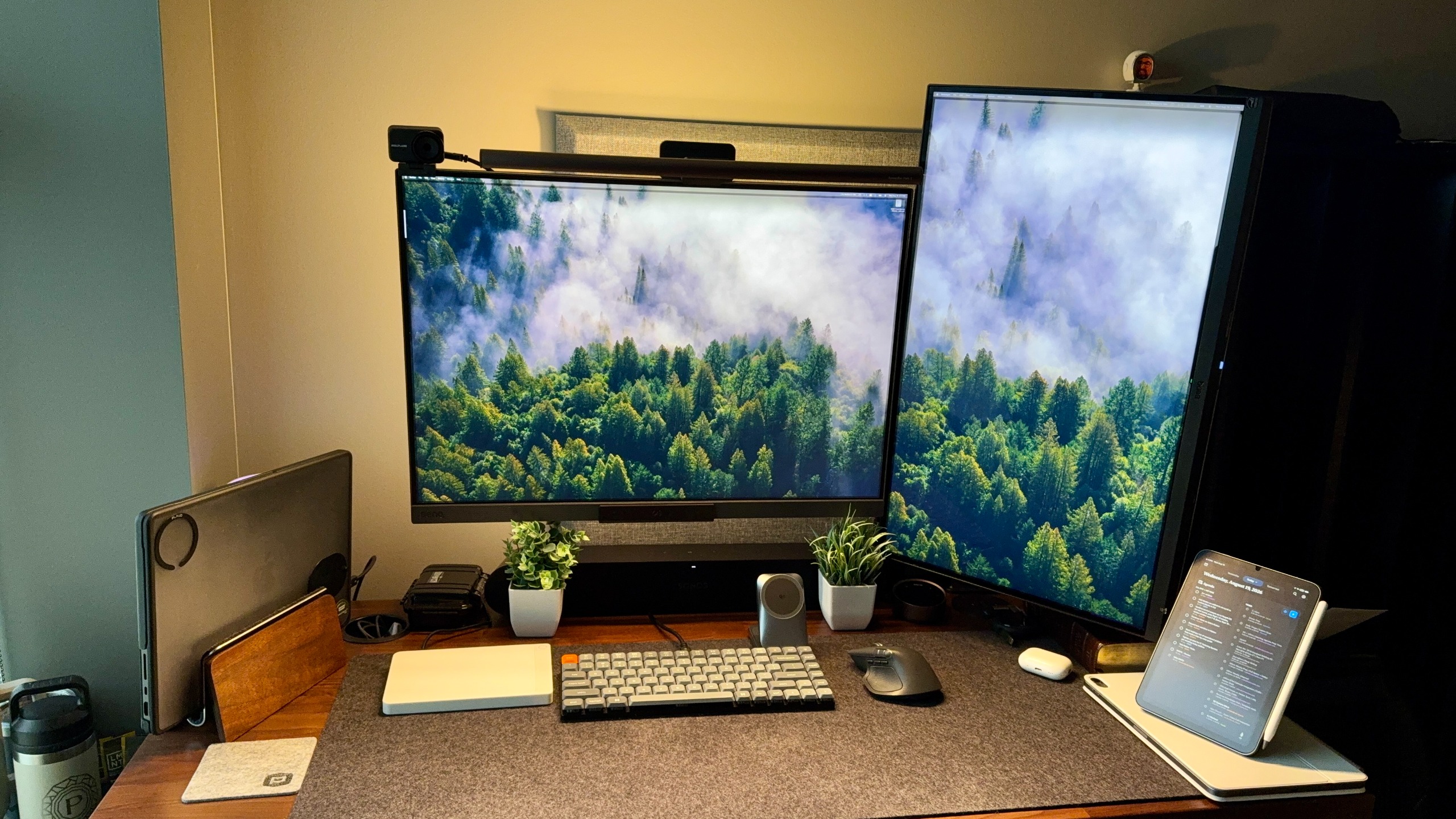
Deploying the monitor in a dual-screen professional workspace reveals its adaptability. Many creators utilize the MA270S in a vertical orientation alongside primary horizontal displays, such as BenQ’s RD series panels. Despite initial concerns regarding potential glare from nearby windows equipped with semi-transparent shades, the panel’s high-gloss finish manages ambient light effectively, preserving text clarity even when scaled down to the finest resolutions offered by macOS.
Over extended testing periods exceeding five months of continuous daily use, the MA270S has demonstrated consistent reliability. Users navigating heavy administrative workflows—simultaneously monitoring email clients, calendars, messaging applications, and project management dashboards—benefit significantly from the crisp typography and expansive screen real estate. The ability to manage peripheral connectivity through a single cable connected via a docking station further streamlines the desktop environment, reducing cable clutter and enhancing workflow efficiency.
Comparative Analysis and Industry Implications
When evaluated against competing options in the professional monitor category, the BenQ MA270S occupies a unique market niche. While Apple’s Studio Display maintains advantages in integrated webcam hardware, microphone arrays, and speaker fidelity, the BenQ panel outperforms it in versatility, peripheral connectivity, and cost-efficiency.
The inclusion of varied port types ensures that professionals who occasionally interface with non-Apple hardware are not forced to compromise their primary hardware choices. Moreover, the price point—hovering just below the threshold of $1,000—positions the MA270S as an accessible entry point for creative professionals seeking studio-level color accuracy without incurring the financial burden associated with walled-garden ecosystems. For those requiring a larger canvas, BenQ also offers the MA320UG variant, maintaining identical panel characteristics within a 32-inch form factor.
Broader Industry Impact
The commercial reception of the BenQ MA series highlights a broader trend within the hardware manufacturing sector: the dismantling of proprietary barriers through intelligent software integration and hardware refinement. As Apple Silicon continues to dominate creative industries, third-party manufacturers that successfully bridge the gap between macOS functionality and universal hardware standards are capturing substantial market share.
The BenQ MA270S proves that creators no longer need to exhaust their capital reserves to secure a reliable, high-resolution, color-accurate workspace. By delivering exceptional visual fidelity, thoughtful ergonomic design, and deep operating system synergy, BenQ has established a new benchmark for professional desktop displays, solidifying its reputation as a leading innovator in workspace technology.