Apple Opens App Store Submissions for iOS 27 and Associated Operating Systems Following Surprise and Shine Event

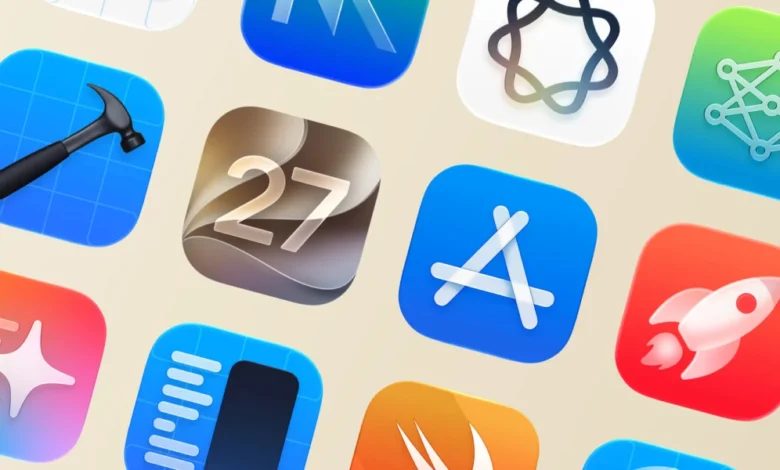
Following the conclusion of Apple’s highly anticipated Surprise and Shine event, the company has officially opened the gates for developers to submit applications optimized for its next generation of software. Developers can now utilize the Xcode 27 Release Candidate to prepare, test, and upload their apps and games tailored for iOS 27, iPadOS 27, macOS 27, tvOS 27, visionOS 27, and watchOS 27. This move signals the final countdown toward the global public release of these operating systems, which is scheduled to take place on Monday, September 14, 2026.
This development marks a critical juncture for the Apple ecosystem, as the company pushes to modernize its software stack across its diverse product lineup. With the release candidate now in the hands of the developer community, the focus shifts to ensuring that the App Store is populated with high-quality, updated software the moment the public versions of these operating systems reach user devices.
The Chronology of the 2026 Software Cycle
The path to the current milestone began earlier this year, following the traditional reveal at the Worldwide Developers Conference (WWDC). Throughout the summer, Apple cycled through a rigorous series of beta updates, gathering telemetry and feedback from a global pool of developers to refine performance, security, and battery efficiency.
The recent Surprise and Shine event served as the final curtain-raiser. During the presentation, Apple leadership showcased the stability and feature-set of the incoming software, highlighting deep integrations across the Mac, iPhone, and Vision Pro hardware. By confirming the September 14 rollout date, Apple has provided developers with a concise window of roughly one week to finalize their build submissions, ensure compliance with new privacy guidelines, and test for any last-minute regressions using the Xcode 27 Release Candidate.

macOS 27 and the End of the Intel Era
Perhaps the most significant technical directive issued by Apple alongside this release cycle is the definitive sunsetting of Intel-based Mac support within the macOS 27 ecosystem. For years, Apple has been managing a transition period, utilizing Rosetta 2 to bridge the gap between legacy Intel architecture and the custom-built Apple silicon (M-series) chips.
According to the official communication from Apple, macOS 26 was the final iteration to offer full support for Intel Mac computers. With the arrival of macOS 27, the operating system will exclusively support Apple silicon. Developers have been instructed to set their Xcode build architectures to "arm64" only. This shift represents a major milestone in Apple’s hardware strategy, which began in late 2020. By removing the overhead of maintaining legacy x86_64 code, Apple aims to further streamline system performance, improve thermal efficiency, and leverage the full potential of its unified memory architecture.
For developers, this transition requires a shift in resource allocation. The instruction to rebuild and resubmit applications as Apple silicon-native binaries is not merely a request for optimization; it is a fundamental shift in the development lifecycle for the Mac platform. Those maintaining legacy software will need to decide whether to continue support for older operating systems or move forward into the Apple silicon-exclusive future.
New Compliance Requirements and App Store Assets
Beyond the hardware transition, Apple has introduced new compliance requirements that developers must navigate to secure approval for the App Store. Central to these changes are the updated age rating protocols, specifically designed to accommodate features like Time Allowances. This feature, part of a broader push for digital wellness and parental control, requires developers to provide granular data regarding the interactive nature and content of their apps to ensure they are appropriately categorized for users of all ages.
Additionally, Apple has placed a renewed emphasis on the aesthetic and functional presentation of App Store listings. With the introduction of new product page headers and specialized search result assets, the company is encouraging developers to rethink how they capture user attention. The provision of updated design guidance and comprehensive templates is intended to help developers create high-fidelity screenshots and app previews that effectively communicate the value proposition of their software in the competitive App Store environment.

The timing of these updates is strategic. As the App Store continues to host millions of applications, the ability for a developer to differentiate their product through high-quality visual assets and clear metadata has become a primary driver of organic discovery.
Data-Driven Development: Setting the Stage for April 2027
Apple has also reaffirmed its long-term roadmap for App Store Connect. Starting in April 2027, the company will implement a new set of minimum requirements for all apps and games uploaded to the platform. While the specifics of these requirements are periodically updated, the overarching goal remains consistent: to ensure that the App Store maintains a high standard of security, performance, and compatibility.
This forward-looking guidance is a standard practice for Apple, providing developers with a multi-month lead time to adjust their build pipelines. By setting these standards well in advance, Apple prevents a sudden disruption in service for users and ensures that developers are not caught off guard by changing technical expectations.
Industry Implications and Developer Sentiment
The tech industry is closely monitoring the transition to an all-Apple-silicon macOS environment. Analysts suggest that this move will likely accelerate the obsolescence of Intel-based Macs in the enterprise sector, where software compatibility is often the primary driver for hardware refresh cycles. Organizations that rely on legacy applications that have not yet been ported to Apple silicon will face mounting pressure to modernize their internal software stacks or seek alternative solutions.
From a developer’s perspective, the transition is largely viewed as a positive, if demanding, step. The removal of the need to support multiple architectures reduces the complexity of testing and debugging. Furthermore, the ability to utilize the specific instructions sets of the Apple silicon chips allows for significant performance gains, particularly in fields such as machine learning, video rendering, and high-fidelity gaming.

Conclusion
The opening of app submissions for iOS 27 and its sibling operating systems marks the final phase of a long-term strategic plan to unify the Apple hardware and software experience. As developers finalize their submissions, the focus now turns to the public launch on September 14.
For the end-user, this transition promises a more cohesive experience, with enhanced features and improved hardware utilization. For the developer, it represents a continued push toward a more efficient, silicon-native future. As the industry looks toward the April 2027 milestones, it is clear that Apple’s focus remains on maintaining a tightly controlled, high-performance ecosystem that rewards those who lean into the latest technological standards.
Developers are encouraged to consult the official Apple Developer portal for detailed documentation, technical support, and the full list of asset requirements. By adhering to these guidelines, the developer community will ensure that the transition to the new OS versions is seamless for the hundreds of millions of users who rely on the Apple ecosystem for their daily productivity, communication, and entertainment needs.