Apple Unveils Foldable iPhone Duo and Next-Generation Hardware at Surprise and Shine Event

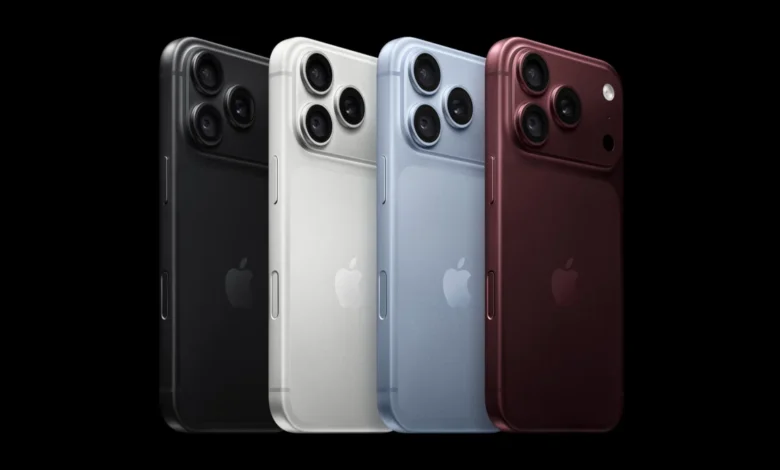
The technology landscape shifted significantly this week as Apple concluded its highly anticipated "Surprise and Shine" keynote event. Under the leadership of newly appointed CEO John Ternus, the Cupertino-based giant delivered a series of product announcements that signal a pivot toward both hardware diversification and significant iterative performance gains. The headline arrival of the foldable iPhone Duo marks a pivotal moment for Apple’s mobile strategy, ending years of industry speculation regarding the company’s entry into the foldable device category. Alongside this flagship innovation, Apple introduced the iPhone 18 Pro series, the Apple Watch Series 12, the high-end Apple Watch Ultra 4, and the fifth-generation AirPods. These product refreshes are scheduled for staggered releases throughout September and October, supported by the imminent launch of the iOS 27 and macOS Golden Gate software ecosystems.
The Dawn of the Foldable Era: The iPhone Duo
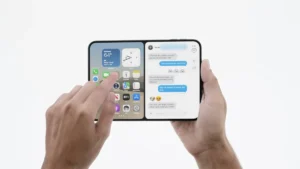
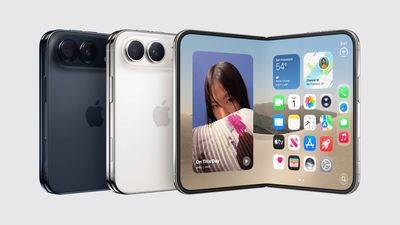
The centerpiece of the September 2026 event was the long-rumored foldable device, officially branded as the iPhone Duo. Breaking from the traditional monolithic design language that has defined the iPhone for nearly two decades, the iPhone Duo adopts a compact, folding form factor. When closed, the device functions as a traditional smartphone, maintaining the standard Apple interface; however, upon opening, it reveals an expansive interior display that approximates the screen real estate of an iPad mini.
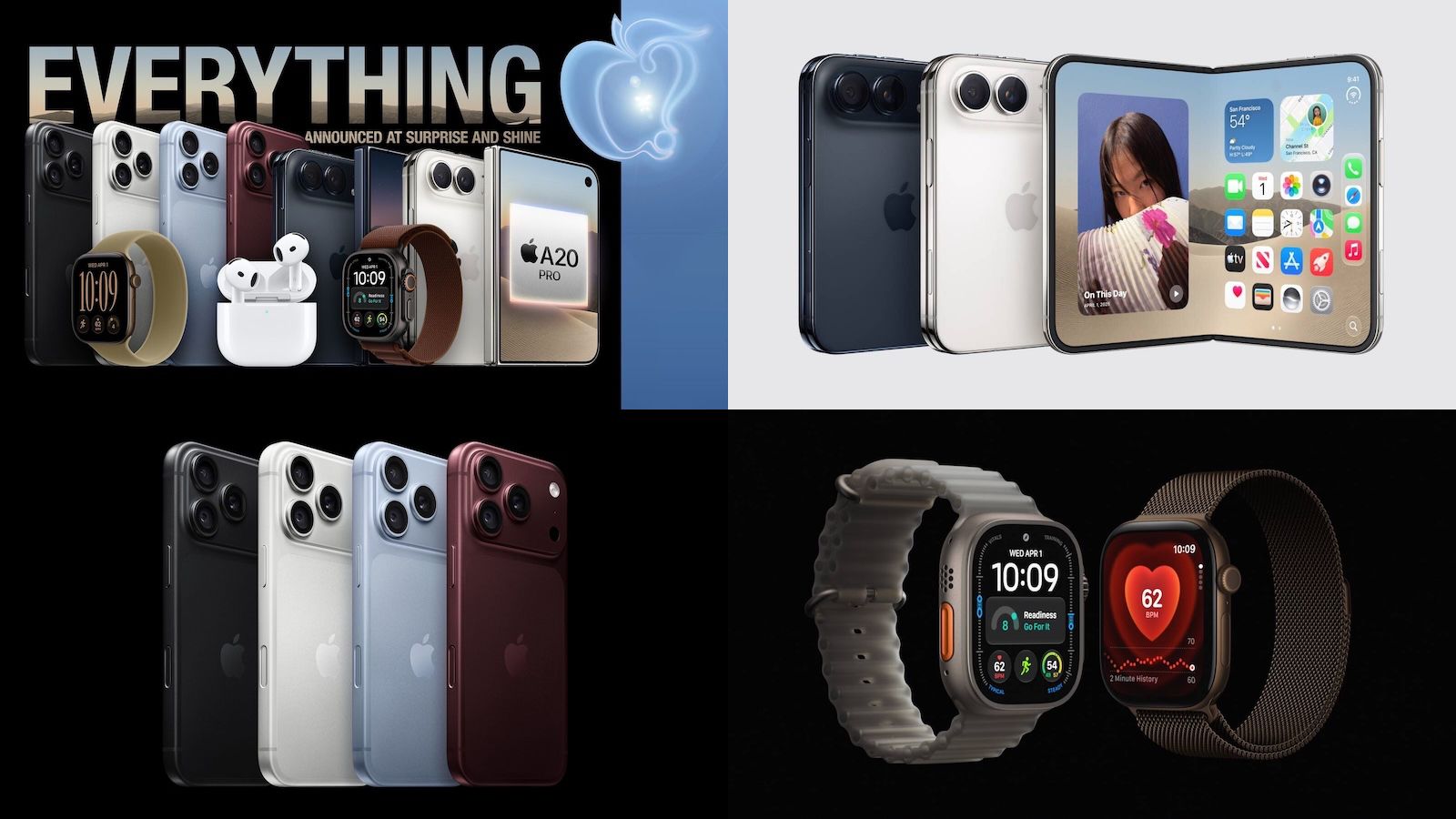
This design choice suggests an attempt to bridge the gap between pocketability and productivity. While competitors have populated the foldable market for years, Apple’s entry relies on a refined hinge mechanism and a proprietary software layer designed to transition applications seamlessly between the outer and inner displays. The device is slated for a release on October 23, with pre-orders opening on October 16. Industry analysts note that this timing allows Apple to observe the market reaction to the rest of its new hardware before fully committing to its entry into the foldable segment, potentially minimizing the impact of early-generation manufacturing risks.
The iPhone 18 Pro and Pro Max: Iterative Excellence
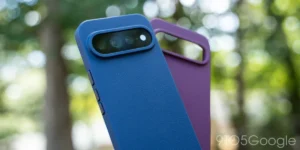
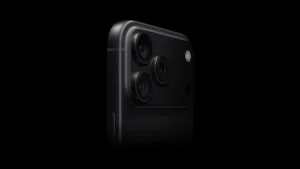
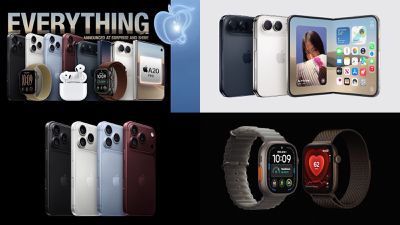
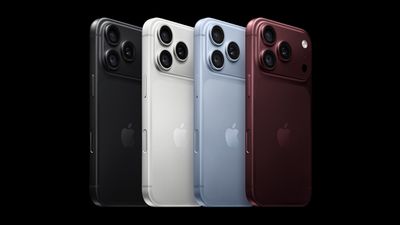
While the iPhone Duo captured the headlines, the core of Apple’s revenue remains the iPhone 18 Pro and Pro Max. These devices, which became available for pre-order immediately following the event, represent a refinement of the existing iPhone 17 design language. The most notable aesthetic change is a reduction in the size of the Dynamic Island, which now facilitates the monitoring of up to three concurrent Live Activities—a functional upgrade aimed at power users and multitaskers.
Under the hood, the transition to the A20 Pro chip represents a significant technological leap. The architecture features a 6-core CPU and a 7-core GPU, supported by a 32-core Neural Engine. However, the most critical engineering update is the inclusion of an enlarged vapor chamber cooling system. By improving thermal management, Apple claims the device can sustain peak performance for up to 40% longer than the previous A19 Pro-powered models. This is particularly relevant for high-intensity tasks, such as professional-grade video editing and complex augmented reality applications. The introduction of variable aperture technology in the main camera sensor further underscores Apple’s commitment to maintaining its position in the mobile photography segment.
Apple Watch Series 12 and Ultra 4: Advanced Health Monitoring
The wearable category received a comprehensive update with the launch of the Apple Watch Series 12 and the Ultra 4. Both models integrate the new S11 silicon, which focuses on power efficiency and sensor processing. The Series 12, in particular, showcases a renewed focus on materials, offering a diverse array of aluminum, titanium, and ceramic finishes. The adoption of Ceramic Shield technology in the aluminum models—increasing screen durability by a claimed 60%—addresses one of the most common consumer complaints regarding watch face vulnerability.
The Apple Watch Ultra 4, meanwhile, targets the high-performance endurance market. The primary advancement here is battery optimization. By utilizing the S11 chip’s increased efficiency, Apple has extended the device’s life to a full two days under normal conditions. For athletes, the extended workout mode now supports 45 hours of continuous GPS and heart rate tracking. These health-centric upgrades arrive at a time when the broader wearables market is moving toward more clinical-grade data collection, and Apple’s integration of improved health sensors suggests an ongoing effort to make the Apple Watch an indispensable tool for long-term preventative health monitoring.
AirPods 5: Democratizing High-Fidelity Audio
Apple’s audio strategy has shifted toward expanding the reach of premium features. The fifth-generation AirPods, starting at $129, introduce Active Noise Cancellation (ANC) to the entry-level lineup. This is a strategic move to standardize high-end audio features across the company’s peripheral ecosystem. The $149 premium variant further distinguishes itself with a wireless charging case, touch-sensitive stem controls for volume, and improved battery performance.

The technical improvements in the AirPods 5 are driven by a redesigned acoustic architecture. An updated Adaptive EQ algorithm processes environmental sound more effectively, and the transparency mode has been tuned to provide a more natural sound profile, reducing the "robotic" artifacts often associated with digital pass-through audio.
Chronology of the Transition
The timing of these announcements is significant. The "Surprise and Shine" event occurred mere days after John Ternus assumed the role of CEO, succeeding Tim Cook. This transition in leadership appears to be coinciding with a shift in product release cadence. By separating the launch of the iPhone Duo from the rest of the product line, Apple is effectively creating two distinct marketing windows. The iPhone 18 Pro, Series 12, Ultra 4, and AirPods 5 will arrive in the hands of consumers on September 18, whereas the iPhone Duo will follow later in the fall. This strategy likely serves to manage supply chain logistics for the more complex foldable hardware while maintaining momentum for the traditional hardware refreshes.
Economic and Market Implications
From an analytical perspective, this year’s event suggests that Apple is moving away from the era of "annual radical redesigns" toward a strategy of sustained performance optimization and category expansion. The focus on vapor chamber cooling for the iPhone 18 Pro and the efficiency gains in the S11 chip for the Watch series reflect a maturing hardware portfolio.
The introduction of the iPhone Duo, however, represents a calculated risk. By entering the foldable market at this stage, Apple avoids the "first-mover" pitfalls that hampered competitors, such as screen creasing and software instability. By the time the device launches in late October, the company will have had the opportunity to refine the software environment—iOS 27—to ensure that the transition between the inner and outer displays is fluid.
Furthermore, the simultaneous release of the macOS Golden Gate update on Monday highlights the interconnected nature of Apple’s ecosystem. The hardware features, such as the triple-activity Dynamic Island and the improved health tracking, are designed to work in tandem with these new software versions to create a "walled garden" effect that encourages users to upgrade their entire suite of devices.
Official Responses and Future Outlook
While official statements from Apple executives during the keynote focused on the "seamless integration of technology into the human experience," industry reaction has been largely positive regarding the hardware specifications. Market analysts have highlighted the A20 Pro chip’s thermal management as a potential game-changer for mobile gaming and professional applications.
As of September 12, 2026, the retail environment is preparing for a busy autumn. With the iPhone 18 Pro and Pro Max pre-orders already active, retail supply chains are being tested, and the inclusion of ceramic and titanium options for the Watch Series 12 suggests a push into the luxury segment, likely aimed at capturing a higher average selling price (ASP).
The success of these launches will ultimately be measured by consumer adoption of the iPhone Duo. If the device achieves mass-market penetration, it will likely validate the foldable form factor as a permanent fixture of the smartphone industry. Conversely, if it remains a niche product, Apple may continue to rely on its established iPhone 18 Pro series to drive the bulk of its revenue. For now, the "Surprise and Shine" event has successfully managed to keep Apple at the forefront of the consumer technology conversation, demonstrating that the company remains capable of both iterative refinement and bold architectural pivots.